Percussions
Tapadum’s Percussions collection brings together the rhythmic heritage of Turkish, Arabic, Persian, and selected African traditions, alongside contemporary instruments — handpan, tongue drum, cajon — that have widened the percussionist’s palette in recent decades. Each instrument is chosen for its musical character: the way it speaks under the hand, the depth and clarity of its tone, and the integrity of its construction.
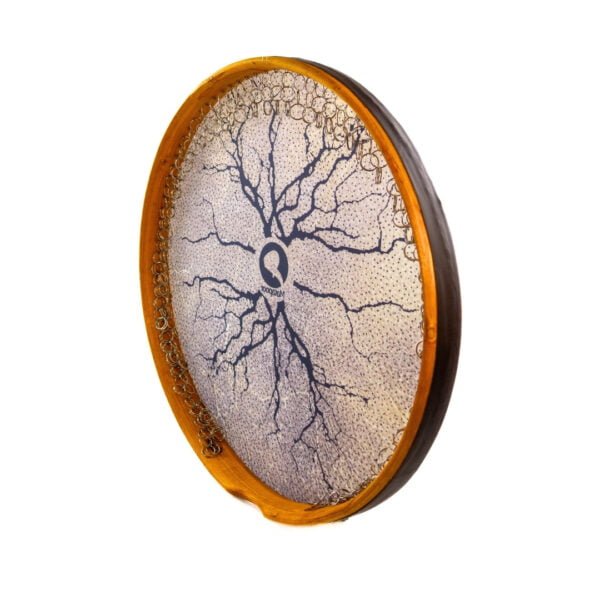
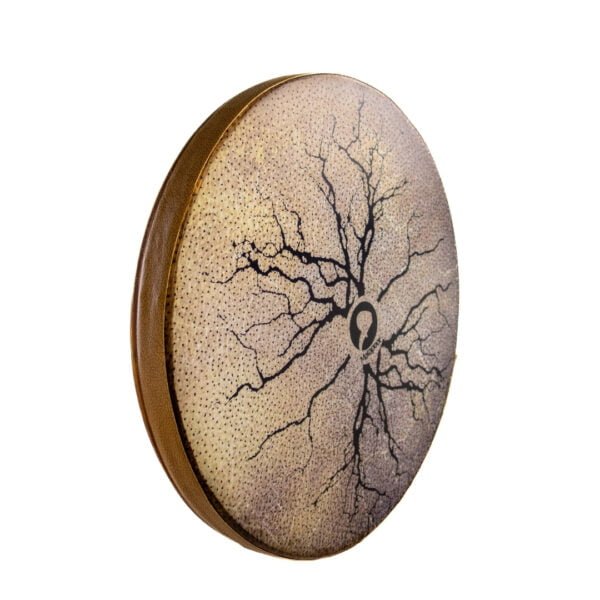
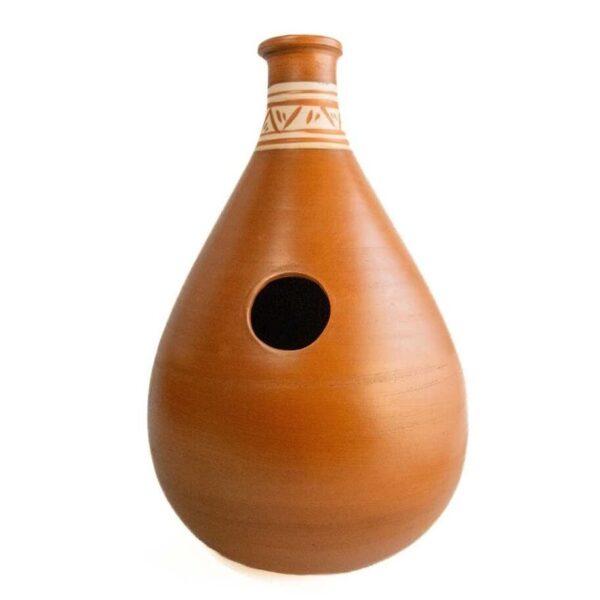
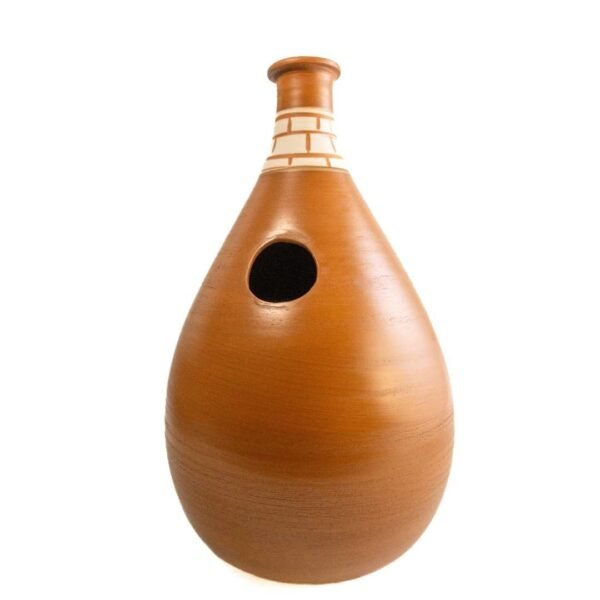
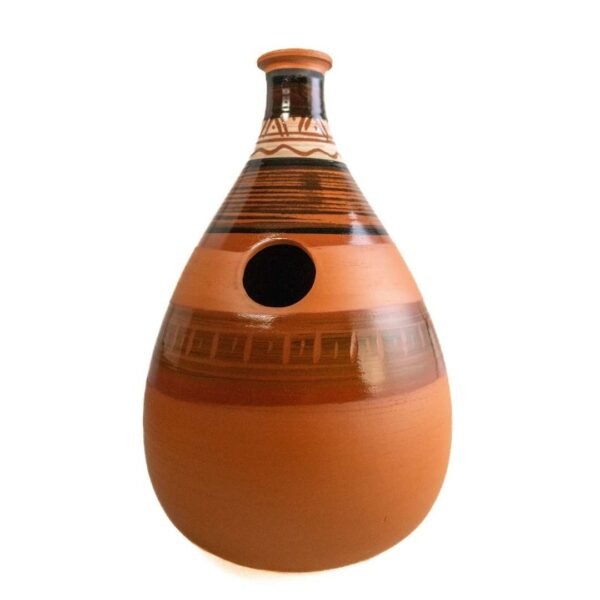
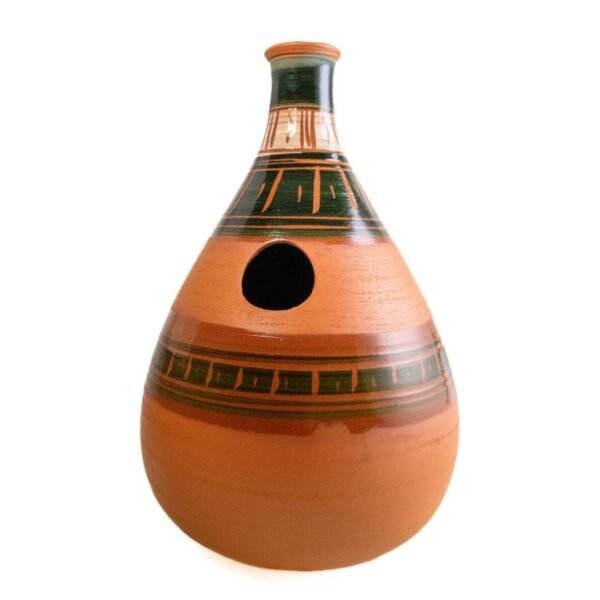
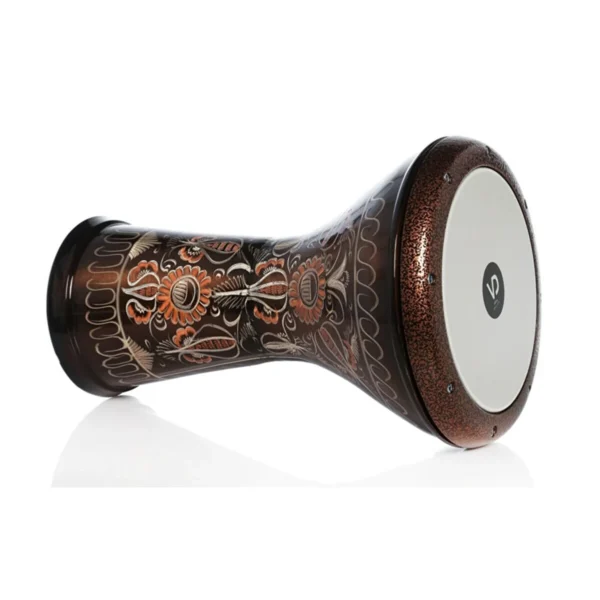
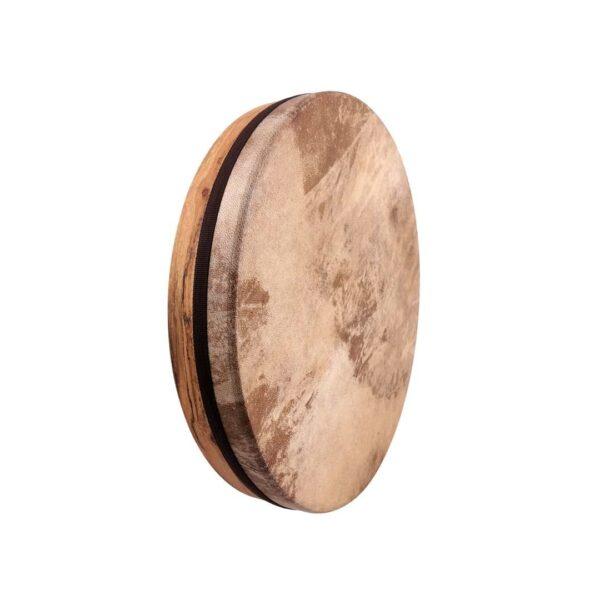
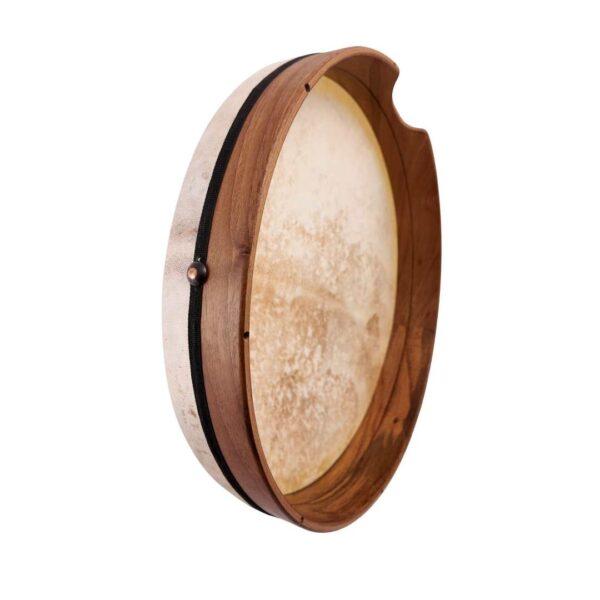
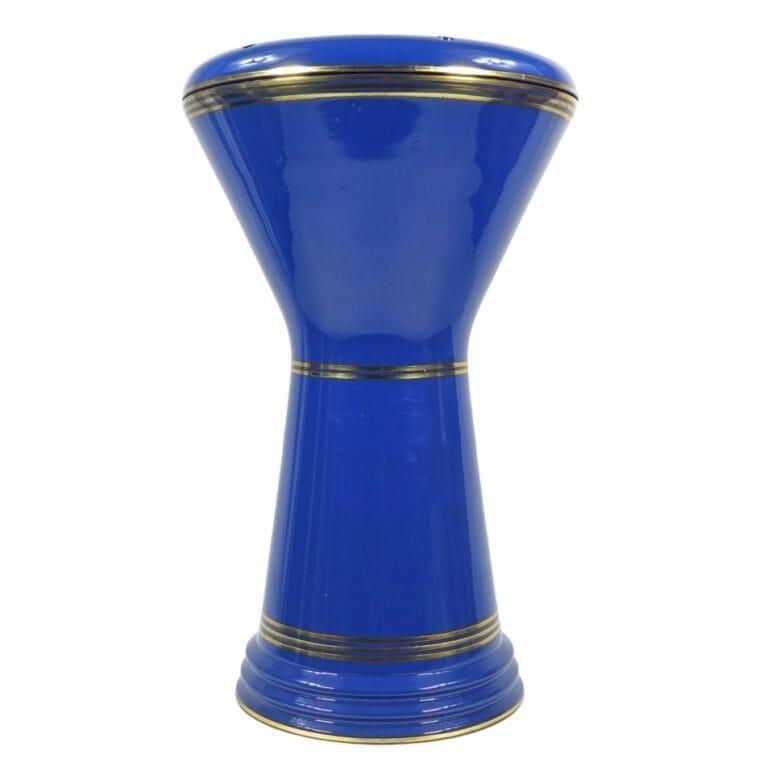
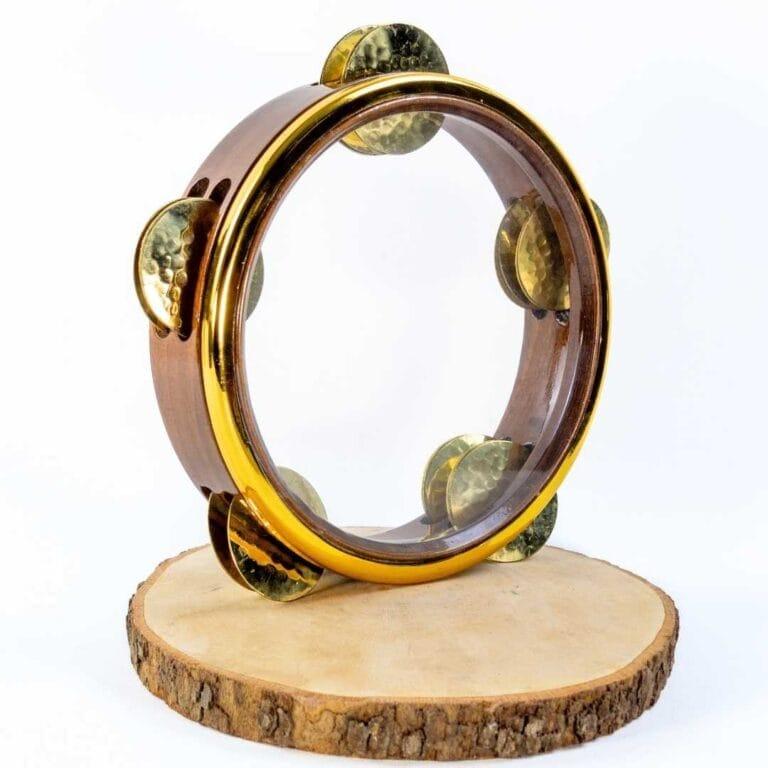
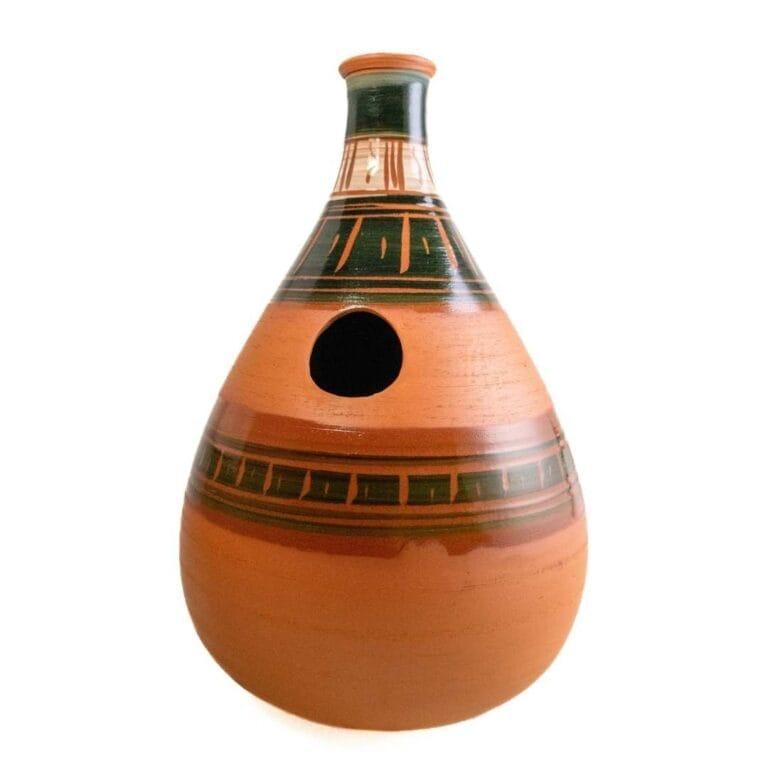
At the centre of this collection sits our own Tapadum Workshop in İzmir, Türkiye, where a small in-house team handcrafts a focused range of instruments. Ahmet Tashomcu builds the clay shells of our darbukas and crafts our udu drums, shaping ceramic bodies whose internal geometry gives each instrument its distinct voice. Mehmet Nihat San handles skin selection, tensioning, and the final sound testing on every clay darbuka — the stage where the drum’s tonal personality is set. Sertan Sarioglu handcrafts our frame drums and riqs, applying traditional tensioning methods to obtain the resonant clarity these instruments demand.
The workshop is also where one of our own designs comes from: the 3-Mode Frame Drum. It combines three switchable systems on a single instrument. The air tuning system lets you tune the drum with a simple bicycle pump — we placed an air chamber between the frame and the skin, and adjusting the pressure changes the head tension. The cymbal system carries a pair of cymbals built into the frame: they can be engaged for jingles, stopped entirely, or adjusted for resonance. The snare regulation lets you add a snare for sharper attack or switch it off for a clean frame-drum tone. One drum, three voices, switchable in seconds.
For tuning clay darbukas we still rely on an older technique adapted into a workshop fixture: a Tuning Light System mounted inside the rear sound hole. It uses traditional incandescent bulbs — not LEDs — because the heat from the filament, not the light, is the point. As the bulb warms, it gently dries and tightens the goat-skin head from inside, sharpening the tone the way players have traditionally done by holding the drum near a stove before performance. The principle is centuries old; the fixture is ours.
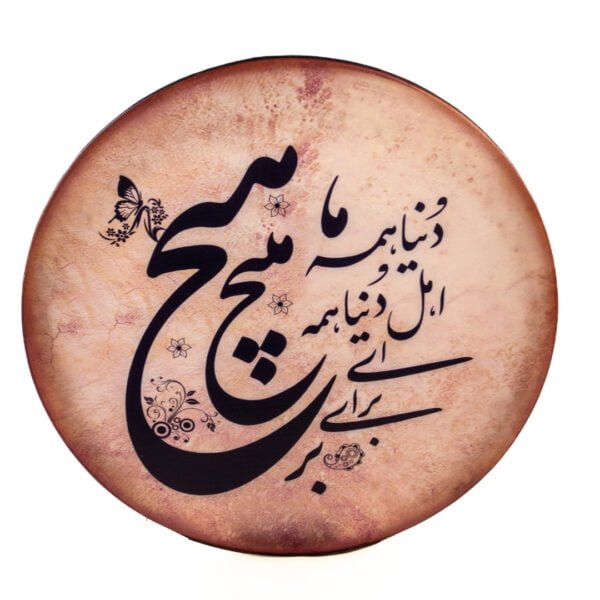
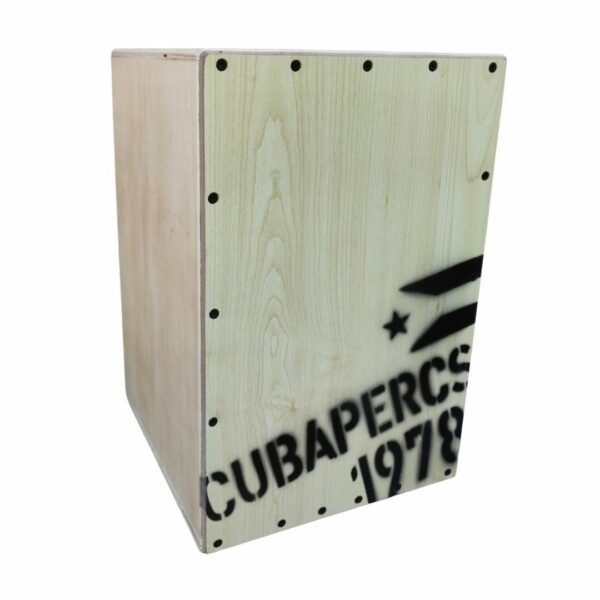
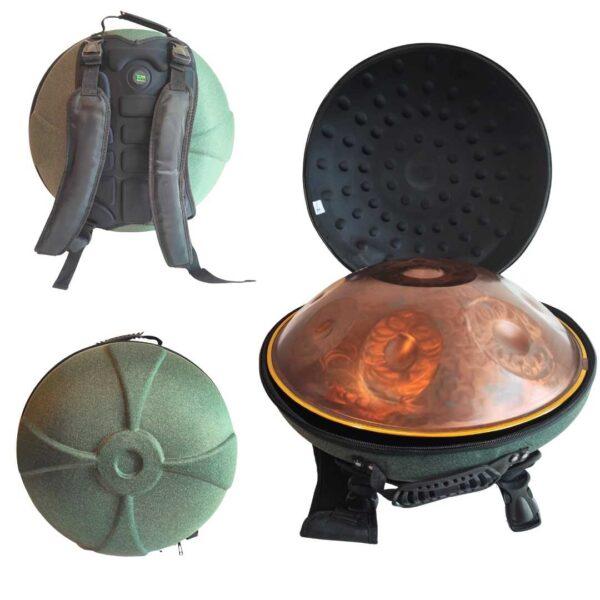
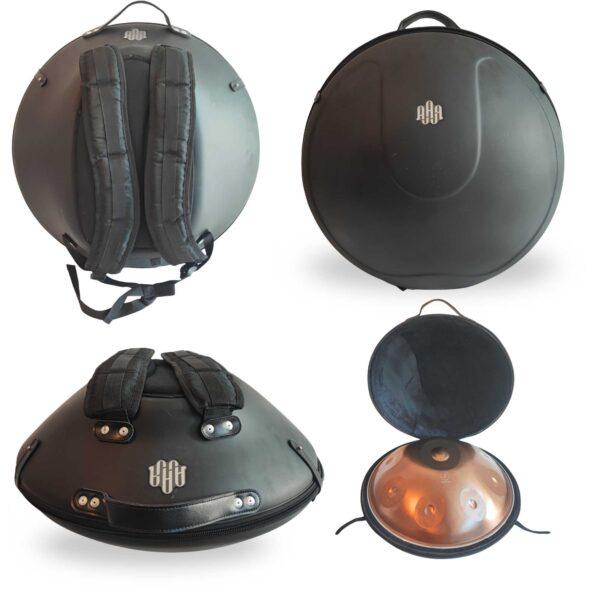
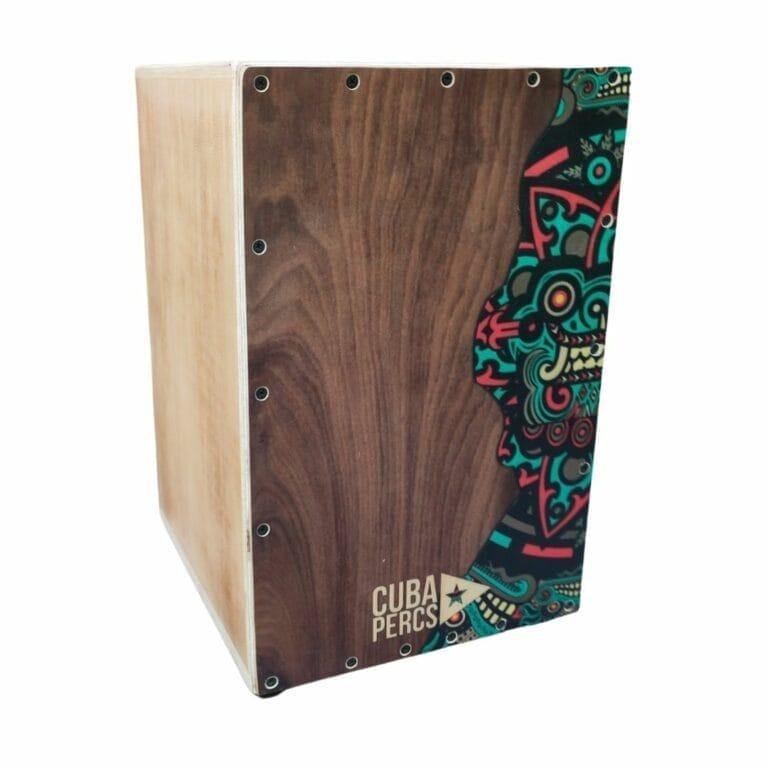
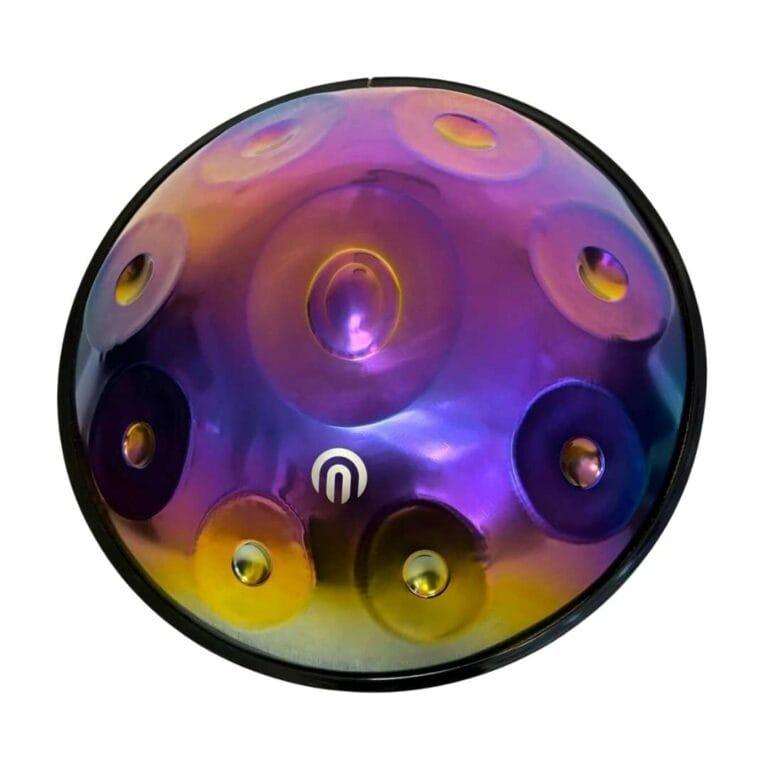
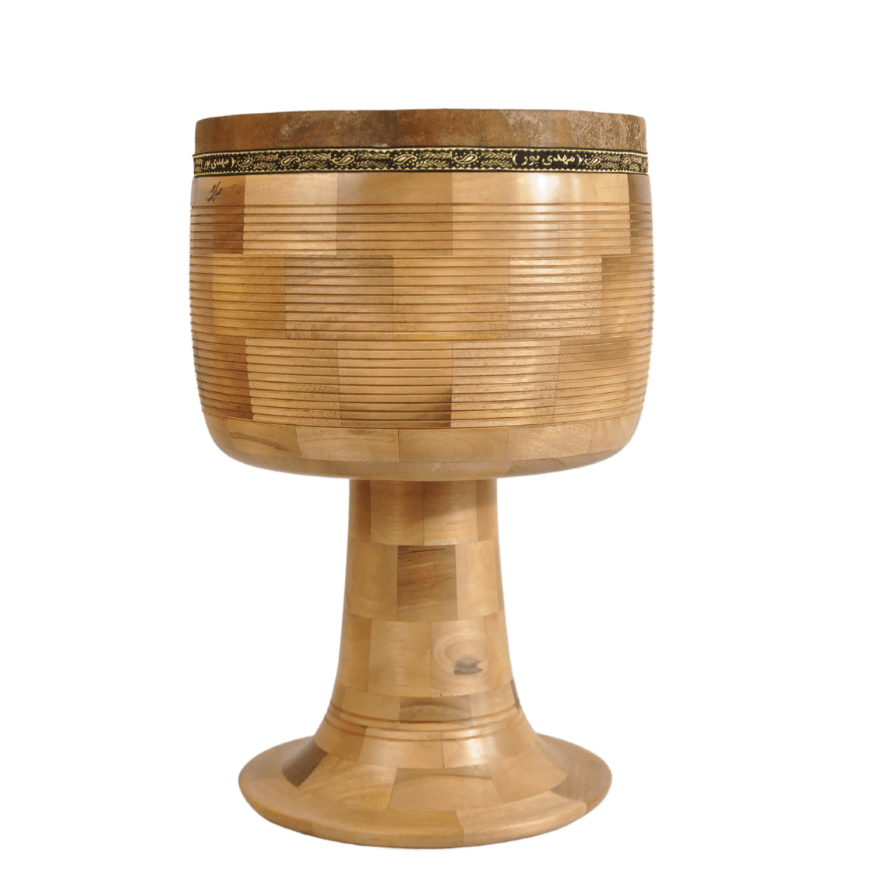
The rest of our percussion catalogue — tombak, Persian daf, davul, cajon, shaman drums, handpan, tongue drum — comes from master makers we have selected over years of close working relationships: Iranian luthiers for the tombak and daf, Turkish makers for the davul, and selected artisans for the rest. Among these, the handpan and tongue drum sit at a meditative crossroads — contemporary instruments increasingly chosen for sound-healing practice and ambient music as much as for traditional percussion. We work with each maker directly, choosing instruments that meet the same standard we hold for our own work.
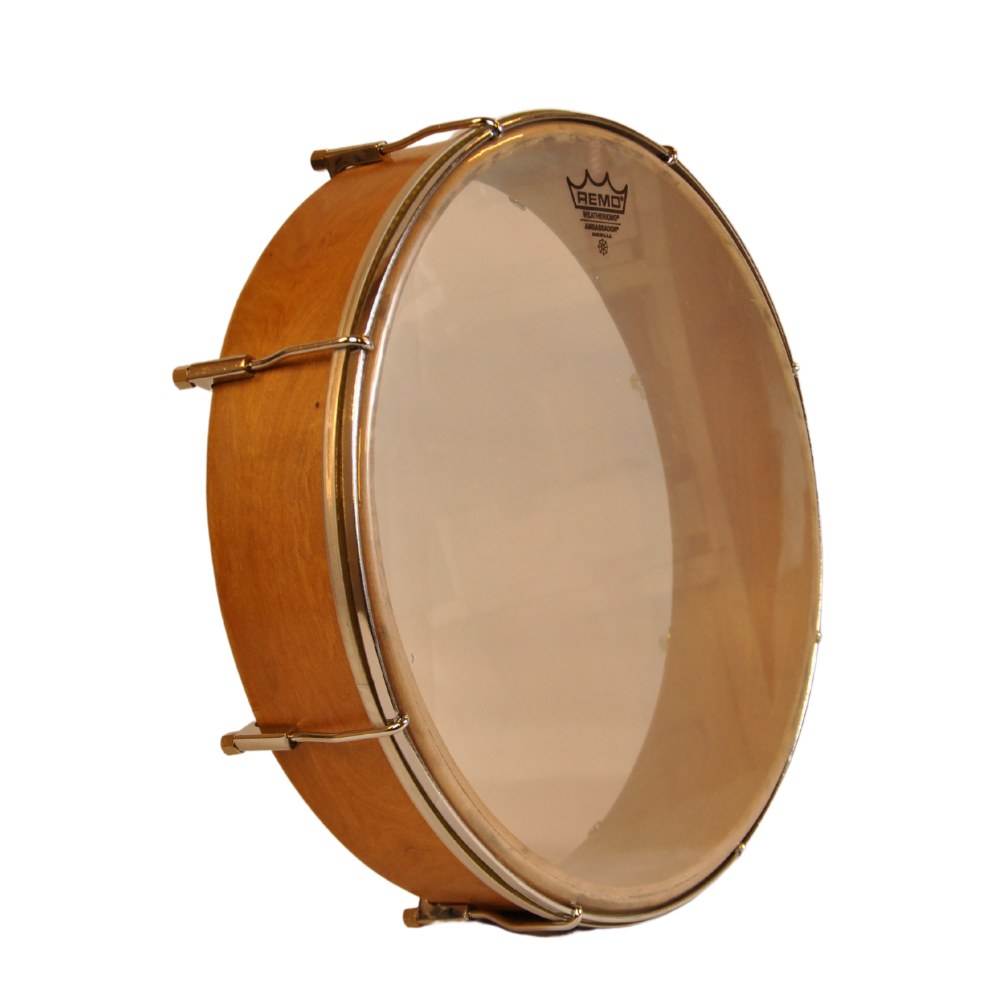
When evaluating a handcrafted percussion drum, four factors carry the most weight in our experience as makers. First, the shell material — clay, copper, aluminum, or composite — sets tonal foundation and sustain; clay produces a warm, naturally compressed tone, while copper offers brighter projection. Second, the head material: natural goat or fish skin opens the drum’s voice but responds to humidity, while synthetic Mylar trades some of that openness for weather stability. Third, the bearing edge and tensioning system — where the head meets the shell, and how it is held there. Precision in this contact determines tuning stability and the purity of every stroke. Fourth, handcraft attention: wall thickness consistency, sound hole geometry, rim finishing, and individual sound testing. These are the criteria we apply daily to our own work in the Tapadum Workshop, and what we look for when sourcing instruments from other makers.
Our most popular collections reflect this dual approach: handcrafted clay darbukas and the broader darbuka family, frame drums and riqs built by Sertan in our atelier, and the meditative pair of handpans and tongue drums for ambient and sound-healing practice. Whether you are choosing your first frame drum, a stage darbuka, or a contemporary handpan, our Percussions collection offers instruments built — or chosen — to take rhythm seriously.
Frequently Asked Questions
What types of percussion instruments does Tapadum offer?
What's the difference between Tapadum's in-house drums and curated instruments?
Which percussion instrument is good for a beginner?
What quality factors should I look for in a handcrafted percussion drum?


Persian Daf n.1
Immerse yourself in Persian music with the Persian Daf n.1, a beautifully crafted instrument perfect for professionals and enthusiasts alike.
Original price was: €155,91.€119,00Current price is: €119,00. Open piece →