
Catégorie : Théorie musicale
— Instruments · 13 min
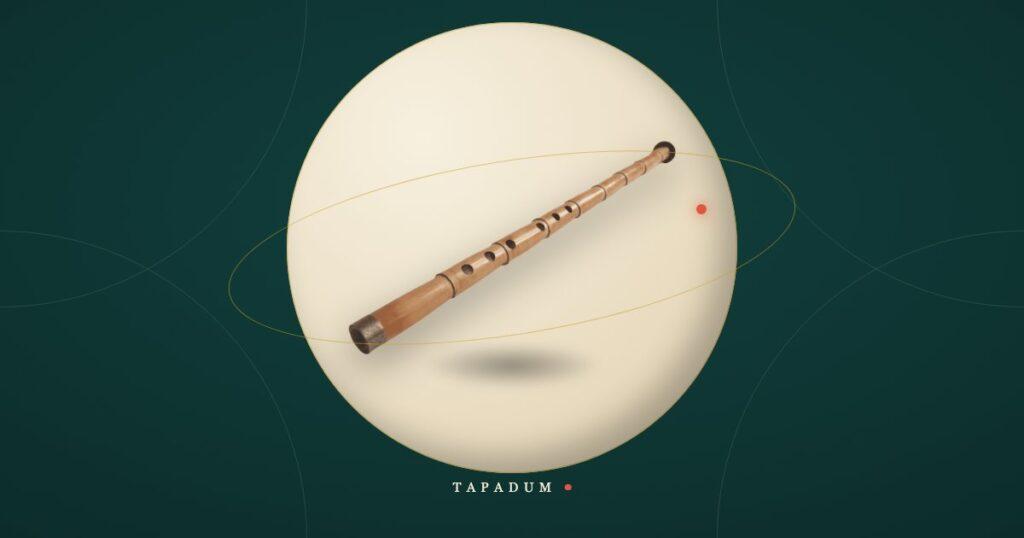
La Musique du Sema Mevlevi : Le Ney, le Kudum et le Son du Seb-i Arus
La musique mevlevi est l'ayin, la suite composée derrière la cérémonie des derviches tourneurs. Voici comment son ordre, ses rythmes et ses instruments fonctionnent, dirigés par le ney et le kudum.
— Théorie musicale · 5 min
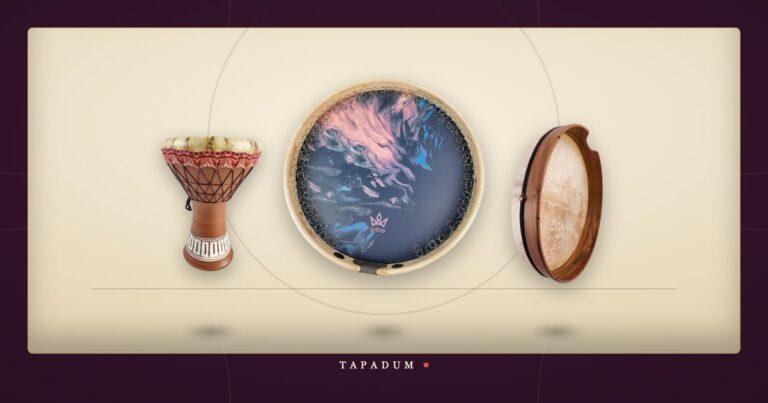
La science du tambourinage en groupe : stress, humeur et connexion
— Théorie musicale · 5 min
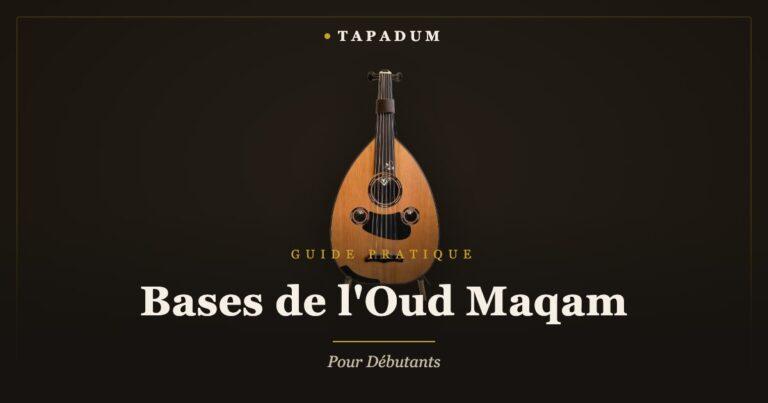
Bases de l’Oud Maqam pour Débutants
— Théorie musicale · 11 min
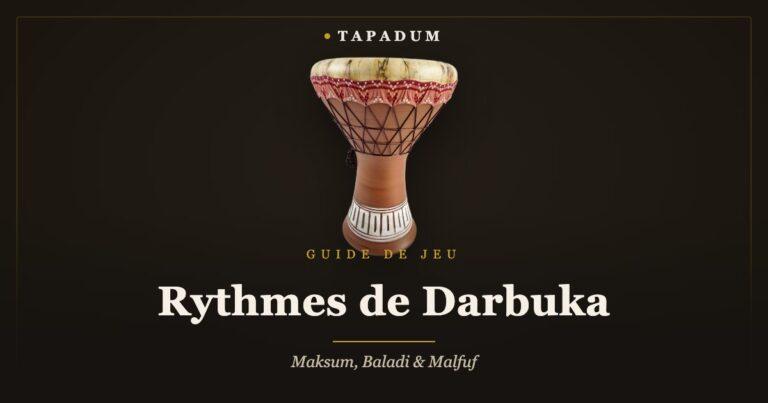
Techniques de Jeu de la Darbuka et Rythmes Essentiels : Maksum, Baladi & Malfuf
— Instruments · 10 min
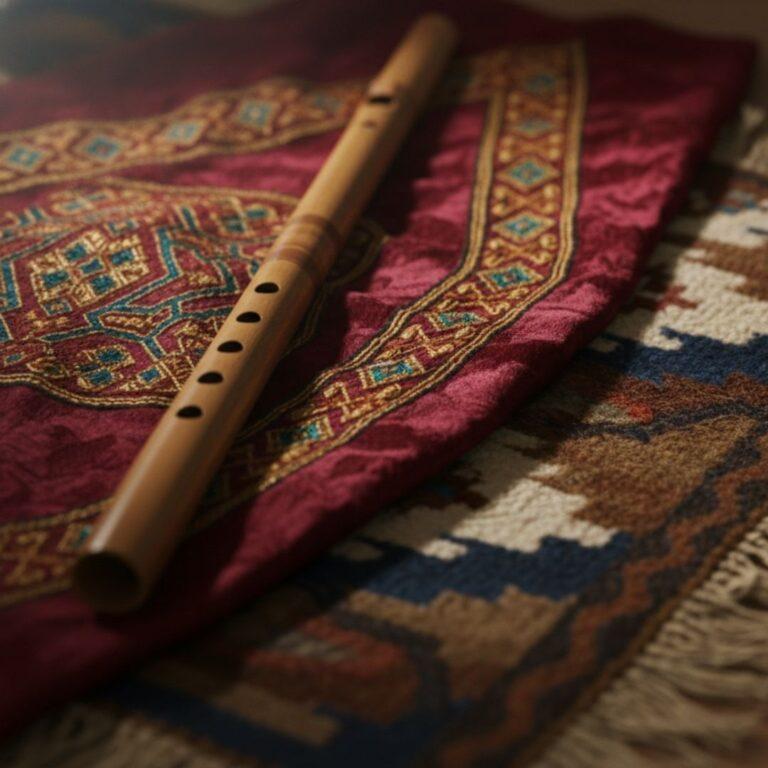
Les Effets Curatifs du Ney Turc : Thérapie Musicale dans l’Empire Ottoman
— Théorie musicale · 18 min
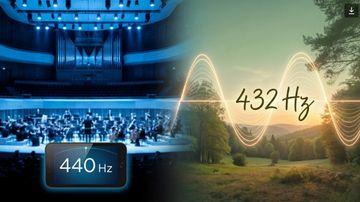
440 Hz ou 432 Hz ? Lequel est vraiment plus naturel ?
— Théorie musicale · 9 min
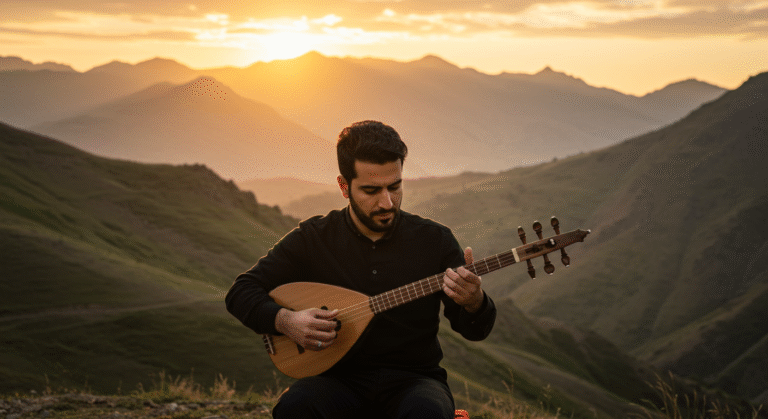
Théorie de la musique persane : Comprendre les Dastgahs et Avaz

— Théorie musicale · 13 min
La musique traditionnelle iranienne : histoire, système du dastgah et instruments
— Théorie musicale · 3 min
Découvrez Tapadum Music Academy
— Théorie musicale · 5 min