


Description
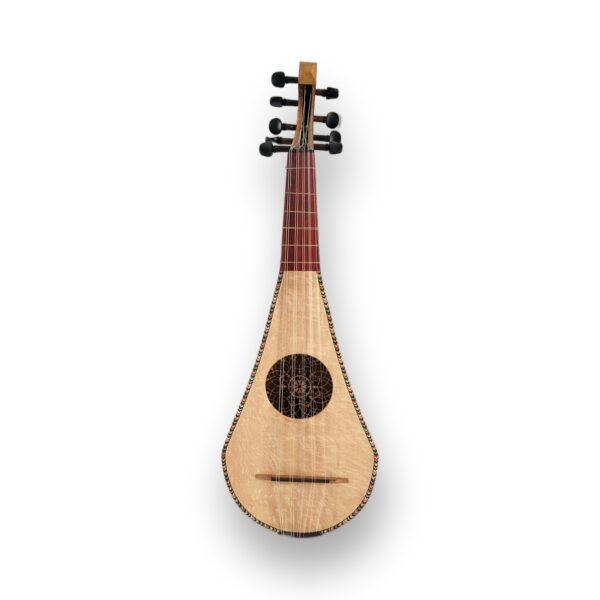
The Persian Shourangiz from Tapadum is a handcrafted Iranian lute, designed as a lighter, more agile alternative to the classical tar while preserving the characteristic voice of Persian classical music. Designed by Persian music master Hossein Alizadeh as a modern evolution of traditional Persian string instruments and handcrafted by experienced Iranian luthiers, the shourangiz combines the tar’s tonal identity with a smaller body, lighter weight, and brighter harmonic response — ideal for contemporary Persian classical, ensemble work, and fusion projects.
Origin: A Modern Persian Lute
The shourangiz was developed in the late 20th century by Hossein Alizadeh, one of Iran’s most celebrated musicians, who sought a lute that would carry the tar’s sound forward into modern Persian music contexts. The name “shourangiz” means roughly “stirring enthusiasm” in Persian, reflecting the instrument’s energetic, expressive voice. Unlike the deeper, rounder tar, the shourangiz speaks with brighter clarity and faster note response.
Wooden Soundboard Construction
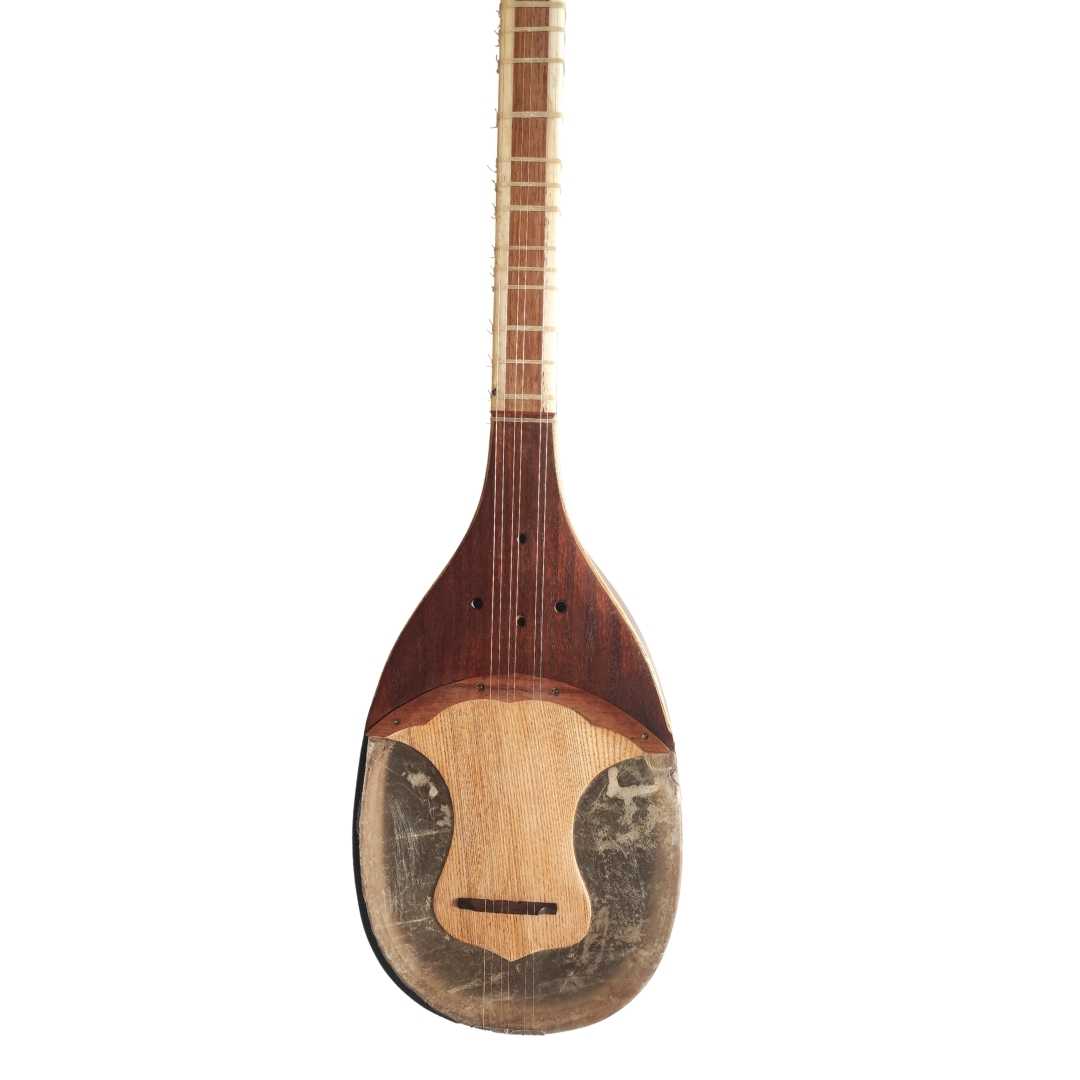
Unlike the tar, which uses a stretched skin membrane as its soundboard, the shourangiz features a wooden soundboard. This single change transforms the instrument’s voice entirely — wood projects harmonics that skin cannot reproduce, giving the shourangiz its characteristic bright, ringing tone with longer sustain. The carved resonator body amplifies these harmonics through a double-chamber design inherited from the tar.
Carved Body & Fretted Neck
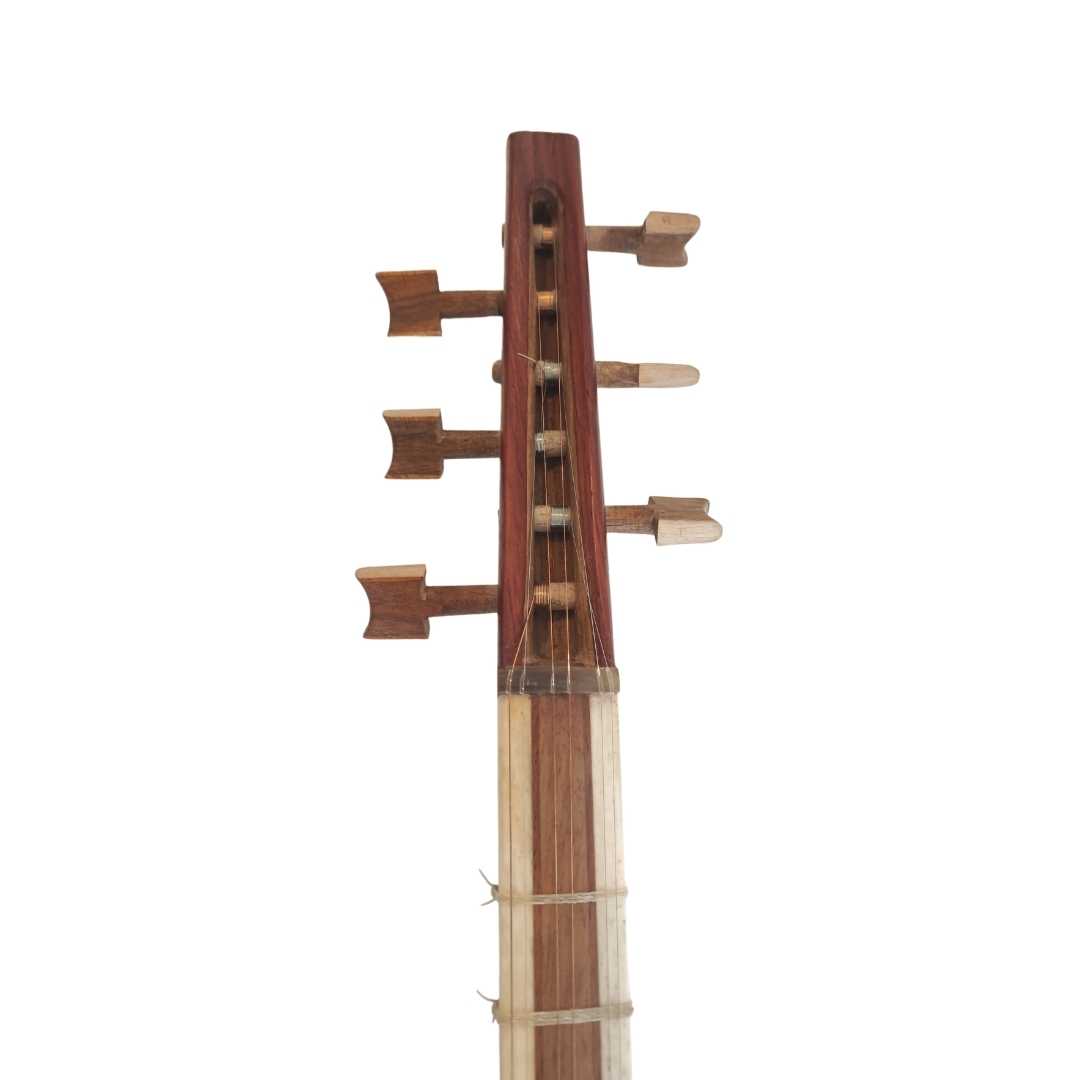
The body is hand-carved from a single piece of hardwood in the traditional Persian method, producing the characteristic figure-eight profile of Persian lutes. The fingerboard carries movable gut or nylon frets tied in positions that match Persian dastgāh intervals — the microtonal fret system essential to Iranian classical music. The neck is finished smoothly for fluid position shifts across the fingerboard.
Technical Specifications
| Type | Persian Shourangiz (modern Iranian lute) |
| Body | Hand-carved hardwood, double chamber |
| Soundboard | Wooden (not skin) |
| Fingerboard | Fretted with movable gut/nylon frets |
| Strings | 6 strings (3 double courses) |
| Playing method | Metal plectrum (mezrab) |
| Origin | Developed by Hossein Alizadeh, 20th century |
| Handcrafted in | Iran / Turkey |
Who This Instrument Is For
The Persian Shourangiz suits tar players seeking a lighter alternative, advanced students of Persian classical music, and contemporary musicians working in Iranian fusion or world music projects. Because it shares fret system and tuning conventions with the tar and setar, players coming from those instruments can transition quickly. Complete beginners to Persian music will face a steep learning curve — dastgāh theory, mezrab technique, and microtonal intonation all require dedicated study.
Music Genres & Traditions
The shourangiz is featured across Persian classical music, contemporary Iranian compositions, ensemble and chamber performance, and cross-cultural fusion projects. Its brighter voice cuts through ensemble textures where the tar might sit too deep, making it a preferred choice for modern arrangements and recordings. The instrument appears frequently on albums by the Masters of Persian Music ensemble and other contemporary Iranian groups. Learn more about Persian classical instruments and the dastgāh modal system.
Care & Maintenance
Store in a hard case or padded gig bag at 45–55% humidity — wooden soundboards crack in dry conditions and can warp in humid ones. Wipe strings and body with a dry cloth after each session to remove skin oils. Retie loose gut frets as they shift; inspect intonation monthly. Use quality mezrab plectrums; worn metal plectrums can mark the wooden soundboard. A luthier’s setup review every 2–3 years keeps the instrument playing optimally.