Description
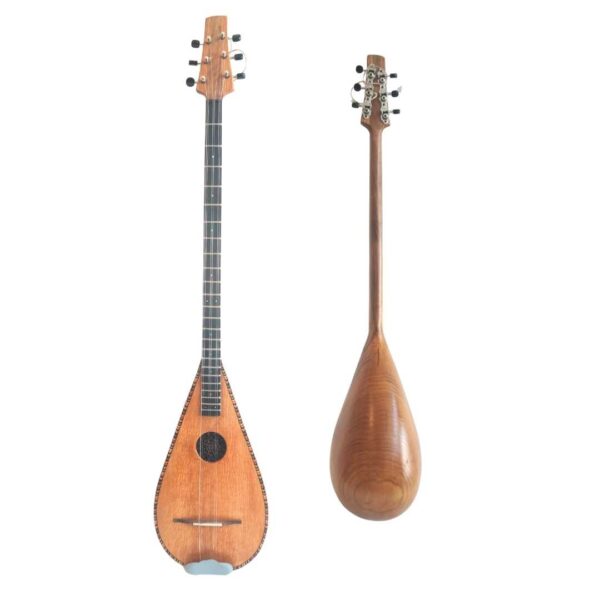
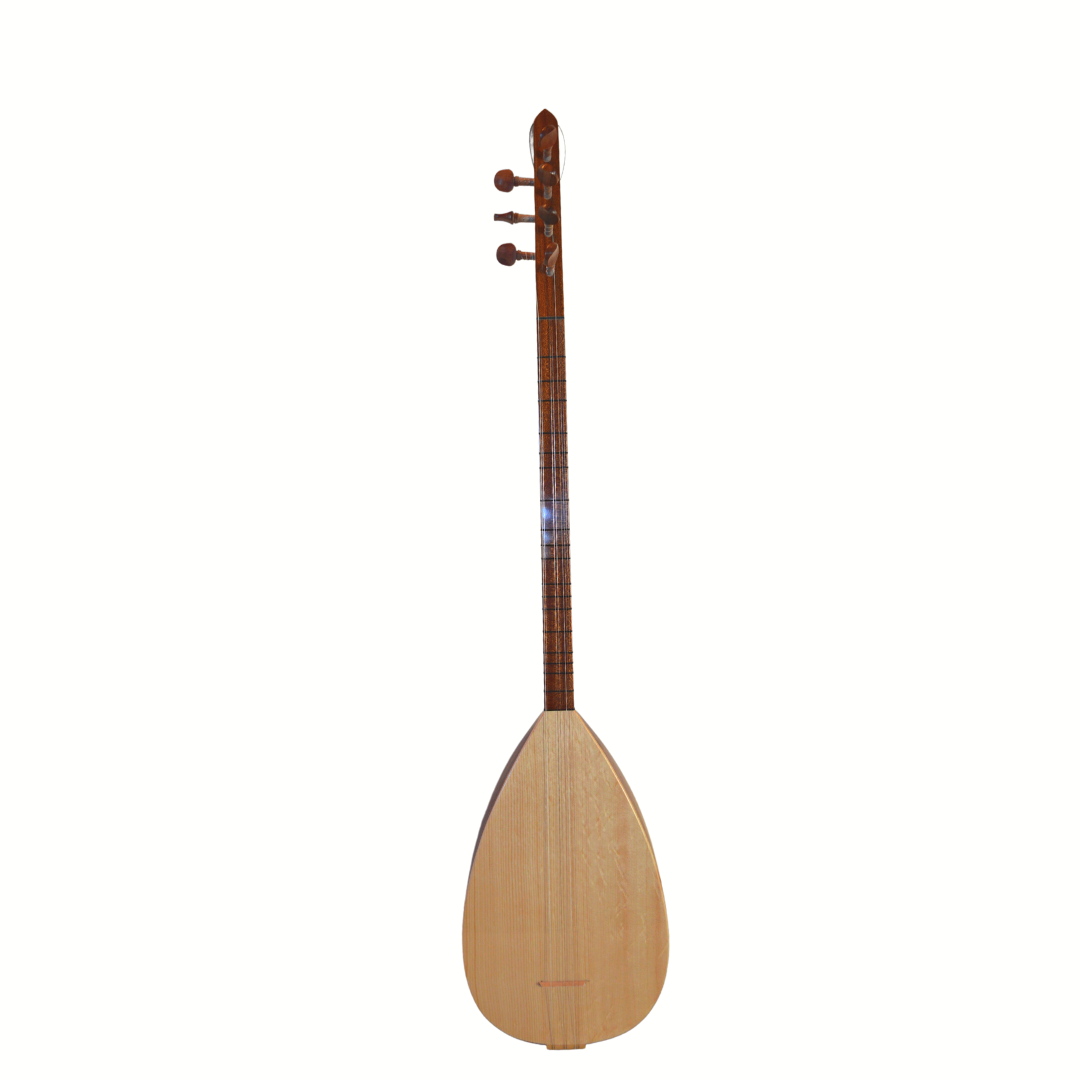
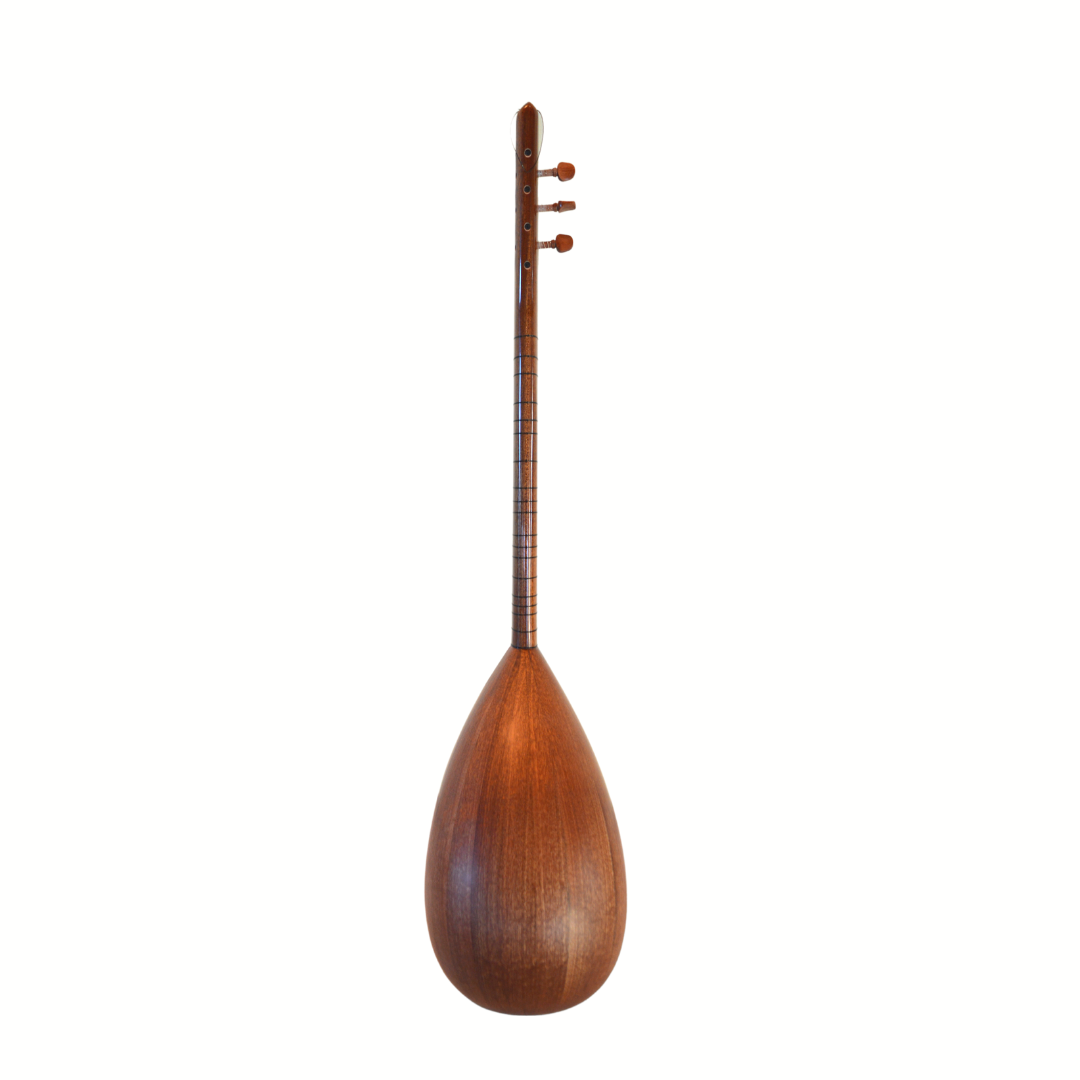
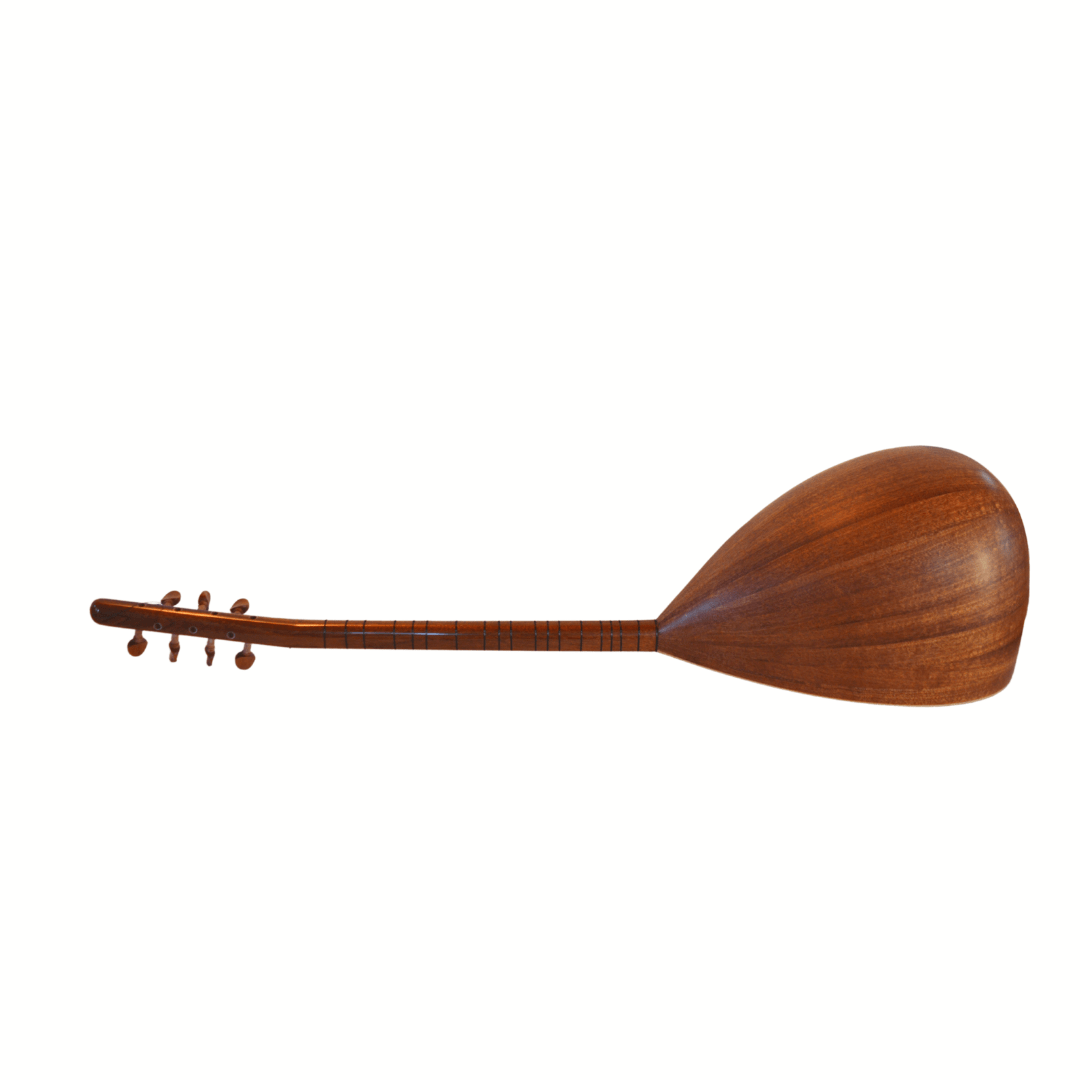
The Professional Short Neck Baglama Saz by Cogur is a handmade Turkish folk lute built for players who work in the Anatolian saz tradition. Its short neck shortens the vibrating string length for a tighter, brighter, more percussive attack than the long-neck baglama, while the mahogany bowl and spruce top give it a warm, projecting voice. Handcrafted in Turkey by Cogur, it is aimed at intermediate and professional players.
Mahogany Body
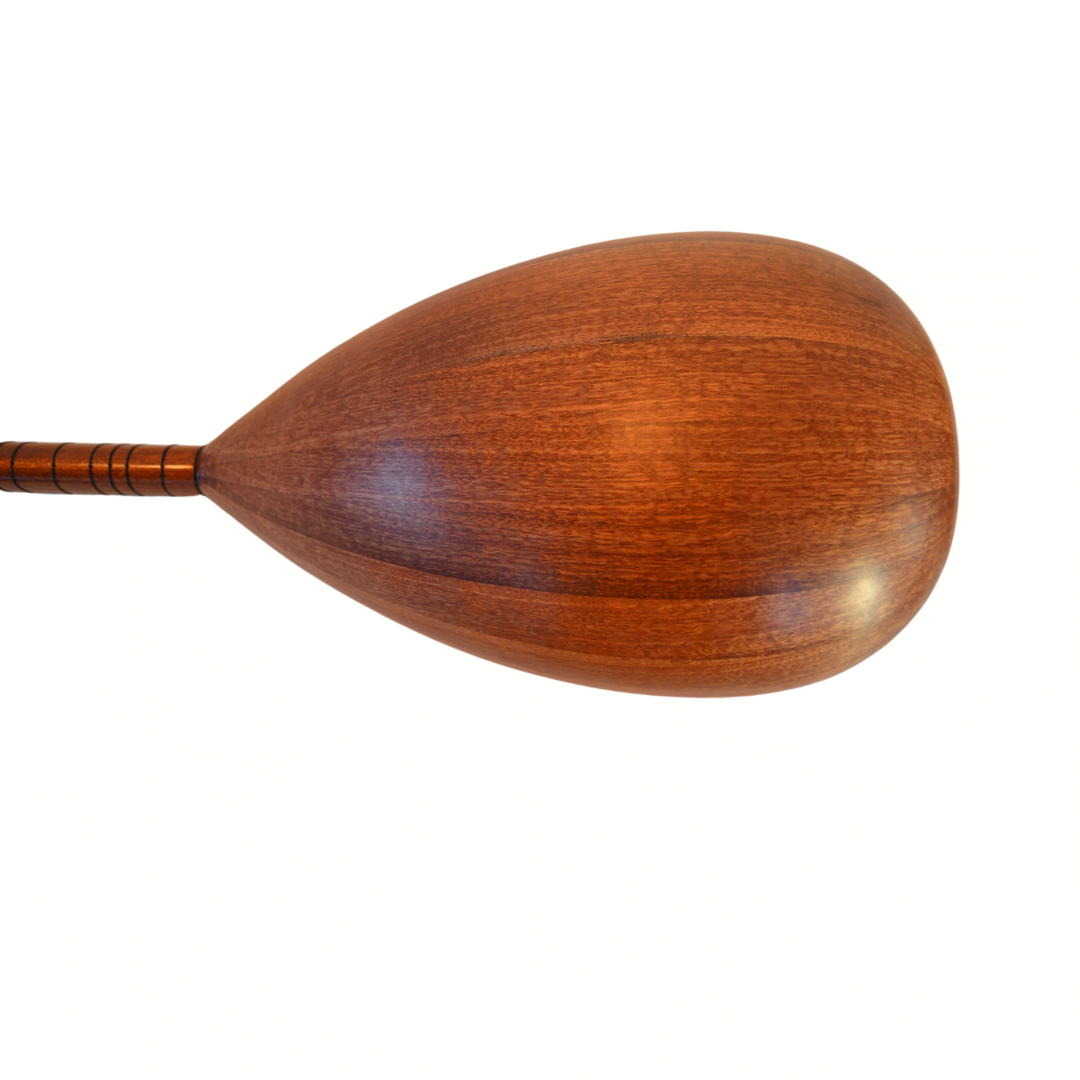
The deep, bowl-shaped body is carved from mahogany, a dense hardwood that gives the saz a warm, resonant low end and a long sustain. The teardrop bowl is the resonating chamber of the instrument, projecting the sound of the strings forward with the volume a folk player needs in an unamplified room or a crowded ensemble.
Spruce Soundboard & Tuning
A spruce top closes the bowl and does much of the acoustic work — its light, stiff grain responds quickly to the strings and adds clarity and brightness over the mahogany’s warmth. The saz is fitted with traditional tuning pegs; like all peg-tuned instruments it benefits from an occasional check so it holds pitch reliably through a performance.
Technical Specifications
| Specification | Details |
|---|---|
| Overall Length | 96 cm |
| Body Width | 35 cm |
| Overall Height | 25 cm |
| Weight | 4.1 kg |
| Material | Mahogany, Spruce |
| Tuning System | Traditional Pegs |
| Country of Origin | Turkey |
The Short-Neck Baglama in Turkish Music
The baglama, or saz, is the central instrument of Turkish folk music and the voice of the aşık — the travelling poet-singers of Anatolia who set verse to melody. It carries the repertoire of the Alevi-Bektaşi cem ceremonies, the deyiş and semah, alongside the regional türkü sung across every part of Anatolia. The short-neck form is favoured for faster, rhythmic folk pieces and for players who want a brighter, more articulate attack. In modern settings the saz also drives Anatolian rock and world-music fusion, where its ringing open strings sit naturally against Western instruments. The saz is retuned to different düzen (tuning arrangements) for different regional repertoires, so a single instrument covers a wide range of modal folk material.
Playing Styles
The saz is played in two main ways. With a mızrap — a thin, flexible plectrum — the player produces the driving, rhythmic sound heard in most folk and stage performance. The second style, şelpe, is a fingerstyle technique that taps and strums the strings directly for a softer, more intimate tone. Because the neck is short, the fretted positions sit close together, which suits the fast passing notes, glissando slides, and grace-note ornaments that give Anatolian melody its character.
Who It’s For
This saz is made for intermediate to professional players and for serious collectors of Turkish folk instruments. The short neck rewards developed left-hand technique and a confident right-hand mızrap (pick) stroke. A dedicated beginner can certainly learn on it, but the instrument is built for someone who already knows their way around fretted, plucked strings and wants a serious performance saz rather than a starter model.
Care & Maintenance
Store the saz in a stable, humidity-controlled environment, away from radiators and direct sun — the spruce top and glued joints react to dryness and heat. Check the tuning pegs periodically so they turn smoothly and hold tension. Wipe the body and strings with a soft, dry cloth after each session, and avoid solvents or polishes that can lift the finish. Handled with a little care, a well-built saz stays in playing condition for decades.
Explore more of Tapadum’s baglama and saz range, the wider family of string instruments, and related Turkish string instruments such as the oud.