
Description
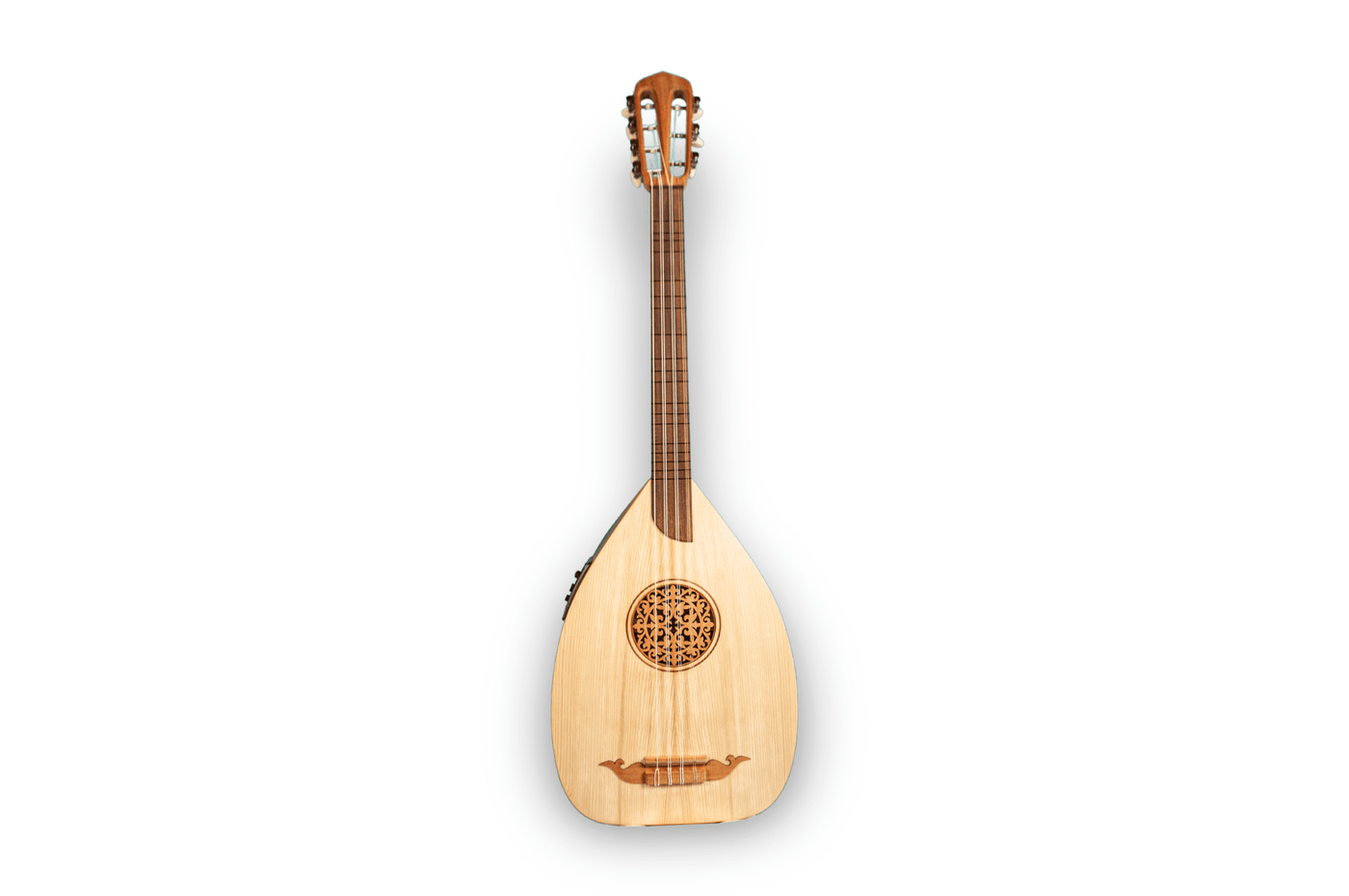
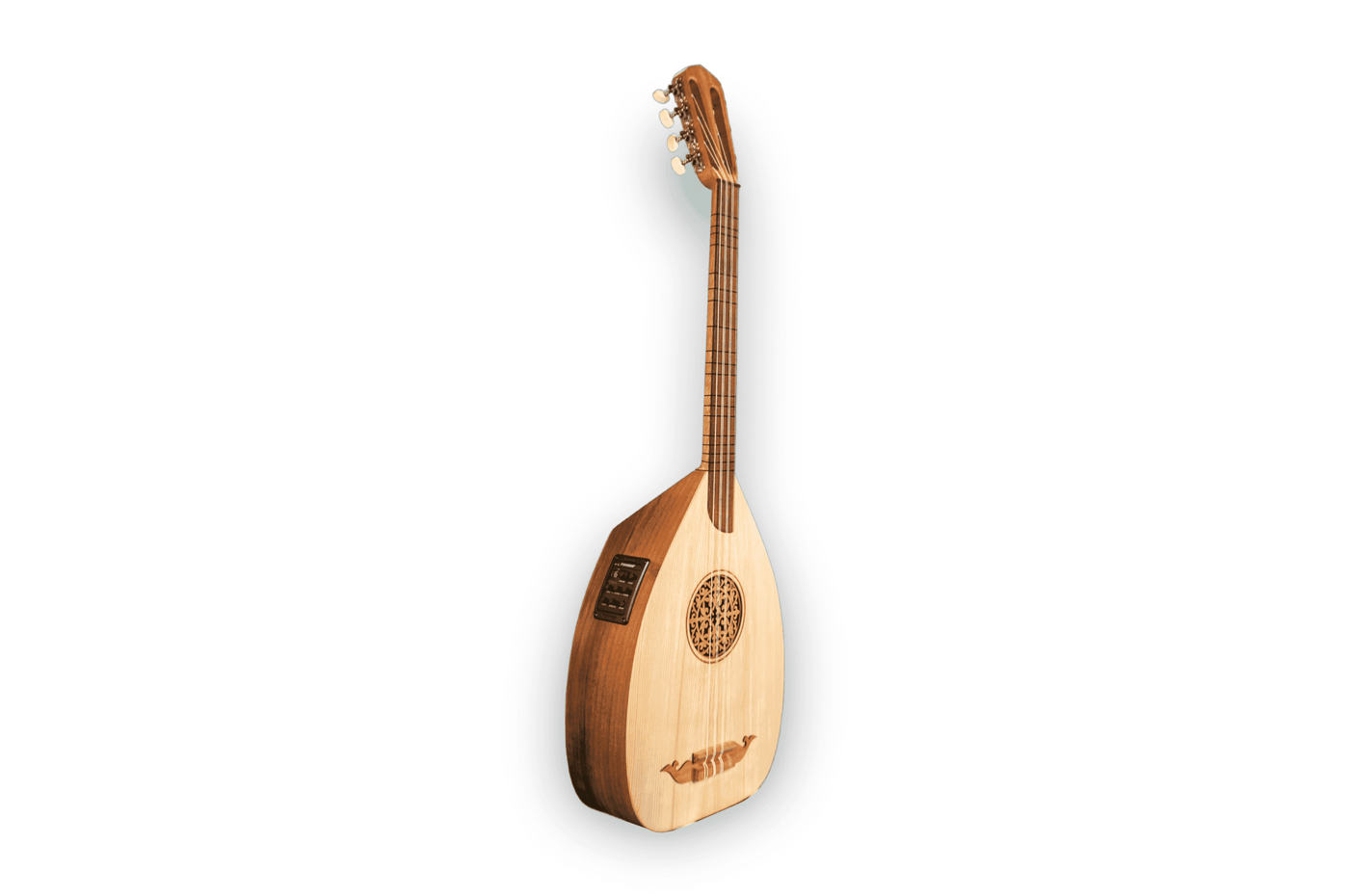
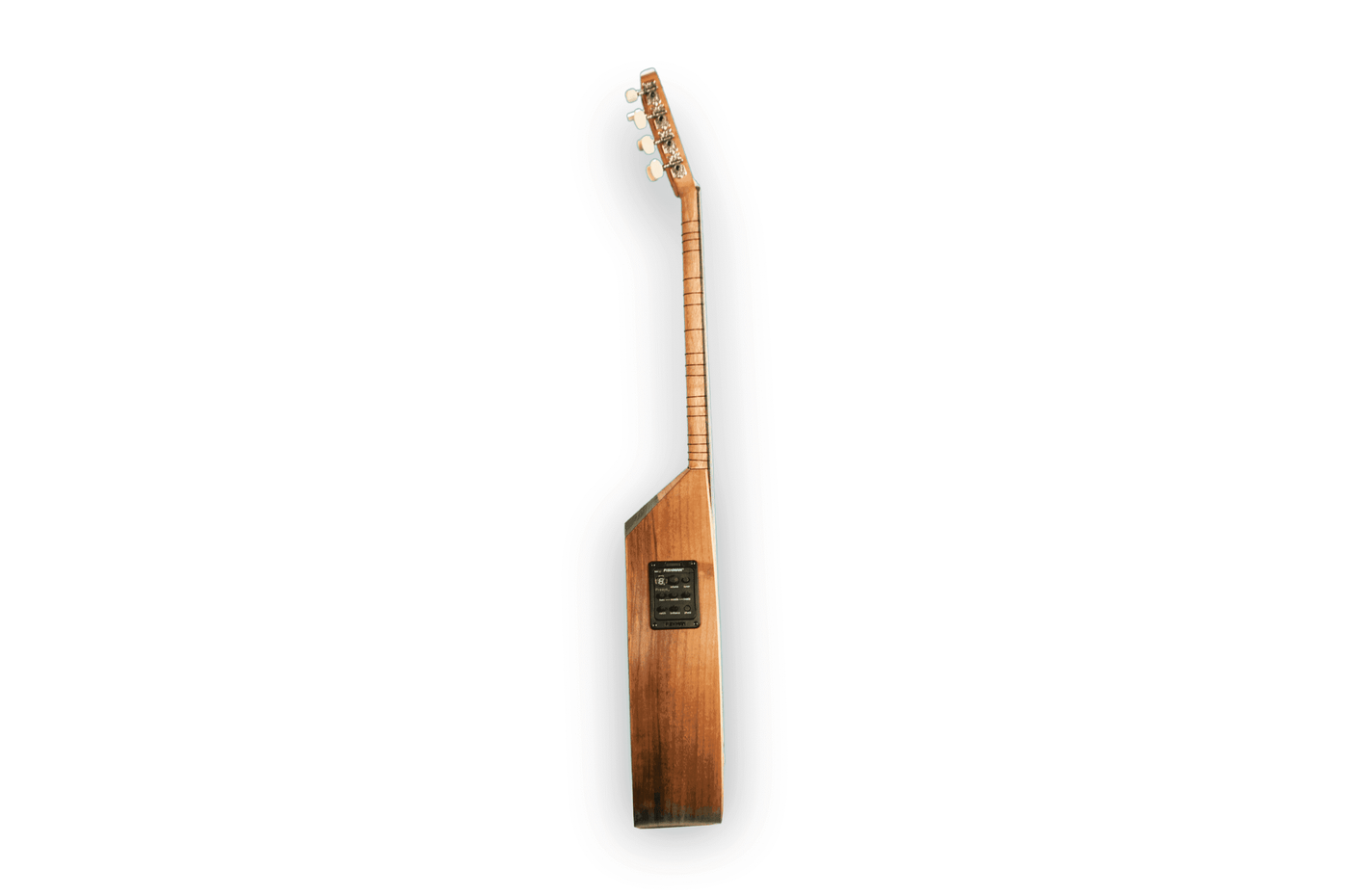
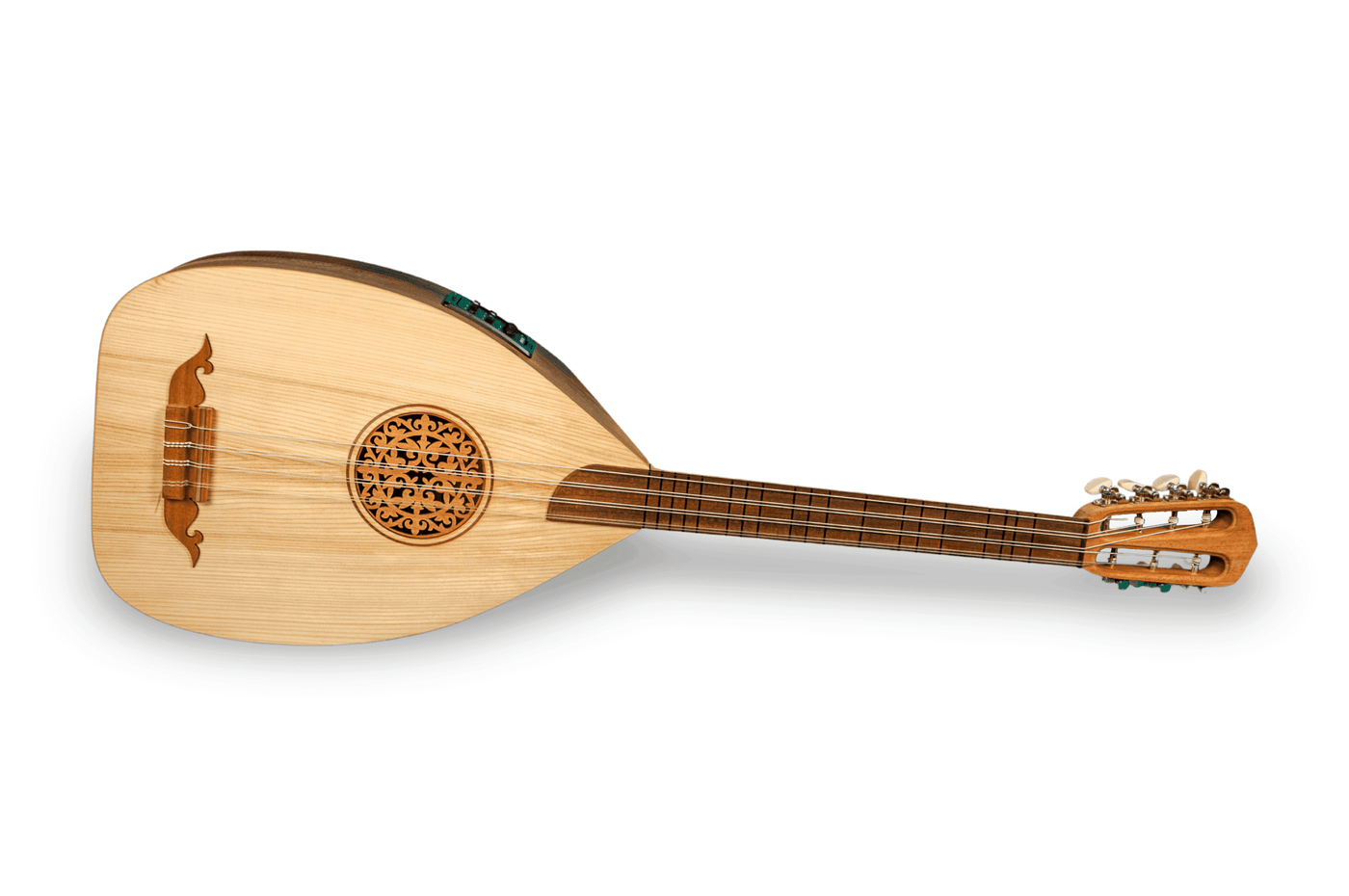
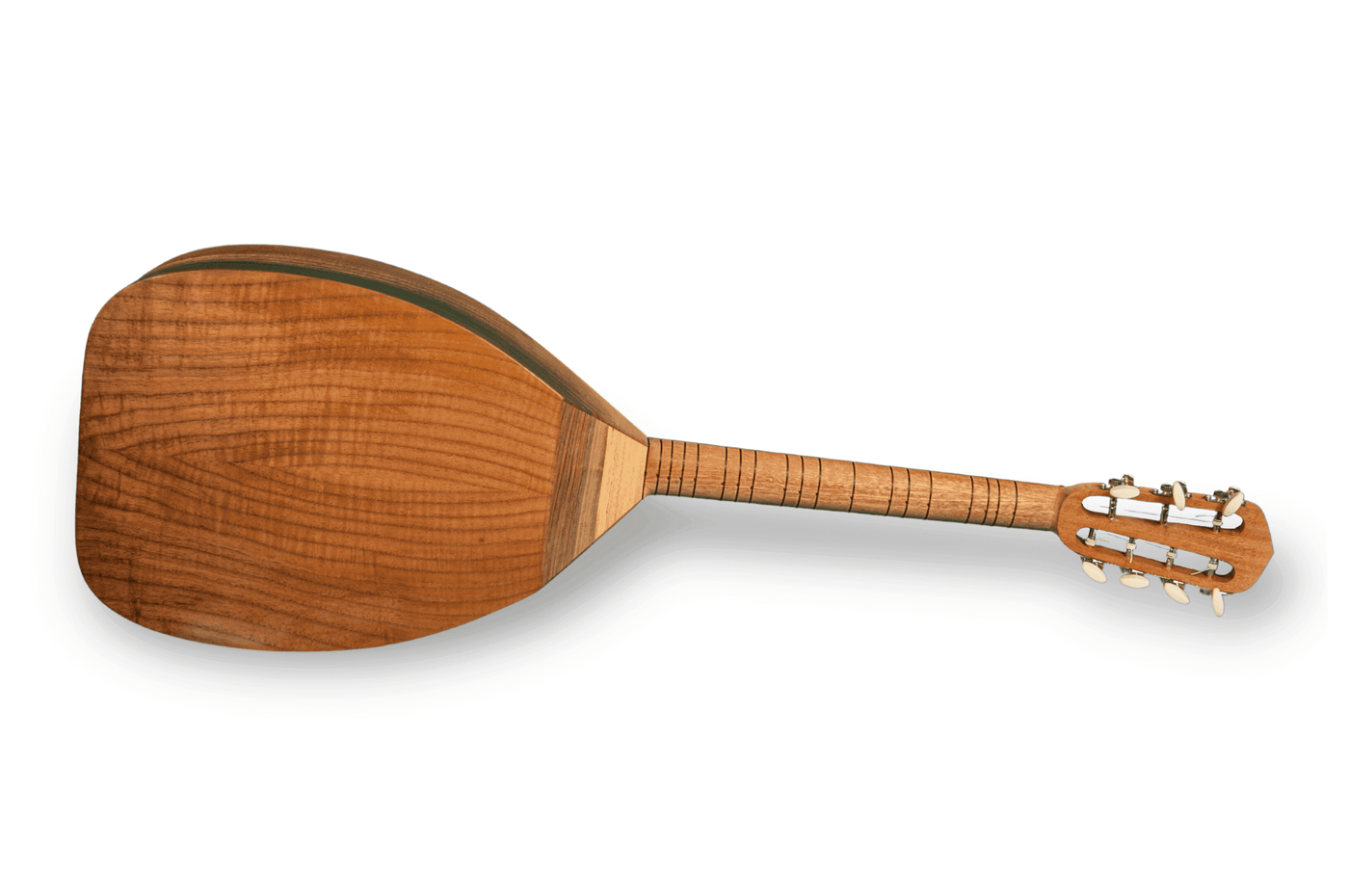
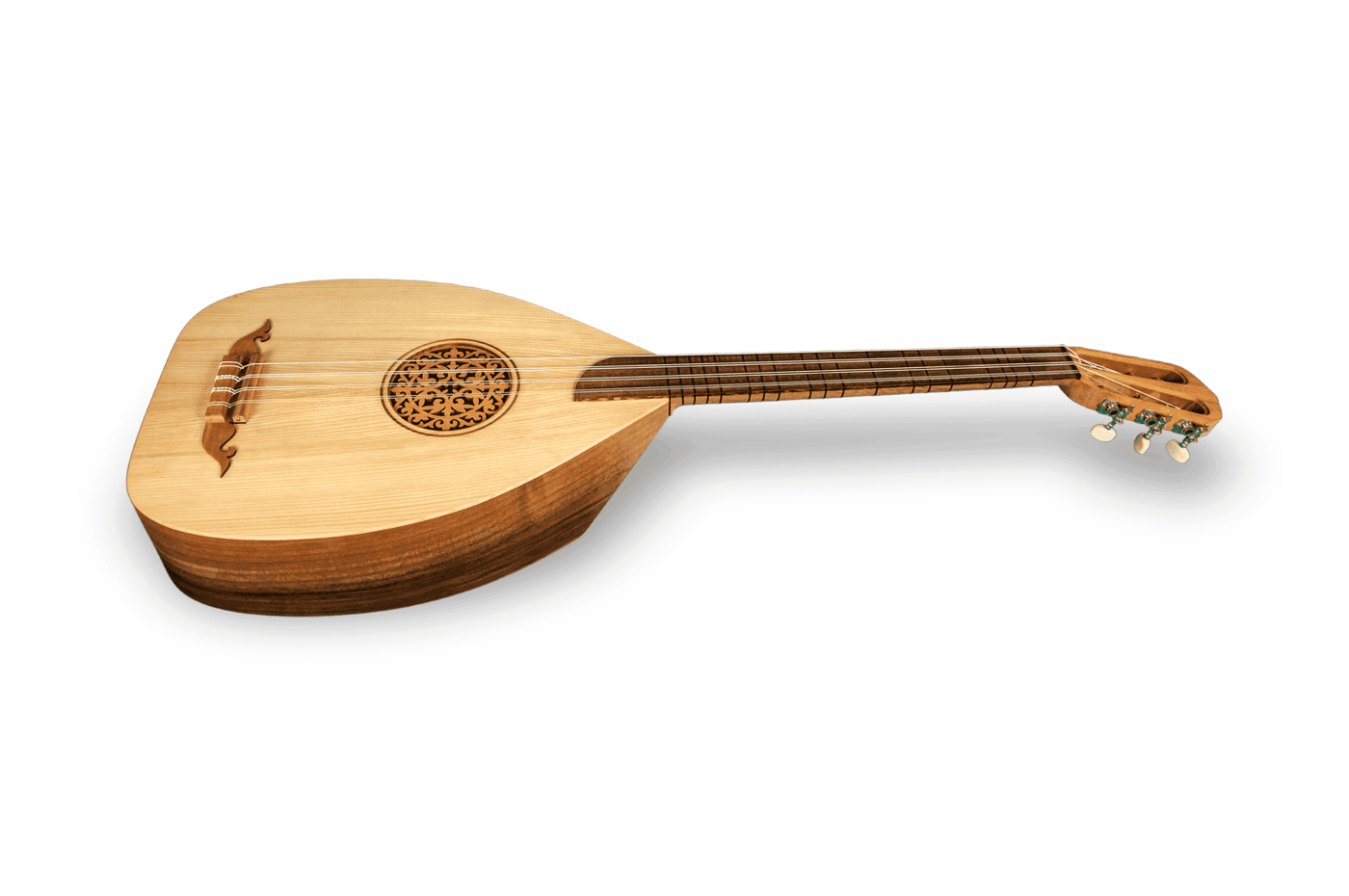
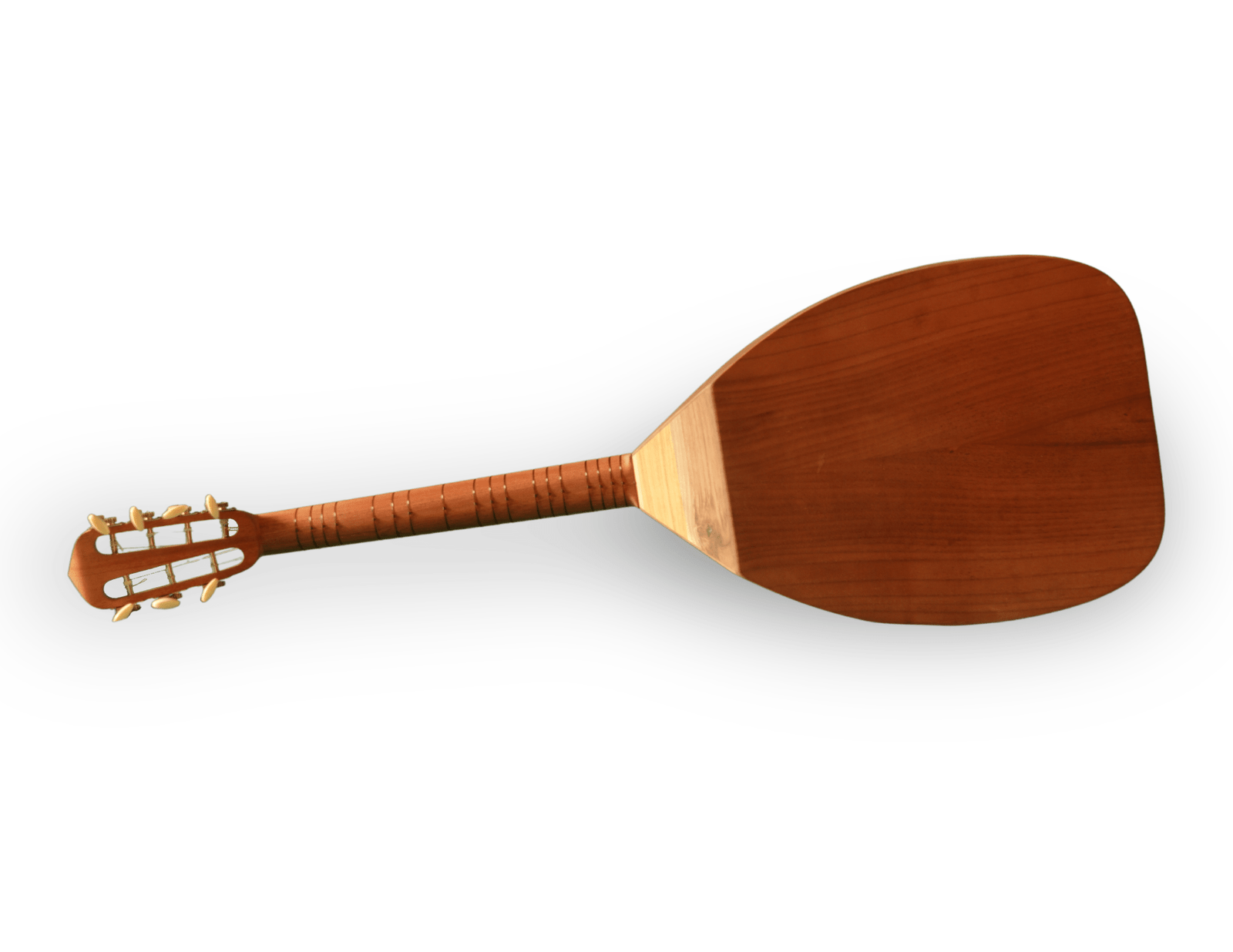
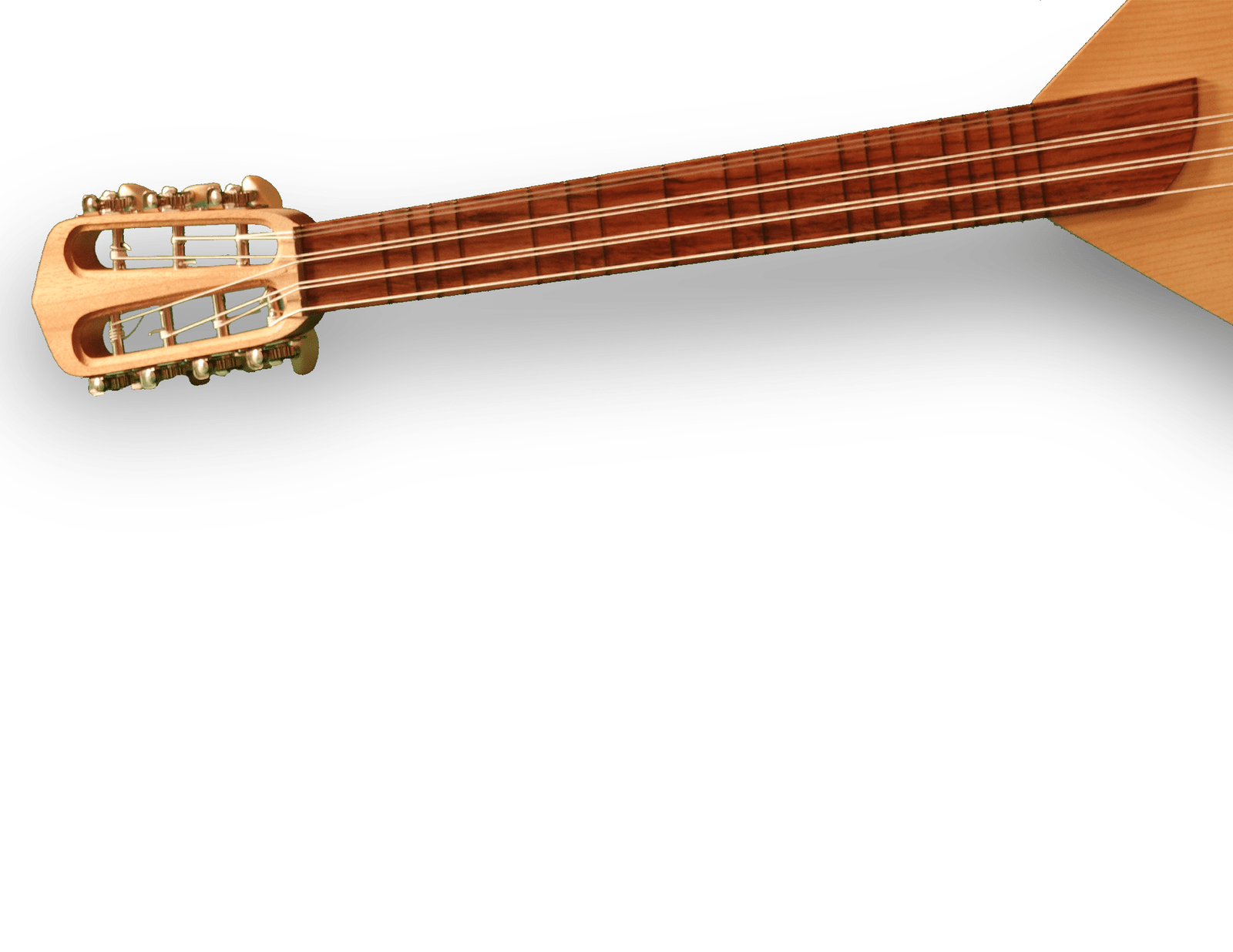
The Turkish Lavta — Electro Acoustic from Tapadum is a handcrafted Ottoman lute from our signature lavta collection, built for performing musicians who need stage-ready amplification without losing the instrument’s traditional voice. With a walnut body, East Black Sea Spruce soundboard, mahogany neck, and a built-in Fishman Piezo pickup, this lavta carries Istanbul’s classical music tradition into recording studios, fasil ensembles, and amplified live settings.
Crafted by a Master Luthier
This Electro Acoustic Lavta is the work of Mitre Sertan Sarioglu, Tapadum’s String Instruments Manager and a professional musician with decades of luthier experience. The Electro Acoustic series is a small-batch design — Sertan builds each unit to the same specification, hand-fitting the Fishman Piezo system into the bridge so the pickup performance matches the instrument’s natural acoustic response.
Walnut Body & East Black Sea Spruce Soundboard
The body is constructed from walnut, a tonewood prized for its dense, resonant character. Walnut delivers a warm low-mid foundation with clear projection — qualities that hold up well when the instrument is amplified. The East Black Sea Spruce soundboard is the primary tonal driver: spruce’s high stiffness-to-weight ratio gives the lavta bright projection and harmonic complexity, allowing it to cut through in ensemble settings alongside voice, violin, qanun, or amplified guitar.
Mahogany Neck & 7-String Configuration
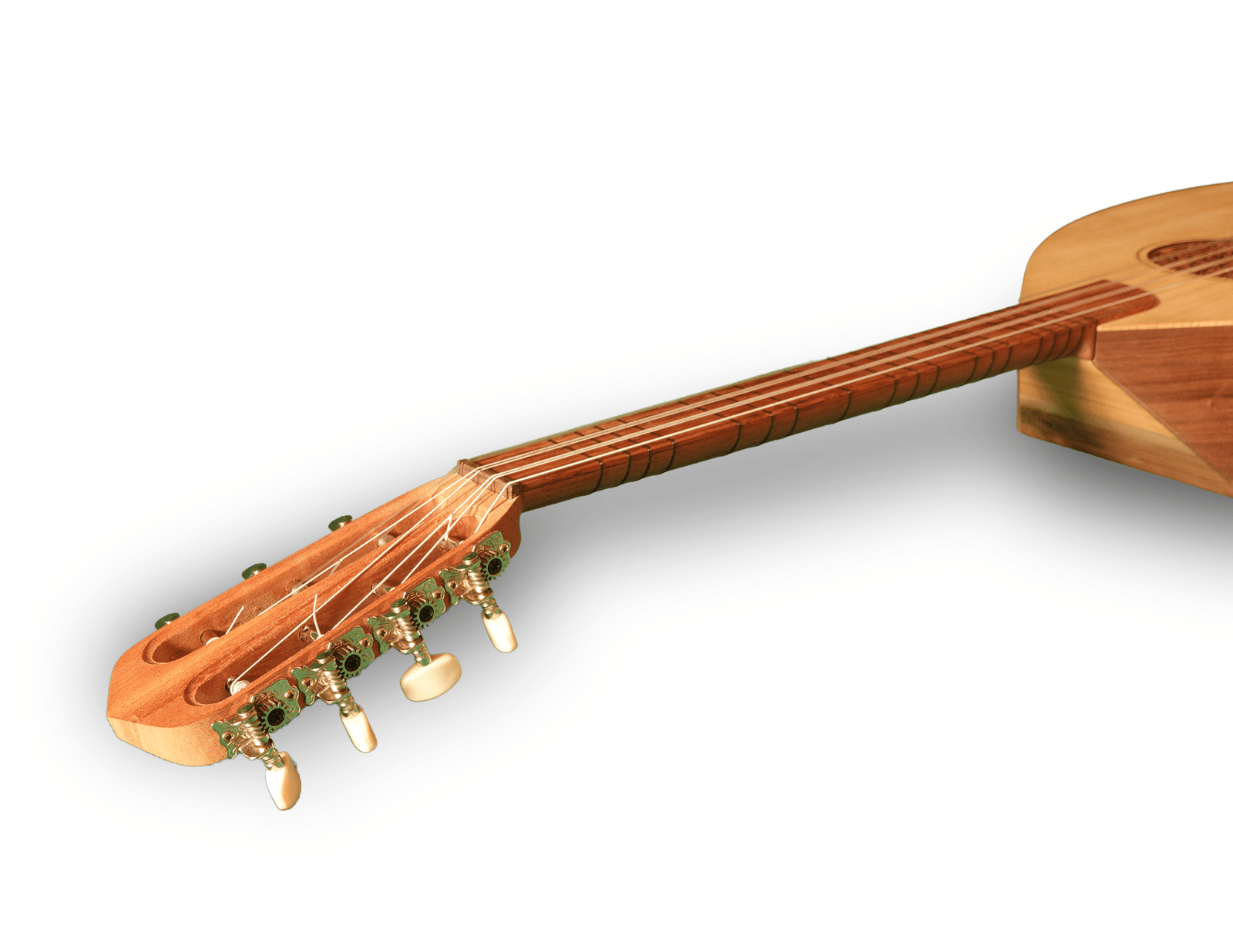
The neck is crafted from premium mahogany, providing structural stability and consistent intonation across the fretted range. The instrument is configured as a 7-string lavta — three paired courses (six strings) plus a single bass course consisting of the heaviest string, for seven strings across four courses total. This is the traditional Turkish lavta layout and supports standard D-based tunings used in Ottoman classical and Turkish art music.
Fishman Piezo Pickup System
The instrument is fitted with a built-in Fishman Piezo pickup, hand-installed in the bridge by the luthier. This piezo system captures the soundboard’s vibration directly, avoiding the feedback issues common in microphone setups on amplified stages. The output can be plugged into any acoustic amplifier, DI box, or recording interface, and because the pickup is passive it pairs naturally with downstream preamps and EQ chains musicians already use for acoustic instruments.
Technical Specifications
| Body | Walnut |
| Soundboard | East Black Sea Spruce |
| Neck | Mahogany |
| Pickup | Fishman Piezo (built-in, bridge-mounted, passive) |
| String configuration | 7 strings (3 paired courses + 1 single bass course) |
| Total length | 95 cm |
| Body length | 42 cm |
| Weight | 5 kg |
| Included accessories | Premium soft case |
| SKU | Tap247 |
Who This Lavta Is For
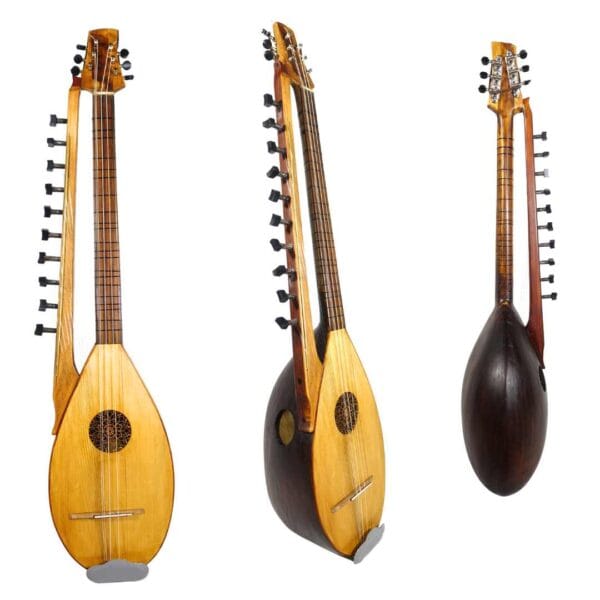
The Electro Acoustic Lavta is built for performing and recording musicians who need to amplify the instrument without losing its acoustic character. It suits fasil players working in mixed acoustic-and-amplified ensembles, world-music performers who tour and need a stage-ready instrument, and recording artists who want a clean direct signal alongside or in place of microphones. For players seeking a purely acoustic instrument at a different price tier, the Light of Tradition II and Professional Turkish Lavta II are sister models in the same lineage.
Music Genres & Traditions
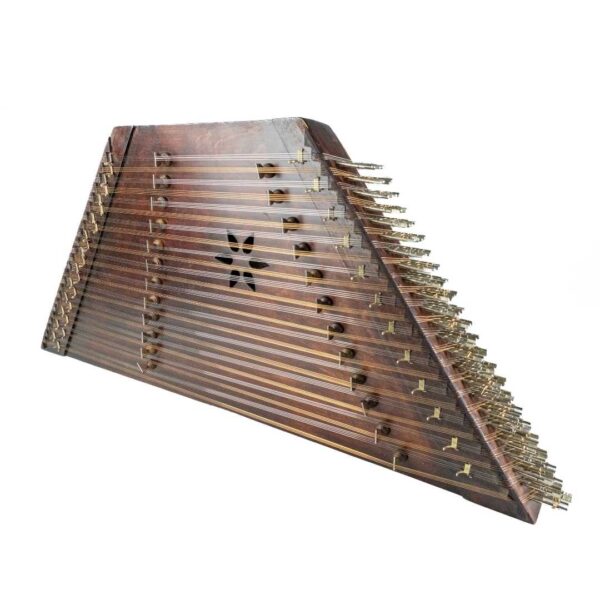
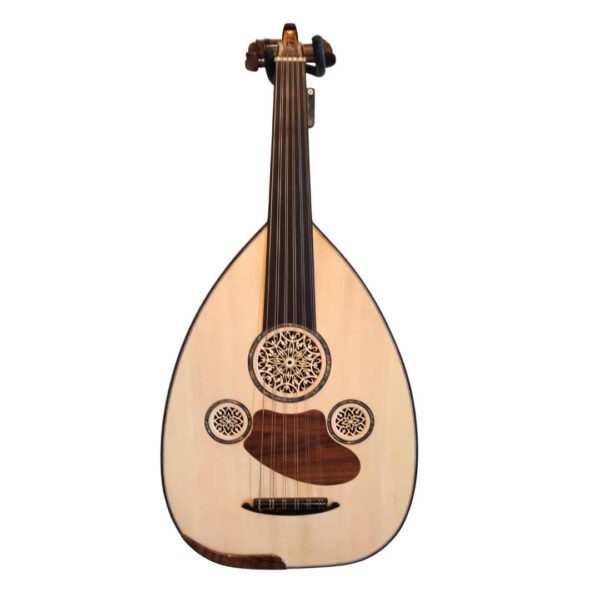
The lavta sits at the heart of Ottoman classical music, Turkish art music, Greek rebetiko, and Sephardic traditions, and the Electro Acoustic version extends that range into amplified contemporary contexts — film scoring, world-fusion projects, and modern stage productions. Its fretted neck and articulate tone make it an ideal voice for melodic work in fasil ensembles, where it traditionally paired with oud, qanun, and violin. For a broader look at the lavta’s history in Istanbul’s multi-community musical culture, the instrument’s story runs deep.
Care & Maintenance
Store your lavta in its soft case at 45–55% relative humidity. Wooden instruments respond poorly to dry winter air — a room humidifier is a worthwhile investment, particularly for instruments with electronics fitted. Wipe the body and neck with a soft dry cloth after each playing session, and avoid getting moisture near the pickup output jack. Check string condition regularly and replace strings when tone becomes dull or intonation difficult to stabilize. Inspect the pickup cable and output jack periodically — a quick test with a 1/4″ instrument cable will reveal connection issues before a performance.


Reviews
There are no reviews yet.