Description
High Quality Persian Setar by Darvish – Handmade Premium Setar with Hard Case
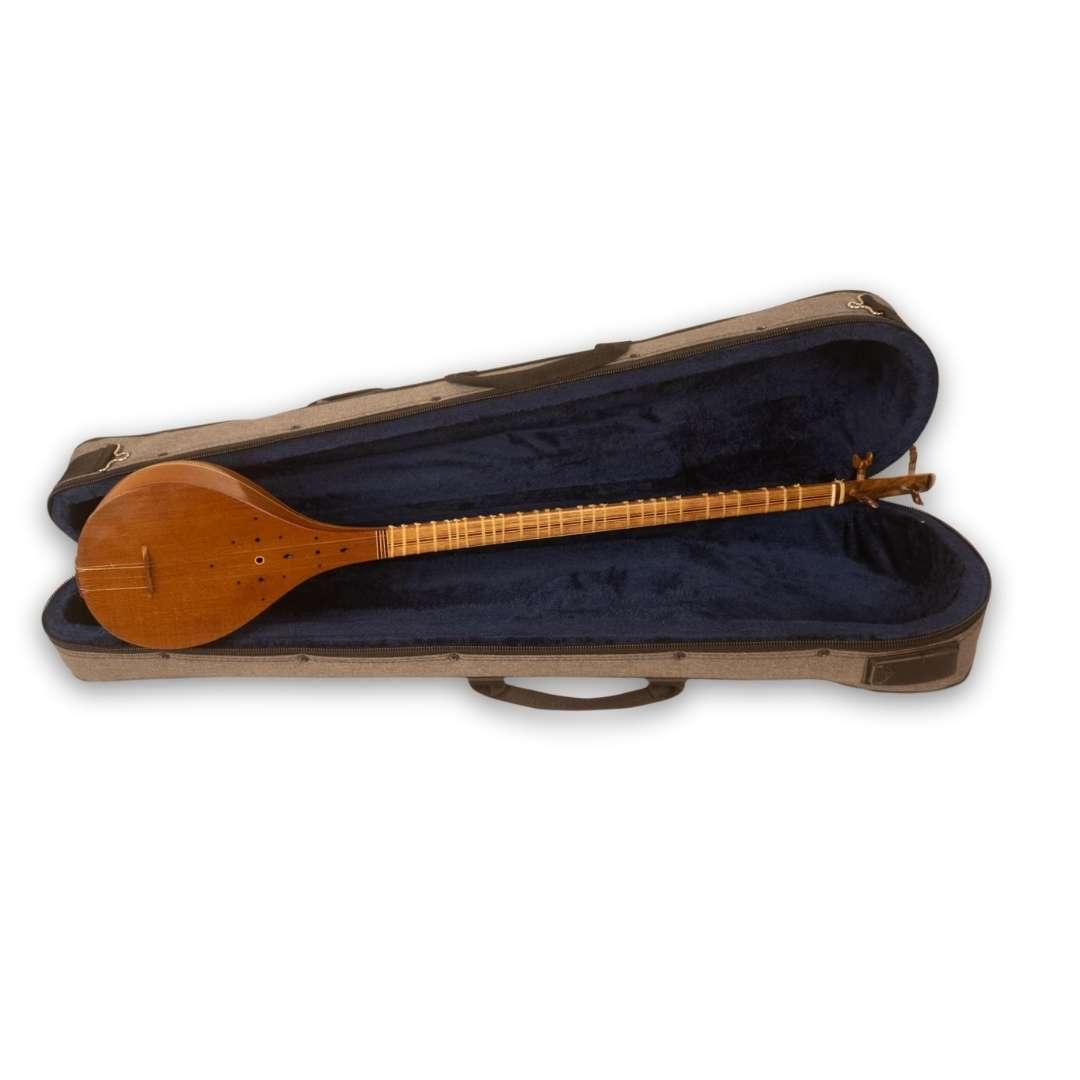
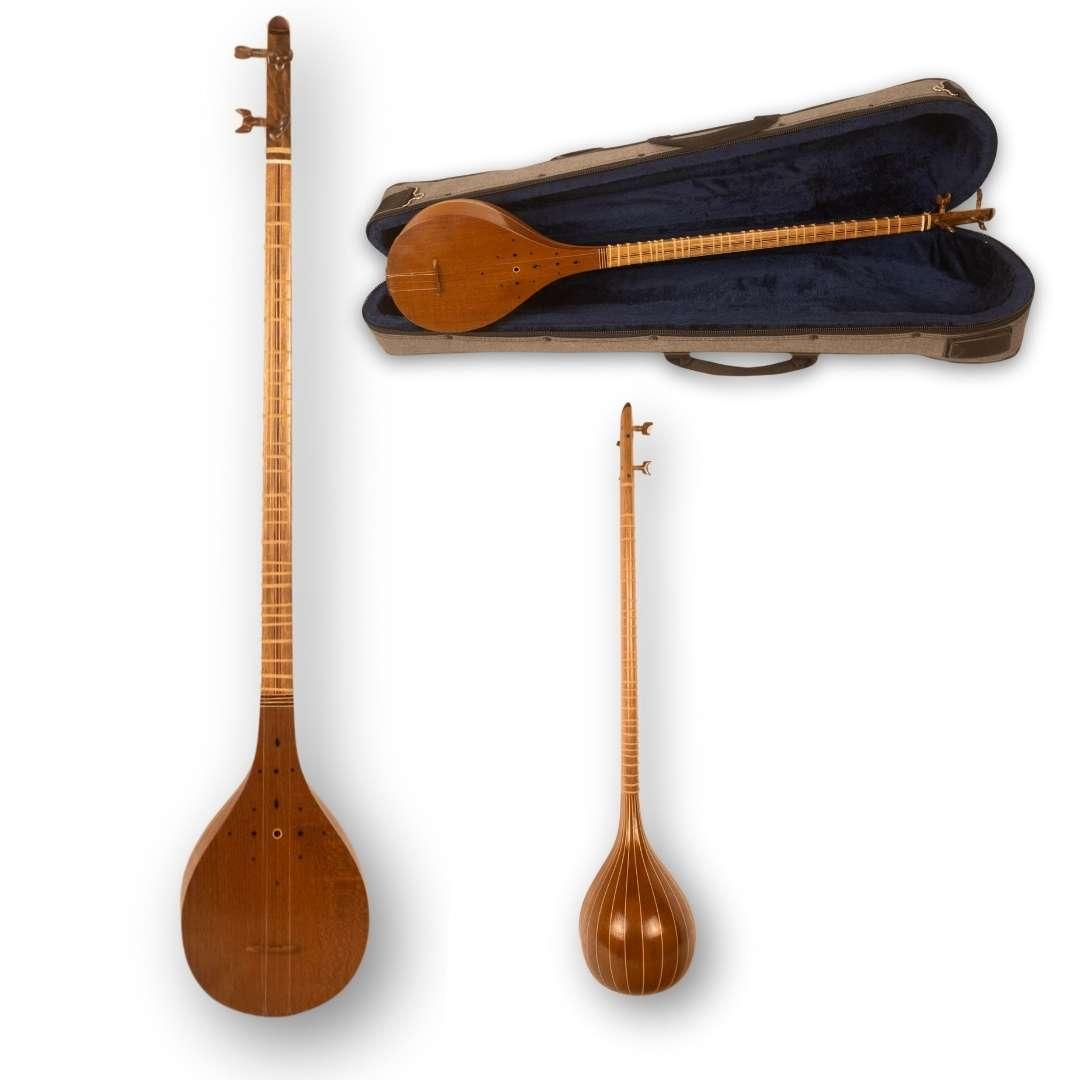
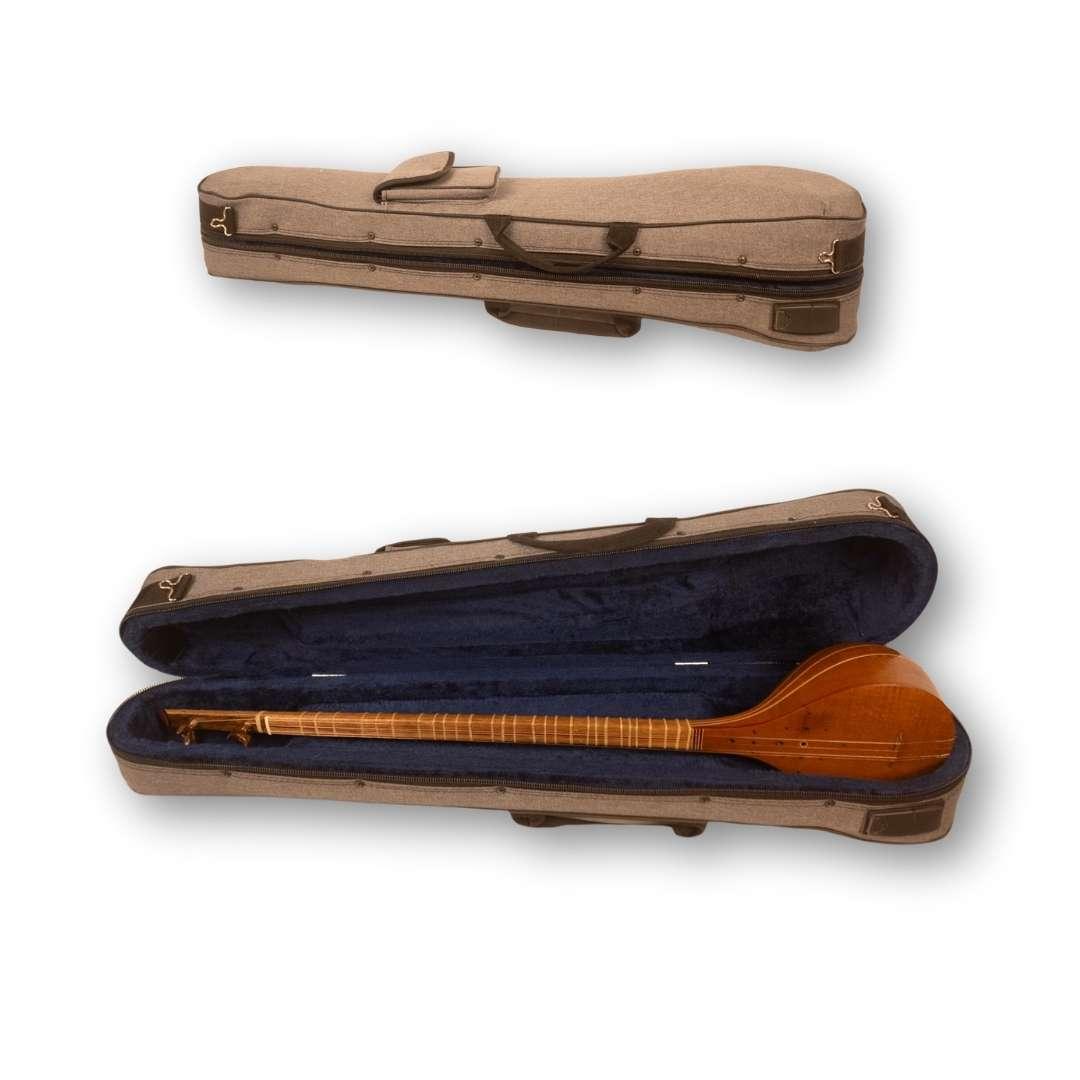
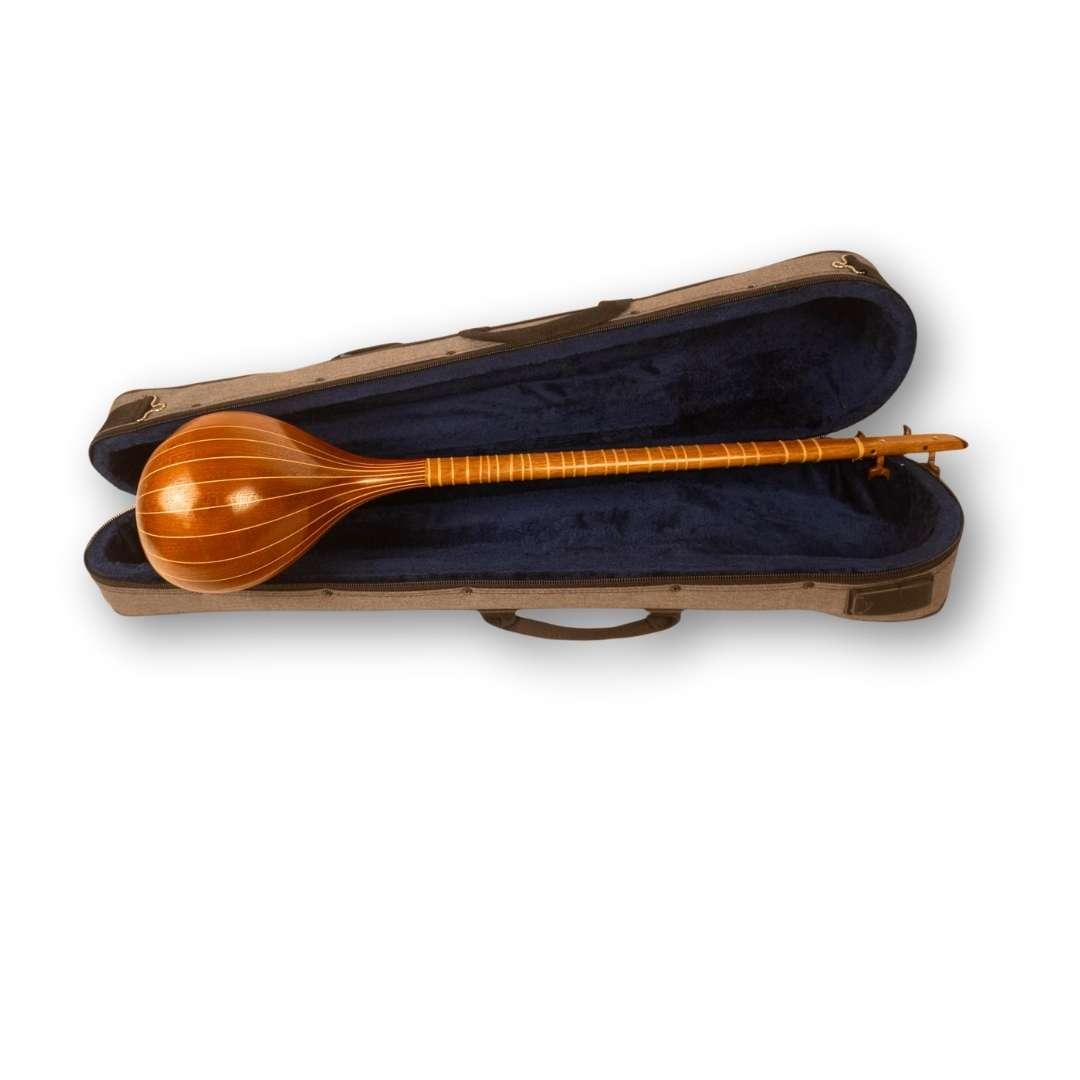
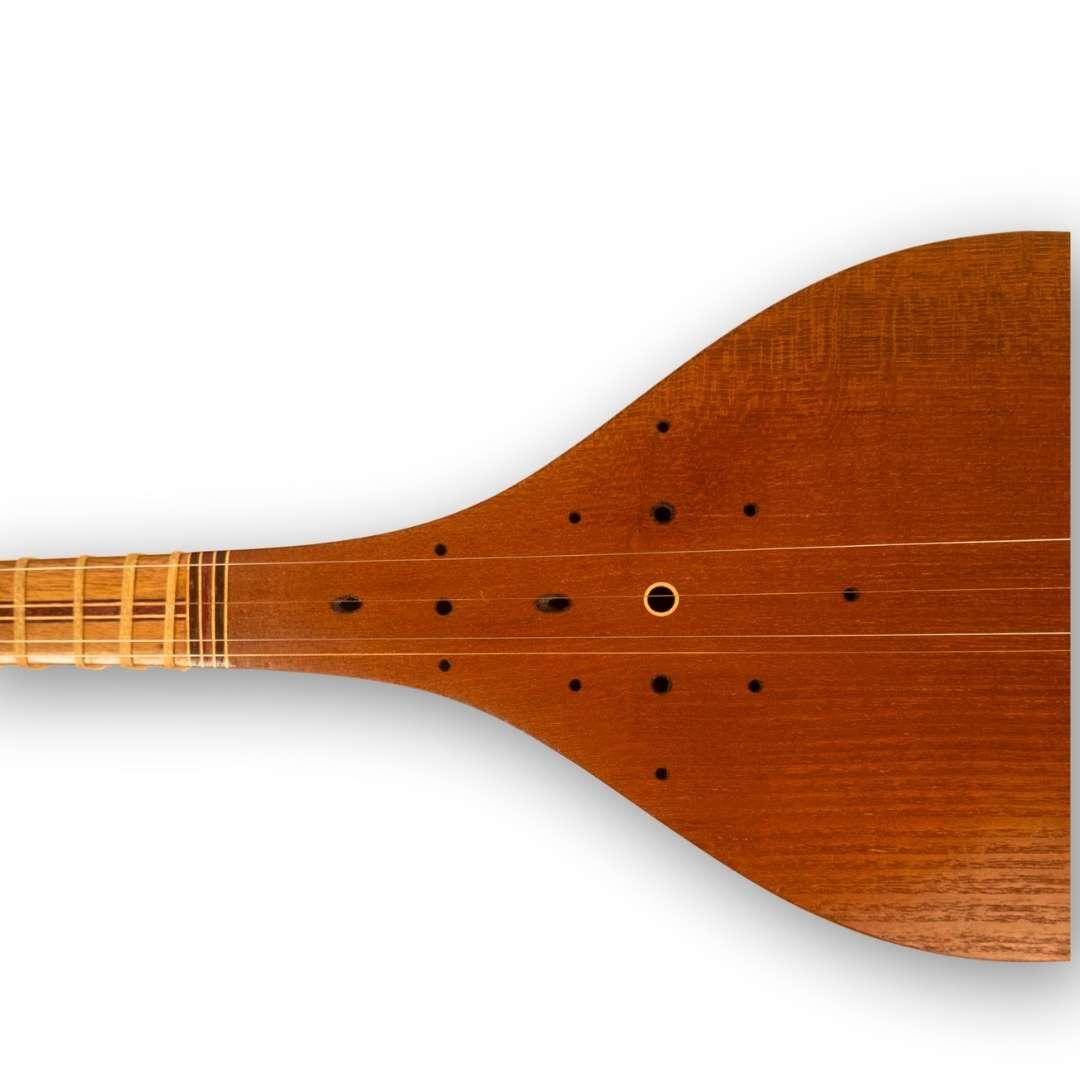
The High Quality Persian Setar by Darvish is a handcrafted, professional-grade Persian setar built for serious players, recording artists, and collectors who value authentic tone and traditional craftsmanship. Made by master Iranian luthier Darvish using carefully aged tonewoods, this setar delivers the warm, expressive voice that defines Persian classical music — from intimate solo improvisations of the radif tradition to ensemble work alongside Persian Kamancheh and other Iranian instruments. The instrument ships with a protective hard case for safe transport and long-term storage. Free Shipping & 15-day return.
Materials & Body
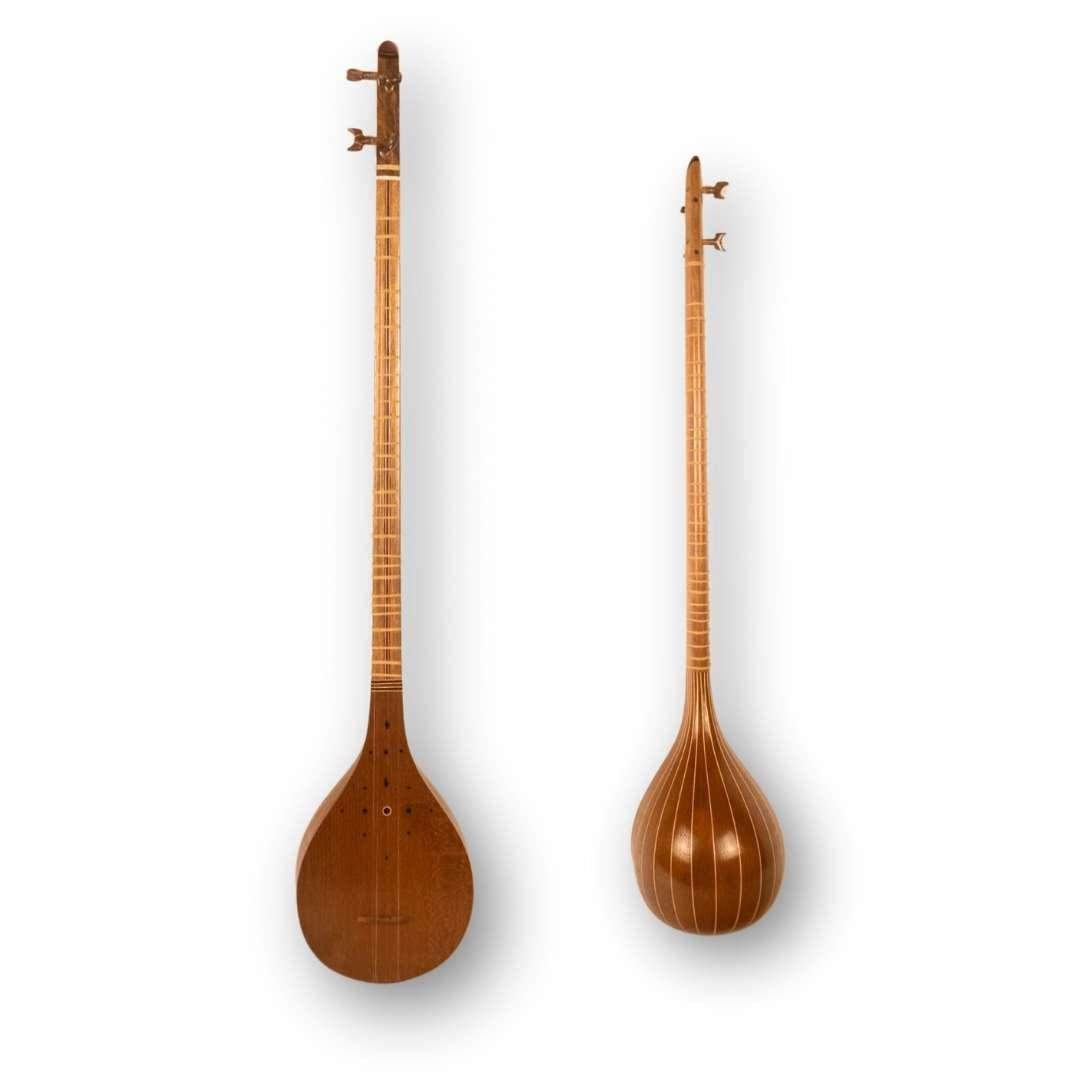
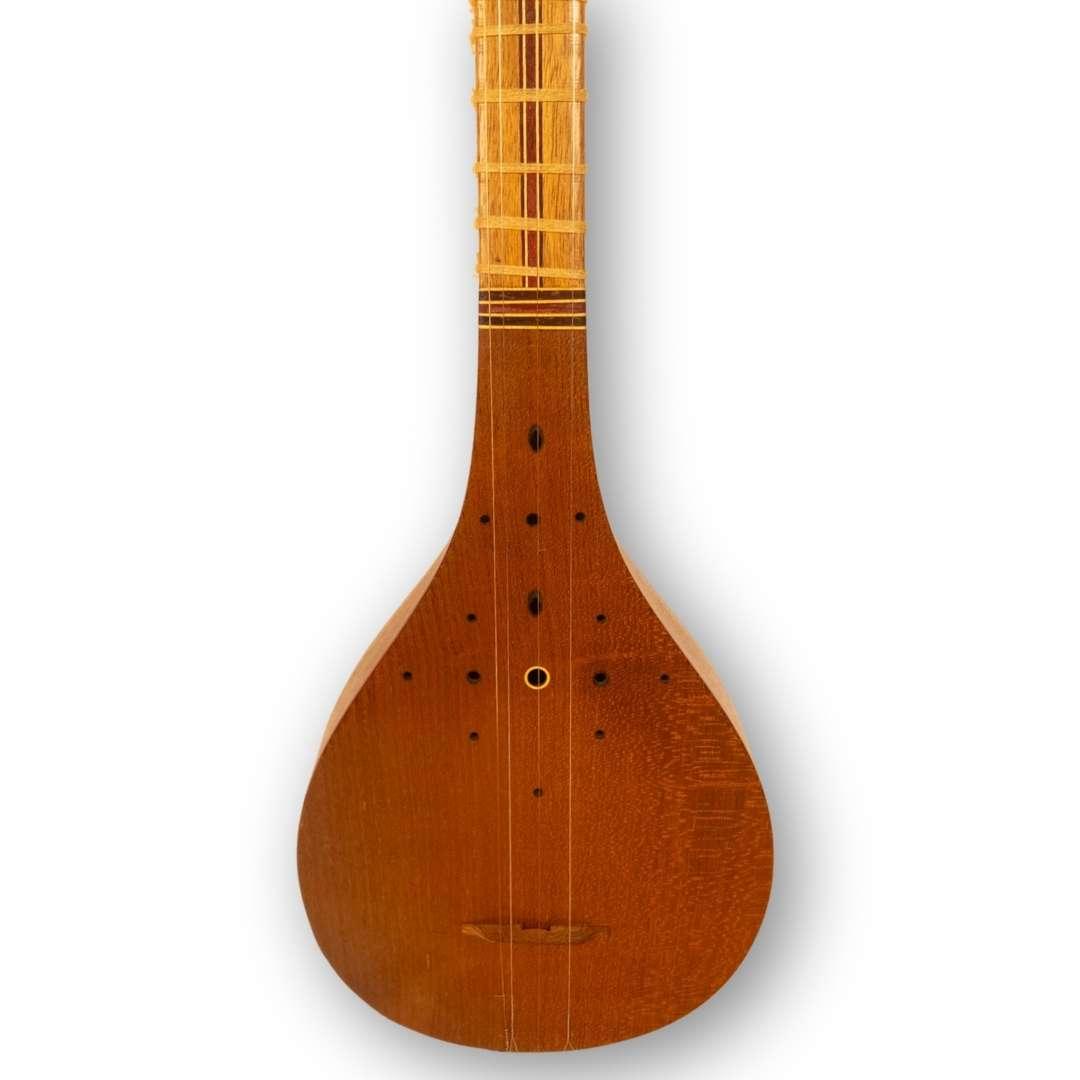
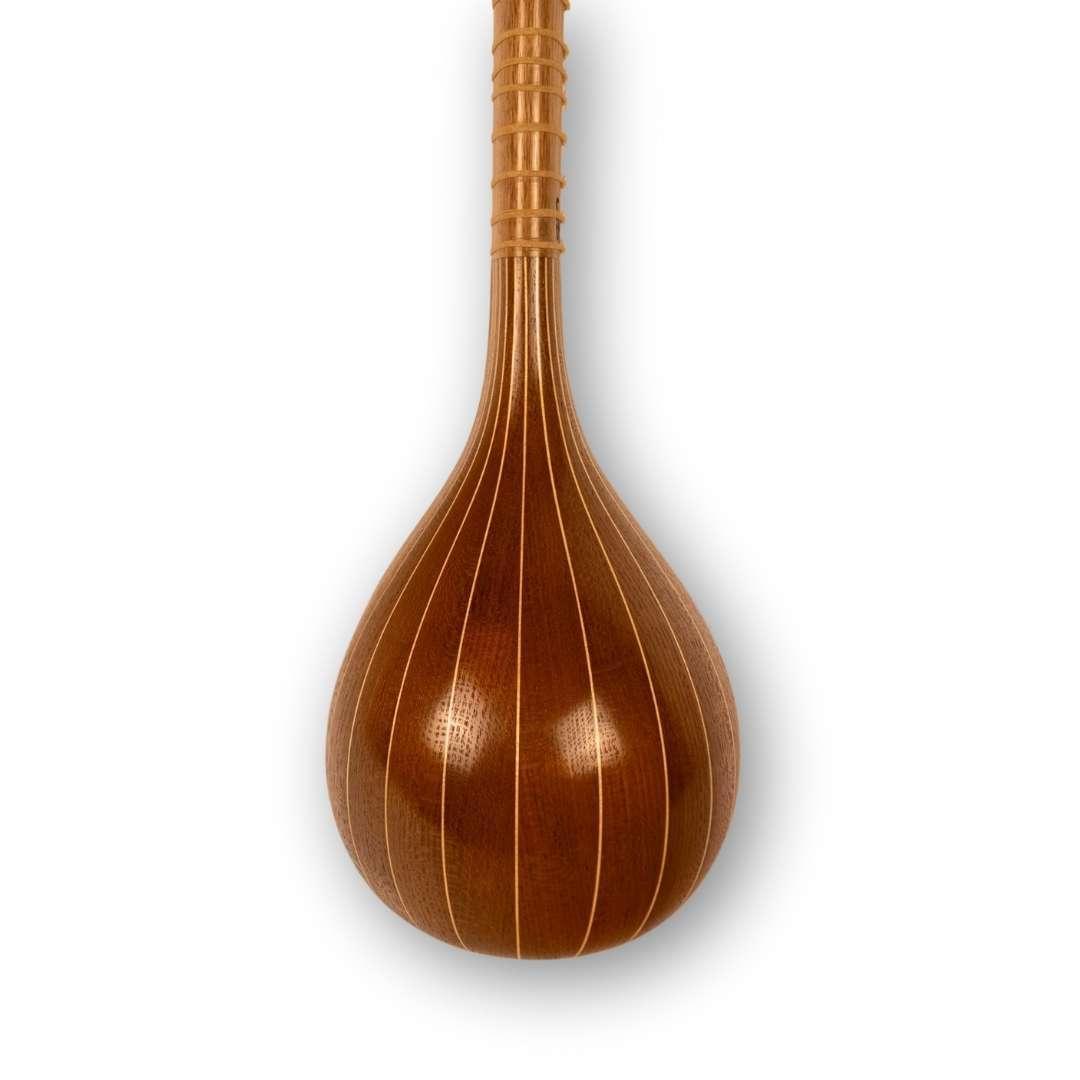
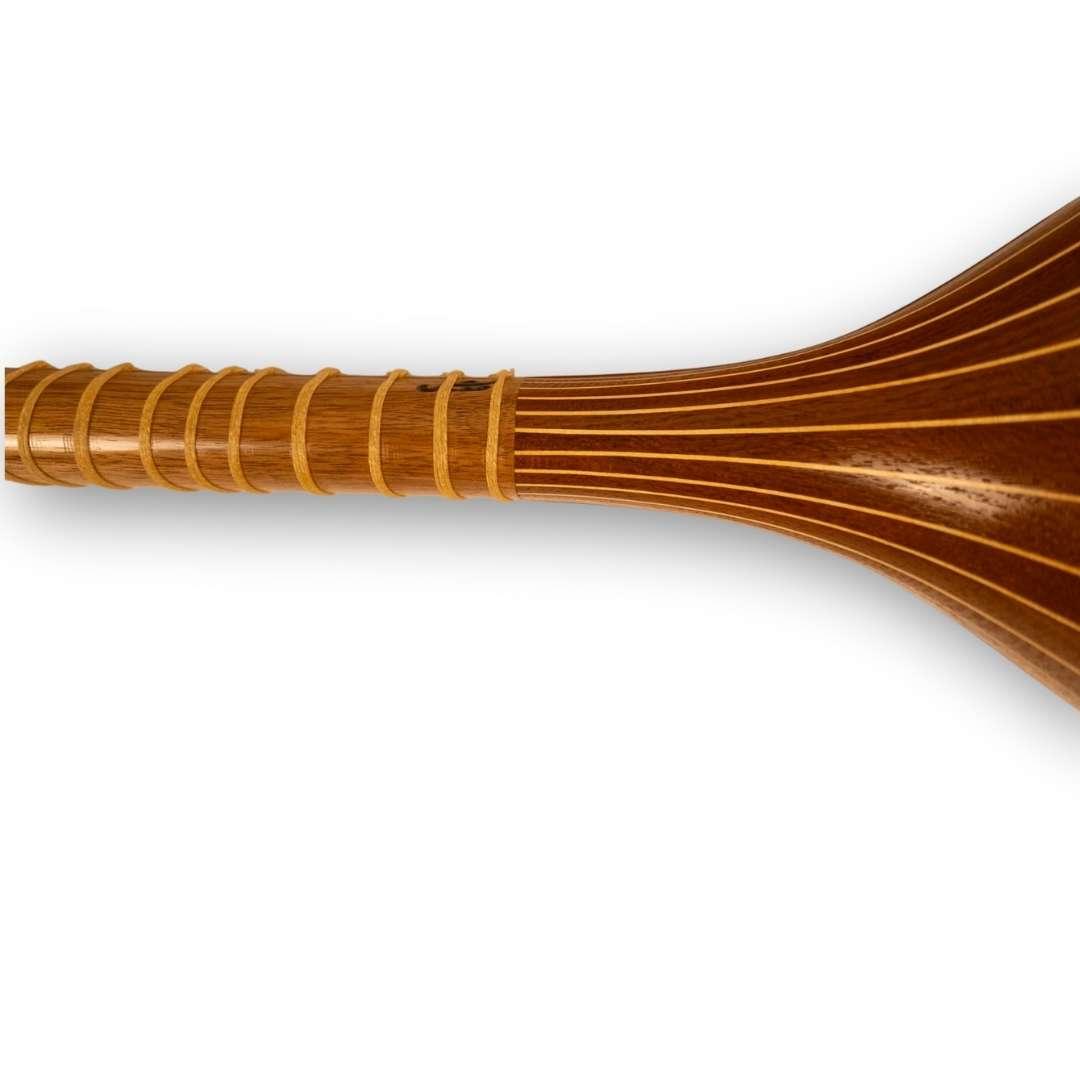
The setar’s pear-shaped bowl is built from carefully selected, aged mulberry wood staves accented with refined maple purfling — a classic combination that enhances resonance, projection, and visual depth. Rosewood binding wraps the bowl and decorates the neck transition, adding both structural protection and a luxurious finish that catches stage and studio light. The slender, long neck is crafted from aged black walnut, chosen for its dimensional stability, comfortable feel under the hand, and reliable response to frequent fret adjustments. The soundboard is a single piece of aged mulberry, the traditional Persian choice for setar tops, delivering the warm, woody character with rich overtones this instrument is celebrated for.
Strings, Frets & Playing Technique
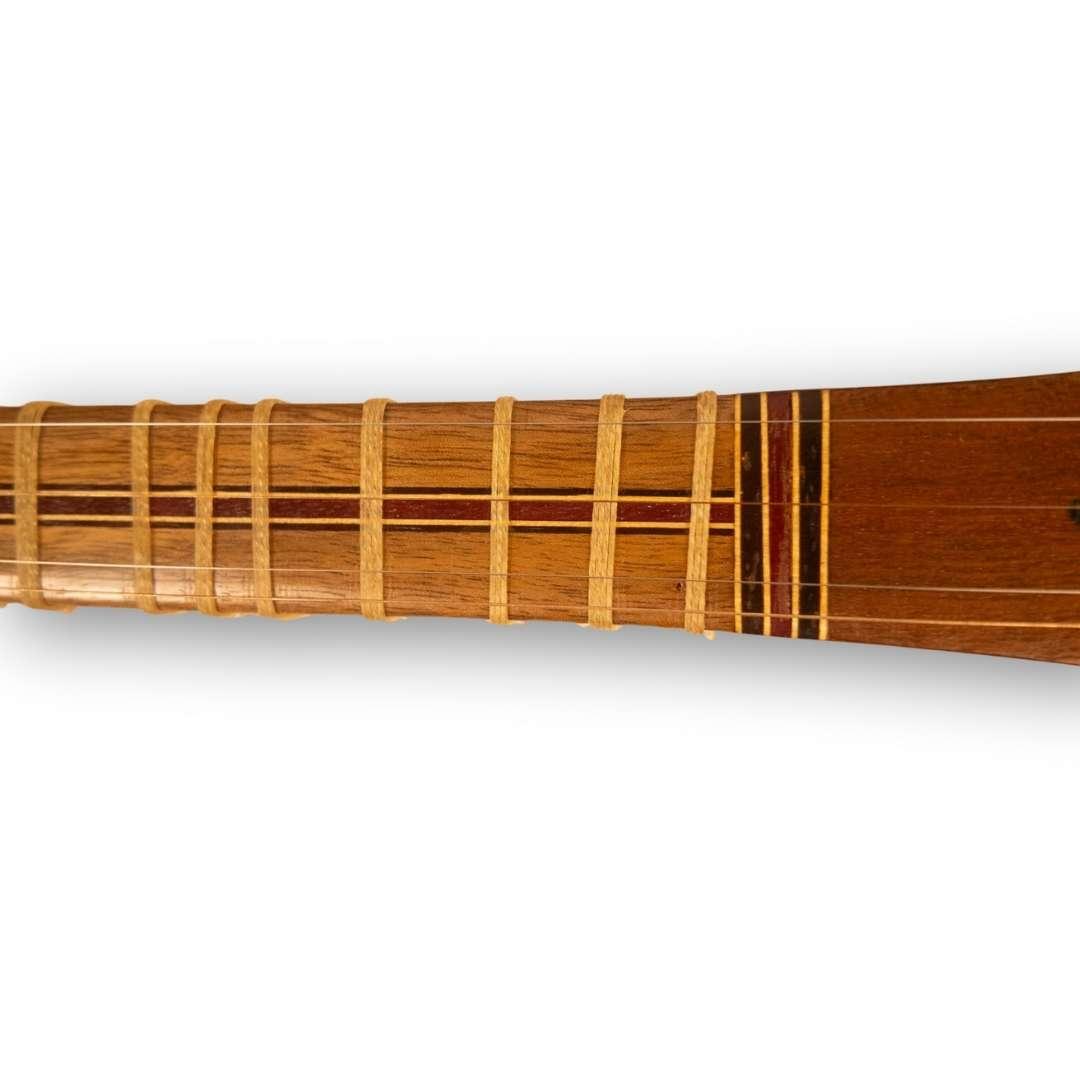
The setar carries the standard four-string configuration — two single strings and one paired course — that defines the modern Persian setar since the 19th-century four-string evolution. The most common tuning is C-G-C-C (Helmholtz notation), though Persian players regularly retune the lower strings to match the dastgah (Persian modal system) of the piece being performed. The long fingerboard carries movable gut frets, traditionally tied around the neck and adjusted by the player to produce the microtonal intervals (koron and sori — quarter-flat and quarter-sharp) essential to authentic Persian music. The instrument is played with the nail of the right index finger using the nakhon technique — a back-and-forth oscillating motion — rather than a plectrum, allowing for extraordinary control over dynamics and ornamentation.
Technical Specifications
| Specification | Details |
|---|---|
| Bowl (Body) | Aged Mulberry with Maple Purfling |
| Bowl Binding & Neck Decoration | Rosewood |
| Neck | Aged Black Walnut |
| Soundboard | Aged Mulberry |
| Number of Strings | 4 (Persian standard) |
| Common Tuning | C-G-C-C (Helmholtz) |
| Frets | Movable gut frets, microtonal |
| Playing Technique | Right index finger nail (nakhon) |
| Origin | Iran |
| Maker | Darvish |
| Included | Hard Case |
Who It’s For
This Darvish setar is an excellent choice for advanced and professional Persian setar players seeking a reliable main concert instrument, intermediate players upgrading from a beginner setar to a long-term professional setar, teachers and music schools seeking a durable high-performance teaching instrument, and collectors who appreciate authentic Iranian craftsmanship and aged tonewoods. Beginners may find the microtonal fretting and right-hand technique challenging, but the setar rewards committed study with a voice few other instruments can match.
Musical Genres & Traditions
The Persian setar is the heart of Iranian classical music. It excels in solo improvisations within the dastgah system, accompanies vocalists in the radif tradition, and is a favored instrument among Sufi musicians for its capacity to convey deep, contemplative emotion. The Darvish setar’s warm tone and balanced response also make it well-suited to contemporary fusion projects, film scoring, ambient meditation recordings, and cross-cultural collaborations with related instruments from the string instruments family.
Care & Maintenance
To preserve the setar’s voice and finish, store the instrument in its hard case when not in use and keep it in a room with stable humidity (40-55%) and moderate temperature. Avoid direct sunlight, radiators, and rapid climate changes that can stress the mulberry soundboard. Wipe the strings and body with a soft, dry cloth after each session. The gut frets are designed to be repositioned by the player — gentle adjustment is normal and part of authentic Persian setar practice. Replace strings as they show wear or fail to hold pitch reliably.