DEENESFRIT Track order Free shipping in Europe
— Collection

Sound Healing Instruments

Sound healing instruments are tuned acoustic tools chosen for sustained, resonant tones — the kind of sound used in meditation, sound baths, yoga, and therapeutic practice, where a clear and steady note matters more than speed or volume. Tapadum’s sound healing instruments collection brings together steel tongue drums, handpans, and the Persian santur, each selected for clear pitch, stable tuning, and a tone that holds in a quiet room.

Choosing a Sound Healing Instrument — and What They Cost

The three families answer different needs and sit at different price points:

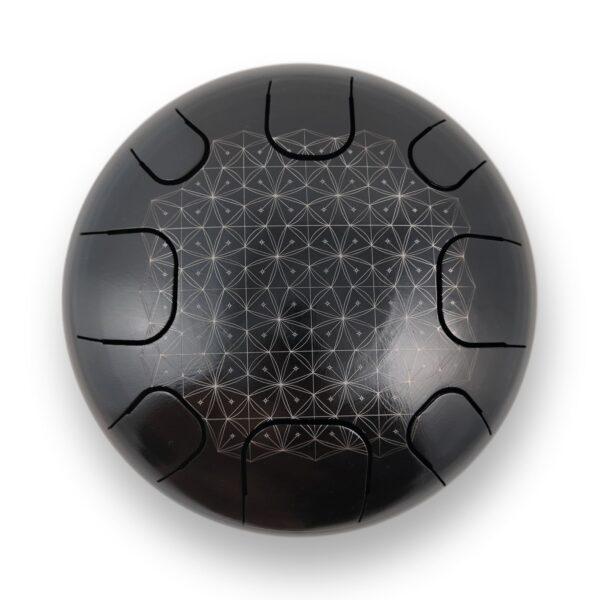
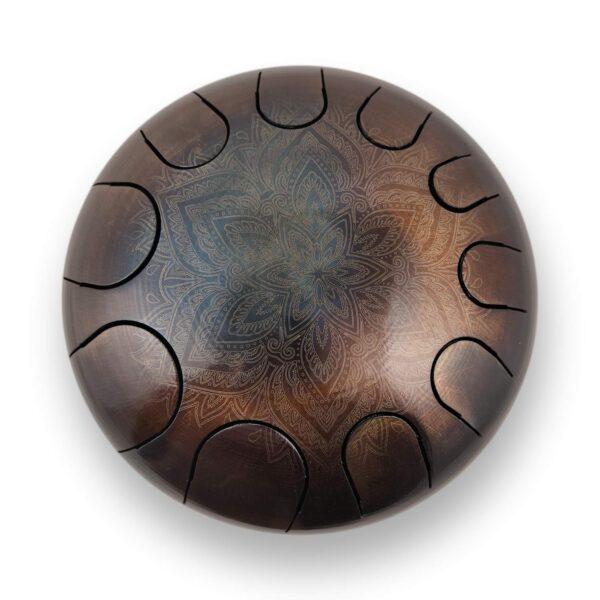
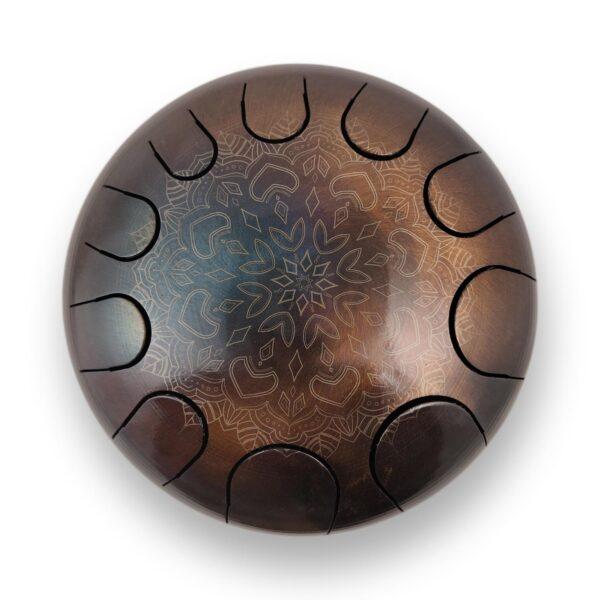
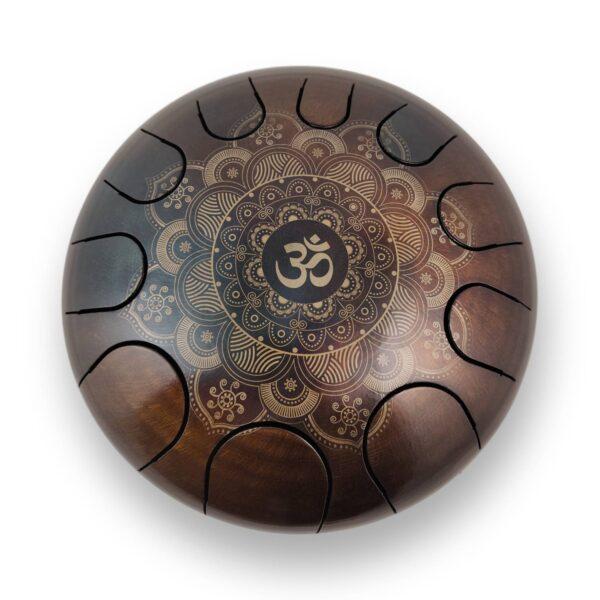
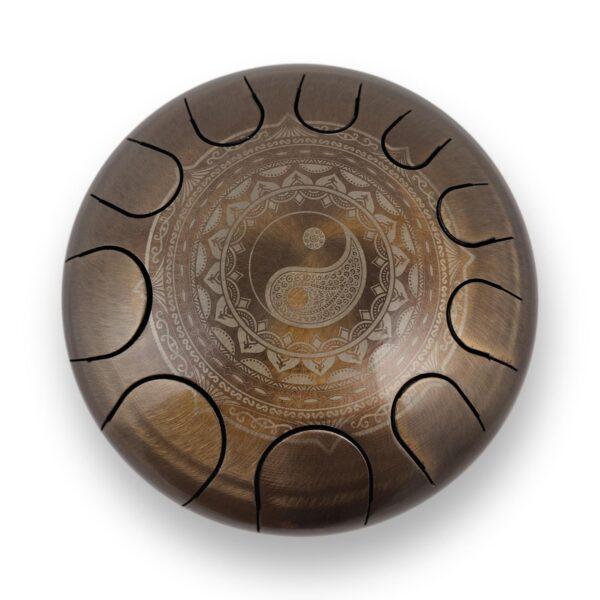
  • Steel tongue drum (€140–€150) — the easiest starting point. Every drum in our range is tuned to D Kurd, the gentle minor scale at the heart of the handpan world, so every note sounds in tune with no technique required. Eight-note models are €140 and ten-note models €150, in a wide choice of engraved and coloured finishes.
  • Handpan (currently from about €400 to €1,500) — a hand-shaped steel sound-sculpture with concave tone fields tuned around a central note. More expressive than a tongue drum, it rewards practice. Our range covers 9, 12, and 15 notes in D Kurd and D Hicaz, from the nitrided, titanium, and stainless Arsha models through Melodinng, Harmony, and Tapadum Pro.
  • Santur (currently about €750–€1,500) — the Persian hammered dulcimer, struck with mezrab, light wooden mallets held between the fingers. Every santur in this collection is built in our Tapadum Strings & Percussion Workshop with mandal levers, so you can change key without retuning each course by hand.

If you are buying a first instrument for meditation or sound baths, a steel tongue drum is the most forgiving choice; if you want a melodic, evolving voice and are ready to practise, a handpan is the natural step up. The santur is for players who want to learn a string instrument with a long classical tradition.

These instruments are built from materials chosen for how they resonate: tempered steel gives tongue drums and handpans their long, ringing sustain, while the santur’s struck string courses ring over one another in a layered, shimmering tone. Many players combine a steel instrument with a santur for a fuller palette in group sessions.

Sound healing instruments suit sound therapists, yoga and meditation teachers, musicians, and anyone who wants a well-made resonant instrument to play at home. Every instrument is tuned, checked, and inspected at our Brisighella, Italy showroom before dispatch. Worldwide shipping & 15-day return. Browse the full range below, compare tunings and sizes, and reach out if you’d like help choosing.

Frequently Asked Questions

What are sound healing instruments?
Sound healing instruments are acoustic instruments chosen for sustained, resonant tones rather than melody or rhythm alone. The wider family includes handpans, steel tongue drums, santurs, gongs, singing bowls, and tuning forks; Tapadum currently offers steel tongue drums, handpans, and the Persian santur. Players use them in meditation, sound baths, yoga, and therapeutic sessions, where a clear, stable tone matters more than volume or speed.
Which sound healing instrument is best for beginners?
For most beginners, a steel tongue drum is the easiest starting point — ours are all tuned to D Kurd, so every note sounds in tune and no technique is required to get a pleasant result. Handpans are also approachable but cost more and reward practice. The santur suits players who want to learn a string instrument and are ready to take lessons, since mezrab technique takes time to develop.
What is the difference between 432 Hz and 440 Hz tuning?
440 Hz is the modern international concert-pitch standard, so a 440 Hz instrument plays in tune with most other instruments and recordings. 432 Hz is a slightly lower reference that some players prefer for solo meditation and sound work, describing it as warmer or calmer. We do not currently list 432 Hz instruments: where a handpan page in our range states its reference pitch, it is 440 Hz.
What should I look for when choosing a sound healing instrument?
Four factors determine quality: tuning accuracy and stability (the note holds its pitch over time and temperature); material and resonance (tempered steel for handpans and tongue drums, evenly set string courses for the santur); sustain and tonal clarity (a clean, long-decaying tone without unwanted overtones); and build and finish (even hammering, sealed surfaces, no rattles). At Tapadum, we check all four before an instrument joins the collection.
How do I care for a sound healing instrument?
Steel instruments such as handpans and tongue drums need protection from moisture to prevent rust — wipe them down after playing and store them in a padded case. A santur should be kept away from damp and sudden temperature changes, which pull its strings out of tune, and it needs regular retuning. As a rule, store any of these instruments at stable room temperature, away from direct sun and damp.
How much does a sound healing instrument cost?
Prices depend on the instrument family. A steel tongue drum — the most popular starting point — is €140 for an eight-note model and €150 for a ten-note, in a wide range of finishes. Handpans currently start at about €400 for a 9-note D Kurd Arsha model and rise to about €1,500 for a 15-note Tapadum Pro. Santurs currently run from about €750 to €1,500. Every instrument is tuned and checked before it joins the collection.
Where can I buy authentic sound healing instruments?

Authentic, tuned sound healing instruments are available directly from Tapadum. Each tongue drum, handpan, and santur is checked for tuning accuracy, sustain, and finish, and inspected at our Brisighella, Italy showroom before dispatch. You can order online with worldwide shipping and a 15-day return, and our team will help you match the instrument, scale, and size to your practice if you're unsure.
Sound Healing Instruments

Showing 1–16 of 40 resultsSorted by price: low to high