Description
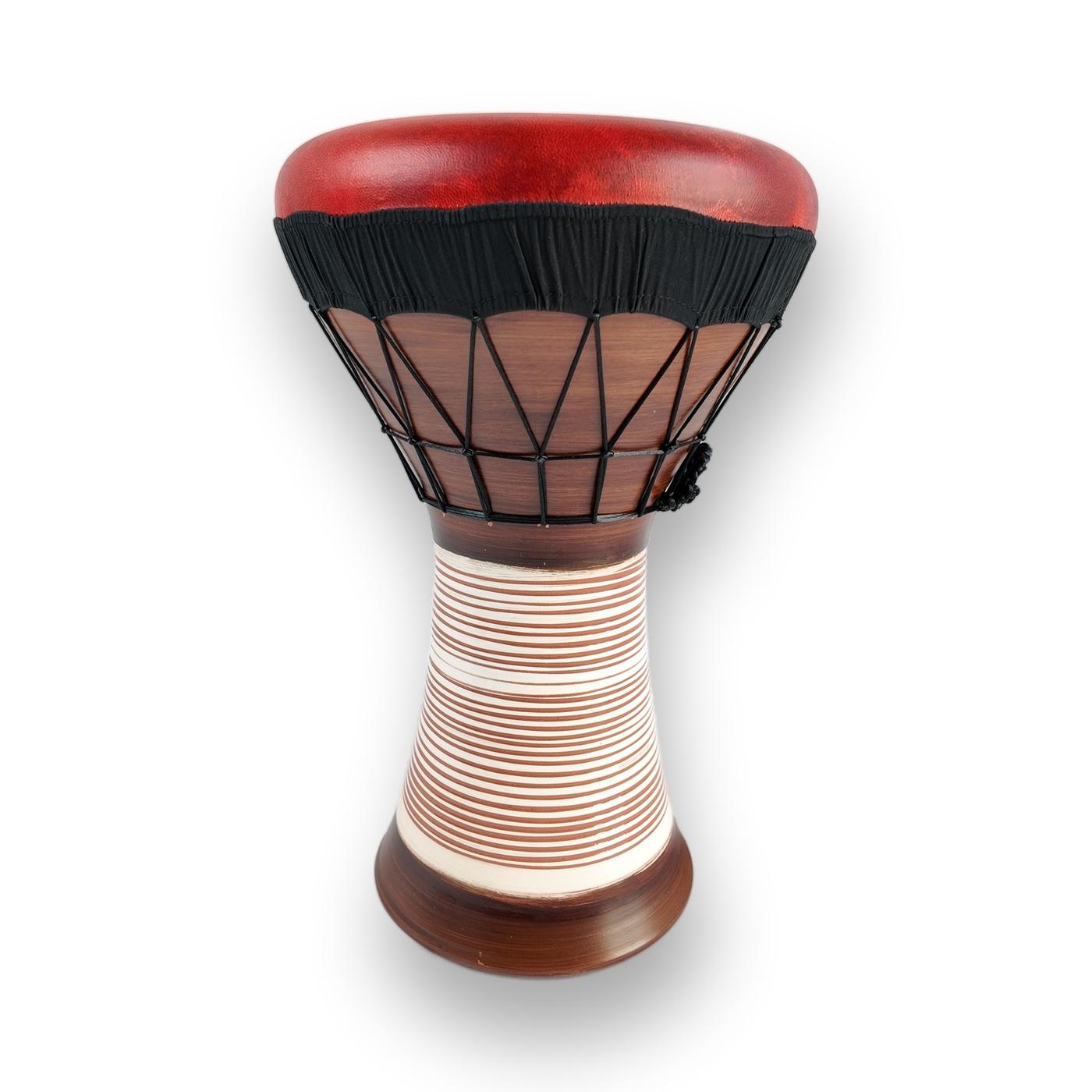
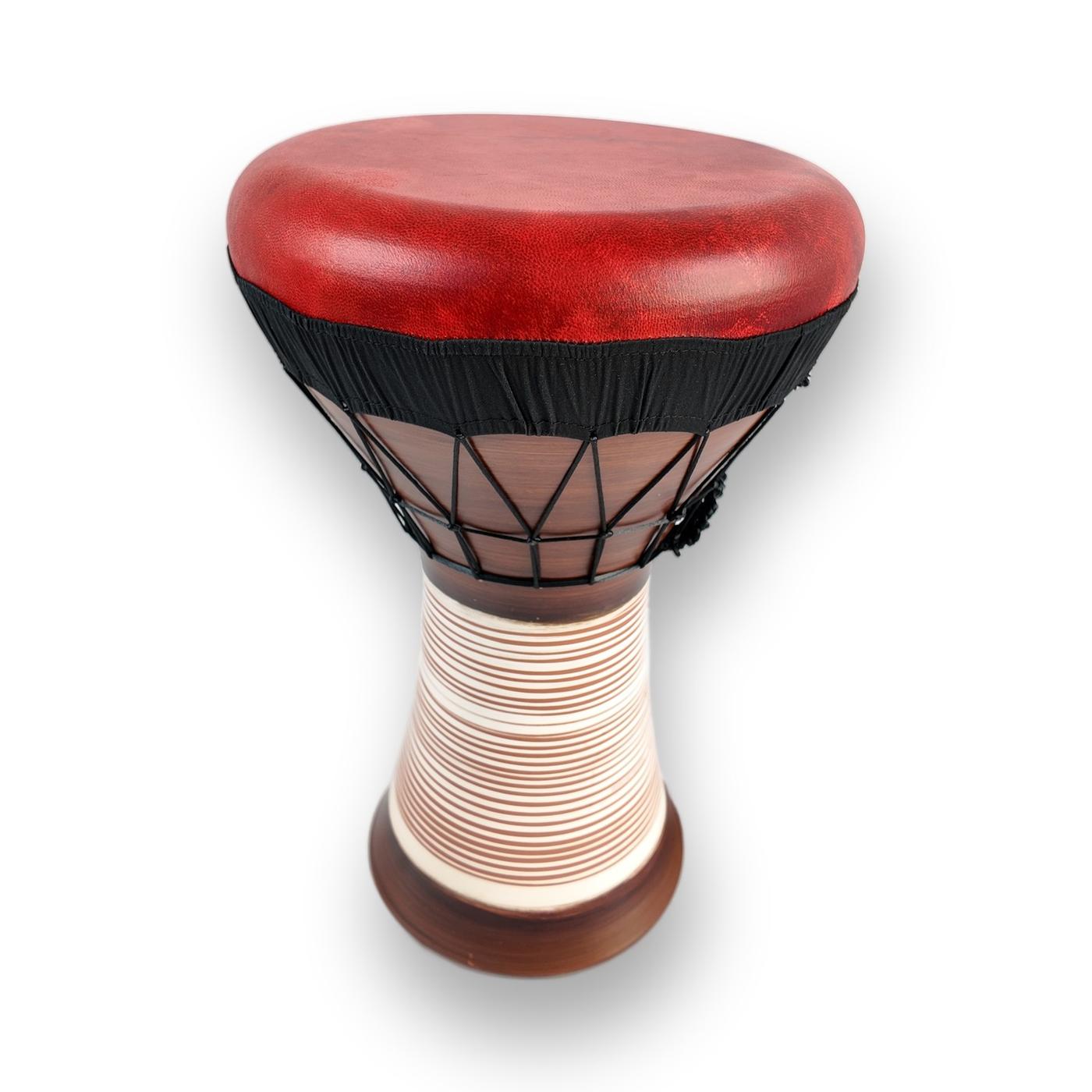
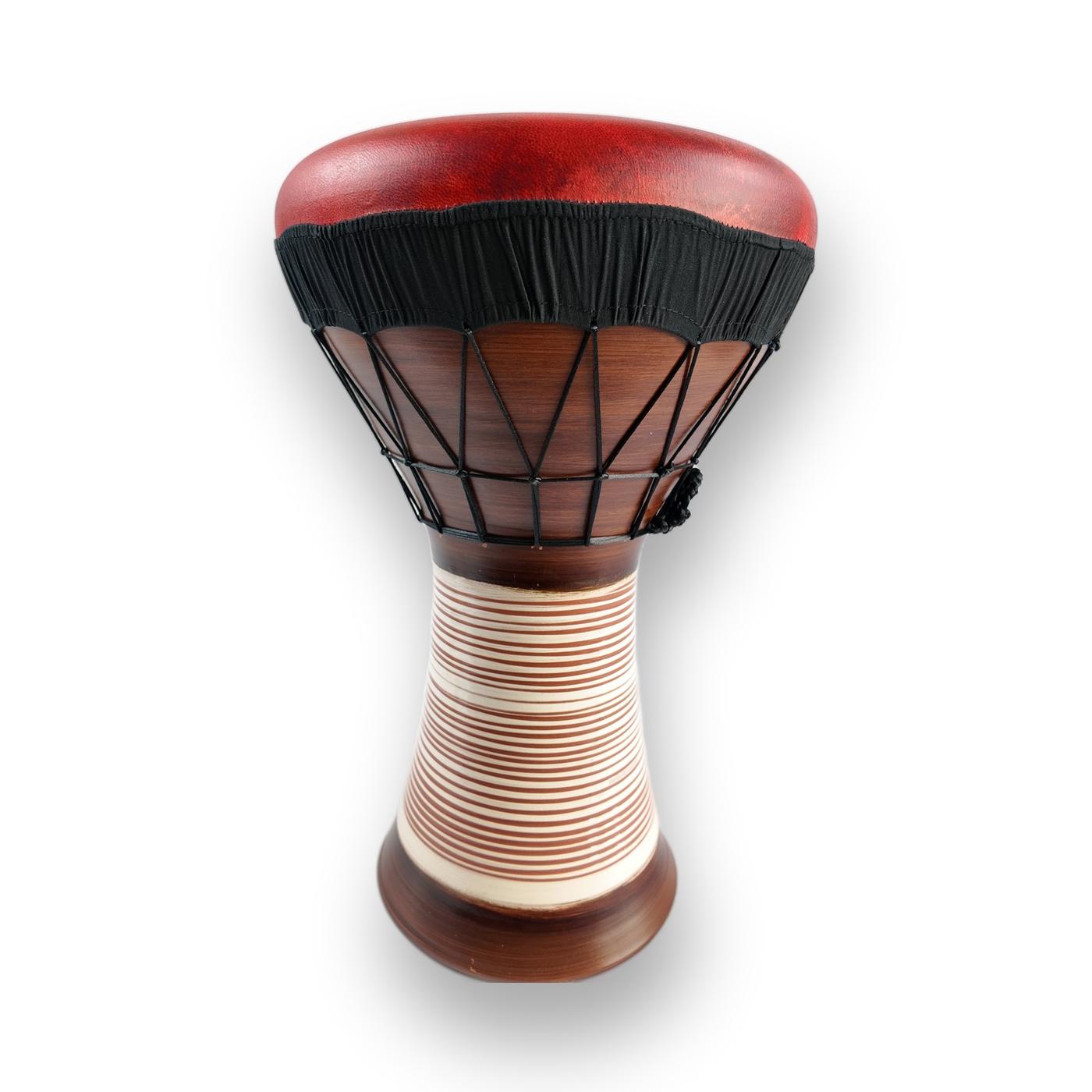
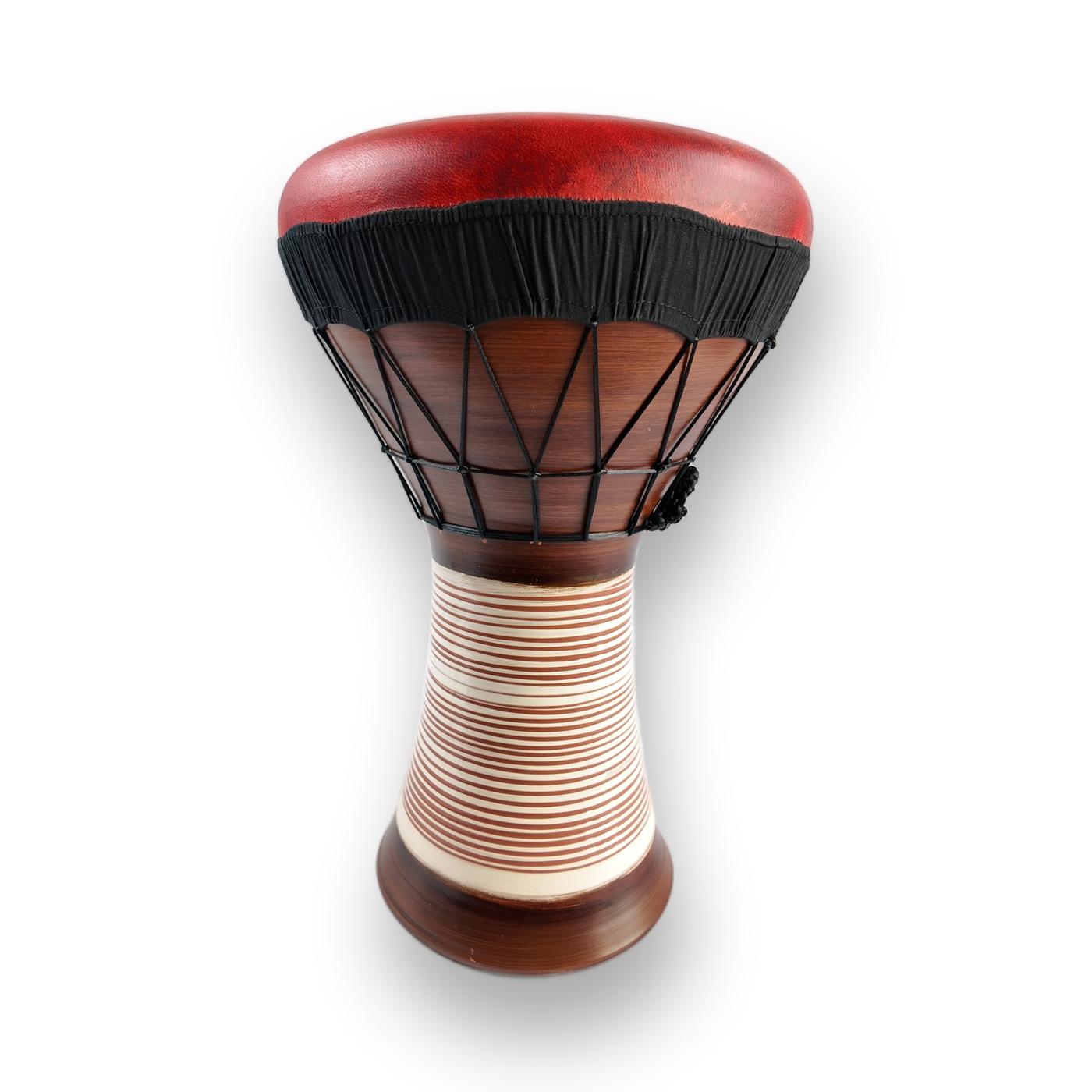
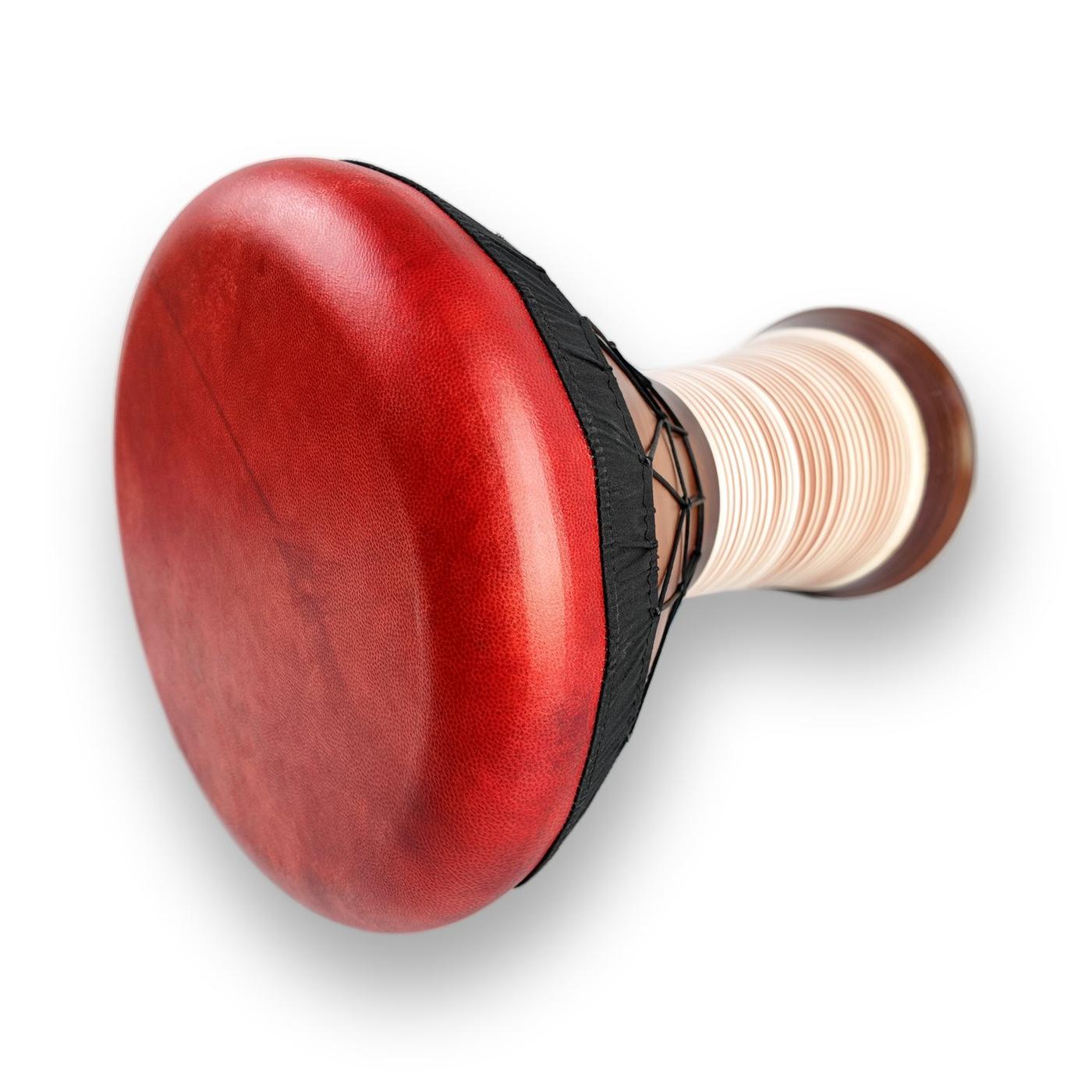
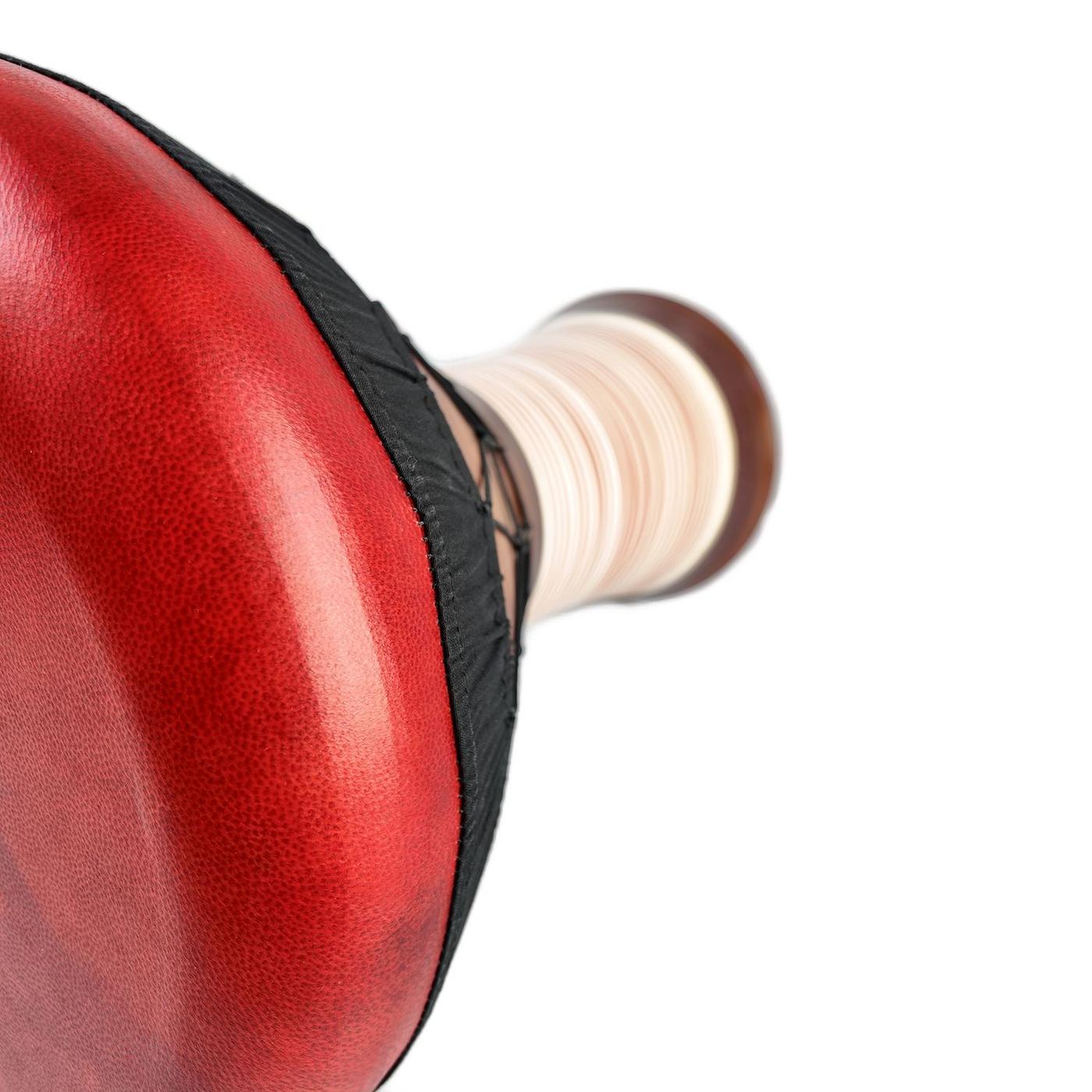
The clay doumbek — the goblet drum known across the Arab world as the darbuka — is built here as a solo instrument with a striking red goatskin head and a ringed ivory-and-terracotta clay body. It brings the bright, articulate voice of the solo goblet drum together with real stage presence, hand-shaped at Tapadum’s İzmir workshop. Where the deep bass Dohola anchors an ensemble, this doumbek carries the lead line.
Red Goatskin Head & Tuning Light System
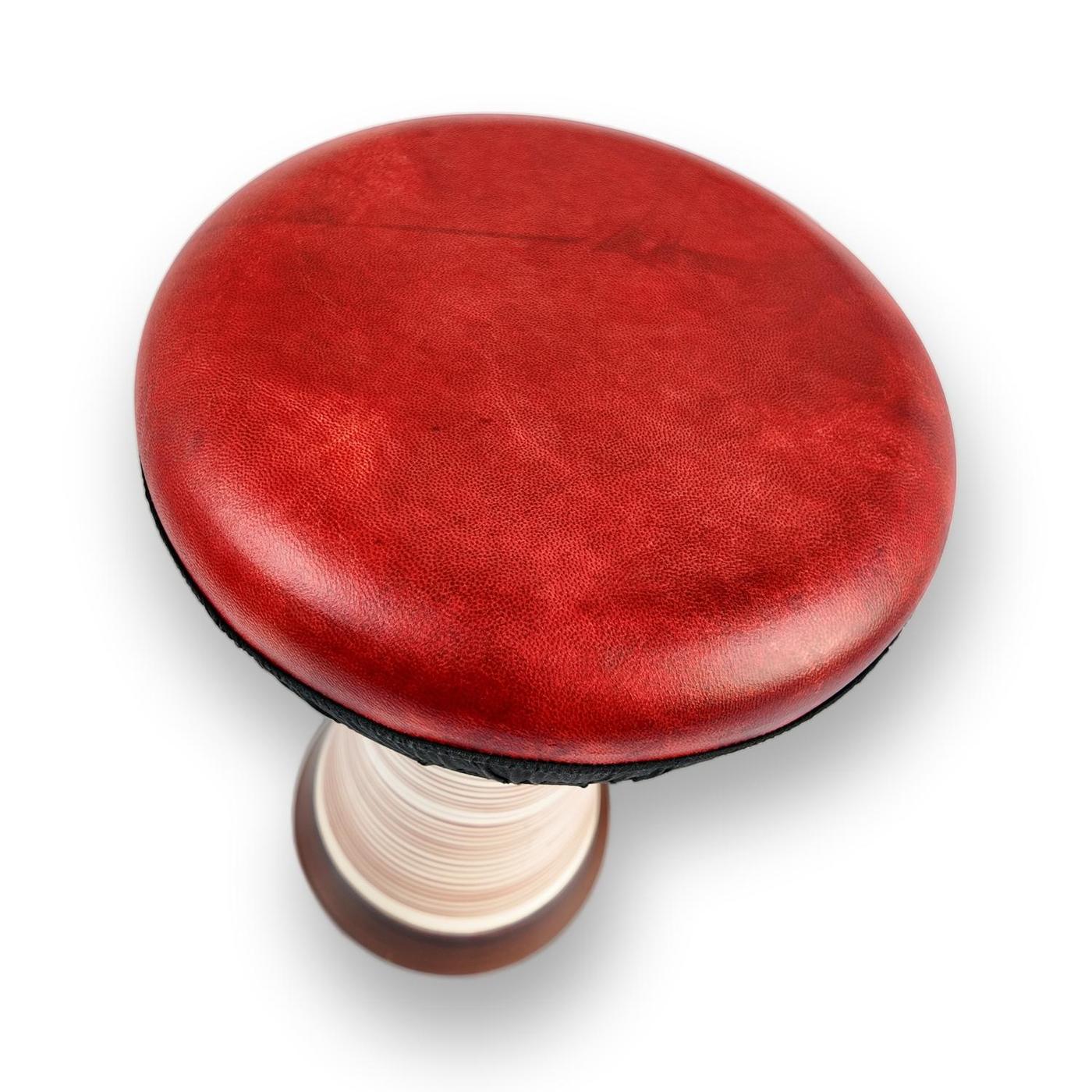
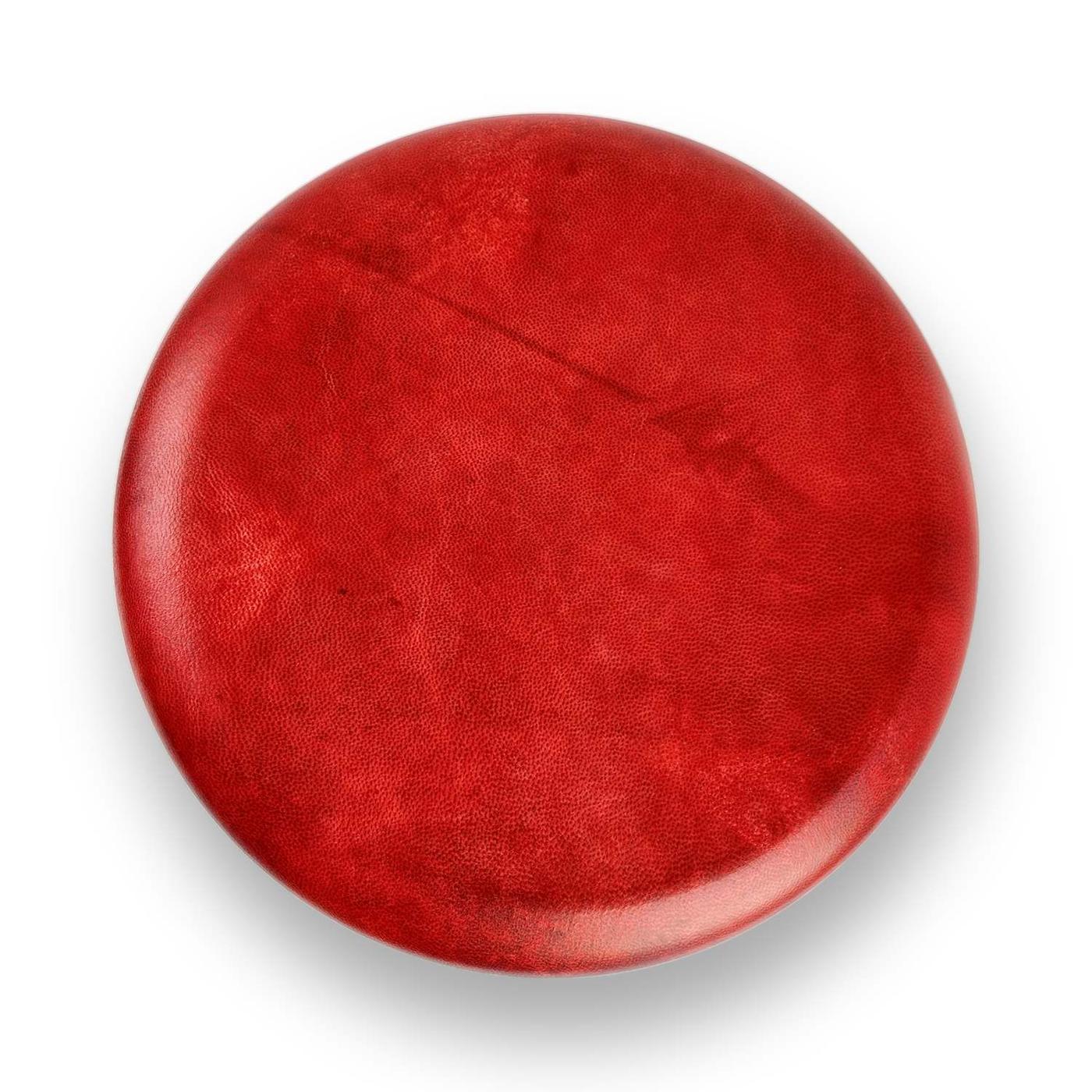
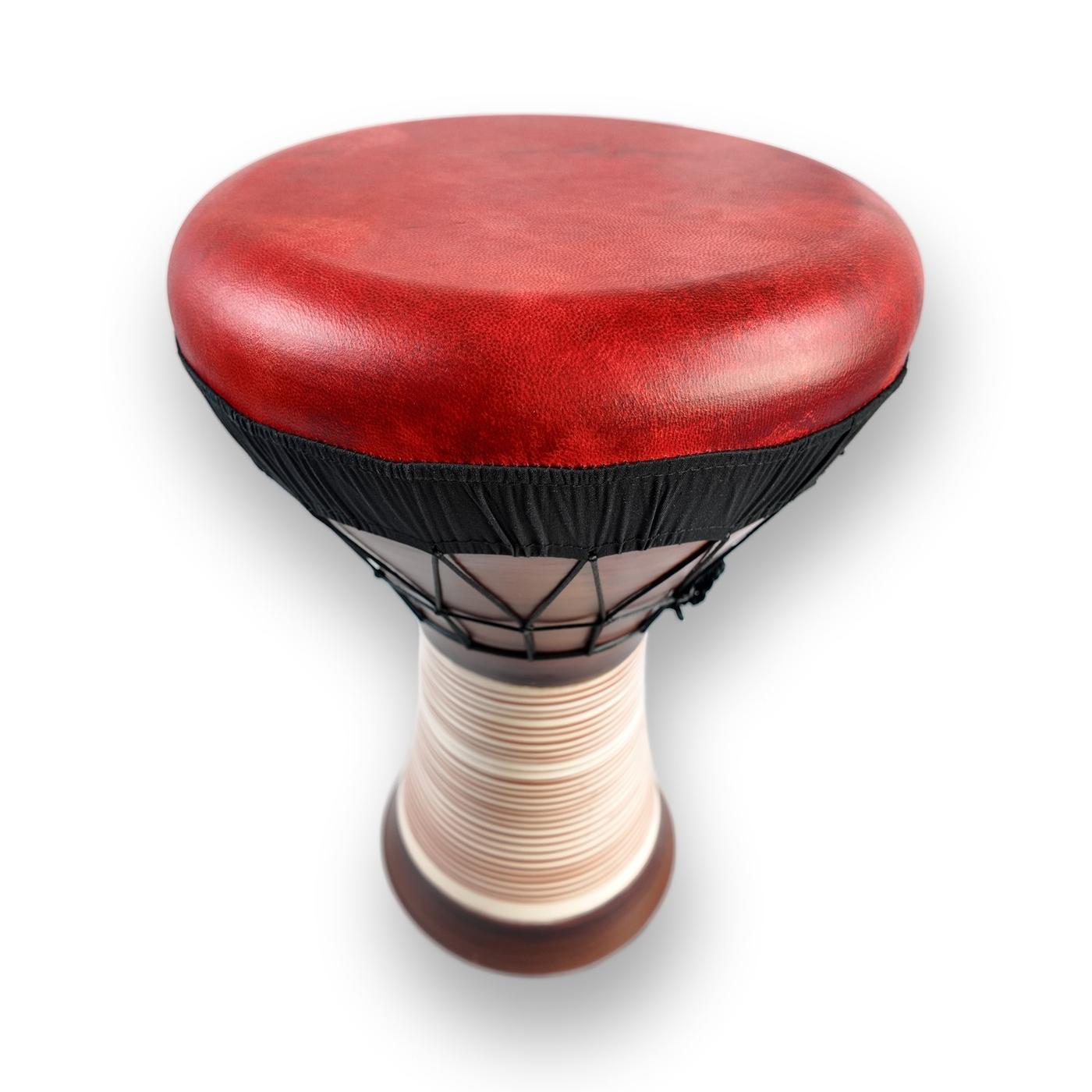
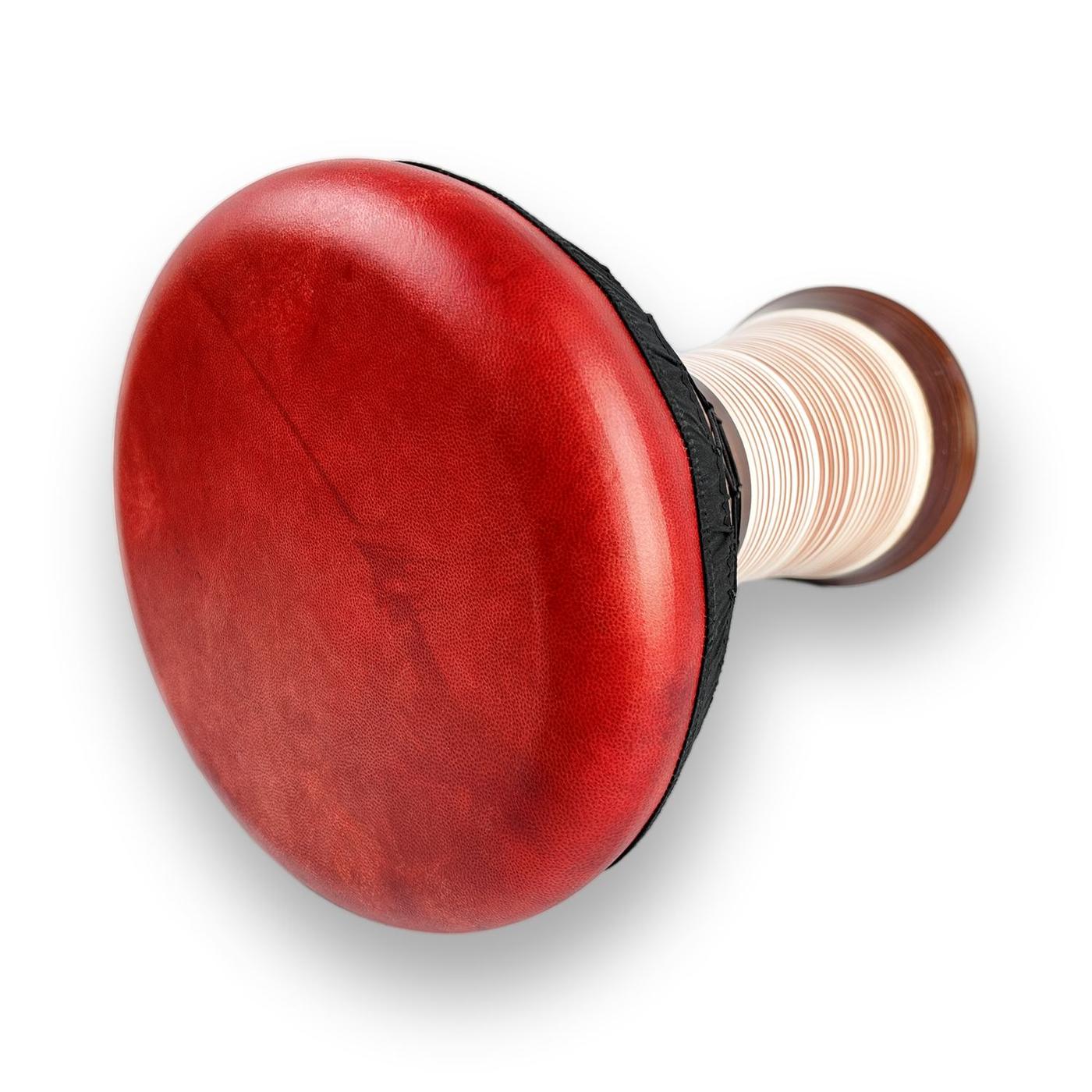
The head is a natural goatskin dyed a deep red — the colour is purely visual; the membrane is the same responsive natural skin that gives a doumbek its expressive range. Struck at the rim it gives a sharp tek; struck at the centre, a warm doum; the off-hand adds the subtle ka. Because natural skin shifts with humidity, the drum carries Tapadum’s integrated Tuning Light System — an internal, dimmer-controlled lamp that gently warms the head to hold pitch through practice and performance, without any external heat source.
Ringed Clay Body
The 30.5 cm body is hand-shaped from fired clay and finished with a distinctive ringed pattern — bands of ivory and warm terracotta wrapping the waist, framed by a deeper brown neck and flared base. Beyond its looks, the clay shell is what shapes the tone: its density rounds the attack and enriches the low-mids, giving the traditional Egyptian voice that cast aluminum cannot reproduce. The goblet profile — narrow waist, wide base — focuses the air column into a clear, projecting sound.
Technical Specifications
| Type | Solo Clay Darbuka / Doumbek |
| Body material | High-fired natural clay |
| Head material | Natural goatskin, dyed red |
| Head (skin) diameter | 23 cm |
| Total (rim) diameter | 30.5 cm |
| Height | 46 cm |
| Weight | 5 kg |
| Decoration | Ringed ivory-and-terracotta finish, red goatskin head |
| Tuning | Integrated Tuning Light System (dimmer-controlled) |
| Includes | Padded gig bag |
| Handcrafted in | İzmir, Turkey |
Who This Darbuka Is For
With its bright solo voice and eye-catching red head, this doumbek suits performers who play up front — soloists, teachers, and stage players who want an instrument that reads as clearly to the audience as it sounds. At 5 kg with a 23 cm head it stays comfortable through long sessions. Many players pair it with a bass clay Dohola for the full doum-tek foundation.
Music Genres & Traditions
As a solo voice the doumbek leads the melodic rhythm of Egyptian tabla solos, Arabic maqam ensembles, Turkish fasıl, and raqs sharqi dance. Core Egyptian rhythms — maqsum, baladi, saidi — sit naturally under solo phrasing, and the bright, cutting tone carries into Mediterranean folk, world fusion, and modern percussion projects.
Care & Maintenance
Keep the drum at moderate humidity (45–55%) and never wet the body or the head — water can lift a natural skin and dull a dyed finish. Wipe the head with a dry cloth after playing and use the Tuning Light System, not a radiator or hair dryer, to bring the pitch back. Carry it in the included padded gig bag, since fired clay can chip on impact.
Explore the Clay Darbuka Collection
Browse the full Clay Darbuka range within our wider Darbuka collection, from solo to bass. Every shell is hand-shaped by master potter Ahmet Tashomcu and finished by Mehmet Nihat San, who selects, tensions, and sound-tests every head. Inspected at our Brisighella, Italy showroom before dispatch. Worldwide shipping & 15-day return.