Bowed Instruments
Our Bowed Instruments collection at Tapadum gathers the bowed string traditions of Turkey, Persia, and the broader Anatolian-Mediterranean musical world. From the haunting folk voice of the Black Sea region to the refined elegance of the Ottoman court and the deeply expressive Persian classical tradition, each bowed instrument here is chosen for its ability to do what bowed strings do best — sing. With their skin or wood resonating surfaces and fretless fingerboards, these instruments respond to every nuance of bow pressure and finger placement, producing the vocal, breathing quality that has made bowed strings central to centuries of regional music.
Where our percussion family and oud tradition come from our own workshop in Izmir, Turkey, our bowed instruments come from specialized luthiers working in the heartland of each tradition. Bowed instrument making demands deep regional knowledge — wood selections, skin tensioning techniques, and bridge geometries are tradition-specific, refined over generations by masters who play and listen to these instruments daily. We have built our bowed catalogue through years of close collaboration with such makers, choosing each piece for the depth of its tradition and the integrity of its construction.
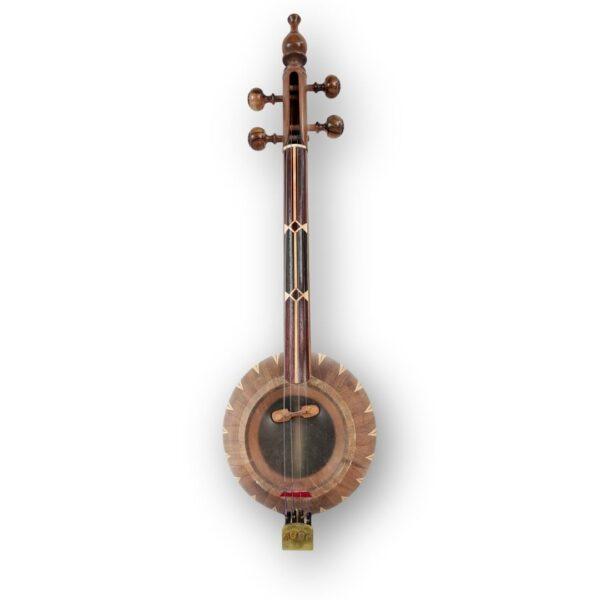
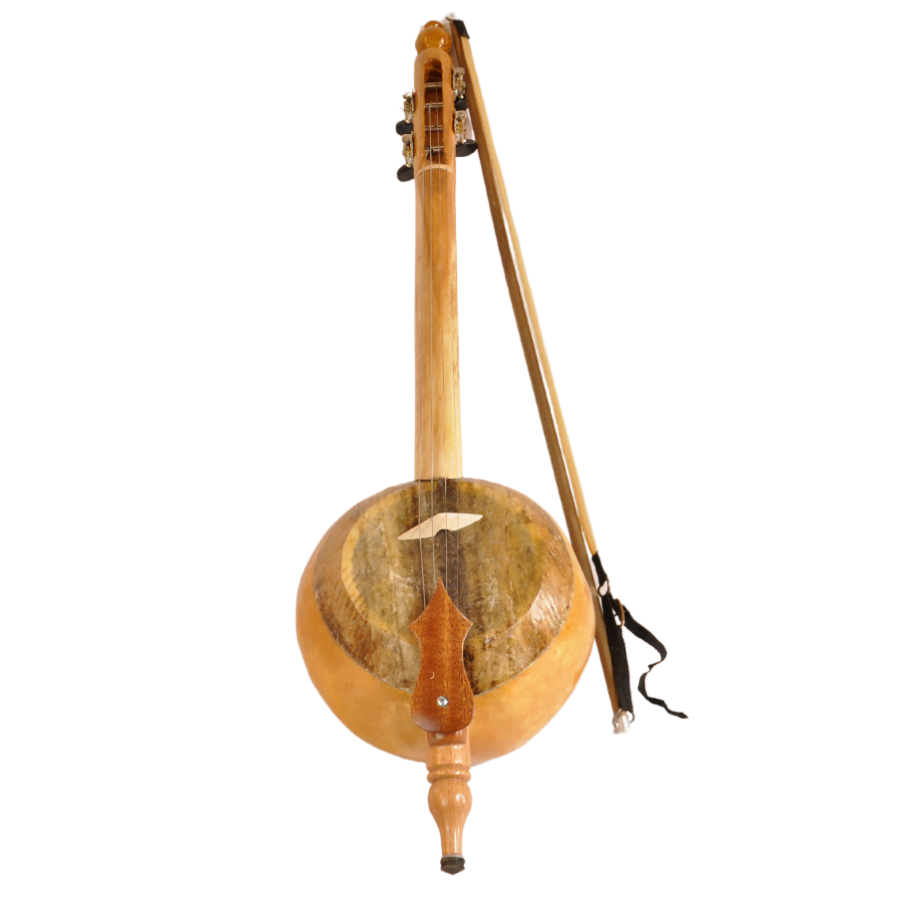
The Kabak Kemane is rooted in Anatolian folk tradition. Its body is crafted from a hollowed pumpkin — the kabak — lightweight yet sturdy, with the gourd’s natural properties producing a warm, earthy tone that is distinctive to this instrument. A thin membrane of fish or snake skin covers the resonating chamber, giving the Kabak Kemane its captivating timbre that moves between clarity and depth. The Black Sea Kemence (Karadeniz Kemencesi) carries the voice of Karadeniz folk tradition: a pear-shaped body carved from the finest mulberry wood, durable and resonant, with a delicate keyboard handcrafted from lustrous rosewood that ensures smooth playability across its three horsehair strings.
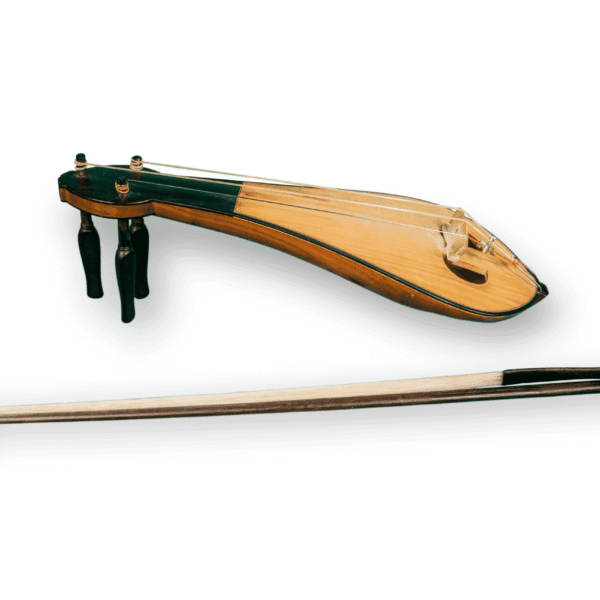
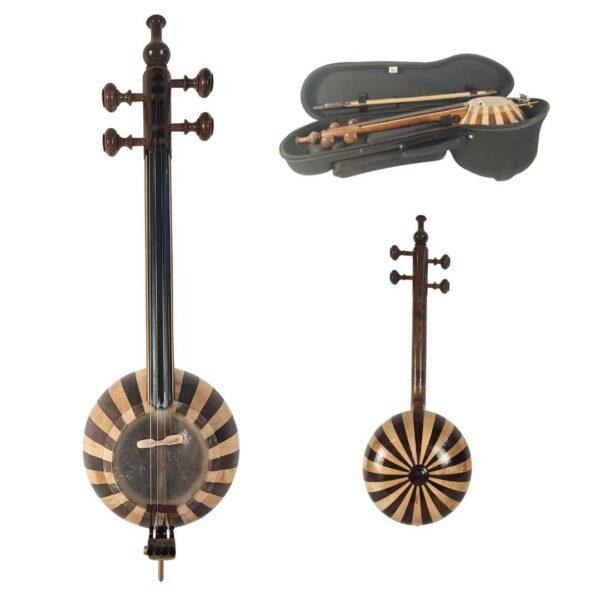
The Classical Kemence, also known as the Turkish violin, comes from the refined tradition of Ottoman classical music. Built by Necati Gurbuz, each instrument features a body of black mulberry wood — celebrated for its warm, resonant tonal qualities — paired with a top of cypress wood, known for its unique acoustic properties and expressive range. This combination gives the Classical Kemence the signature clarity and richness that Ottoman maqam music demands. The Persian Kamancheh, crafted by Hesam Hatami Sefaareshi, is built around a spherical resonator bowl carved from hardwood and covered with a stretched natural skin membrane that serves as the soundboard. The skin’s responsiveness to bow pressure gives the kamancheh its signature vocal quality — every bow change produces a nuanced tonal shift that closely mimics human singing, while the spherical bowl projects the sound outward in all directions.
When evaluating a handcrafted bowed instrument, four factors carry the most weight in our experience as curators. First, the body material shapes the foundational tonal character: mulberry and cypress for Turkish bowed traditions, hardwood for the Persian Kamancheh, and the natural pumpkin shell for the Kabak Kemane. Second, the soundboard or membrane — whether a top of cypress wood or a tensioned skin (fish, snake, or natural animal skin) — is the surface that converts bow energy into sound; for skin-faced instruments, its responsiveness to bow pressure determines the vocal quality. Third, the neck construction and fingerboard matter especially because these instruments are fretless: precision in the neck, dead-accurate alignment of the fingerboard, and the keyboard wood selection determine whether slides, vibrato, and microtonal intervals come naturally to the player. Fourth, craftsman attention — wood seasoning, carving precision, skin tensioning, the neck-body junction — defines whether the instrument tracks subtle bow nuance or fights against the player. These are the criteria we apply when sourcing each bowed instrument in our collection.
Our most popular bowed instruments reflect the depth of these traditions: the Kabak Kemane offers an accessible entry into Anatolian folk; the Persian Kamancheh by Hesam Hatami delivers the unmistakable vocal quality of Persian classical music; the Classical Kemence by Necati Gurbuz brings Ottoman court refinement into focus; and the Black Sea Kemence carries the rhythmic, haunting voice of Karadeniz folk. Whether you are entering the world of bowed strings for the first time or seeking a specific tradition’s voice, these are instruments that speak the closest to the human voice — chosen with care to honor the centuries of music behind them.
Frequently Asked Questions
What types of bowed instruments does Tapadum offer?
What's the difference between kemenche and kamancheh?
Which bowed instrument is good for a beginner?
What quality factors should I look for in a handcrafted bowed instrument?
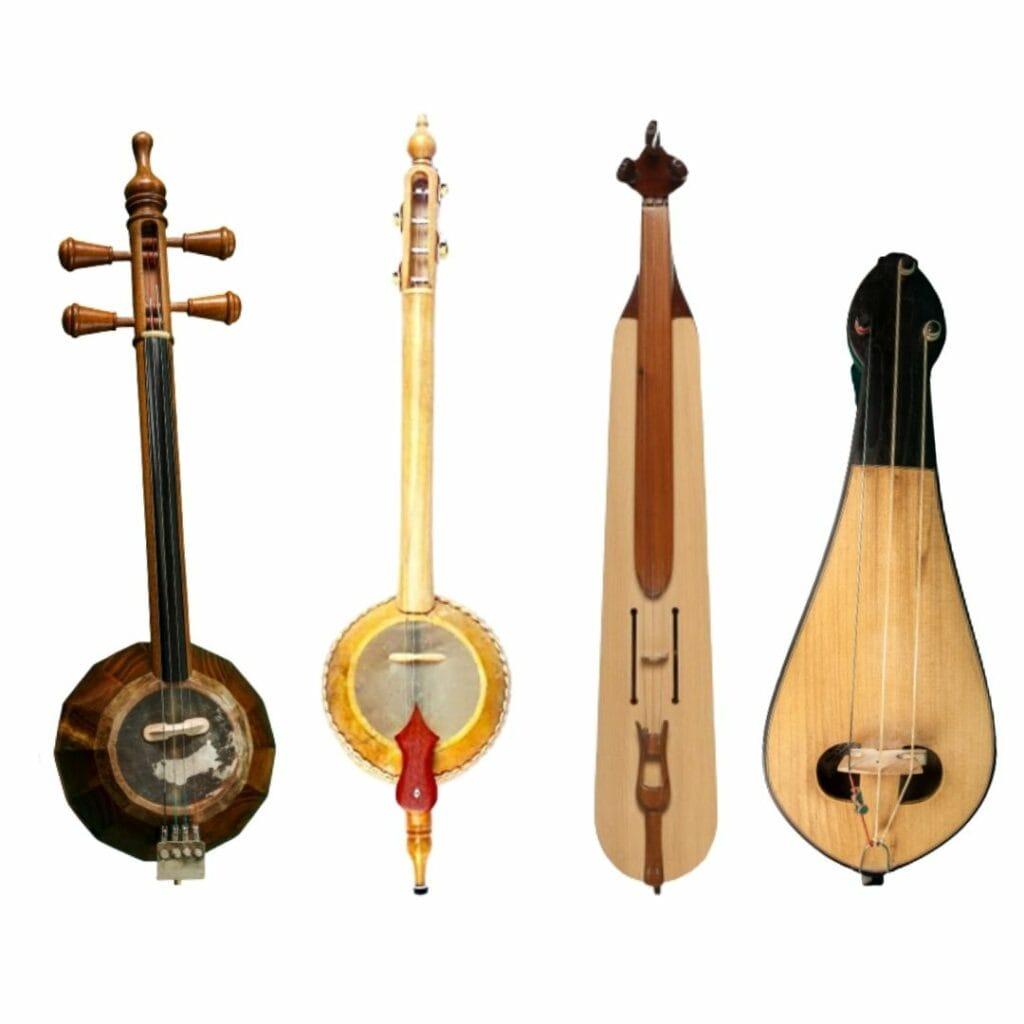

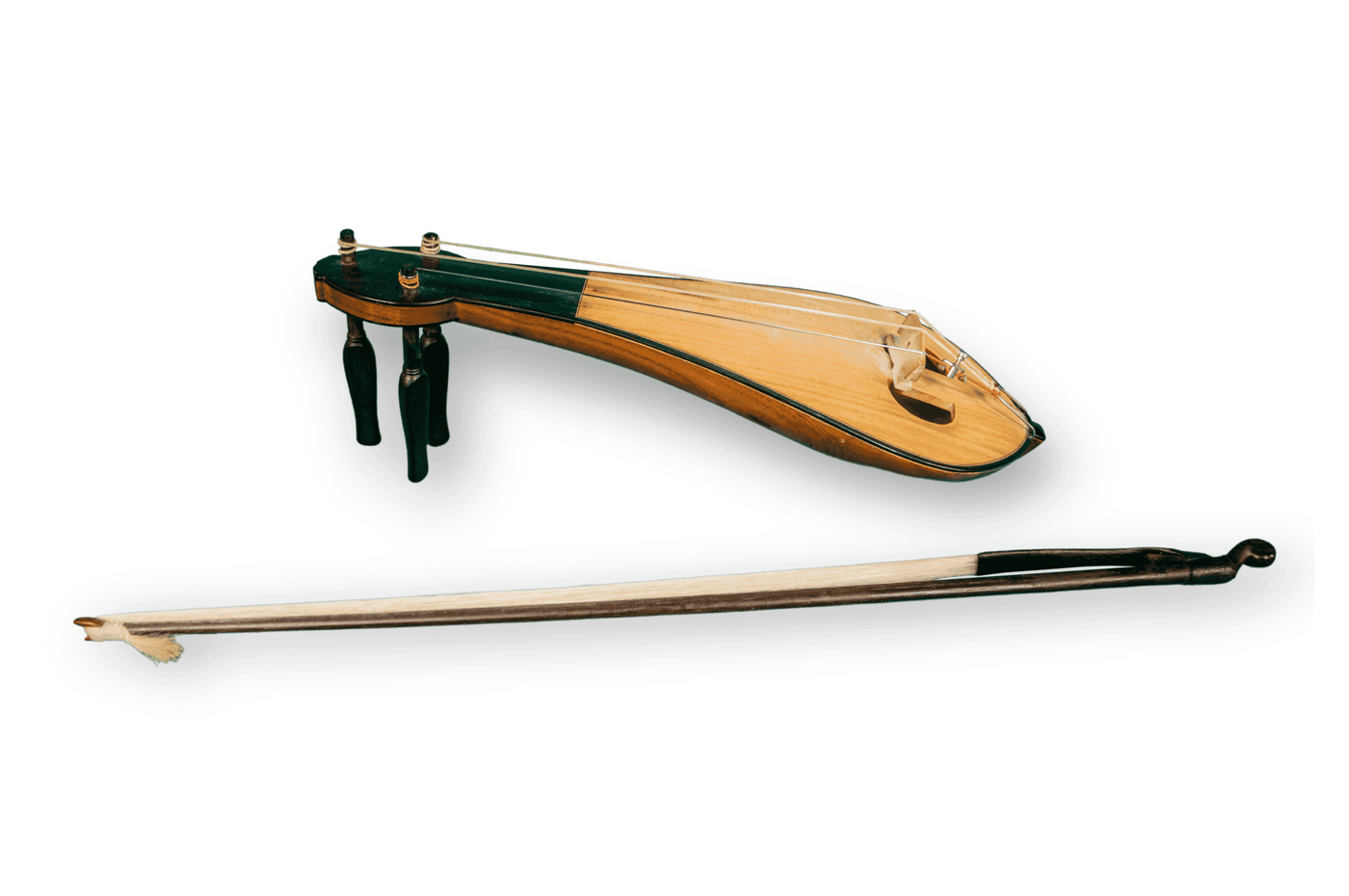

Classical Kemence by Master Necati Gurbuz
Handcrafted Turkish classical kemence by Master Necati Gurbuz — black mulberry body, cypress soundboard, and a choice of gut or metal string sets. Made in Turke…
Original price was: €1.150,00.€1.050,00Current price is: €1.050,00. Open piece →