Oud
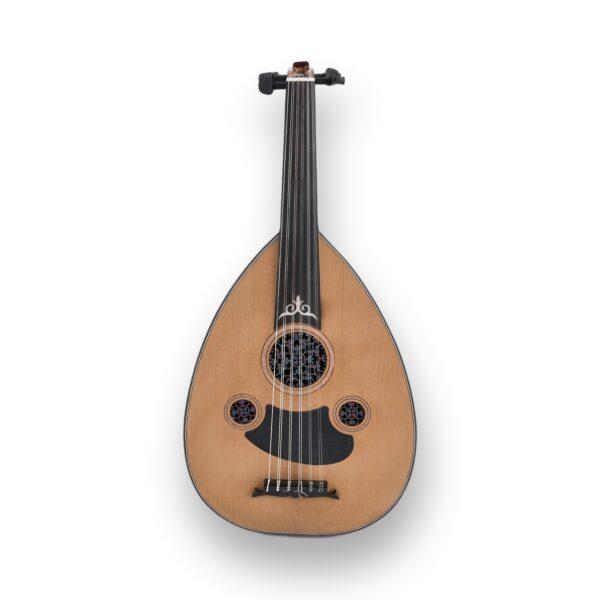
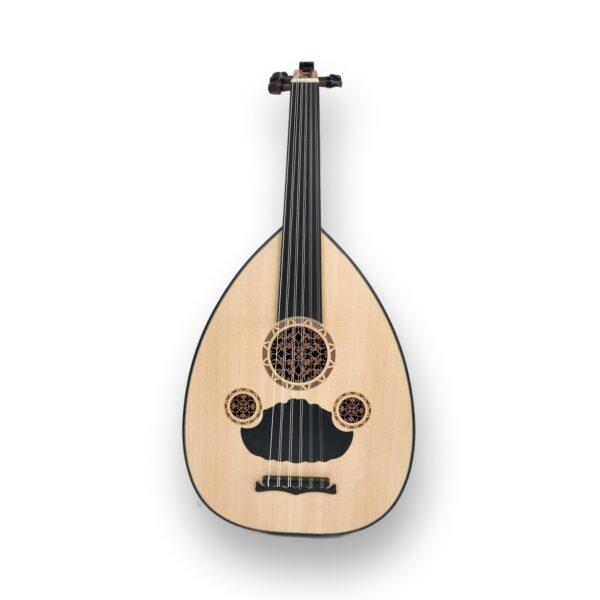
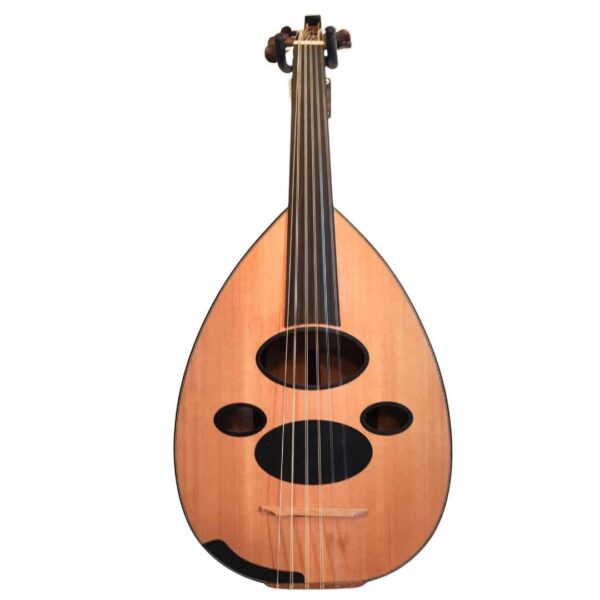
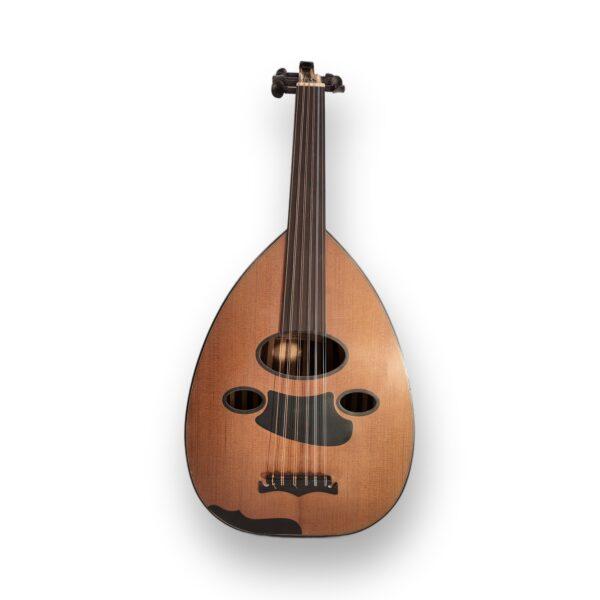
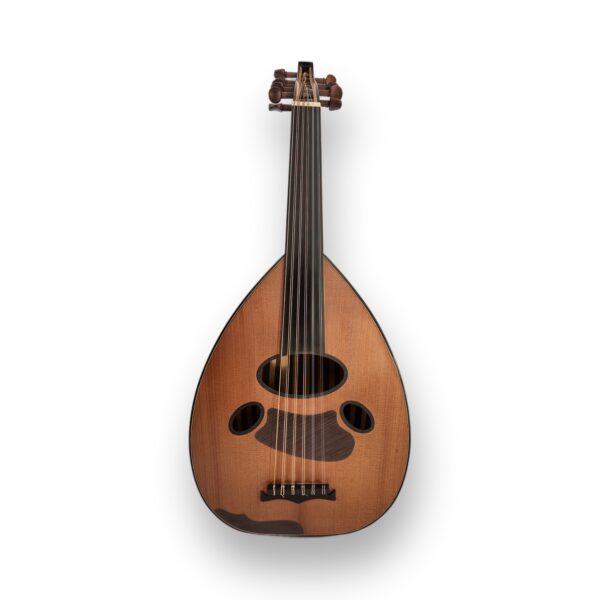
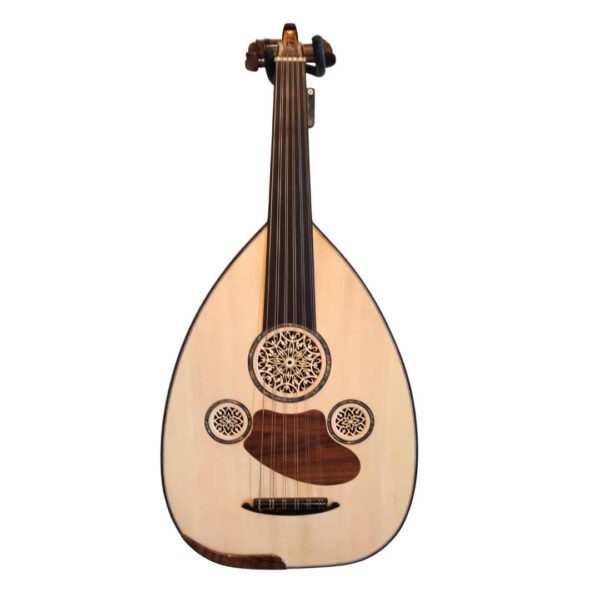
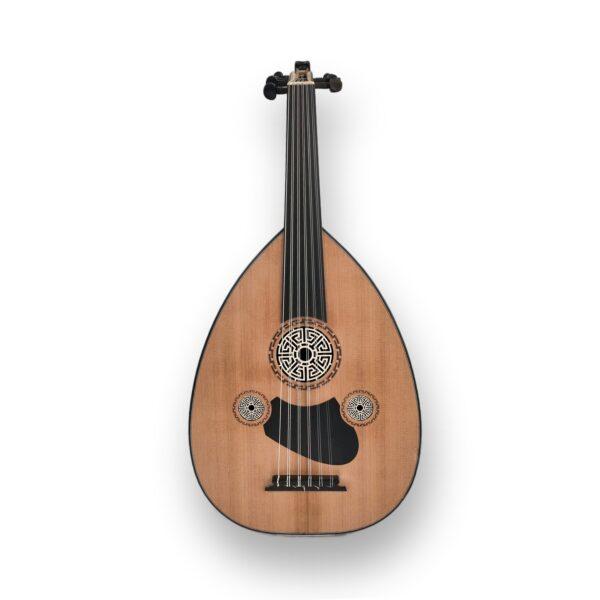
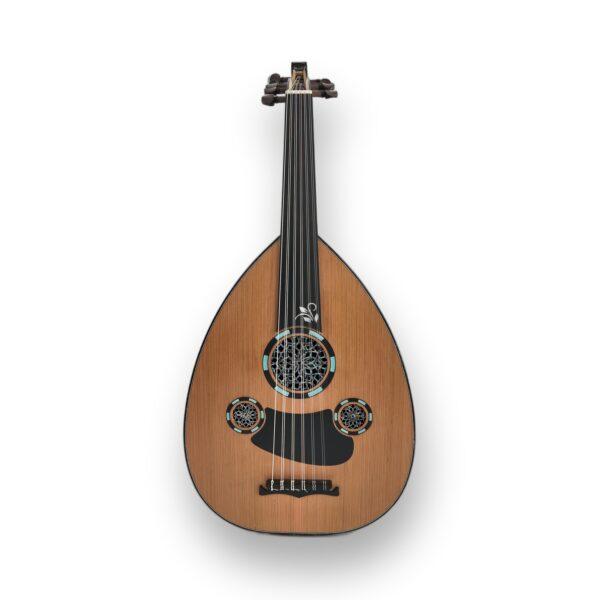
The oud is the foundational fretless lute of Middle Eastern, North African, and Turkish musical traditions — an instrument whose pear-shaped bowl, eleven or twelve strings, and microtonal capability sit at the heart of maqam performance across the region. The Tapadum oud collection brings together instruments from master luthiers working today in the Izmir workshop tradition, with sourcing decisions grounded in tonewood, geometry, and the specific demands of each playing tradition.
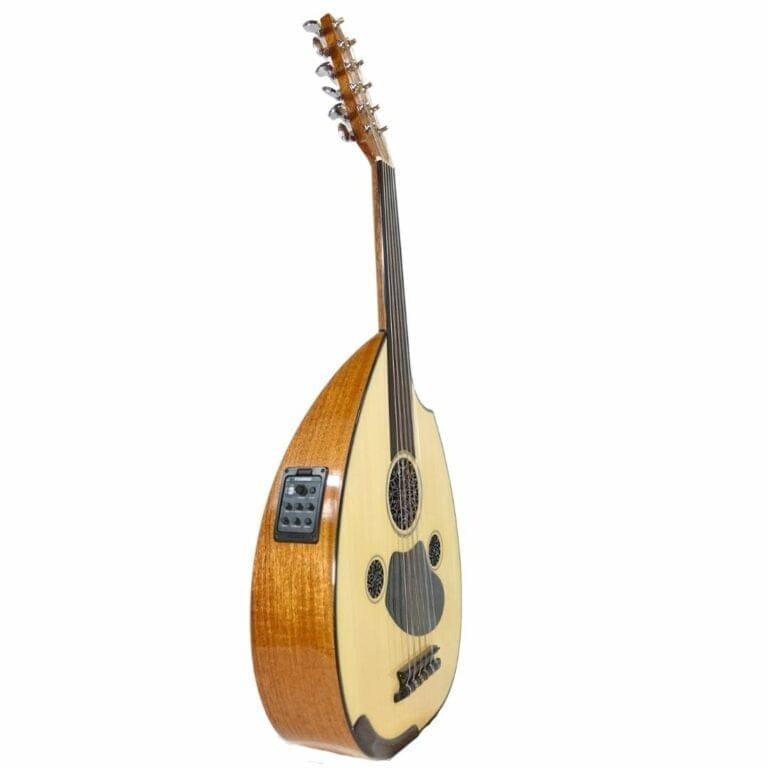
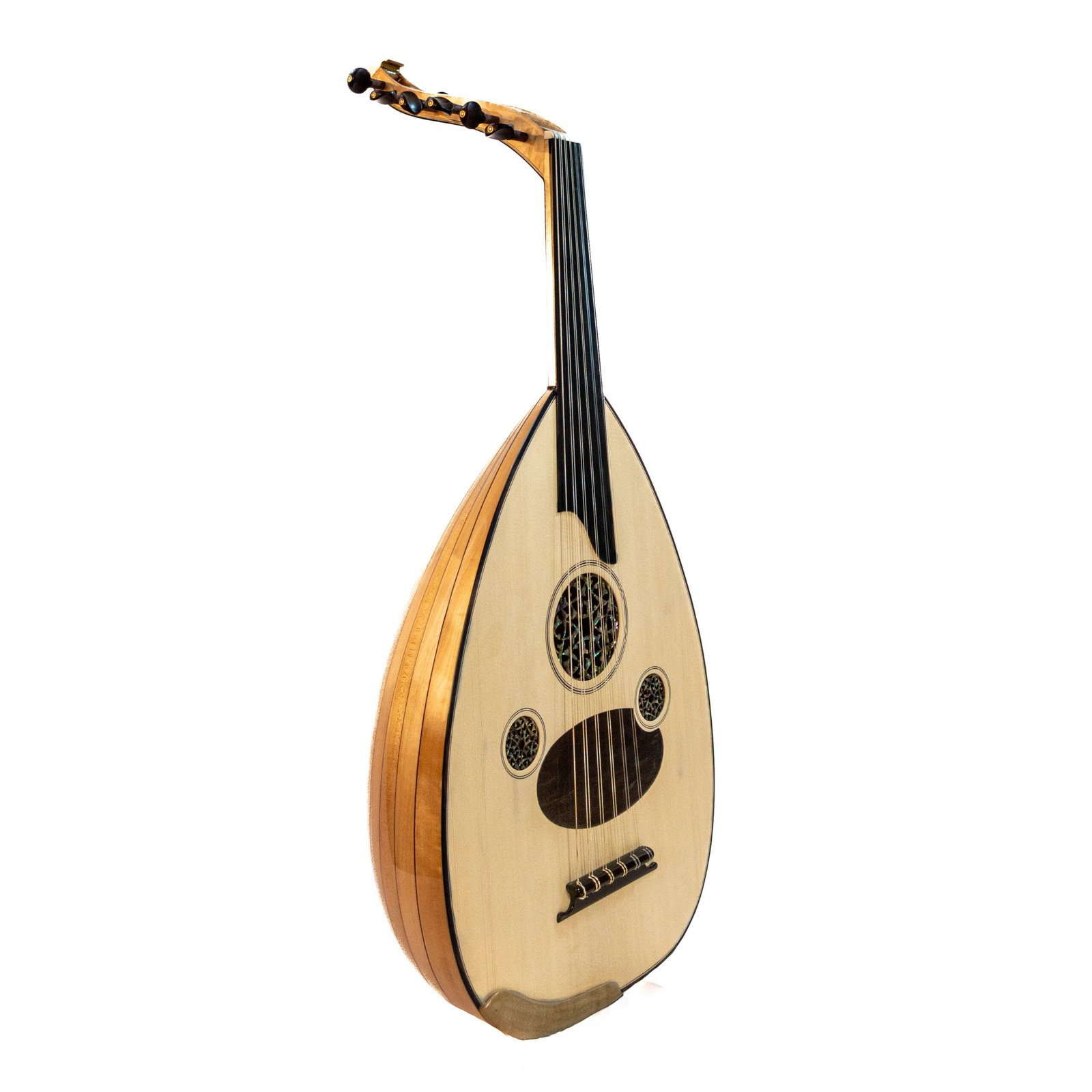
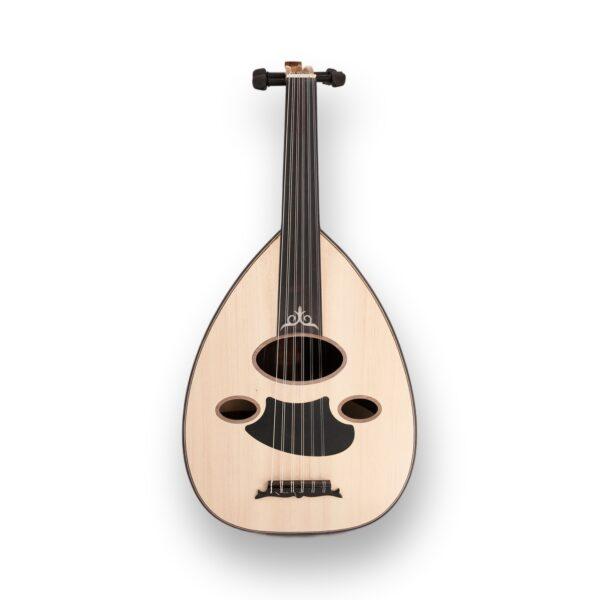
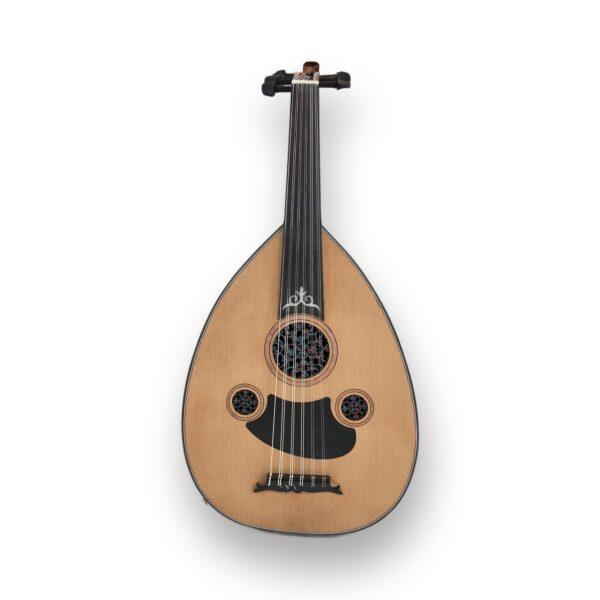
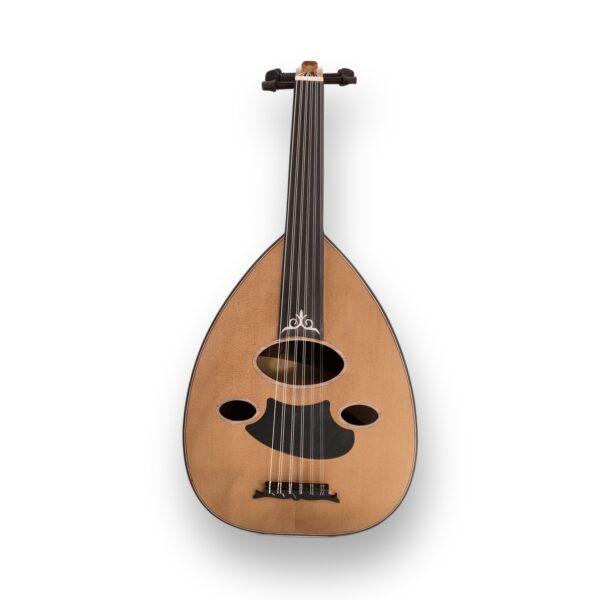
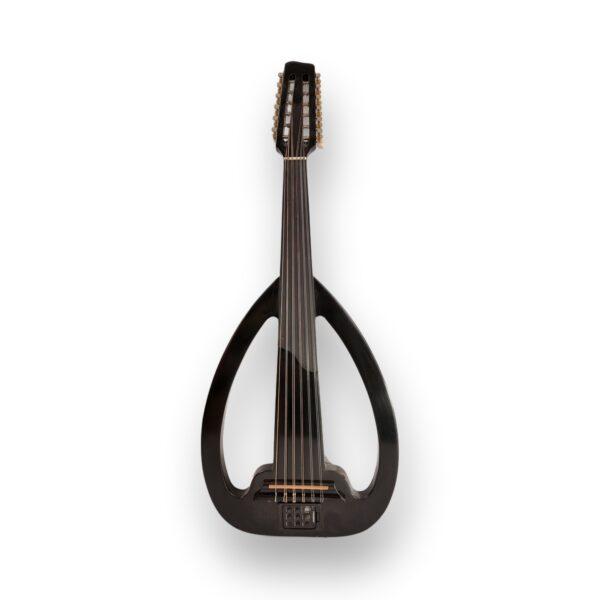
The oud divides into three working categories Tapadum stocks. The Turkish Oud has a smaller body, shorter neck, and brighter mid-range — voiced for the rapid melodic passages of Ottoman classical practice, fasıl ensemble work, and the precise microtonal slides of Turkish maqam. The Arabic Oud is larger and deeper-bodied, with a fuller bass register suited to the Arabic maqam repertoire and the longer sustained phrases of the tradition. The Electric Oud line bridges acoustic craft with amplified stage and studio use, retaining the playing geometry of the acoustic instrument while adding the projection needed for ensemble and recording contexts.
Most Tapadum ouds use spruce or cedar soundboards paired with walnut, mulberry, or rosewood for the bowl and sides — a tonewood pairing that gives the instruments their characteristic warm fundamental and depth of resonance. Strings are arranged in courses, typically five double courses plus a single bass, and the fretless fingerboard supports the quarter-tones and microtonal slides essential to maqam performance. Each instrument is played with a risha (plectrum) for melodic articulation, with fingerpicking added for ornamentation and taqsim improvisation.
Tapadum’s master luthier collections are organized by maker. Feramis Aktas builds Turkish ouds in Izmir under direct lineage from his master Sinai Ozkan since 1981 — carved-bowl construction with aged spruce soundboards. Yildirim Palabiyik builds both Turkish and Arabic ouds since 1994, with the sonic character mastery to voice both traditions. Necati Gurbuz, whose craftsmanship has been featured in a documentary on Turkish lute making, builds Turkish and Arabic ouds with comparable command of both traditions. Each instrument passes individual quality control — tuning stability, head tension, soundboard response, and balance across registers — at our Izmir workshop with Sertan Sarioglu, our string instruments specialist, before shipping from our Brisighella, Italy showroom.
The Best Oud for Beginners — Master Craftsmanship at Approachable Price Points
Most beginner ouds on the market are mass-produced instruments where quality control gives way to volume — inconsistent intonation, unstable necks, and tonewoods rushed through drying make many entry-level ouds frustrating to learn on. The Tapadum approach to the best oud for beginners is different. Mustafa Gezerdag and Ahmet Topan are among the most experienced workshop builders in Izmir’s series production tradition, applying the same construction discipline used in professional models — properly aged tonewoods, precise scale length matching, and individual setup — to Beginner Oud instruments built at approachable price points. New players get a beginner oud that responds correctly under developing technique, not one that fights them.
Hear the Oud in Action
Listen to recordings and performances featuring instruments in our collection:
▶ Watch the Tapadum Oud playlist on YouTube
Oud Tuning Systems
Four tuning systems are common across the Arabic and Turkish oud traditions. The choice depends on the repertoire and the maqam family being performed.
- Arabic Standard (Do-Do): C2 (single bass) — F2/F2 — A2/A2 — D3/D3 — G3/G3 — C4/C4. The F2 course is sometimes tuned to G2/G2 for specific maqam work.
- Arabic High (Fa-Fa): F2 (single bass) — Bb2/Bb2 — D3/D3 — G3/G3 — C4/C4 — F4/F4. Used for higher repertoire and ensemble registers.
- Turkish Standard (Re-Re): C#2 (single bass) — F#2/F#2 — B2/B2 — E3/E3 — A3/A3 — D4/D4. The reference voicing for Ottoman classical and fasıl work.
- Turkish Alternative (Bolahenk): D2 (single bass) — G2/G2 — A2/A2 — D3/D3 — G3/G3 — C4/C4. A crossover voicing used in specific traditional pieces.
The fretless fingerboard supports the quarter-tones and microtonal slides essential to maqam performance, regardless of which tuning system is chosen.
What Makes a Quality Oud?
Four factors separate professionally voiced ouds from mass-produced instruments. First, tonewood pairing — the bowl staves (mulberry, walnut, or rosewood) combined with a properly aged spruce or cedar soundboard determine the instrument’s fundamental warmth and projection. Second, string configuration — the standard 11-string layout (five double courses plus a single bass) requires precise scale length matching to the chosen tuning, with 12-string variants reserved for specific Arabic maqam work. Third, peg system and neck geometry — traditional friction pegs require seasoned wood and precise fitting, while Electric Oud variants use geared mechanical pegs for stage stability; the neck-to-bowl angle determines playing comfort across the full fingerboard. Fourth, bracing pattern and individual maker attention — soundboard bracing geometry shapes how the top resonates, and each Tapadum oud passes individual quality control at our Izmir workshop before being photographed and shipped from our Brisighella, Italy showroom.
Oud Buying Guide — Choosing the Right Oud for Sale
Every oud for sale at Tapadum is a handmade instrument, so the right choice starts with your repertoire rather than a spec sheet. If you play — or want to learn — Turkish classical music, fasıl, or fast ornamented melodic lines, choose a Turkish oud: the shorter scale and brighter mid-range keep rapid passages articulate. If your ear leans toward Egyptian, Syrian, Lebanese, or Iraqi maqam repertoire and longer sustained phrasing, the deeper bowl and fuller bass of an Arabic oud will serve you better. Players who perform amplified — in bands, theatres, or recording sessions — should look at the electric oud family, from pickup-equipped acoustics to feedback-resistant semi-hollow and silent frame designs.
Skill level sets the second filter. New players are well served by the beginner line built by Mustafa Gezerdag and Ahmet Topan — full workshop construction discipline at approachable price points. Advancing and professional players choose among the master collections: Feramis Aktas for the carved-bowl Turkish concert voice, Yildirim Palabiyik for instruments fluent in both Turkish and Arabic traditions.
Before you decide, check three practical points. First, the tuning system you intend to use (see the tuning guide above) — string sets and setup are matched to it. Second, transport and storage: a padded case or hard case from our oud accessories range protects the bowl, and spare risha picks and string sets keep the instrument playing. Third, provenance: every oud we ship is photographed and individually inspected, with maker attribution stated on the product page — you know whose bench your instrument left. Worldwide shipping & 15-day return apply to every oud in the collection, and our team will gladly match a specific instrument to your repertoire if you are undecided.
Frequently Asked Questions
What is the difference between a Turkish and Arabic oud?
What's the best oud for beginners?
How is the oud tuned?
What four factors define a quality oud?
Who are the master luthiers behind Tapadum's oud collection?
How do I choose the right oud to buy?
How much does an oud cost?
Where can I buy an authentic handmade oud?