Luthiers · Menemen, Izmir
Ahmet Tashomcu
Master Potter
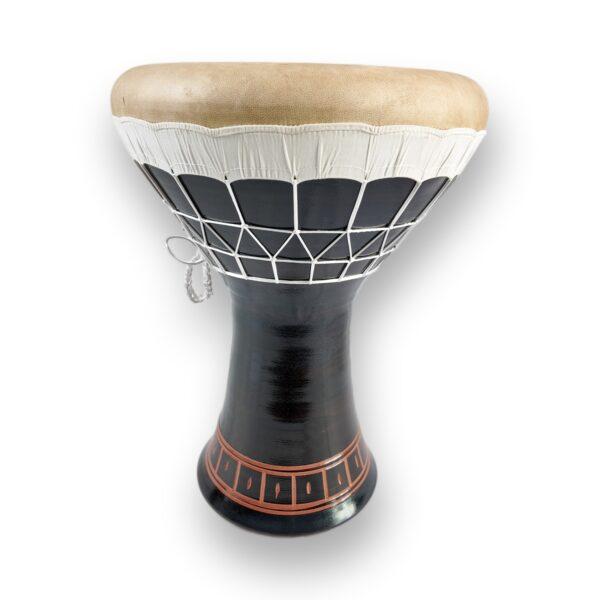
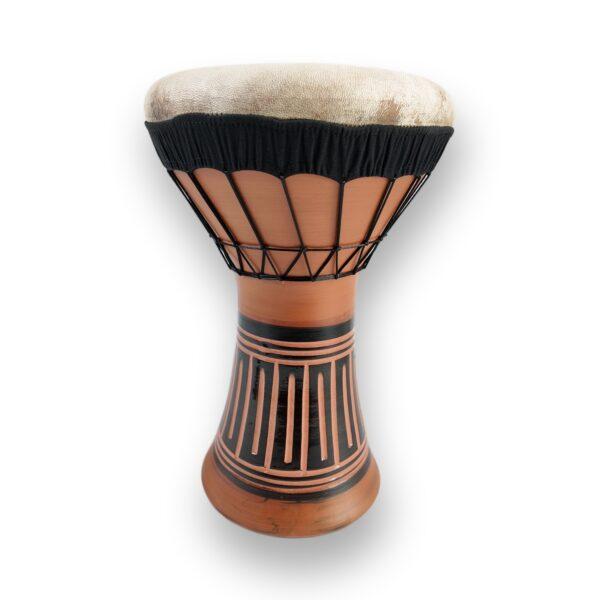
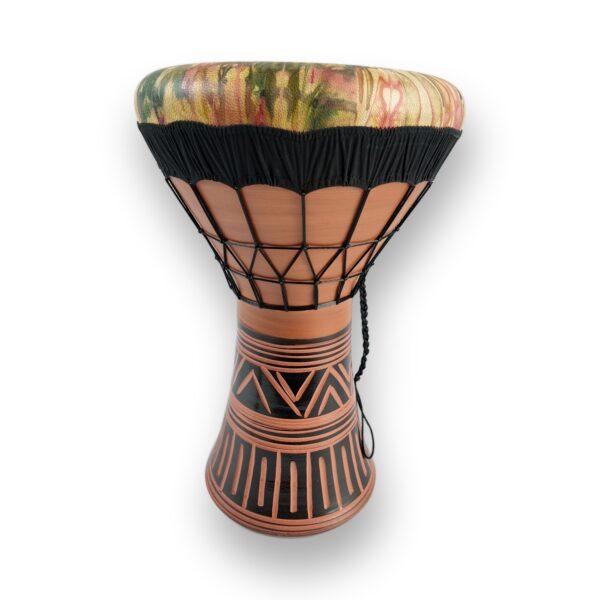
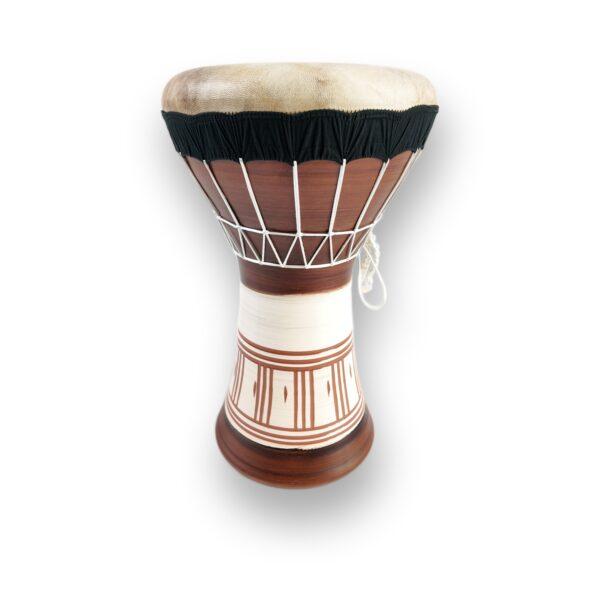
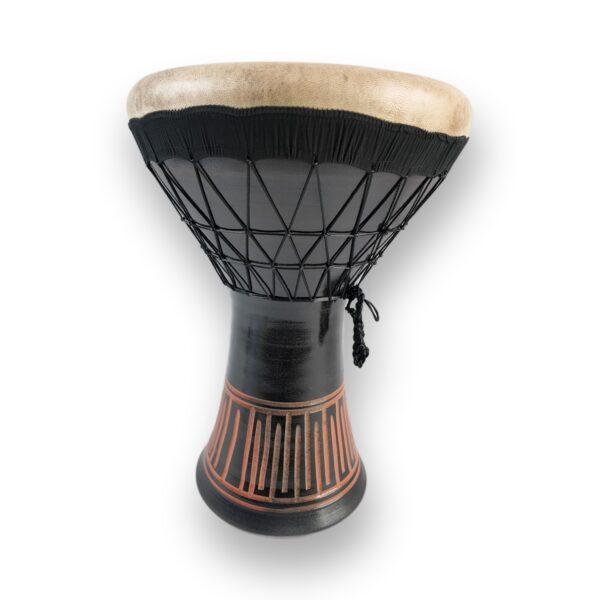
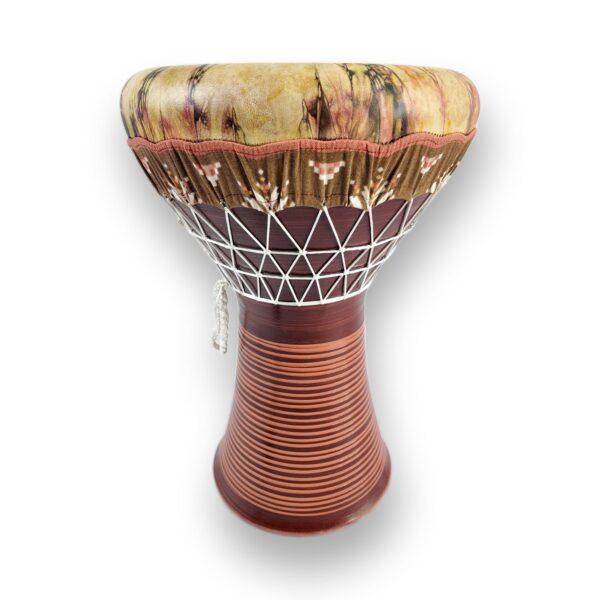
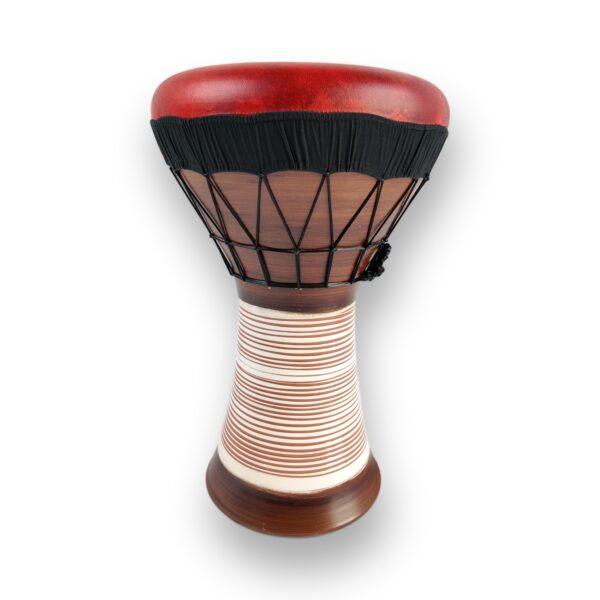
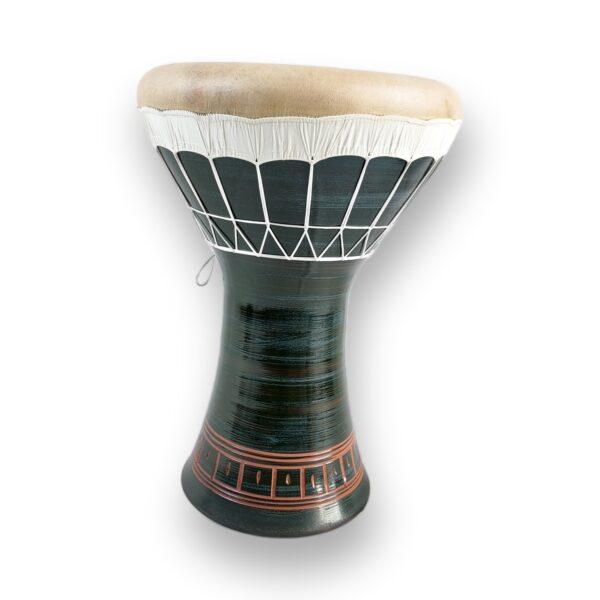
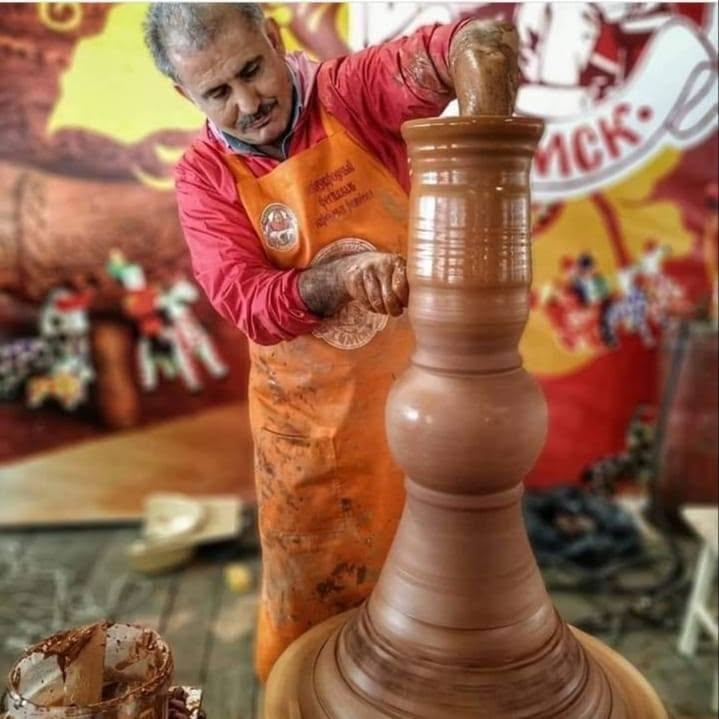
Menemen master potter and two-time World Pottery Champion (2017, 2019), shaping the clay shells of Tapadum's darbukas and udu drums. Listed in Turkey's National Inventory of Living Human Treasures, with nearly five decades at the wheel since 1977.
Ahmet Tashomcu has shaped clay vessels in Menemen since 1977 — first as a twelve-year-old apprentice in the workshop of his uncle Ali Ozoglu, then through every traditional rank of the trade. Today, after nearly five decades at the wheel, he holds Turkey’s highest cultural-craft recognition and produces the clay shells at the acoustic heart of every Tapadum clay darbuka and udu drum.
From the Wheel of Menemen to the World Stage
Menemen has been a pottery town for six thousand years, and Tashomcu’s path traces the craft’s full arc — from foot-powered wheels and hand-mixed clay pools to today’s vacuum-pugged red clay and electric throwing tables. He apprenticed under Ali Ozoglu, a Cretan-Turkish master, climbing the historic ranks of kucukcu, ortaci, and buyukcu (small, medium, and large-form thrower) before opening his first workshop in the mid-1990s. He has since worked in Antalya and in Erbil, Iraq, returning to Menemen where he chairs the local Potters’ Association and trains the next generation alongside his two sons.
Earth, Fire, and Innovation
Tashomcu works with the iron-oxide-rich red clay native to Menemen — a soil that gives Tapadum’s darbukas their distinctive resonance and durability. His firing repertoire ranges from the traditional 950°C bisque through alternative techniques he has carried back from his travels abroad: the Russian obvara process, Japanese raku, and horsehair pyrography, where a 1000°C piece is finished with horsehair laid across the cooling surface. “If you don’t keep up with the times, the craft disappears,” he says — which is why, in 2019, he designed and now mainly produces a clay gramophone, a quiet answer to those who claim pottery is a vanishing art.
Awards and Recognition
Tashomcu’s competition record is unusual. At the 2017 Novosibirsk International Pottery Competition he took first place in all five categories — widest-form throwing, blindfolded throwing, cultural-form, miniature, and free-form. Two years later, at the 2019 Italy international competition, he won the blindfolded category and his team brought home six medals together. He has also taken first place five times at the Eskisehir Fired Clay Symposium and represented Turkey at the 2004 Faenza World Pottery Competition with a second-place finish. In November 2024 he became the first Menemen potter named to Turkey’s National Inventory of Living Human Treasures — a UNESCO-affiliated programme recognising master practitioners of intangible heritage. His work has been profiled by Milliyet and Ceramic Turkey among Turkish outlets.
Teaching, Festivals, and Family
He travels several times a year — to Moscow and Siberia for intensive workshops with Russian master potters, to France and Italy as jury and exhibitor, and back to Menemen, where he co-organises an international pottery festival that has brought 140 makers from 39 countries to his hometown. The festival’s third edition was profiled by MOCA-NY following Tashomcu’s headline role in its opening pottery firing demonstration. Two of his four children continue the craft; his son Gokhan placed third in the aesthetic category at the 2019 Italy competition.
At the Tapadum Workshop
For Tapadum, Tashomcu hand-shapes every clay drum shell in his Menemen workshop — the acoustic core that gives our clay darbukas and udu drums their voice. The drum is then completed by Mehmet Nihat San, whose work covers skin selection, tensioning, rope binding, and final tuning. Every drum that leaves the team has passed through both pairs of hands before reaching our Brisighella, Italy showroom.
Clay is like a good person — it endures the fire, withstands the water, and gives back to life what it takes from it.
— Ahmet Tashomcu