
Frame Drums for Meditation: Daf, Bendir & the Trance Rhythm
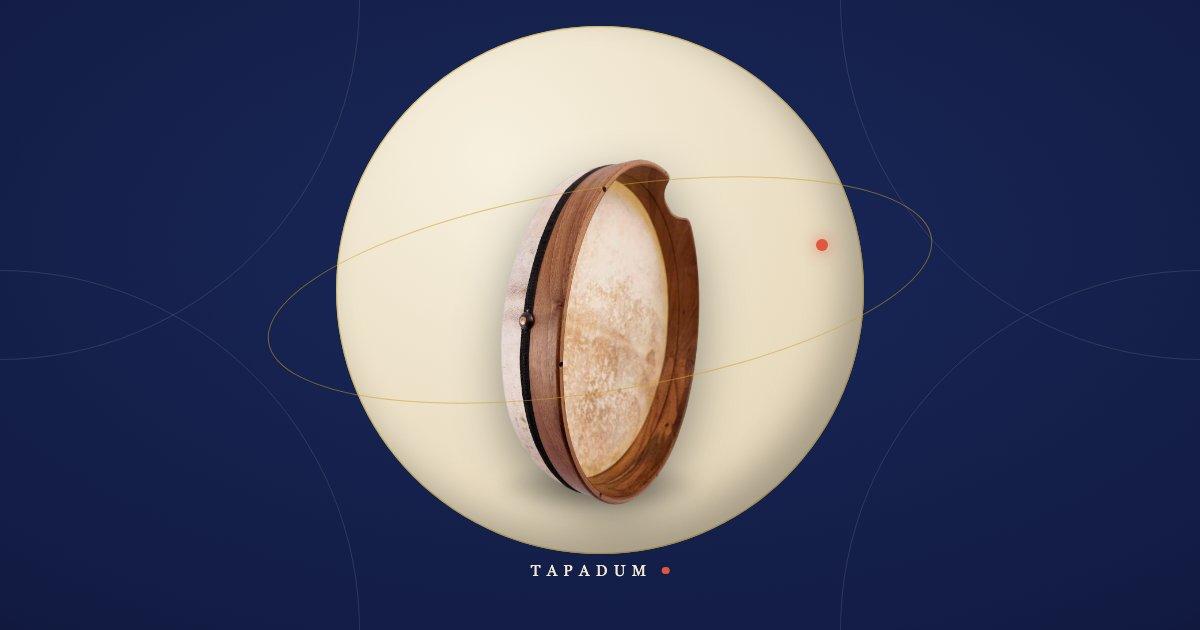
What you’ll learn: how frame drums like the daf and bendir support meditation, why a steady repeated pulse can shift the mind toward calm, what rhythm research suggests, and how to begin a simple frame-drum practice.
Frame drums have carried meditative and ceremonial music for centuries. A daf or a bendir produces a deep, enveloping pulse that is easy to sustain, and a slow steady rhythm is one of the oldest tools for settling the mind. Where a melody asks the brain to follow change, a repeated frame-drum pulse asks it to let go.
Sufi ceremony built a whole devotional practice around the daf’s shimmer. Today the same instruments turn up in sound baths and personal meditation. The tradition is old; the reasons it works are increasingly well studied.
Why a steady pulse calms the mind
When you play or listen to a regular beat, your own timing drifts toward it — a process called entrainment. A slow, unchanging frame-drum pulse gives attention a single, predictable thing to rest on, much like a mantra or a paced breath. There is no phrase to anticipate and nothing to get right.
Playing rather than only listening adds a second layer. The gentle repeated motion of striking the drum becomes part of the meditation, keeping you present without effort.
What rhythm research suggests
Group and rhythmic drumming have measured effects on mood and stress. A 2016 PLOS ONE trial found ten weeks of group drumming lowered anxiety by 20% and depression by 38% versus a non-drumming control. A systematic review of rhythm-centred music making — largely frame and hand drumming — concluded it can improve physical, psychological, and social health.
These findings are encouraging rather than conclusive, and they describe support for wellbeing, not medical treatment. But they line up with what the tradition has long claimed: steady rhythm changes how we feel.
See the 2016 group drumming study and the review of rhythm-centred music making.
Daf and bendir: two paths to the same calm
Both are frame drums, and both hold a meditative pulse, but they feel different in the hand. The Persian daf carries inner metal rings that add a soft shimmer to every strike — ideal if you want texture in the sound. The bendir is a North African and Anatolian frame drum, often with a snare underneath for a warmer buzz; our guide to choosing and caring for a bendir covers its internal tuning.
For the wider family — daf, bendir, riq, mazhar — and how each fits a tradition, see frame drums of the world. In our Izmir atelier we choose skins and tuning for even, sustained tone, because a frame drum meant for meditation lives or dies on how cleanly it holds a low pulse.
A simple frame-drum meditation
- Sit with the drum resting against your body, held loosely.
- Begin a slow, even pulse — roughly one strike per second, softer than you think.
- Let the rhythm settle; do not speed up or add fills.
- Rest your attention on the sound and the motion, not on keeping “good” time.
- After several minutes, let the pulse slow and fade, then sit in the quiet.
Consistency matters more than complexity. A single steady stroke, repeated with attention, is the whole practice.
Explore options in our sound healing instruments collection.
Frequently Asked Questions
Are frame drums good for meditation?
Yes. Their deep, steady pulse is easy to sustain and gives attention a single anchor, much like a paced breath. Frame drums such as the daf and bendir have long been used in devotional and meditative music.
What is the difference between a daf and a bendir for meditation?
A daf carries inner metal rings that add shimmer to each strike, while a bendir often has a snare for a warmer buzz. Both hold a calm pulse; the choice is about the texture you prefer.
Do I need rhythm skills to start?
No. A meditative frame-drum practice uses one slow, even stroke rather than complex patterns. The aim is a steady pulse to rest attention on, not a performance.
Can rhythm really change my mood?
Research suggests it can. Controlled studies of group and rhythmic drumming report lower anxiety and depression and calmer stress chemistry, though the evidence describes support for wellbeing rather than medical treatment.