
The Best Handpans for Beginners: How to Choose Your First Handpan
What you’ll learn
- The best scale for a first handpan — and why almost everyone starts in D Kurd
- How many notes you actually need as a beginner
- Nitrided versus stainless steel, in plain terms
- What a good first handpan should cost — and our picks at Tapadum
If you are shopping for a handpan for beginners, the short answer is this: look for a nine-note instrument in the D Kurd (D minor) scale, made from quality steel, from a maker who tunes and tests every piece. That single combination — nine notes, D Kurd — is the most welcoming doorway into the instrument, and it is where the great majority of players begin. The rest of this guide explains why, so you can buy your first handpan with confidence rather than guesswork.
This is written from our İzmir workshop and showroom floor, where every handpan we sell is curated and sound-tested before it ships. We will keep the jargon light and the advice honest — including where to spend and where you do not need to.
What Is a Handpan?
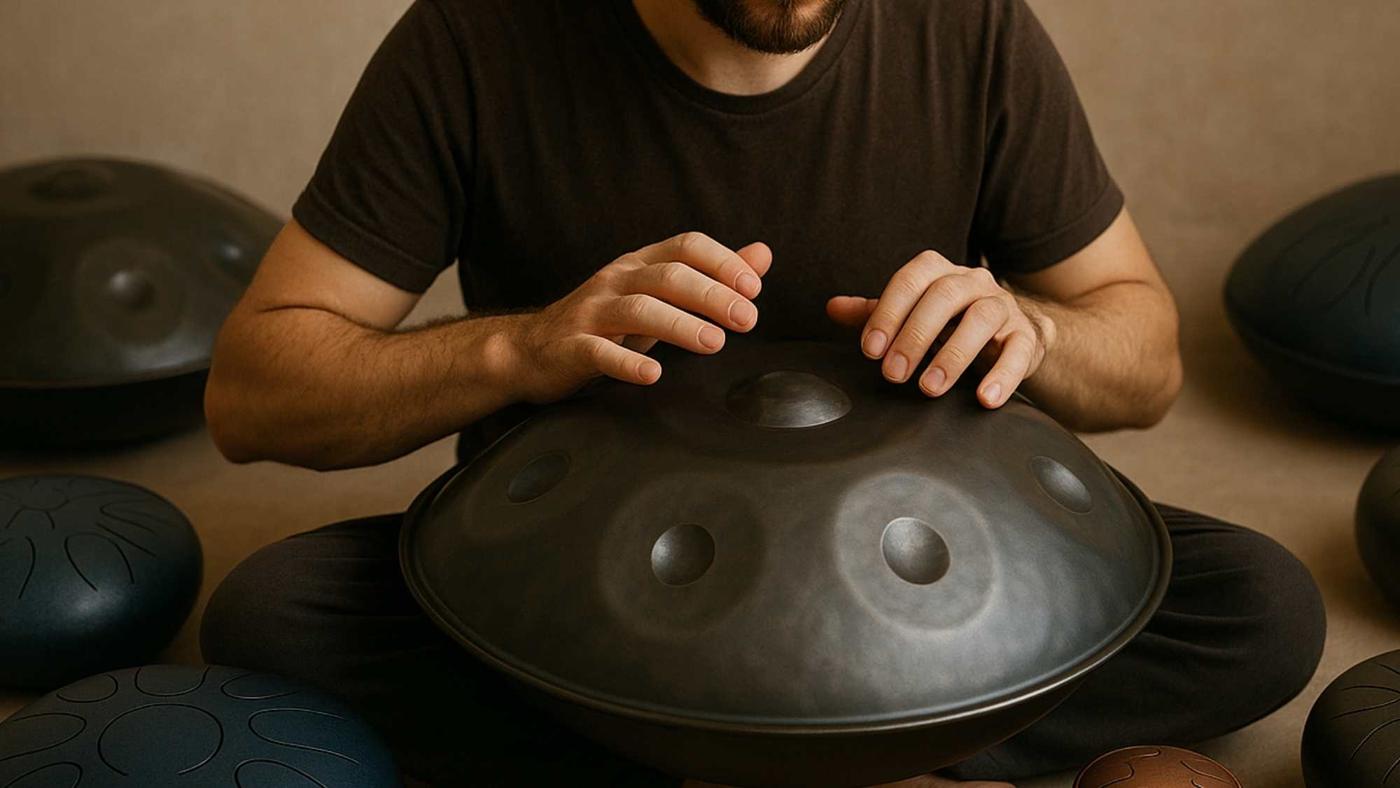
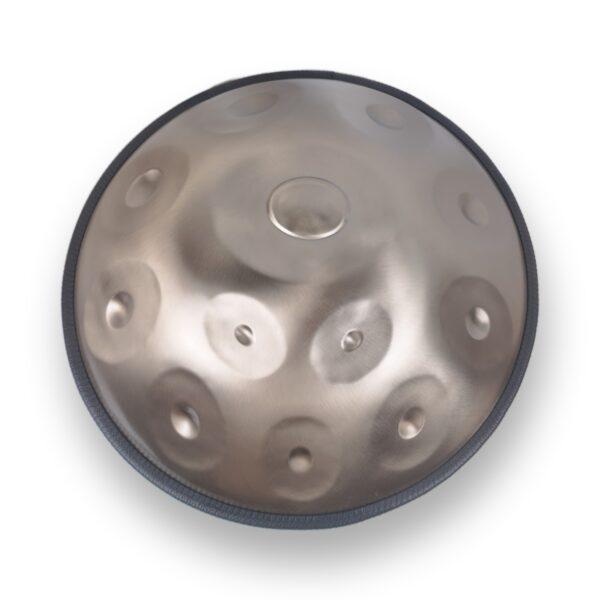
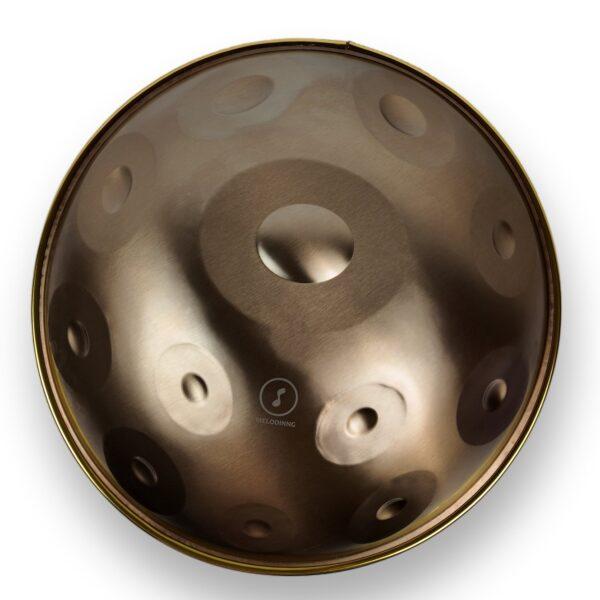
A handpan is a melodic percussion instrument played with the hands rather than mallets. It is built from two domed steel shells joined at the rim. The top shell carries a central low note — the doum — surrounded by a ring of hand-hammered, concave tone fields, each tuned to a specific note. The bottom shell has an opening called the gu that releases the bass and shapes the instrument’s deep resonance.
Played with fingers and the heels of the palms, the handpan produces a soft, sustained, layered voice — part melodic instrument, part meditative resonator. That gentle, harmonic quality is why it sits so naturally alongside other sound healing instruments and why so many players come to it through meditation and yoga as much as through music. If you are still deciding between a handpan and its relatives, our guide to handpans and similar instruments compares the options.
How the Handpan Began: A Short History
The handpan is a remarkably young instrument. It was born in the year 2000, when Felix Rohner and Sabina Schärer of PANArt in Bern, Switzerland, created the first instrument of this kind — a steel sound sculpture inspired in part by the Caribbean steel pan and the Indian ghatam.
The Best Scale for Beginners: D Kurd
A handpan is tuned to a single scale, and the scale you choose shapes everything you can play. For a first instrument, the consensus is almost unanimous: D Kurd — a D minor scale with a natural seventh.
D Kurd is a full, diatonic minor scale, which means it gives you a generous palette of both minor and major chords to explore from day one. It is the most widely played handpan scale in the world, so the overwhelming majority of online tutorials, play-along videos and lessons are filmed in it. Its sound is forgiving and contemplative — gentle enough for meditation, yet bright enough for cheerful, melodic playing. For a beginner, that combination of versatility, support and a sound that is hard to make ugly is exactly what you want.
You will also see scales like Hicaz, with its dramatic augmented-second interval — the unmistakable colour of Turkish, Arabic and Persian music. It is a beautiful, expressive scale, but it is a more specific musical world. We would suggest D Kurd first, and Hicaz when you know you want that Eastern voice.
How Many Notes Should a Beginner Handpan Have?
Handpans come with anywhere from eight to fifteen or more notes. For a first instrument, nine notes is the sweet spot. A nine-note layout gives your hands the natural architecture they need to learn the instrument without overwhelming you, and it covers the central doum plus a full octave of the scale — enough to play real music straight away.
More notes are not “better” for a beginner; they simply add reach and complexity you do not yet need, usually at a higher price. Start with nine, learn the layout in your hands, and you will know in time whether you want to grow into a larger instrument.
Nitrided or Stainless Steel?
Handpans are made from steel, and you will mainly meet two kinds. The difference is real, but neither is “right” — it is a question of sound and care.
| Stainless steel | Nitrided steel | |
|---|---|---|
| Sound | Bright, singing, bell-like, with long sustain and shimmering overtones | Warmer, earthier, more percussive, with a shorter, focused sustain |
| Care | Highly rust-resistant — little maintenance | Needs regular oiling to prevent rust |
| Best for | Beginners, humid climates, playing outdoors | Players who love a grounded, ceramic tone and don’t mind upkeep |
For most beginners, the low-maintenance peace of mind of stainless steel makes it the easier first choice — you can play in the garden or take it travelling without worrying about rust spots. That said, your ear is the final judge: if the warmer, more percussive voice of a nitrided handpan speaks to you in demo videos, that preference is the right answer. A third option you will see in our collection is titanium, which adds light weight and striking colour finishes to the same beginner-friendly D Kurd voice.
What Should Your First Handpan Cost?
Handpans are hand-made instruments, and price reflects the hours of hammering and tuning behind each one. Across the market, entry-level instruments typically begin around €800 and good ones run well past €2,000. Be cautious of anything priced far below that — a poorly tuned handpan is a frustrating first instrument, and tuning cannot easily be fixed at home.
This is also where a curated workshop matters. The handpans we offer at Tapadum start lower than the typical market entry — our Arsha line begins around €398 — because we work directly with the makers and tune-check every instrument ourselves, rather than charging for a name. An accessible price and a properly tuned instrument do not have to be a contradiction.
Our Picks: The Best Handpans for Beginners
Every handpan we curate is chosen by our percussions specialist Gurkan Ozkan and sound-tested before it ships. Here is how our lines map onto a beginner’s journey.
- Arsha — the best place to start. Our entry line: nine notes, D Kurd, in stainless steel, nitrided, or titanium finishes. Accessibly priced from around €398, it gives a new player a properly tuned, beginner-friendly instrument without a professional’s budget. If you buy one handpan to learn on, this is it.
- Handpan Tapadum — our own-brand D Kurd. A nine-note D Kurd stamped with the Tapadum logo — a balanced, dependable middle step for daily practice.
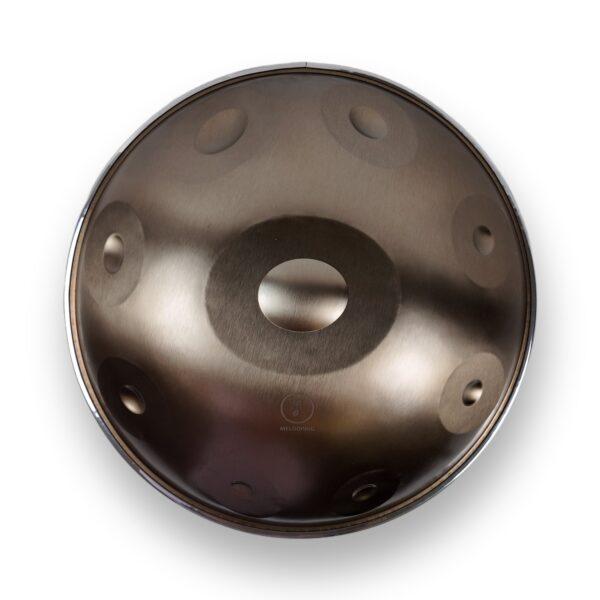
- Melodinng — premium D Kurd, fifteen notes. Refined sustain and fuller harmonic depth in stainless steel, with a wide fifteen-note range, for when you are ready for a studio-and-stage instrument.
- Tapadum Pro — our signature Eastern voice. Nine or twelve notes in Hicaz, individually tuned and tested in our own workshop, with a hard case included. The choice when you want the expressive Turkish, Arabic and Persian sound rather than the meditative D Kurd.
Our honest recommendation for a first handpan: a nine-note D Kurd Arsha. Choose stainless steel for the easiest care, or nitrided and titanium for budget and looks — then spend your energy playing, not deciding.
Caring for Your Handpan
A handpan rewards a little care. Wipe it down with a soft, dry cloth after playing to remove the oils from your hands, and keep it in a padded case when you are not playing — handpans are sensitive to knocks, and a single dent can pull a note out of tune. Keep it out of direct sun and away from sudden heat, which can affect tuning over time. If your instrument is nitrided steel, apply a thin film of the recommended oil regularly to keep rust at bay; stainless and titanium need far less attention. A soft gig bag or a hard case is not an optional extra — it is the cheapest tuning insurance you will ever buy.
Browse Our Handpan Collection
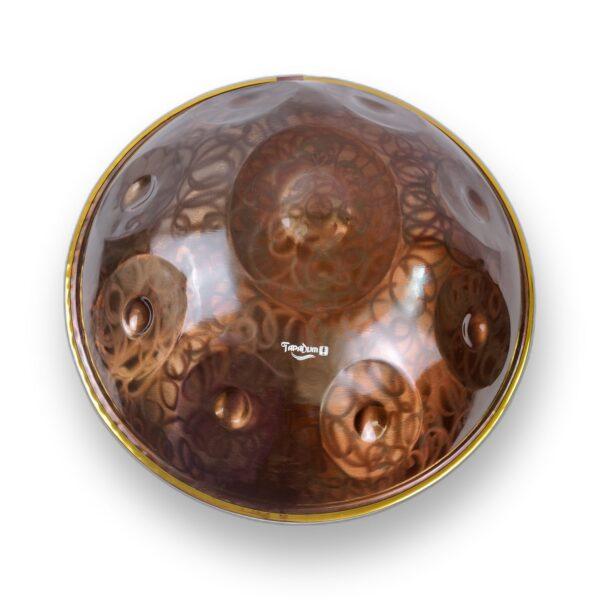
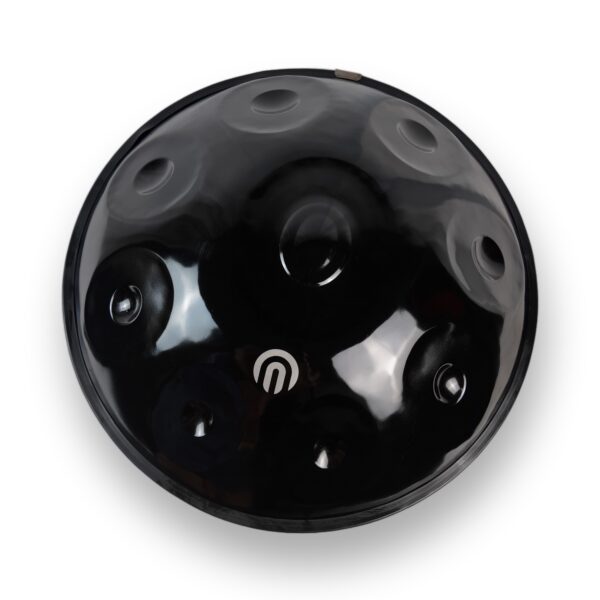
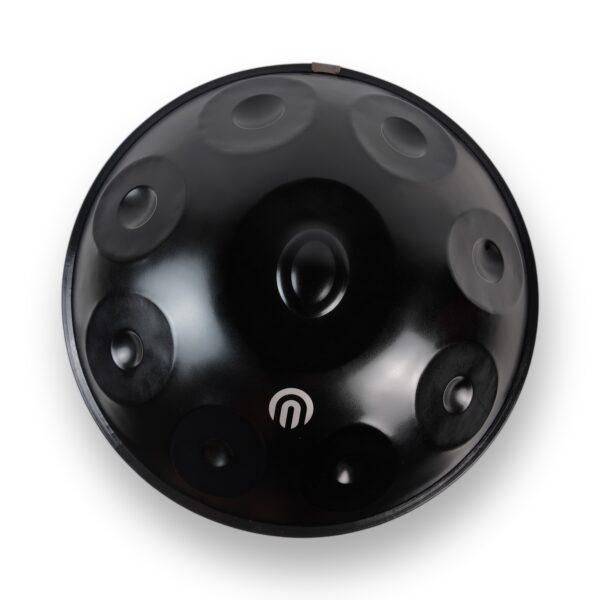
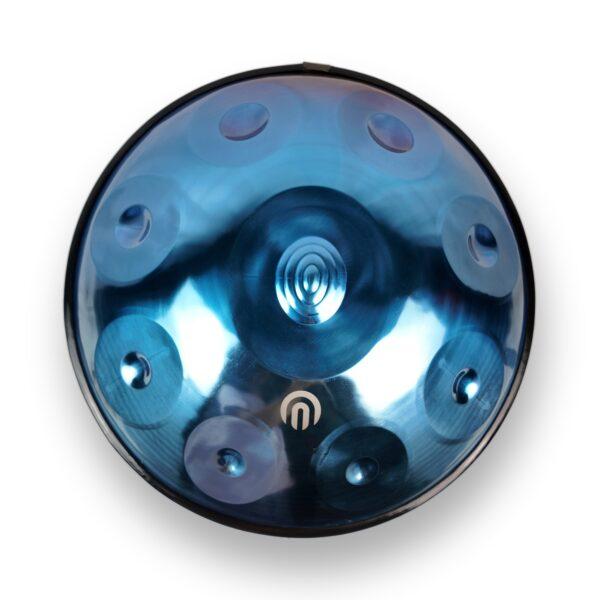
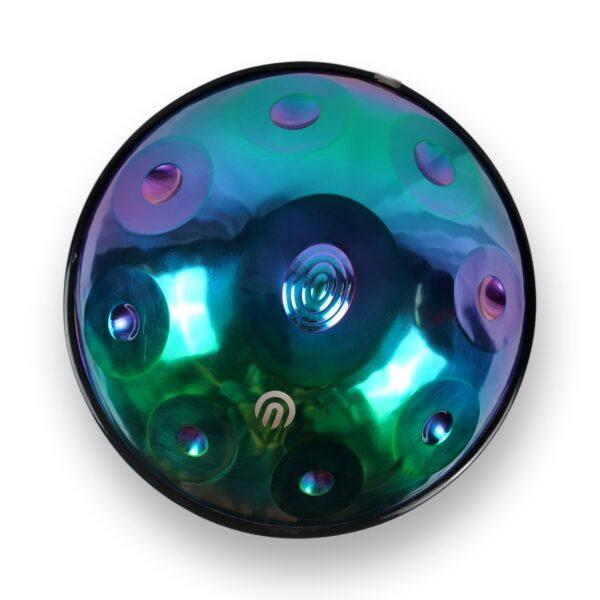
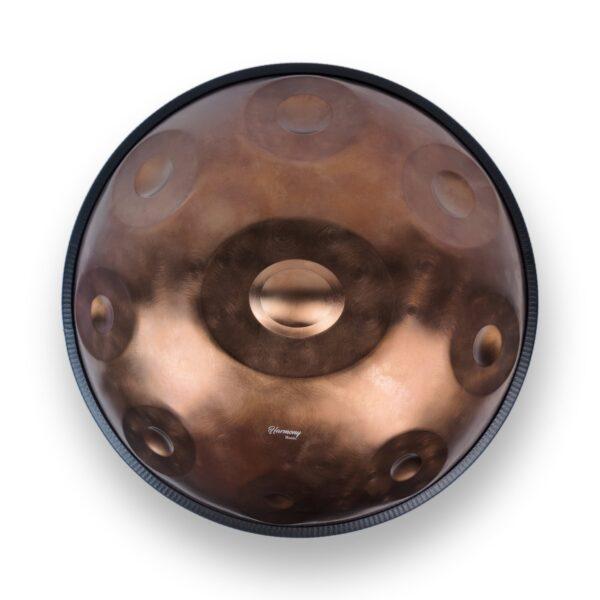
Every instrument below is in stock and sound-tested. Worldwide shipping & 15-day return. If you would like help choosing, our percussion team is glad to guide you between the meditative breath of D Kurd and the expressive voice of Hicaz.

Frequently Asked Questions
What is the best handpan scale for a beginner?
D Kurd — a D minor scale with a natural seventh — is the most recommended scale for beginners. It is a full, diatonic minor scale that allows a wide range of minor and major chords, it is the most widely played scale in the world, and almost all online tutorials are filmed in it, so you will never run short of material to learn from.
How many notes should a beginner handpan have?
Nine notes is ideal for a first handpan. A nine-note layout covers the central doum plus a full octave of the scale — enough to play real music immediately — while keeping the instrument simple enough to learn naturally. More notes add reach and cost you do not yet need.
Should a beginner choose nitrided or stainless steel?
For most beginners, stainless steel is the easier choice: it is brighter, sings with a long sustain, and resists rust with very little maintenance. Nitrided steel has a warmer, more percussive tone but needs regular oiling to prevent rust. If you can, listen to demos of both — your ear’s preference is the right answer.
How much does a beginner handpan cost?
Across the market, entry-level handpans usually start around €800 and rise well beyond €2,000 for professional instruments. Our curated Arsha line begins around €398, an accessible entry point for a properly tuned instrument. Be wary of handpans priced far below the market, as poor tuning cannot easily be corrected.
Do I need a case for my handpan?
Yes. A handpan is sensitive to knocks, and a single dent can push a note out of tune, so a soft gig bag or a hard case is essential protection rather than a luxury. Keep the instrument cased when you are not playing, away from direct sun and sudden changes in temperature.
About the author
Gurkan Ozkan is Tapadum’s percussions curator, a tabla maker and performer based in Izmir. He leads our percussions department and, since 2008, has performed in more than thirty countries. Every handpan in our collection is chosen and sound-tested by his hands. Meet Gurkan →
[…] This guide explains how a handpan produces sound, how D Kurd and Hicaz differ, what note count and steel mean in practice, and how to choose an instrument that will remain satisfying after the first impression. If you already know you want a first instrument and prefer a shorter decision guide, begin with our handpan guide for beginners. […]
[…] same check works on the day a new instrument arrives. If you are still choosing, our guide to the best handpan for beginners explains scales, note counts and steel types. The handpans for sale in our collection are […]