
How We Evaluate a Handmade Instrument Before It Reaches You
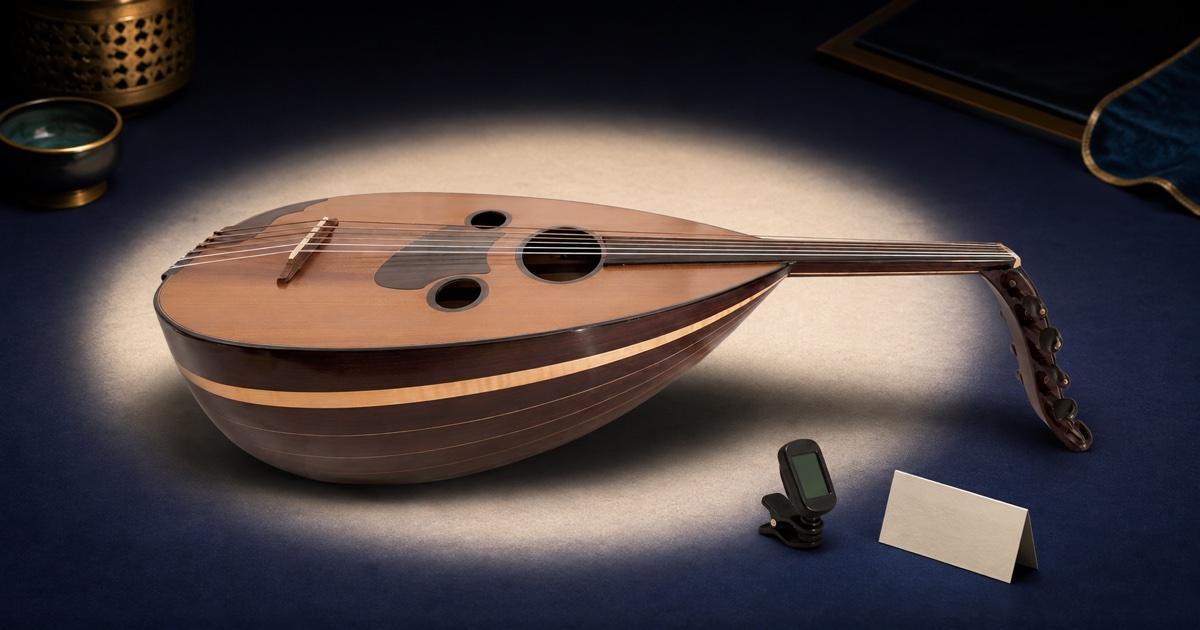
In brief: Tapadum instruments pass through two stages of inspection. The first takes place in our Izmir workshops, where Sertan Sarioglu and Mehmet Nihat San examine the instrument’s physical condition, technical setup, tuning, sound and playability. A second review is carried out in Brisighella by Tapadum founder Özgür Yalçın. The exact checks vary by instrument, but every instrument is reviewed again before dispatch.
A handmade instrument is never just a list of materials and measurements. Two instruments built to the same general specifications can respond differently in the hands, and a small adjustment can change how comfortably an instrument plays.
This is why our work does not end when an instrument arrives from a workshop or maker. Before it reaches a musician, it passes through a practical inspection process in Izmir and Brisighella.
The process is not designed to make every handmade instrument identical. Its purpose is to confirm that the individual instrument is physically sound, properly set up and ready to be played.
Two Locations, One Continuous Inspection
The first stage takes place in Tapadum’s workshops in Izmir. These initial inspections are carried out by Sertan Sarioglu and Mehmet Nihat San.
The instrument is first examined physically. The team then looks more closely at the technical features that affect its setup and use. After these checks, the instrument is tuned and played so that its sound and ease of playing can be assessed.
The second stage takes place in Brisighella, Italy. Here, Tapadum founder Özgür Yalçın reviews the instrument before it is prepared for its next musician.
Having two inspection points gives us a second opportunity to identify changes that may have appeared during storage or transport between locations. It also means that the final decision is based on the individual instrument in front of us, not only on a model name or workshop description.
The First Physical Inspection in Izmir
The first inspection begins with the physical condition of the instrument.
At this stage, the aim is to understand whether the instrument has arrived as expected and whether it is ready for a more detailed technical review. Handmade instruments can include natural variations in wood, skin, clay and other materials. Variation alone is not automatically a fault, but it must be distinguished from an issue that affects the instrument’s stability, setup or musical use.
This physical inspection provides the starting point for everything that follows. There is little value in tuning or playing an instrument before its basic condition has been examined.
Technical Setup: The Details That Affect the Player
The next stage focuses on the technical features of the instrument.
For a stringed instrument, this may include string height, the operation of the pegs and the position or distance of the bridge. These details influence tuning stability, response and playing comfort. A beautiful instrument can still be difficult to play if its setup is not appropriate.
The same checklist cannot be applied to every instrument. An oud, a baglama, a santur, a darbuka and a wind instrument do not present the same construction or adjustment points. The inspection therefore changes according to the instrument family and the individual construction.
What remains consistent is the purpose of the review: to identify anything that needs attention before the instrument is offered or dispatched.
Tuning, Sound and Ease of Playing
After the physical and technical checks, the instrument is tuned and played.
Tuning is not treated as a separate final gesture. It helps reveal how the instrument behaves. The team listens to its sound and considers how easily it responds to the musician.
Playing the instrument can bring attention to something that is not obvious during a visual inspection. It may show that an adjustment is needed, or it may confirm that the instrument is responding as expected.
This stage is especially important because a musical instrument is not a decorative object. Its appearance matters, but its real purpose is to produce music comfortably and reliably.
A Second Review in Brisighella
Once the instrument reaches Brisighella, it is reviewed by Özgür Yalçın.
This second inspection is not simply a repetition of the first. It is a final review at a different point in the instrument’s journey. The instrument may also receive periodic attention while it remains with us, depending on its needs.
Before dispatch, it is checked again. This is important because instruments respond to time, movement and environmental changes. A previous inspection does not remove the need to look at the instrument that is actually about to be packed.
The final review helps confirm that the instrument leaving Brisighella reflects what we know about it and what the customer has been told.
What Happens When We Find a Problem?
Finding an issue does not automatically mean that an instrument must be rejected.
Many problems can be addressed in our own workshops through adjustment or maintenance. The appropriate response depends on the instrument and the nature of the issue.
Some instruments may need a setup correction before they are ready. In other cases, an instrument may be returned rather than offered to a customer.
The important point is that the decision is made before dispatch. We do not want the customer to become the first person to discover a problem that could have been identified during inspection.
Different Instruments Require Different Checks
There is no honest universal checklist that covers every instrument in the Tapadum collection.
Stringed instruments have features such as strings, pegs, bridges and playing action. Percussion instruments and wind instruments require different kinds of attention. Even two instruments from the same family may not need exactly the same work.
For this reason, our inspection process combines a consistent standard with instrument-specific judgment. Every instrument must be physically reviewed, evaluated musically and checked before dispatch, but the detailed steps depend on what the instrument is and how it is built.
This approach respects the character of handmade instruments without treating variation as an excuse for avoidable problems.
Periodic Care Before Dispatch
An instrument may spend time in our care before it is purchased. During this period, maintenance is carried out when the instrument requires it.
The final inspection therefore does not rely only on what was observed when the instrument first arrived. Its current condition matters more than an old checklist.
Before packing, the instrument is reviewed once again. Necessary adjustments can then be made before it begins its journey to the customer.
Requesting a Sound or Video Recording
Buying an instrument online sometimes requires information that specifications and photographs cannot provide.
Customers who want to hear or see an instrument before making a decision can contact us through WhatsApp or email. When requested, we can prepare and send a sound or video recording of the instrument.
To request a recording, visit the Tapadum contact page and reach us through the available WhatsApp or email options.
A recording does not replace the complete inspection process. It gives the customer an additional way to experience the instrument and ask questions before it is packed.
A Handmade Instrument Should Be Known Individually
Handmade instruments should not be treated as anonymous units taken from a shelf.
The maker, materials and general specifications matter, but so does the condition and response of the individual instrument. That is why our process moves from physical inspection to technical setup, tuning, playing and final review.
The work begins in Izmir, continues in Brisighella and ends with one more check before dispatch.
The aim is simple: the instrument should reach its new musician ready to begin its next part of the journey.
Frequently Asked Questions
Who checks Tapadum instruments?
The initial inspections in Izmir are carried out by Sertan Sarioglu and Mehmet Nihat San. A second review in Brisighella is carried out by Tapadum founder Özgür Yalçın.
Is every instrument played before dispatch?
Every instrument is checked before dispatch. The process includes tuning, sound and playability checks where these apply to the instrument. The exact procedure changes according to the instrument family.
What happens if a problem is found?
Many issues can be corrected through adjustment or maintenance in our own workshops. Depending on the instrument and the problem, some instruments may instead be returned.
Does every handmade instrument follow the same checklist?
No. Stringed, percussion and wind instruments have different construction and adjustment points. The general inspection standard remains consistent, but the detailed checks are adapted to the instrument.
Can I request a video of an instrument before buying it?
Yes. Contact Tapadum through WhatsApp or email and tell us which instrument you are considering. When requested, we can prepare and send a sound or video recording before the instrument is packed.