Winds
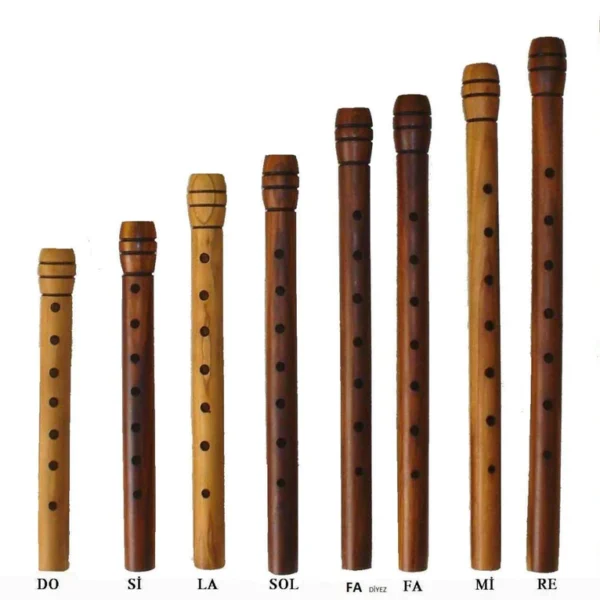
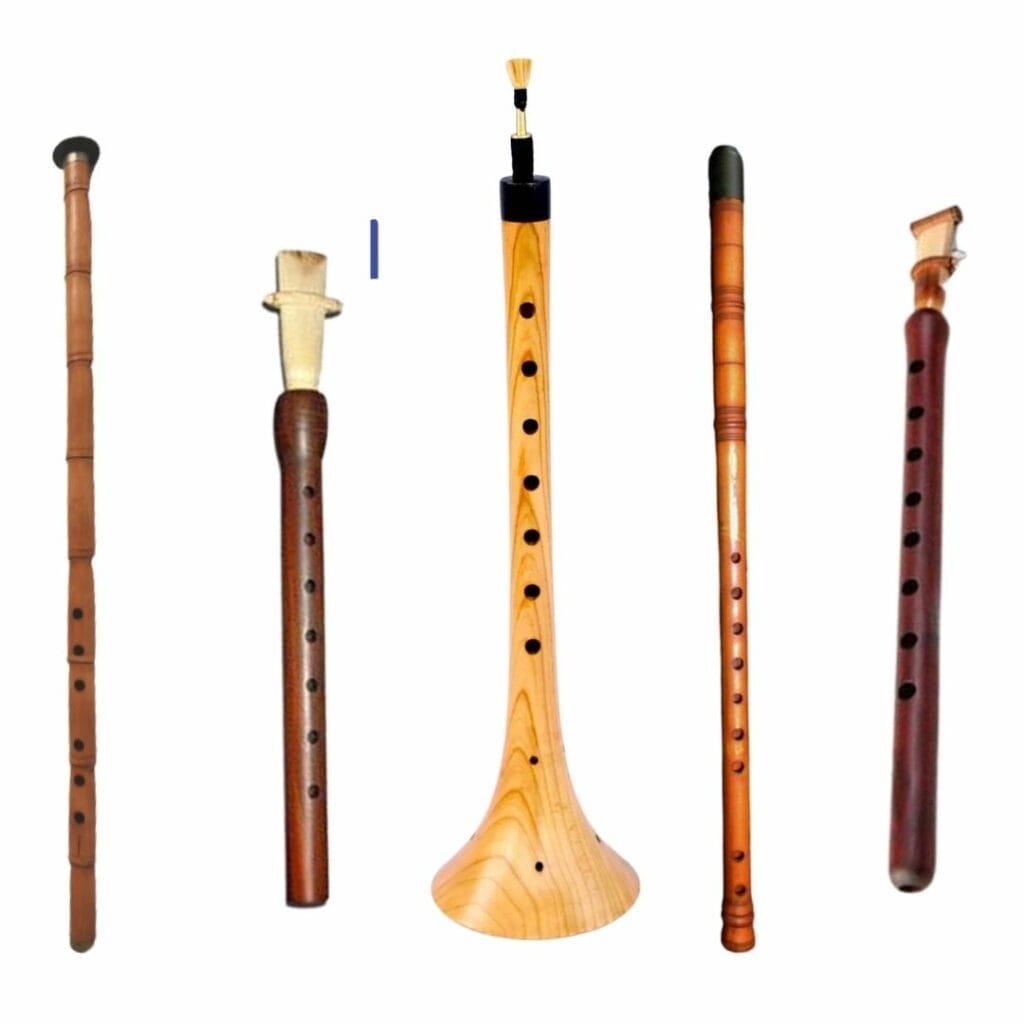
Tapadum’s Winds collection brings together the traditional wind instruments at the heart of Anatolian and broader Middle Eastern musical heritage — the ney, mey, kaval, and zurna, together with the Persian ney anban. Each instrument is built by a master luthier whose work carries centuries of regional wind-making tradition, and the entire category is curated by Volkan Incuvez, our wind instruments specialist with deep roots in Turkish wind traditions.
The Turkish ney anchors this collection. We offer it in five tunings — Supurde (D), Bolahenk (E), Mansur (A), Yildiz (C), and Kiz (B) — each crafted by master luthier Kemal Ucok. Kemal shapes every ney from kargi reed — the giant reed Arundo donax, not bamboo — aged for at least fifteen years, sourced from Turkey’s Ege, Marmara, and Mediterranean regions. The ney’s breathy, meditative tone has carried Sufi devotional practice and classical Turkish makam music for centuries, and remains essential to Mevlevi ceremonies and contemporary world-music ensembles alike.
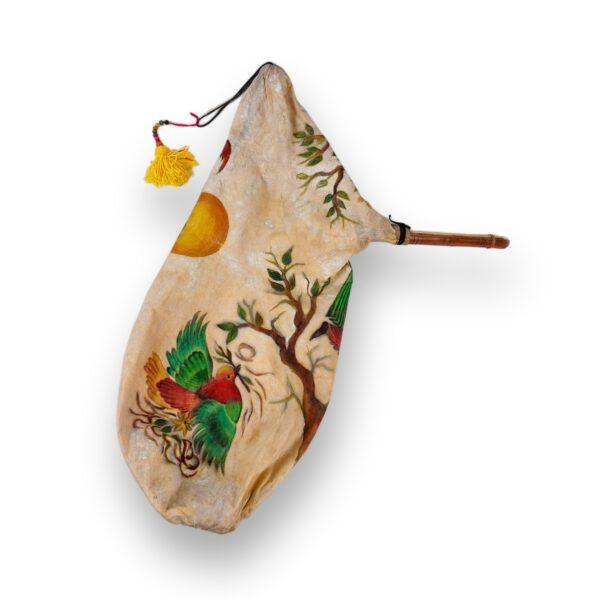
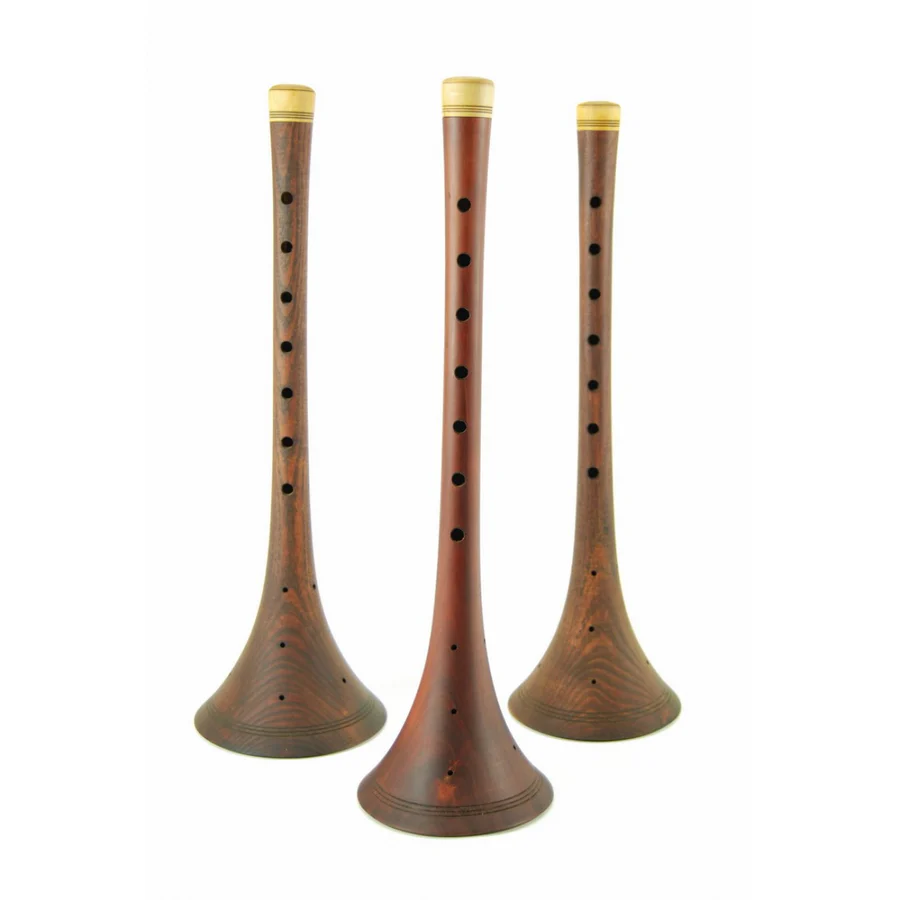
The remaining winds are crafted by Ali Riza Acar, a wind master whose construction range spans the full Anatolian wind repertoire. The mey brings the warm, melancholic voice of Anatolian folk — a short-bored reed instrument built from seasoned apricot wood with a handcrafted double reed, producing the deep, expressive timbre that has defined village laments and pastoral songs for centuries. The kaval, a rim-blown shepherd’s flute of the Anatolian and Balkan traditions turned from plum wood, delivers warm, rounded tones suited to introspective melodies. The zurna, a double-reed instrument capable of celebratory brilliance, fills wedding processions and folk dances across Turkey, the Balkans, and the Middle East. From Iran’s Persian Gulf coast comes the ney anban, the droneless bagpipe of Bushehr, hand-built by the maker Behbahani with a hand-painted goatskin bag and a double cane chanter.
When evaluating a handcrafted wind instrument, four factors carry the most weight in our experience as curators. First, the bore geometry — for the ney and kaval, the internal diameter and taper determine whether the instrument speaks cleanly across its full range; for the mey and zurna, the bore profile shapes how the double reed couples with the body. Second, the reed preparation — for the mey and zurna, the reed must be shaped, soaked, and broken in with skill, since reed quality alone can make or unmake the instrument’s voice. Third, the material: seasoned apricot wood for the mey, aged kargi reed (fifteen-plus years) for the ney, plum wood for the zurna and the kaval — each tradition’s wood selection is regionally specific and ages the instrument’s sound over time. Fourth, master curation — what separates a workshop ney from a professional-grade instrument is the years of listening and selection that go into choosing each piece. These are the criteria Volkan Incuvez applies when bringing each instrument into our catalog.
Explore related collections — our string instruments, percussion, and bowed instruments — for the broader Tapadum catalog.
Frequently Asked Questions
Which traditional wind instruments does Tapadum carry?
Who crafts the wind instruments in this collection?
What materials are used in these wind instruments?
What's the difference between the Turkish ney and the mey?
How should I choose between the five Turkish ney tunings?
How much do Tapadum's wind instruments cost?
Which wind instrument is best for a beginner?
Where can I buy an authentic Turkish ney or wind instrument?


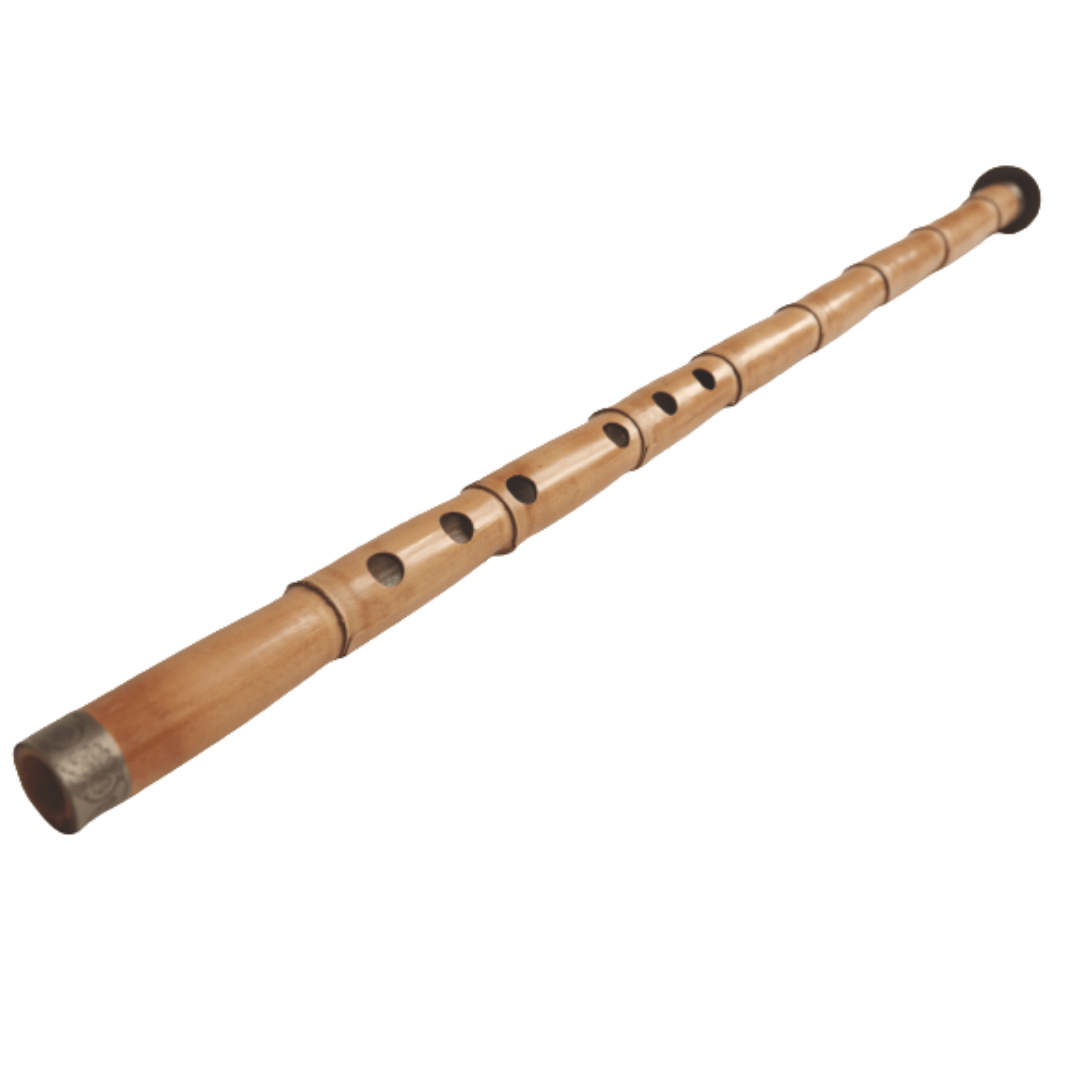
Professional Turkish Ney A-Tune ( Mansur )
Turkish ney in Mansur tuning (A) — the deeper, fuller voice among the five standard tunings Hand-carved from kargi reed (Arundo donax, not bamboo) seasoned a mi…
€245,34 Open piece →