
Description
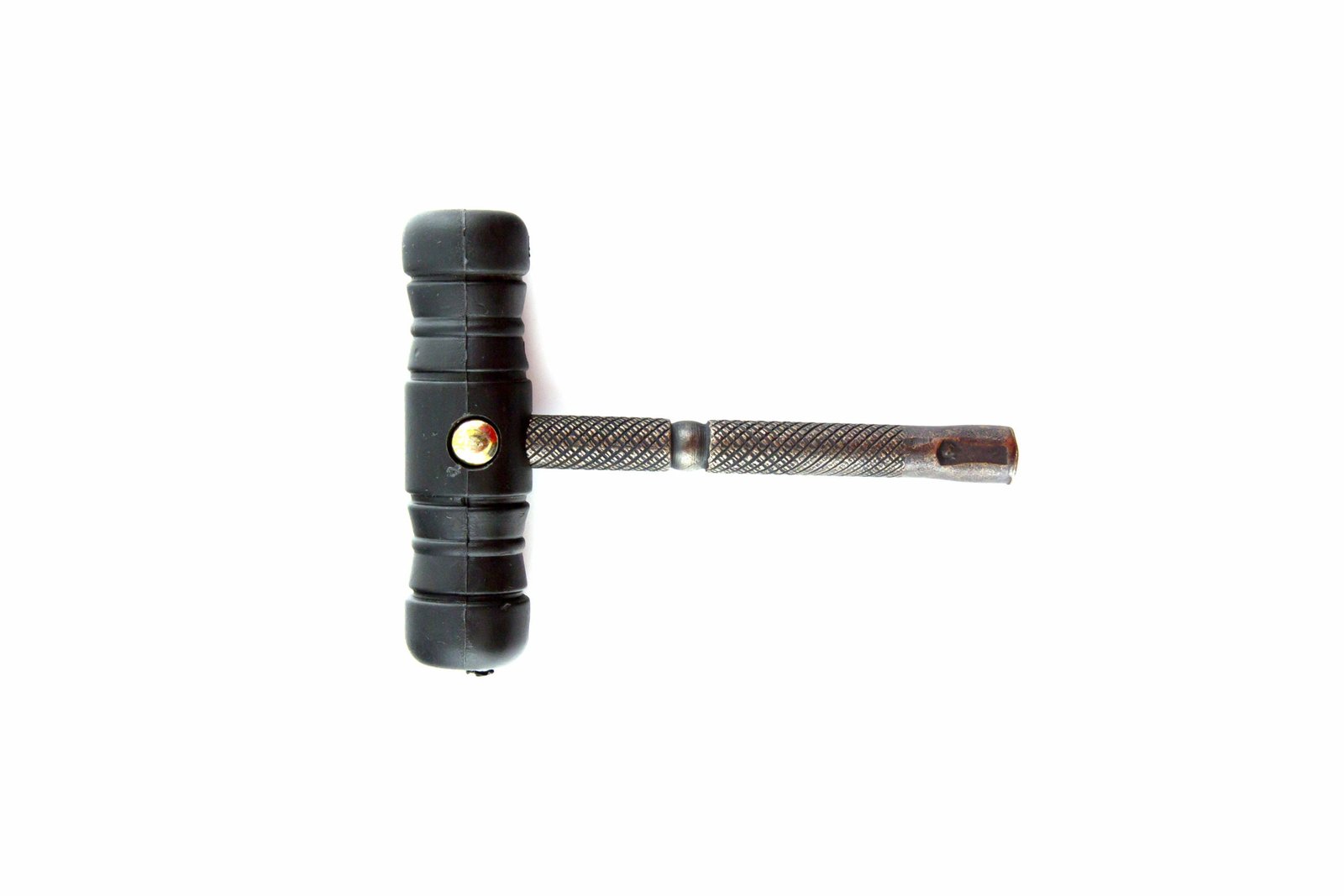
This santur tuning key is a T-shaped wrench for turning the tuning pins of the santur. It is for players who tune their own instrument, at home, in lessons and before a concert. The key has a T-shaped handle, a metal shaft with a knurled section, and a hollow socket at the tip that fits over the pin.
Why the Santur Needs a Tuning Key
A Persian santur has two rows of nine bridges, with four strings tuned in unison over each bridge: 72 strings in all. Each string is wound on a tuning pin, and the pins are turned with a wrench, as on the hammered dulcimer or the piano. Santur players retune for different modes and correct the pitch whenever temperature and humidity change, so the key is used at almost every session.
How to Use the Tuning Key
Place the socket fully over the pin before you turn; a socket that sits only halfway can slip and wear the pin head. Use the knurled shaft to spin the key quickly with your fingers, then the handle for the last small movements. Turn in small steps and listen after each one, because all four strings of a course must sound exactly together.
Tune Your Santur
Use our free online tuner at tuner.tapadum.com in chromatic mode to check each course while you turn the key.
Technical Specifications
| Specification | Details |
|---|---|
| Product | Santur tuning key (tuning wrench) |
| Handle | T-shaped |
| Shaft | Metal, with knurled section |
| Tip | Hollow socket for the tuning pins |
| Instrument | Santur |
What Is Included with the Santur Tuning Key
- One santur tuning key
Who It Is For
Every santur player needs a tuning key, and many keep a second one in the instrument case or at their teacher’s studio. Tuning pin sizes can differ between instruments; if you are not sure whether the socket fits your santur, contact us with the pin size before ordering. Find sticks, strings and more in our santur accessories, and instruments in the santur and hammered dulcimer collection.
Care and Storage
Keep the key in the santur case so it is always at hand, and wipe the shaft dry after use. If the socket starts to slip on the pins, replace the key: a worn socket rounds off the pin heads and makes tuning harder.



Reviews
There are no reviews yet.