The Science of Group Drumming: Stress, Mood & Connection

What you’ll learn: what happens in the body and mind during group drumming, what controlled studies actually measured (mood, anxiety, stress hormones, immune markers), why playing together matters more than playing alone, and which hand drums suit a first circle.
Group drumming is one of the few musical activities with measured effects on mood, stress, and social connection. In a controlled 2016 study, ten weeks of group drumming lowered depression scores by 38% and anxiety by 20%, while a comparison group showed no change. The reasons are physical, chemical, and social at once: steady shared rhythm, active movement, and the simple act of making sound with other people.
This is not a wellness claim dressed up as science. The findings below come from peer-reviewed research, and we point to each source. What the workshop teaches us in Izmir — that a drum circle changes the room — the studies help explain.
What group drumming does to mood and anxiety
The clearest evidence comes from a 2016 trial published in PLOS ONE. Mental-health service users took part in ten weekly group drumming sessions. By week ten, depression had fallen by 38% (a significant drop, p<0.001) and anxiety by 20% (p<0.05). The control group, who did not drum, showed no comparable change. Social resilience — the sense of support and belonging — rose by 23%.
Two details matter for anyone considering a drum circle. The gains built over weeks, not in a single session. And they came from playing in a group, not alone. Shared rhythm seems to be the active ingredient.
Read the 2016 PLOS ONE group drumming study.
The stress-hormone and immune findings
An earlier controlled study (Bittman and colleagues, 2001) looked deeper into the body. A composite group-drumming session shifted the DHEA-to-cortisol ratio upward — the opposite direction of the classic stress response. It also raised natural killer cell activity, part of the immune system’s front line.
The 2016 trial found a related theme: the ten-week programme was linked with an anti-inflammatory shift in immune markers. In plain terms, the body’s stress chemistry moved away from “alarm” and toward “recovery.” These are early findings on modest samples, not medical proof, but the direction is consistent.
See the 2001 neuroendocrine-immune drumming study.
Why rhythm feels good: entrainment and reward
When a group locks into a pulse, individual timing pulls toward a shared beat — a process called entrainment. Playing in time with others is both a physical task and a social signal. Listening to music you enjoy is also known to release dopamine, the brain’s reward chemical, which helps explain why a good groove is hard to stop.
A systematic review of rhythm-centred music making — mostly drumming and percussion — concluded it can improve physical, psychological, and social health. The mechanism is not one thing; it is movement, sound, and togetherness working at once.
Who benefits, and how to start
Group drumming asks nothing technical to begin. There is no scale to memorize and no wrong first note, which is why it suits complete beginners, families, and community or workplace groups. The research populations ranged from mental-health service users to healthy adults.
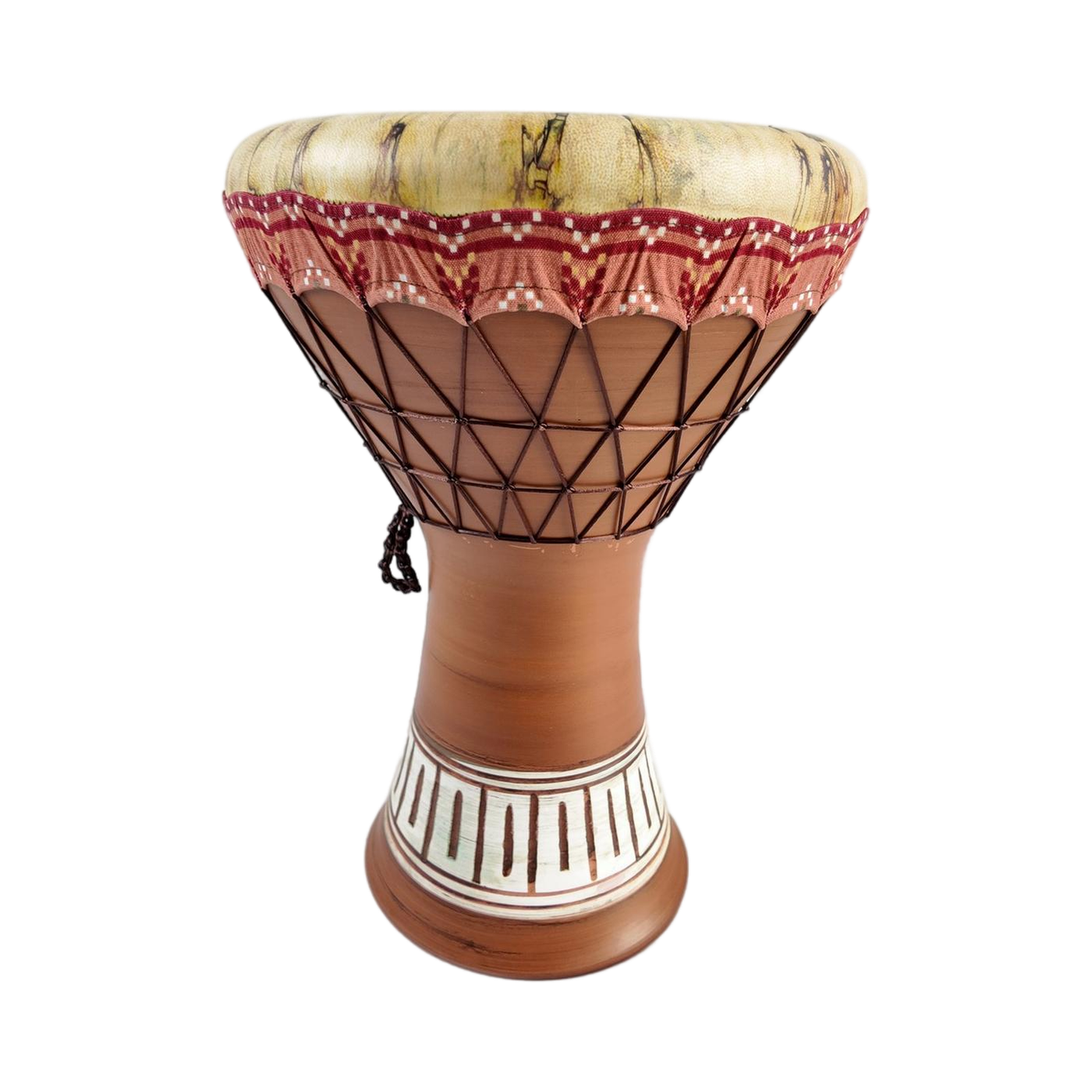
A first circle needs only accessible hand drums. In our Izmir atelier we test each clay darbuka against an aluminum reference, because tone and weight decide how long a beginner keeps playing. Good starting choices:
- Darbuka (goblet drum) — bright, responsive, forgiving for first hands. See our guide to essential darbuka rhythms to learn three foundational patterns.
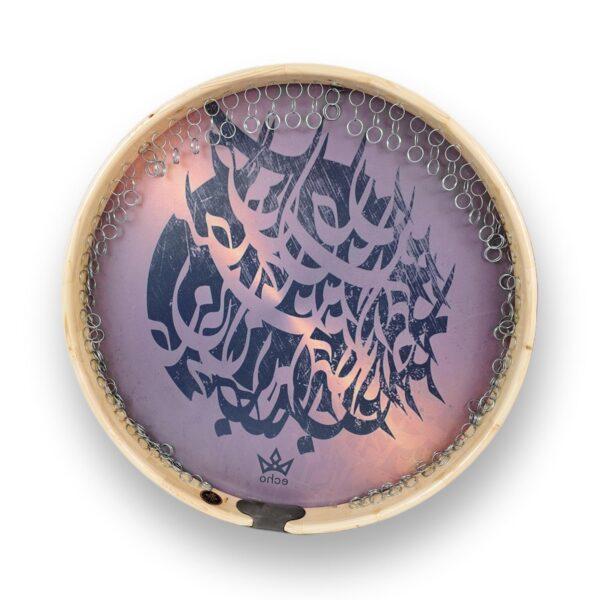
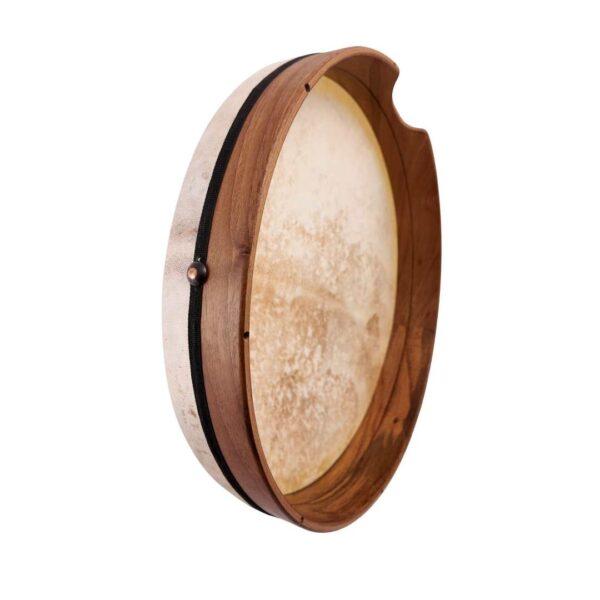
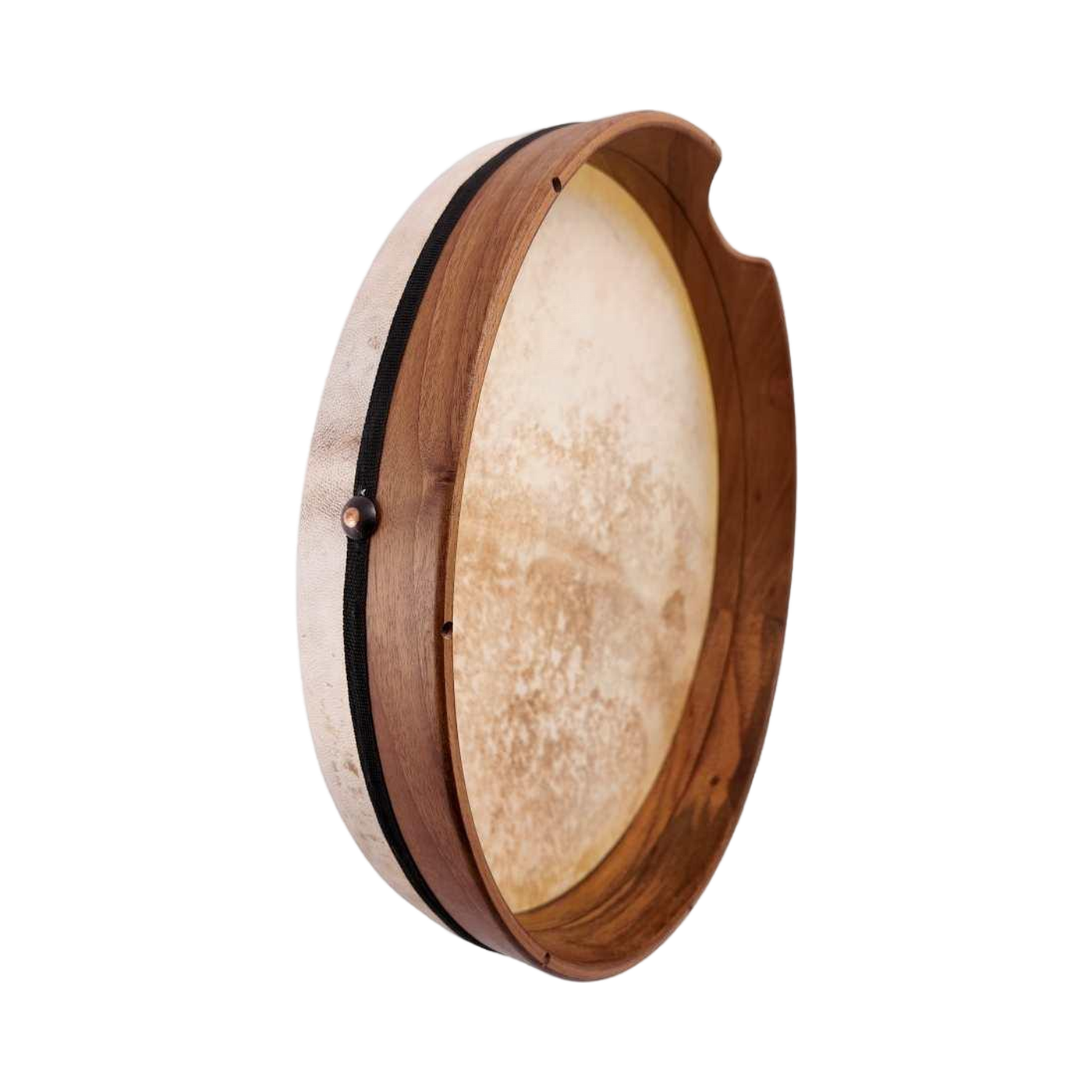
- Frame drums (daf, bendir) — deep, steady, ideal for holding a group pulse. Compare them in frame drums of the world.
- Cajon — a box drum with a full low-to-crisp range for one player anchoring a circle.
Hear the tone of a hand-crafted Tapadum darbuka before you choose one for your circle:
Browse the full range in our percussion collection.
An honest note on the evidence
The studies here are encouraging but modest in size, and short-term effects are better documented than lasting ones. Group drumming is not a treatment for any medical condition. What the research supports is simpler and still worth having: a low-barrier activity that lifts mood, eases stress, and brings people together.
Frequently Asked Questions
Does group drumming really reduce stress?
Controlled studies suggest it can. A 2016 PLOS ONE trial found ten weeks of group drumming lowered anxiety by 20% and depression by 38% versus a non-drumming control group, alongside stress-hormone and immune changes pointing toward recovery rather than alarm.
Do I need to know how to play a drum?
No. Group drumming has no entry technique — no scale, no reading, no wrong first note. Its accessibility is part of why researchers use it with complete beginners.
Which drum is best for a beginner circle?
A darbuka or a frame drum such as a daf or bendir. Both respond well to untrained hands and hold a steady group pulse. A cajon works well for a single player anchoring the rhythm.
How long before drumming affects mood?
In the main study, benefits built over about ten weekly sessions rather than a single meeting. Regular, repeated playing appears to matter more than one long session.
Start Your First Circle
Four hand drums that work well together in a beginner circle — pick one, or mix a few voices: