

Description
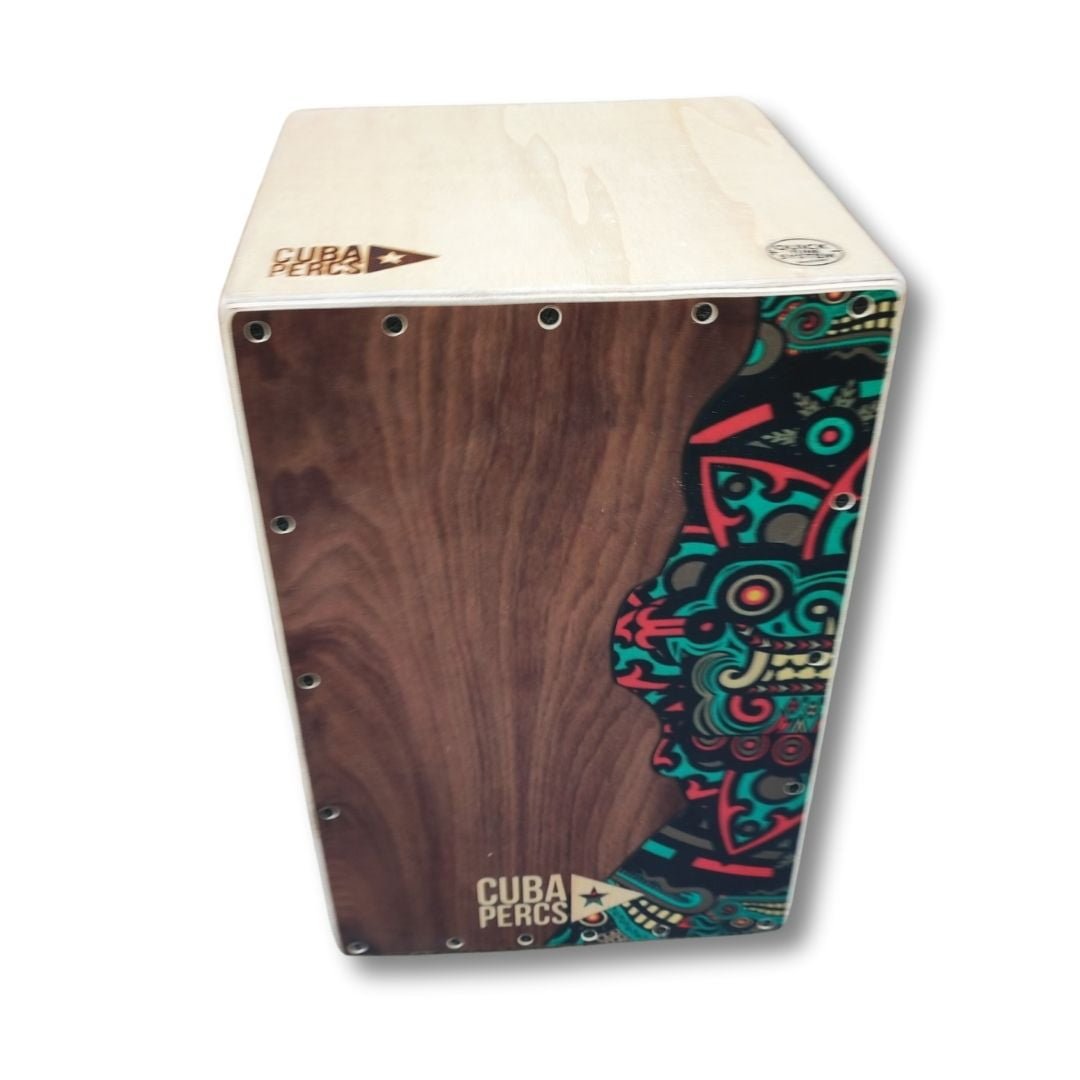
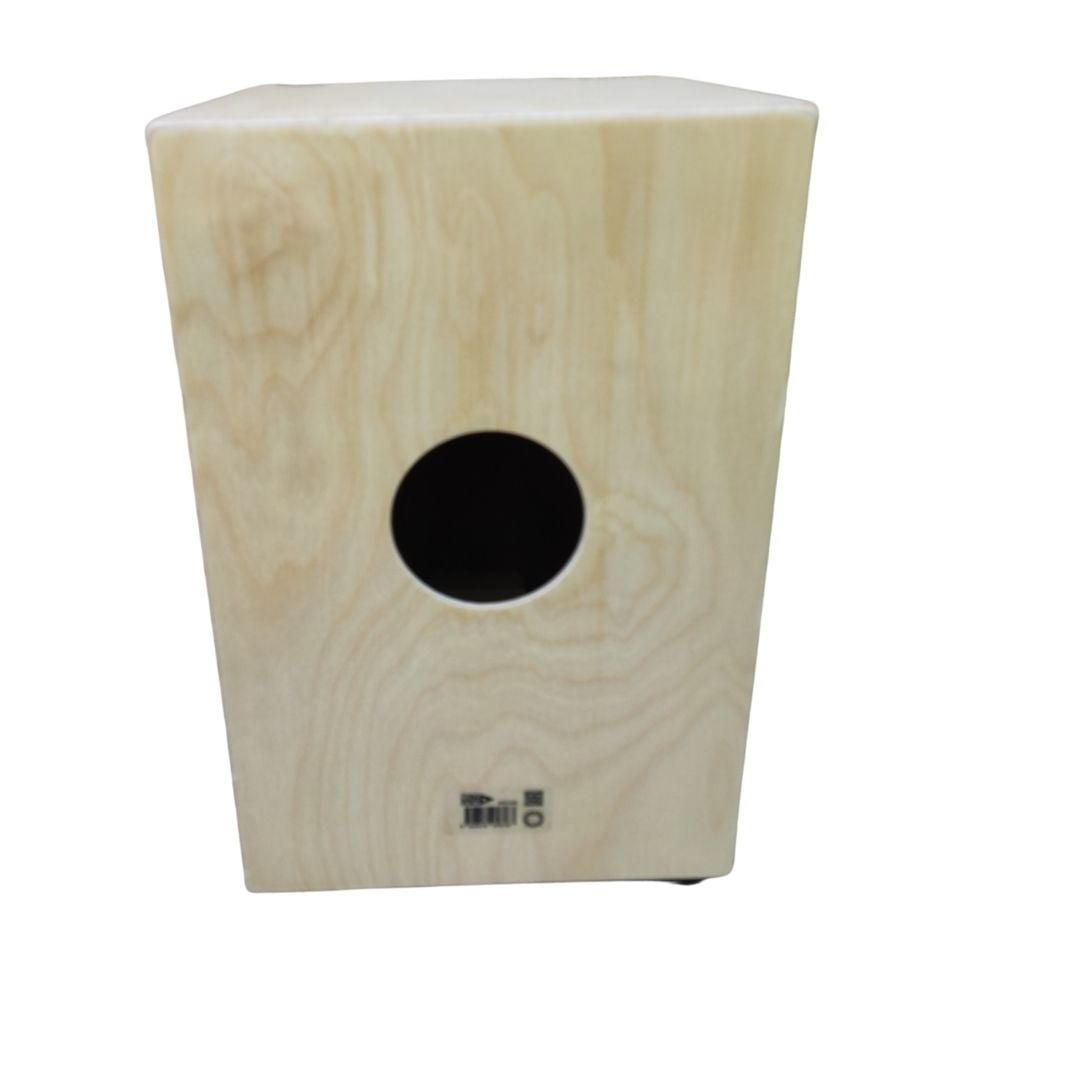
The cajon is a box-shaped hand drum you sit on and play by striking its front face, and the Cajon by Cuba Percs (model n.1) is a full-size instrument tuned for both the deep bass of Afro-Peruvian rhythm and the crisp snare crack of flamenco. Its birch front, hardwood body and dual adjustable snare cables give you the two core cajon voices — a round bass from the centre and a bright slap from the top edge — in one durable, self-contained percussion instrument.
Materials & Build
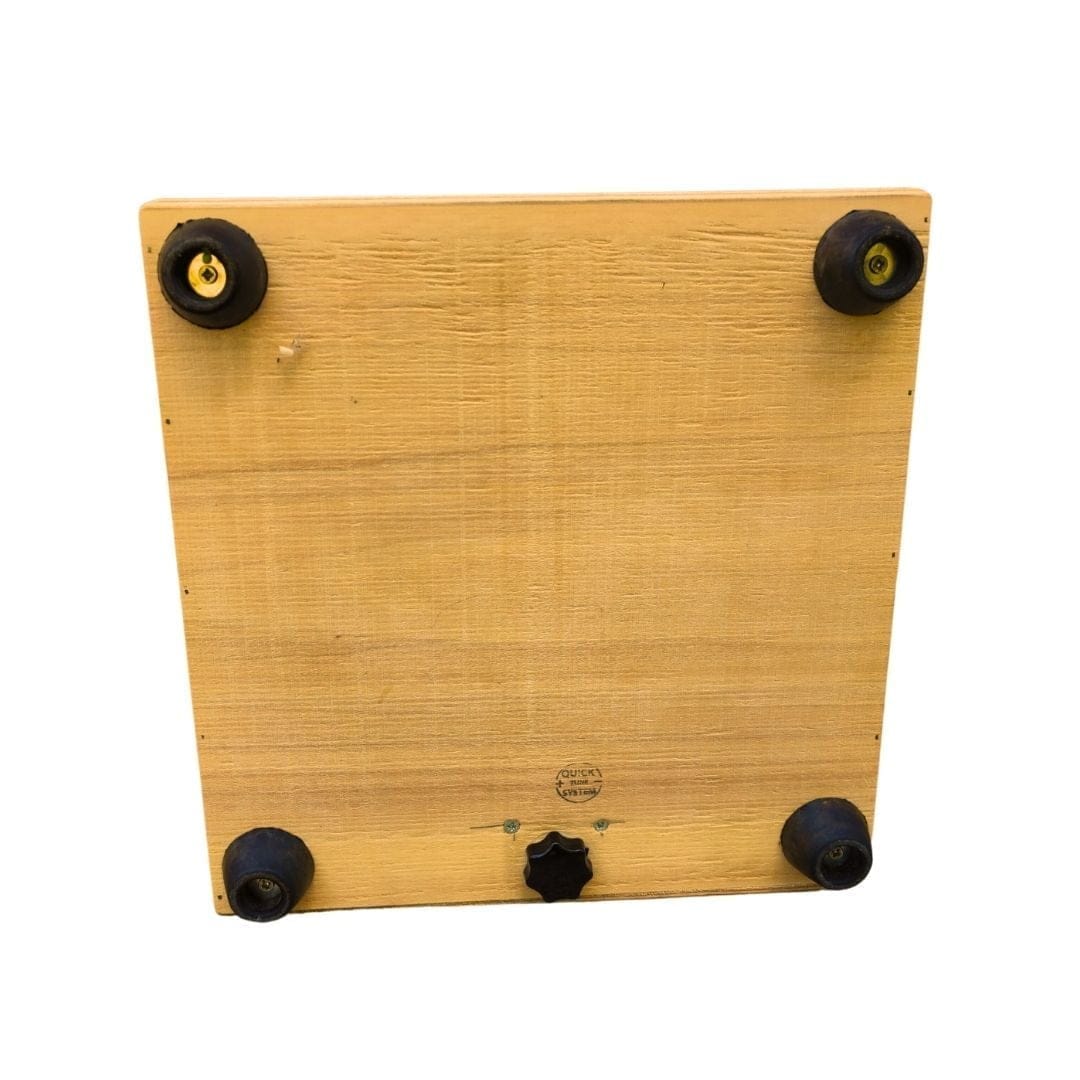
The body is built from beech and poplar, a pairing that keeps the box manageable in weight while giving the bass a warm, woody resonance. The playing face — the tapa — is a birch soundboard, the wood most cajon makers favour for its balance of attack and give: it flexes just enough for a punchy slap yet stays firm for a full bass tone. Slip-resistant plastic feet keep the drum planted while you play, so it does not creep across the floor during fast passages.
Snare System & Sound
Behind the tapa sit two cable snare systems with QTS speed adjustment, and this is what gives the cajon its buzzing sizzle. Because both cable sets are adjustable, you can dial the snare from a tight, dry flamenco rasp to a looser, more open buzz — or back the tension right off for a clean, snare-free bass drum. That range lets one instrument cover flamenco, acoustic pop, singer-songwriter sets and drum-circle playing without swapping drums.
Technical Specifications
| Feature | Specification |
|---|---|
| Body | Beech and poplar |
| Front (tapa) | Birch soundboard |
| Snare system | Two adjustable cable systems (QTS speed) |
| Feet | Slip-resistant plastic |
| Dimensions | 30 × 30 × 45 cm |
| Weight | 3.5 kg |
Playing the Cajon & Who It’s For
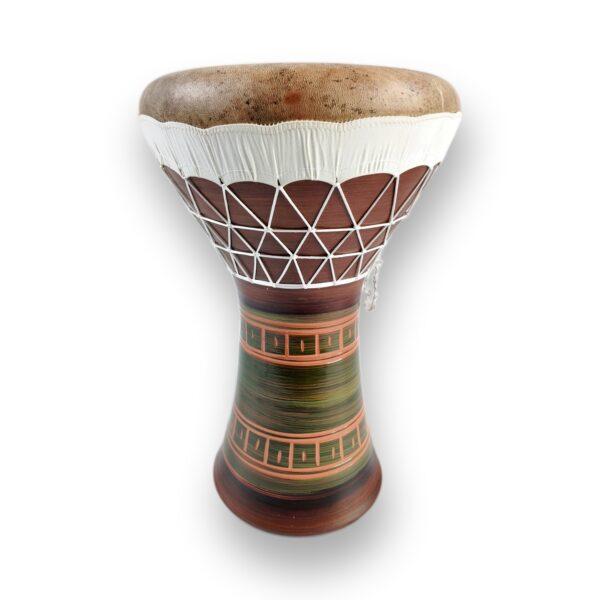
You play the cajon sitting on top, leaning slightly forward, and strike the tapa with your hands: a full palm near the centre for bass, the fingers at the top corner for the slap. It suits complete beginners — there is no tuning to learn and the two basic strokes come quickly — as well as gigging percussionists who want a portable stand-in for a full kit. With adjustable snares and a standard 30 × 30 × 45 cm body, it works under a singer’s foot at an open mic or inside a full percussion section. Pair it with a Turkish bendir frame drum for a broader hand-percussion setup.
Musical Traditions
The cajon began on the coast of Peru, built by enslaved Africans from shipping crates, and it remains the heartbeat of Afro-Peruvian música criolla. In the 1970s the guitarist Paco de Lucía brought it into flamenco, where it soon became the standard percussion instrument, and from there it spread into acoustic pop, folk and world fusion. Browse our full cajon range and our other hand drums such as the darbuka, or read more about the instrument’s history at the Cajón reference.
Care & Maintenance
Keep the cajon in a dry place away from direct heat and damp, both of which can warp the birch tapa or loosen the joints over time. Wipe the surfaces with a soft, dry cloth, check the snare-cable tension now and then, and avoid leaving the drum in direct sun for long periods. Handled this way, a beech-and-poplar cajon will hold its tone and its snap for many years.



Reviews
There are no reviews yet.