
Description
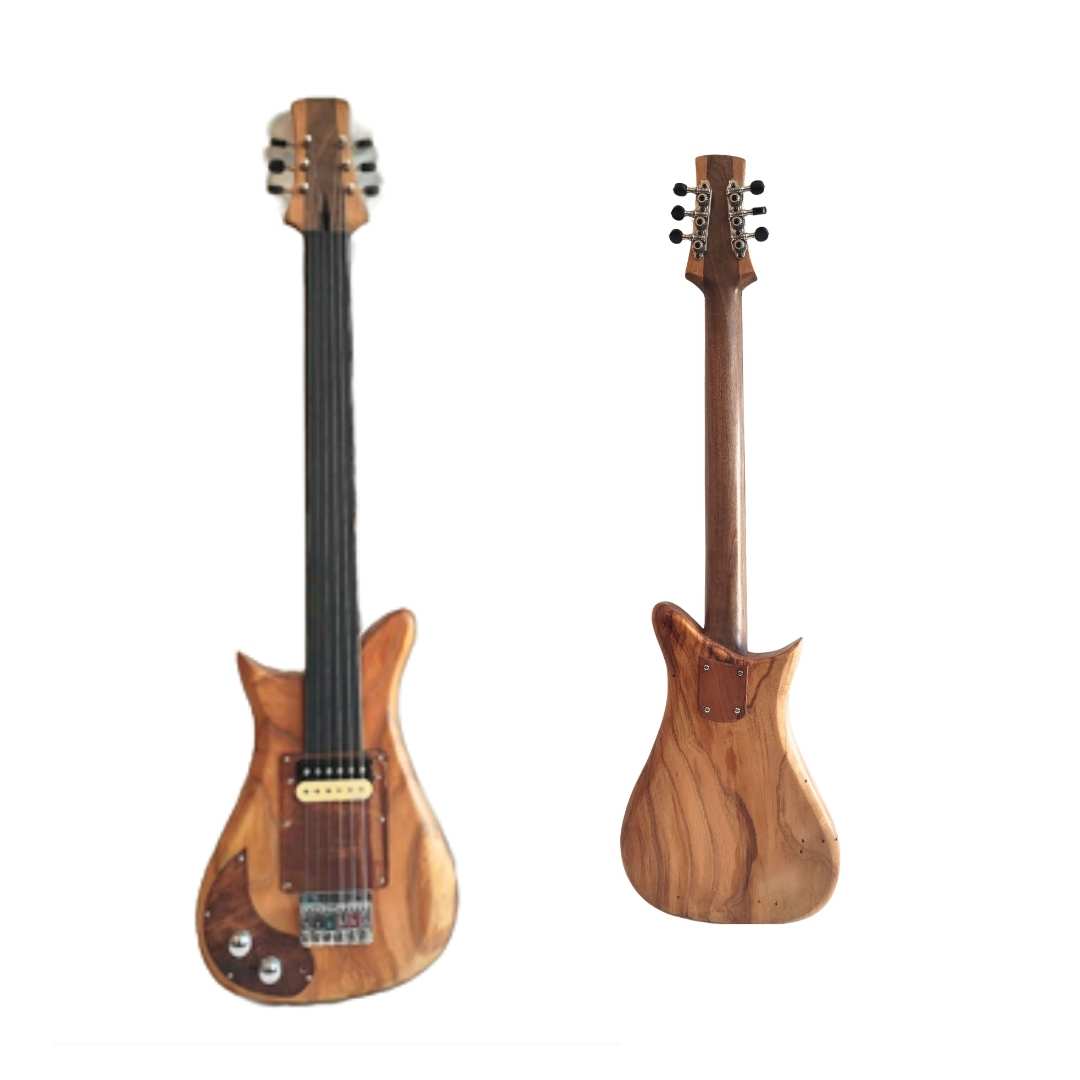
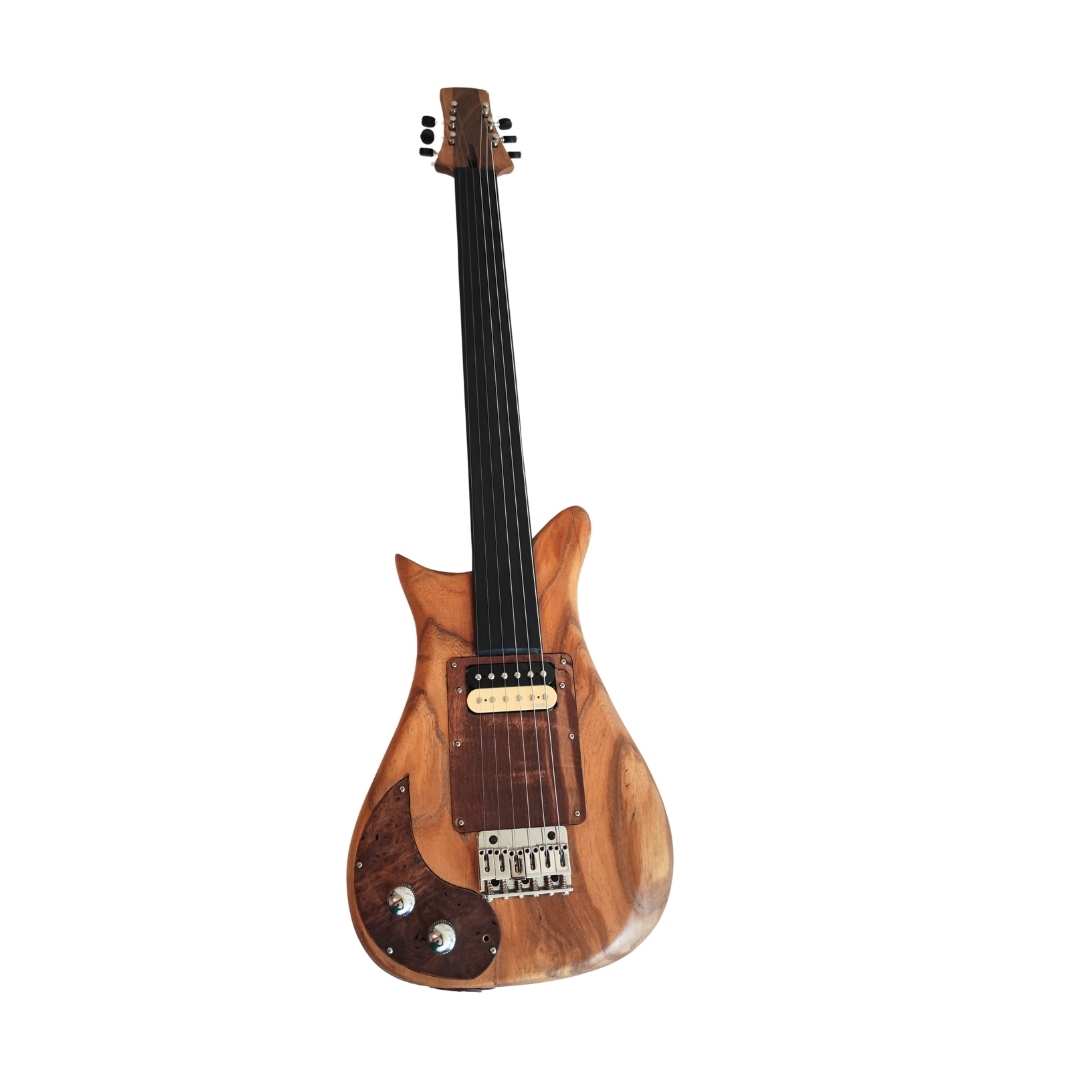
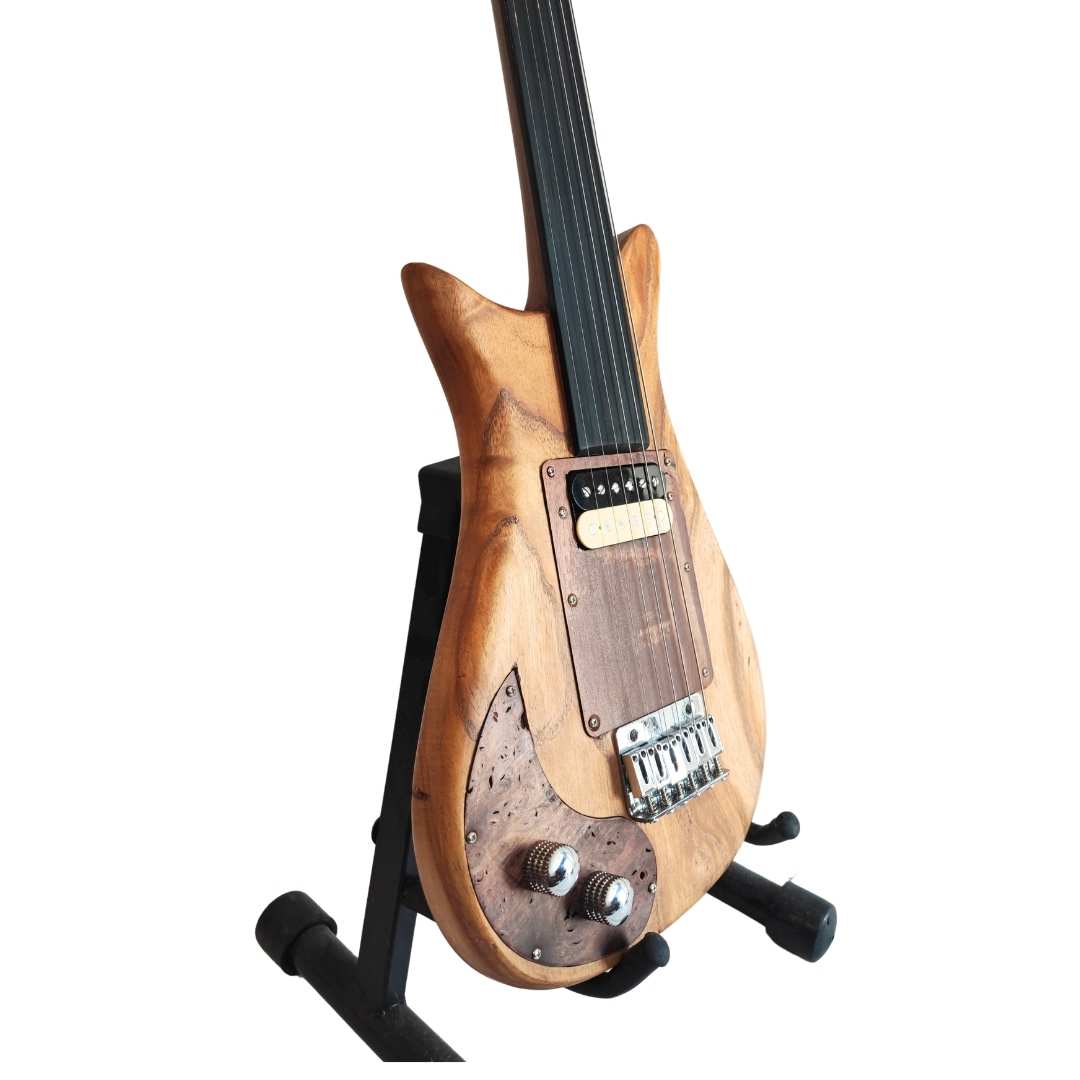
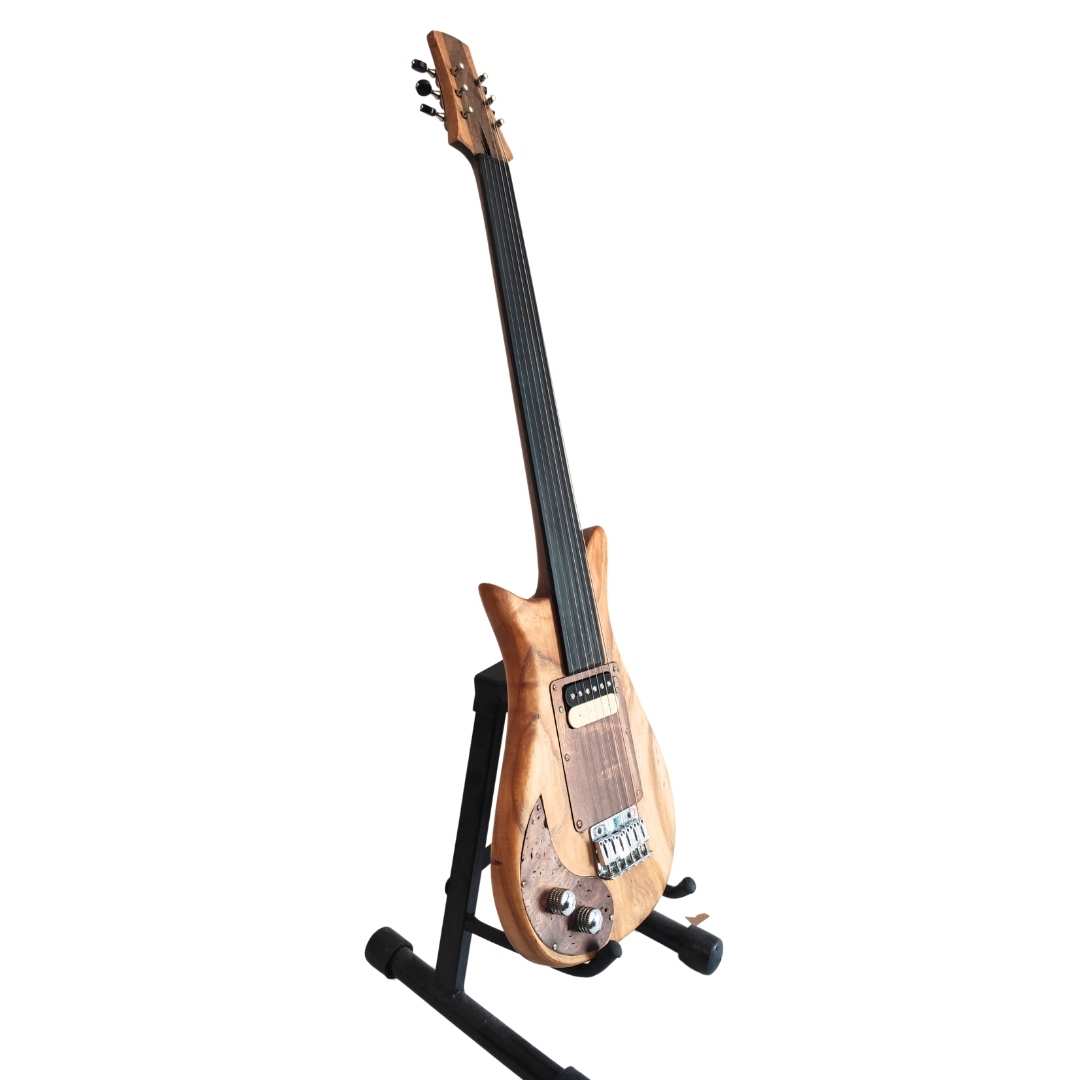
The Left Handed Fretless Electric Guitar from Tapadum is a handcrafted instrument built for southpaw musicians who want to break free from Western tonal conventions. With a fretless neck, microtonal capability, and expressive sustain, this guitar opens the door to world music, experimental phrasing, and sliding ornamentation rarely accessible on standard fretted instruments. Handbuilt by Tapadum’s luthiers, it merges Anatolian lutherie traditions with modern electric guitar design.
Mulberry Body — Warm, Resonant, Richly Grained
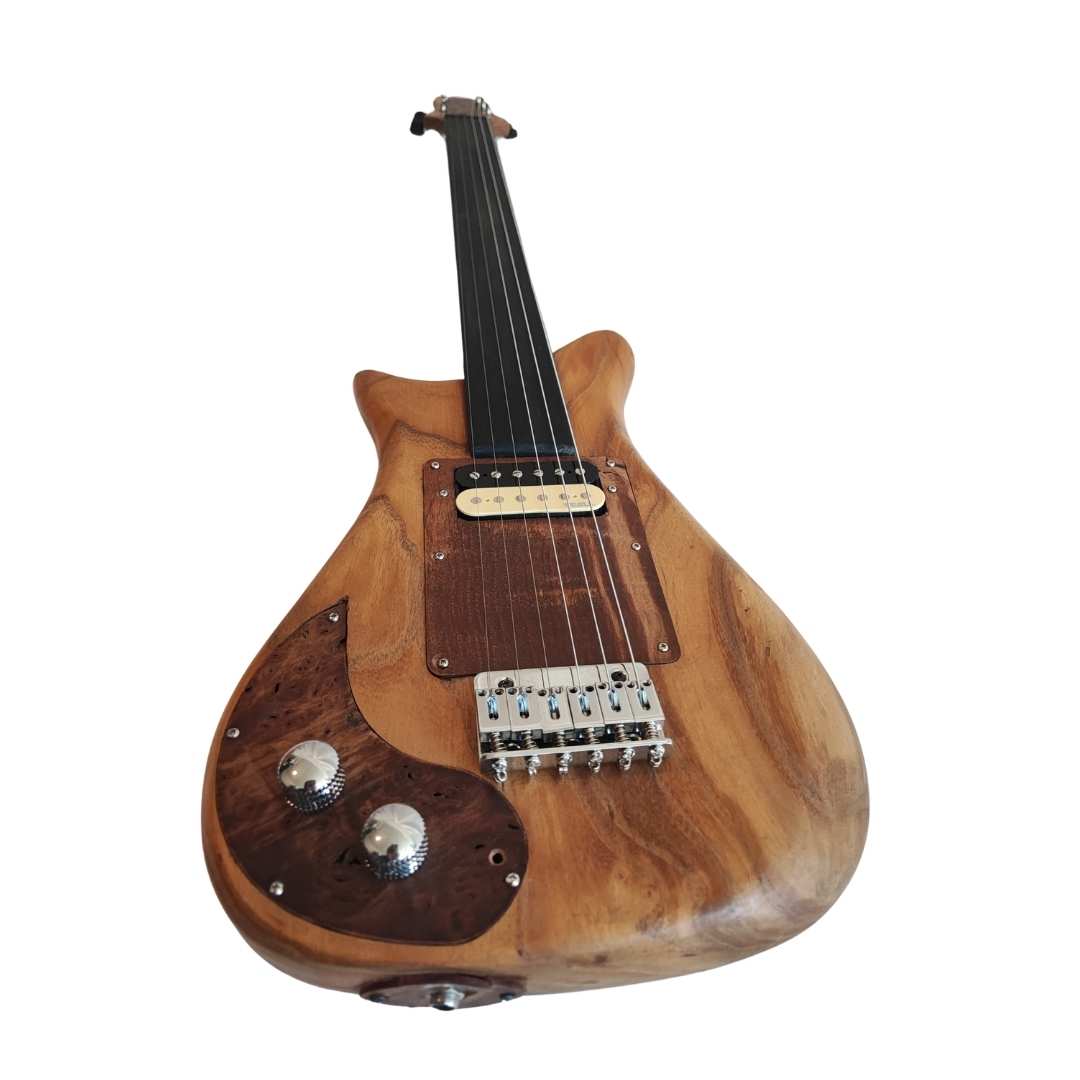
The body is carved from mulberry wood, a tonewood long favored in Turkish lutherie for its warm, woody midrange and visually striking grain. Mulberry offers a broader tonal palette than common guitar woods like alder or basswood — producing notes that feel more alive, with a natural compression that suits sliding and microtonal playing. The sculpted body shape balances comfortably against the player, with a contoured offset that feels natural for left-handed musicians.
Walnut & Afromosia Neck — Stability Meets Sustain
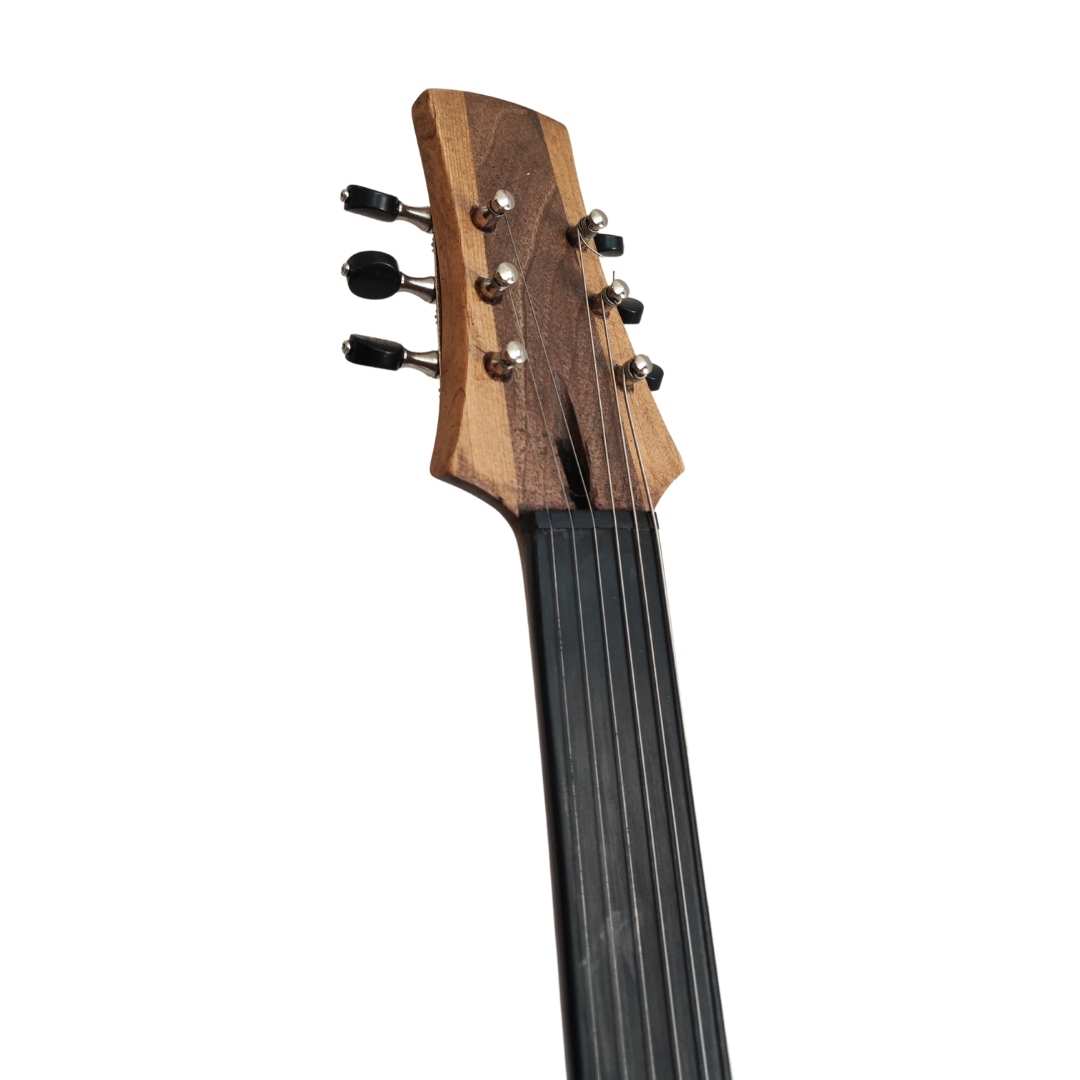
The neck is a laminated blend of walnut and Afromosia, two dense hardwoods that deliver stability against string tension while adding bright articulation to the mulberry’s warmth. The fretless fingerboard is smooth and polished for fluid glissando and quarter-tone movement. Side markers along the neck indicate traditional fret positions without interrupting the playing surface.
Custom Ers Humbucker — Voiced for Expression
A custom Ers humbucker pickup captures the guitar’s microtonal nuance with rich harmonic detail. Unlike standard humbuckers designed for rock and jazz, the Ers is voiced for the fretless voice — preserving the sliding overtones and vocal-like phrasing that fretless guitars produce. Two control knobs handle volume and tone; the output is clean and highly dynamic.
Technical Specifications
| SKU | Tap007 |
| Handedness | Left-handed |
| Body | Mulberry |
| Neck | Walnut & Afromosia |
| Fingerboard | Fretless, polished |
| Pickup | Custom Ers humbucker |
| Strings | 6 strings |
| Controls | Volume, tone |
| Finish | Natural oil |
| Handmade in | Turkey |
Who This Guitar Is For
This left handed fretless electric guitar is ideal for intermediate to advanced left-handed players exploring microtonal music, Middle Eastern maqam, jazz fusion, ambient textures, or experimental rock. Left-handed musicians rarely find fretless instruments made for their orientation — most are right-handed models flipped over, which unbalances the body and puts the controls out of reach. This guitar is built left-handed from the ground up, so the contours, side markers, and pickup layout all serve the southpaw player. It suits musicians who already have technique on a fretted instrument and want to expand into quarter-tones and expressive slides. It is not recommended for absolute beginners — fretless playing requires developed intonation skills to sound clean.
Music Genres & Traditions
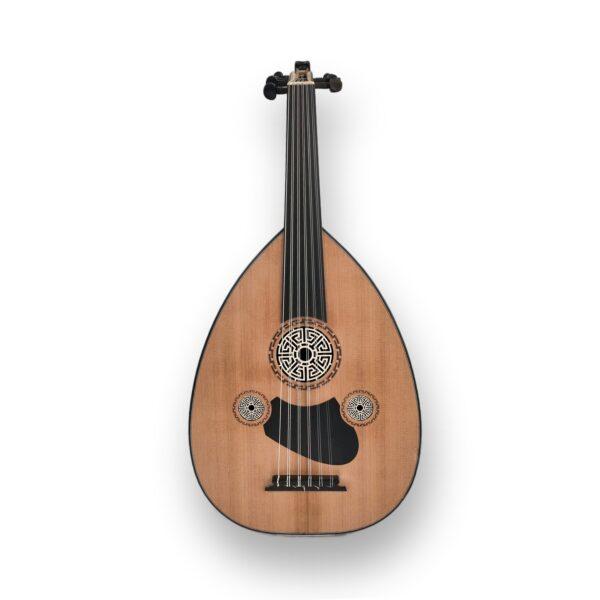
The fretless design aligns naturally with Turkish, Arabic, Persian, and Indian traditions where microtones define the melodic vocabulary. Because no frets fix the pitch, the player can shape the quarter-tone intervals that carry an Arabic maqam phrase — the same expressive territory long explored on the oud and saz, now voiced through an electric pickup. It also excels in jazz fusion, drawing from players who followed Jaco Pastorius’s fretless bass innovations into six-string territory. Ambient, cinematic, and experimental musicians will find it a powerful voice for evocative, vocal-like phrasing that sits beautifully in atmospheric arrangements.
If you are building a microtonal rig for stage or studio, this guitar sits comfortably beside our electric oud range and the wider selection of string instruments at Tapadum — each built for players who work beyond the twelve-tone grid.
Care & Maintenance
Store the guitar in its case at moderate humidity (45–55%). Wipe the fretless fingerboard clean after each session to remove string residue — this keeps the playing surface smooth and extends its life. Use quality roundwound or flatwound strings suited to fretless play; flatwounds cause less fingerboard wear over time. A light conditioning of the neck every few months keeps the wood healthy.

Reviews
There are no reviews yet.