
Description
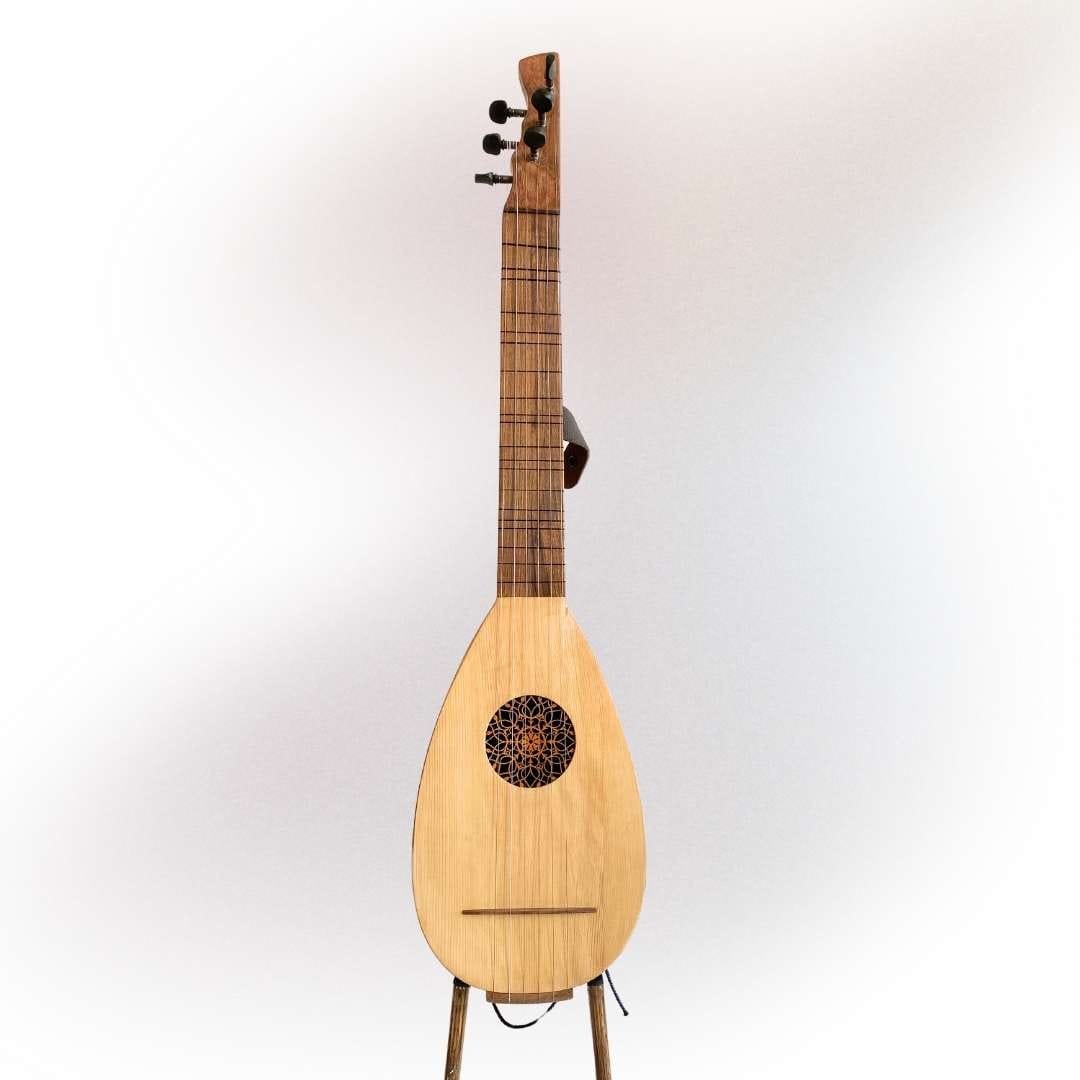
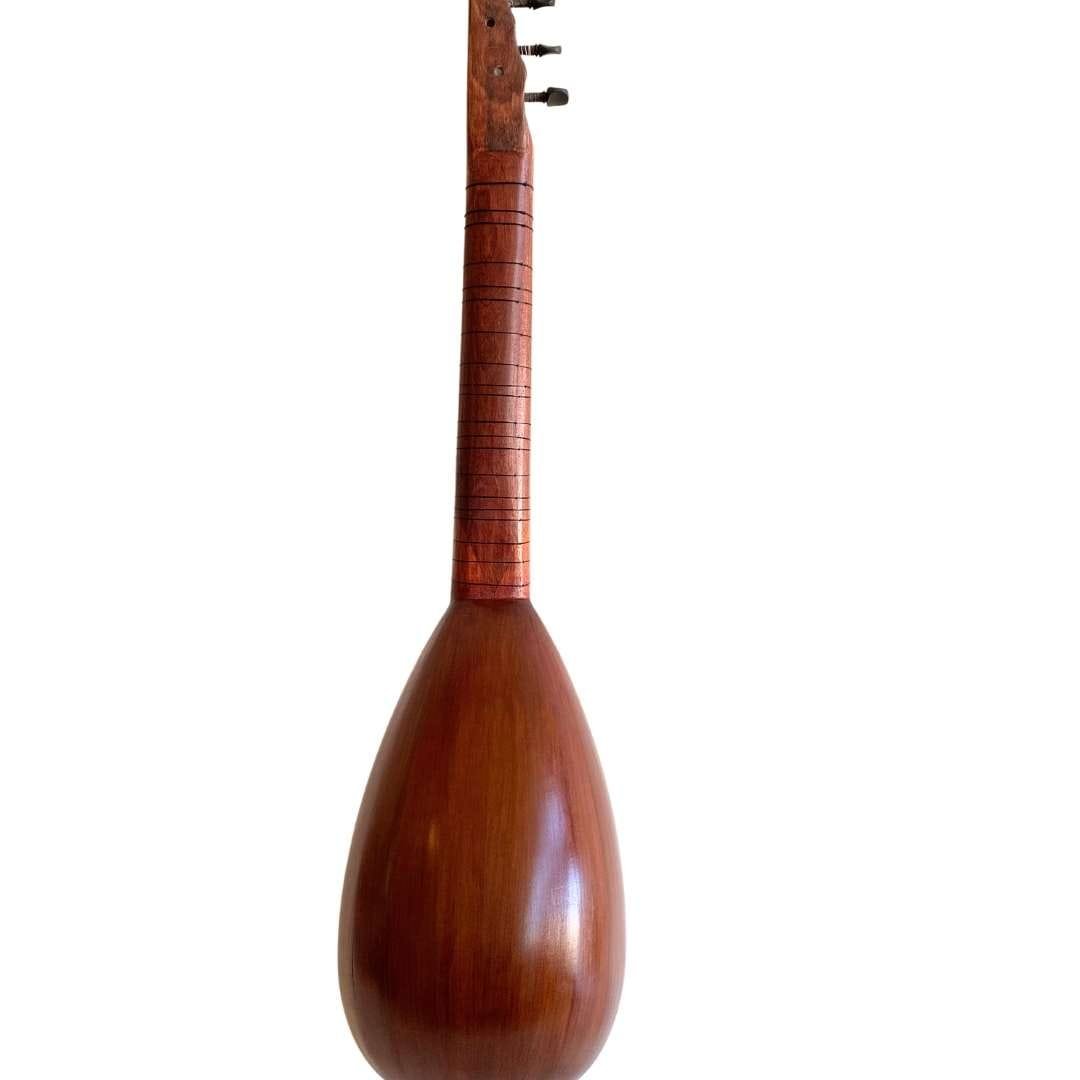
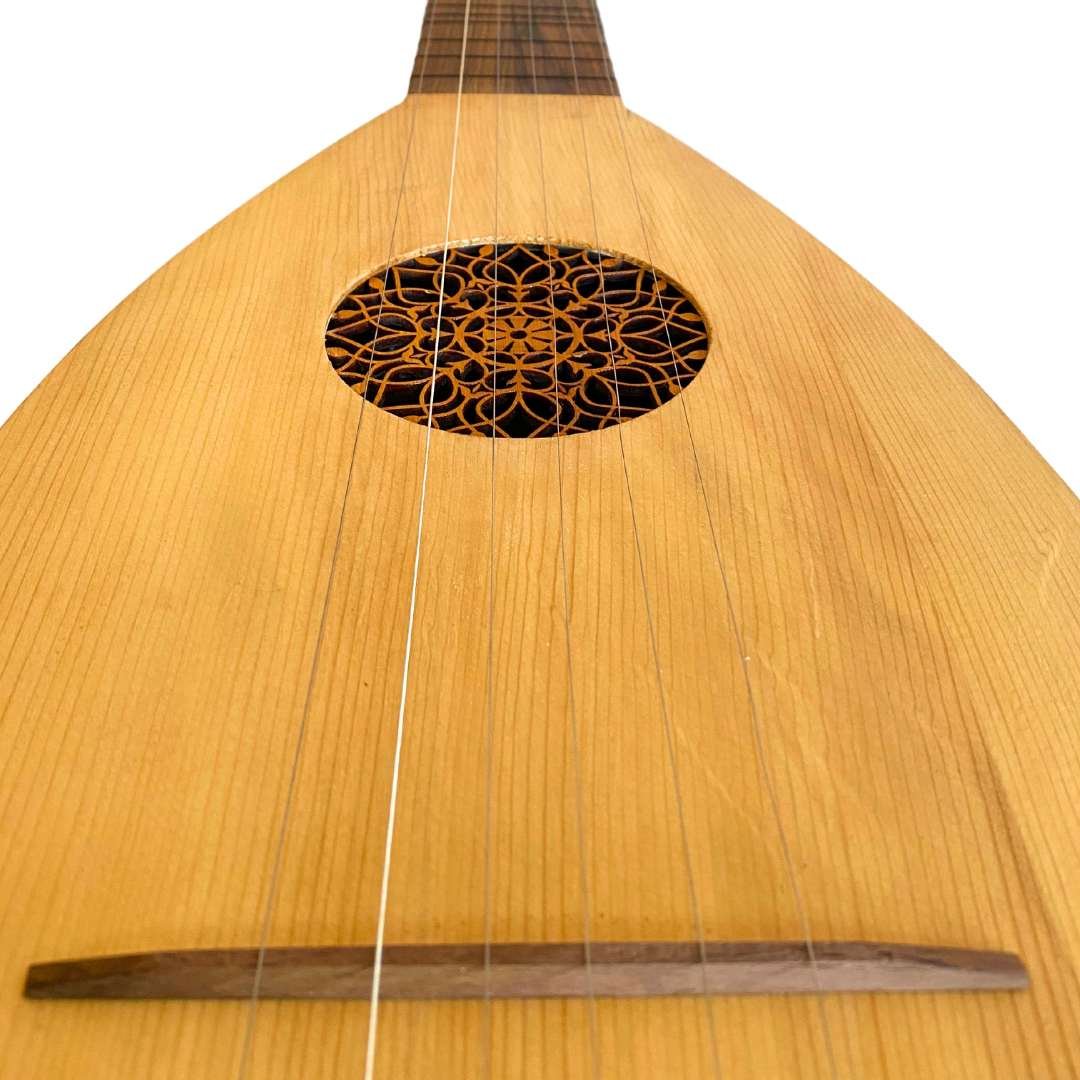
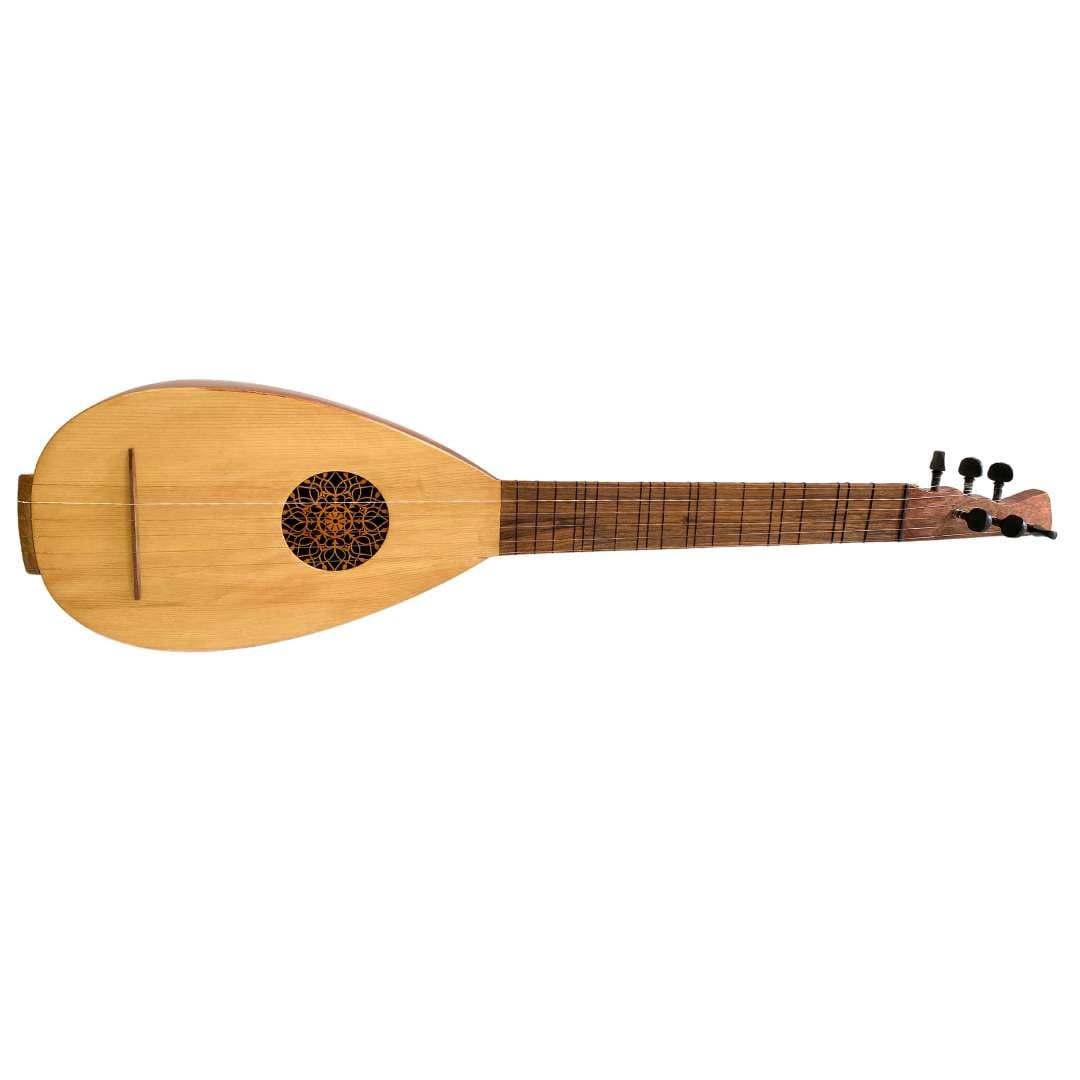
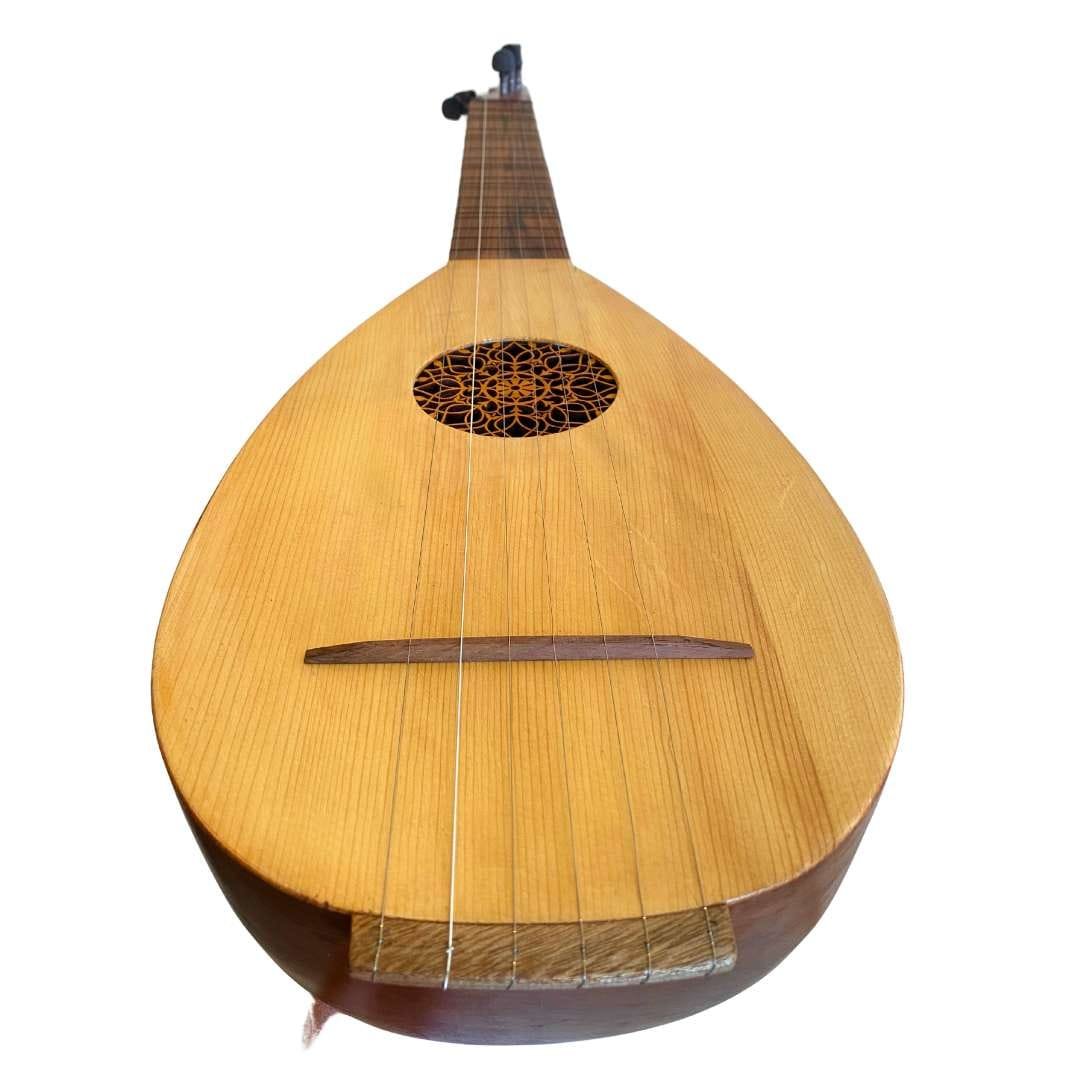
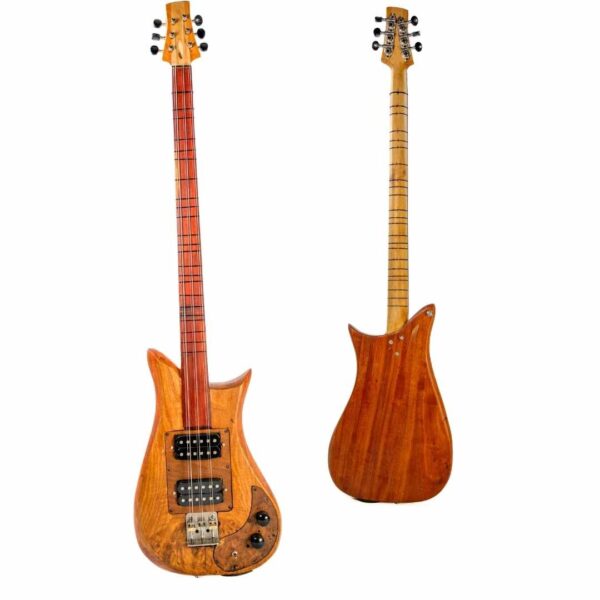
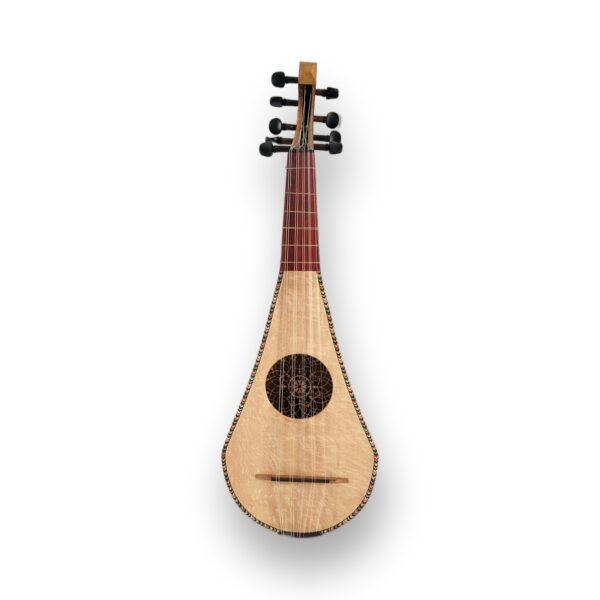
The Professional Ogur Sazi (Kopuz) is a handmade six-string fretless lute designed by the Turkish musician Erkan Ogur. It reworks the traditional baglama into a fretless, guitar-influenced instrument built for microtonal music and free, expressive phrasing — a serious instrument for players who want to work beyond the fixed notes of the standard saz.
Designed by Erkan Ogur
The Ogur Sazi is the invention of Erkan Ogur, a pioneering Turkish musician known for bringing fretless technique to the plucked lute. He redesigned the instrument with individually placed strings — arranged like a guitar rather than in the paired courses of a traditional saz — and a non-traditional tuning system of his own, so the player can reach chord voicings and modal colours that a standard baglama cannot. Ogur is one of the most influential figures in contemporary Turkish music, and his work with fretless, perdesiz instruments opened up the microtones that lie between the Western semitones — the very intervals at the heart of Turkish and Kurdish modal music.
Materials & Construction
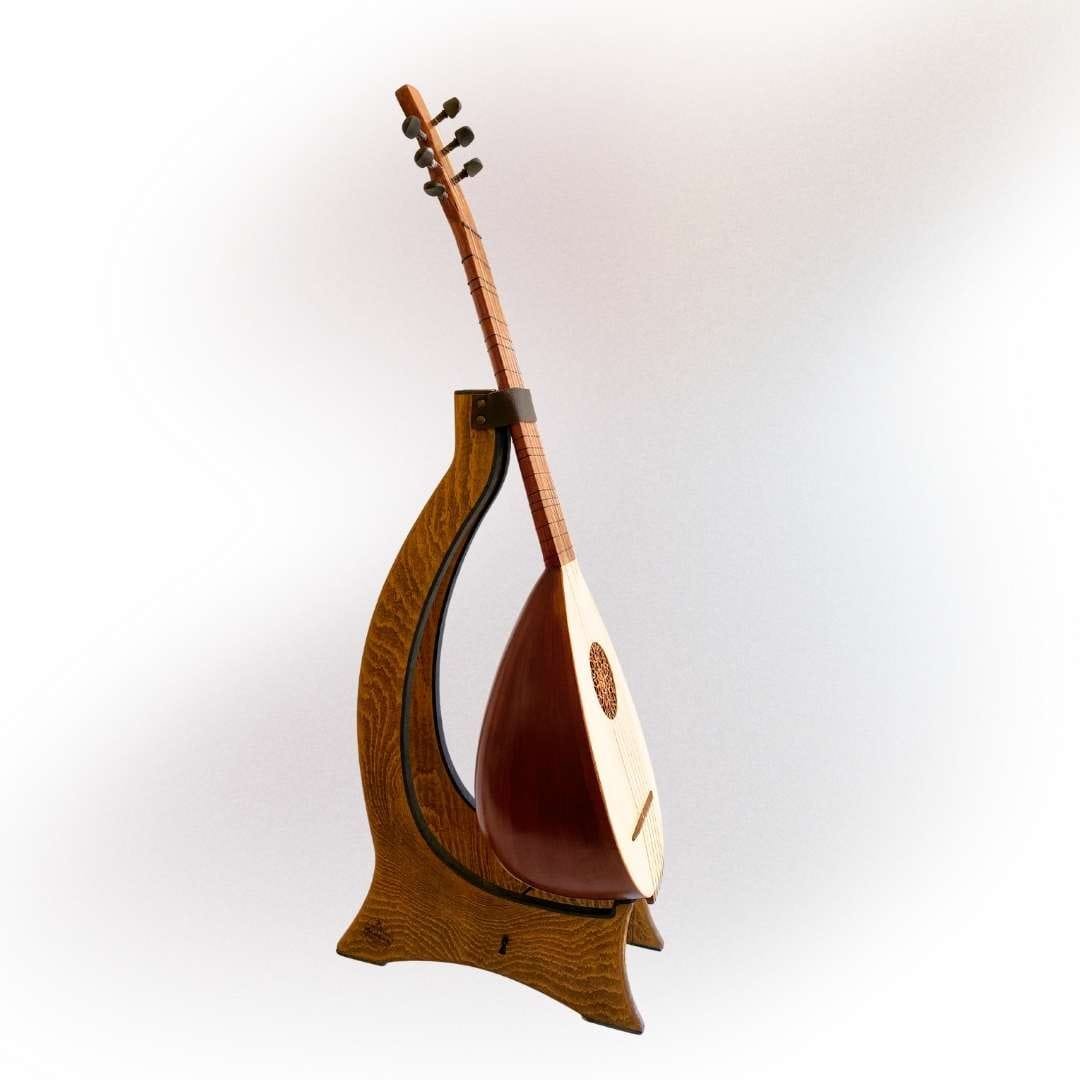
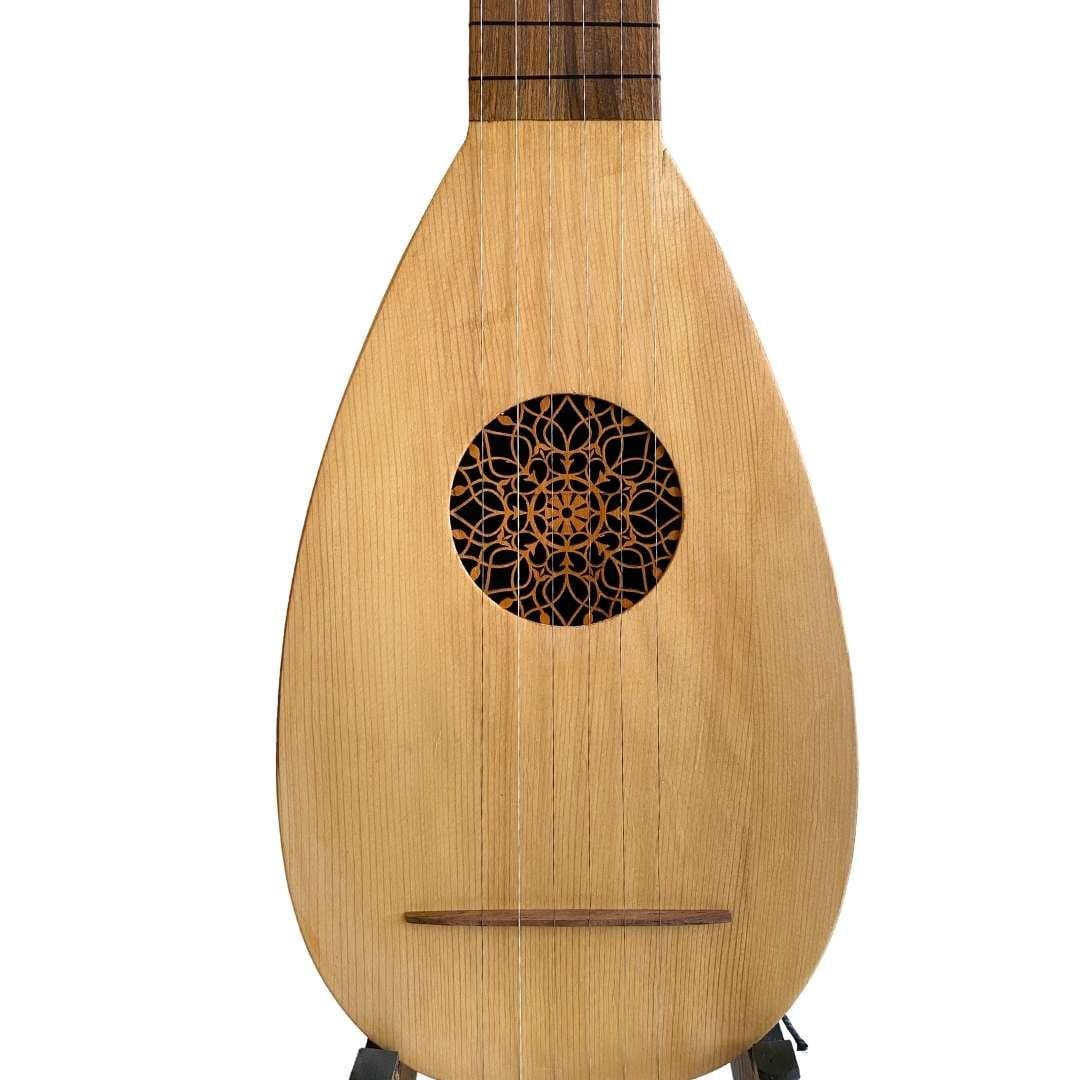
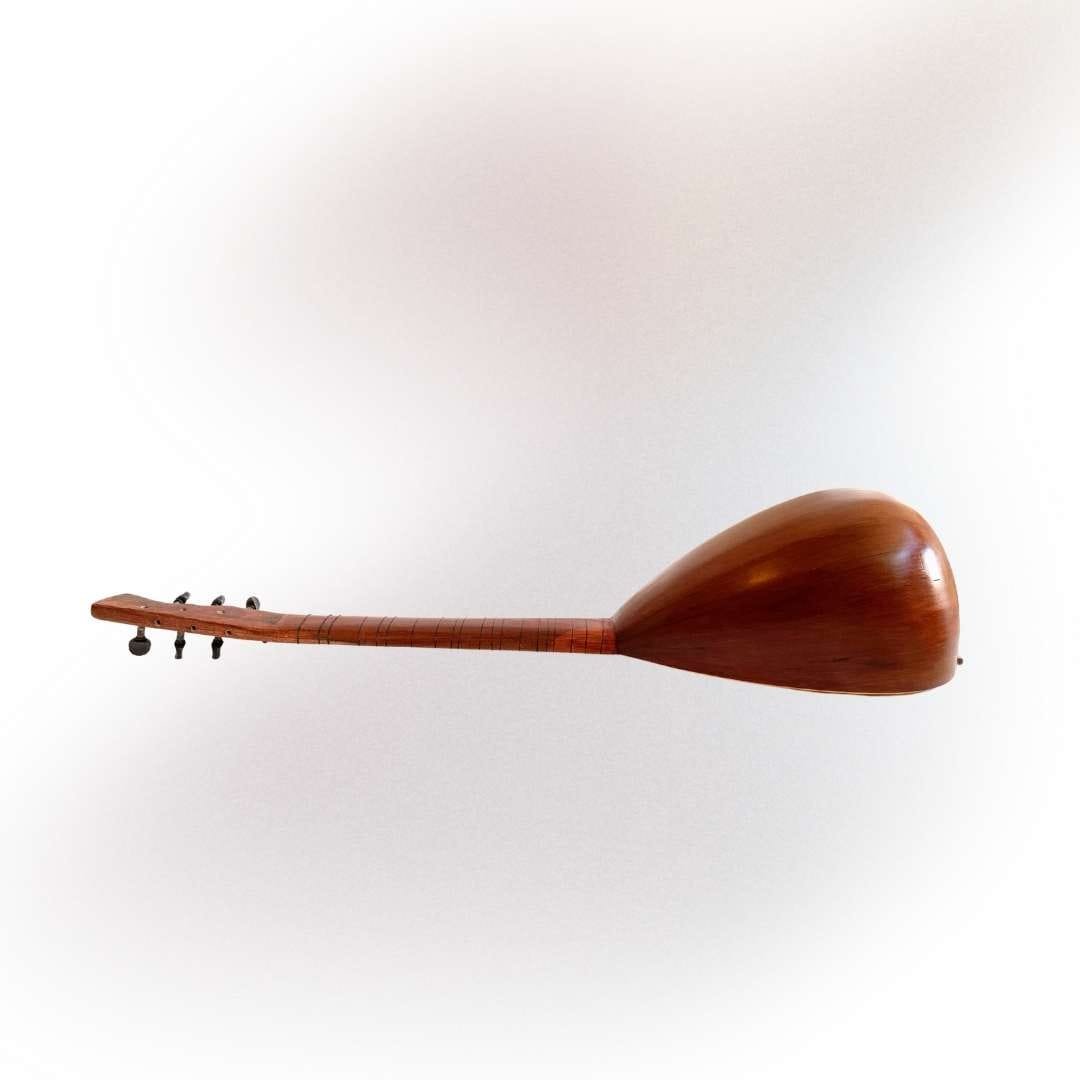
Every part of the instrument is chosen for tone and stability. The juniper body gives a warm, rich acoustic resonance; the mahogany neck adds strength and keeps the long fretless fingerboard stable; the fingerboard itself is Turkish walnut, hard-wearing and finished to a smooth playing surface; and the spruce top delivers bright, clear tone and strong projection.
Technical Specifications
| Specification | Details |
|---|---|
| Type | Ogur Sazi (fretless kopuz) |
| Designer | Erkan Ogur |
| Strings | 6, individually placed (single- or double-row option) |
| Fingerboard | Turkish walnut, fretless |
| Body | Juniper |
| Neck | Mahogany |
| Top | Spruce |
| Origin | Turkey |
How the Ogur Sazi Plays
Unlike the movable-fret baglama, the Ogur Sazi is fully fretless, so pitch is shaped entirely by the fingers — ideal for the continuous slides and microtonal intervals of Turkish maqam music. It is played without a plectrum, which suits an arpeggio and fingerstyle approach and gives the instrument a fluid, harp-like flow. With single-row or double-row string options and Ogur’s own tuning system, it opens sonic territory well outside the standard saz repertoire. The result is an instrument that moves easily from a plucked, percussive attack to long, singing melodic lines: because no frets fix the pitch, a single string can slide through an entire microtonal phrase, and the guitar-style string spacing lets the player voice chords and counter-melodies that the paired courses of a traditional saz cannot reach.
The Ogur Sazi and the Baglama
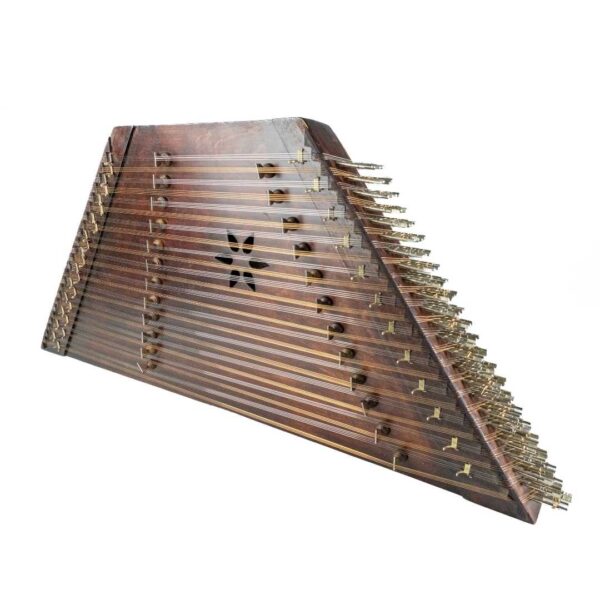
The instrument grows directly out of the baglama tradition but trades its paired courses and movable frets for a guitar-like string layout and a smooth fretless neck. If you play or collect Turkish string instruments, it sits naturally alongside the baglama and saz range and the wider family of string instruments at Tapadum.
Video
Who It’s For
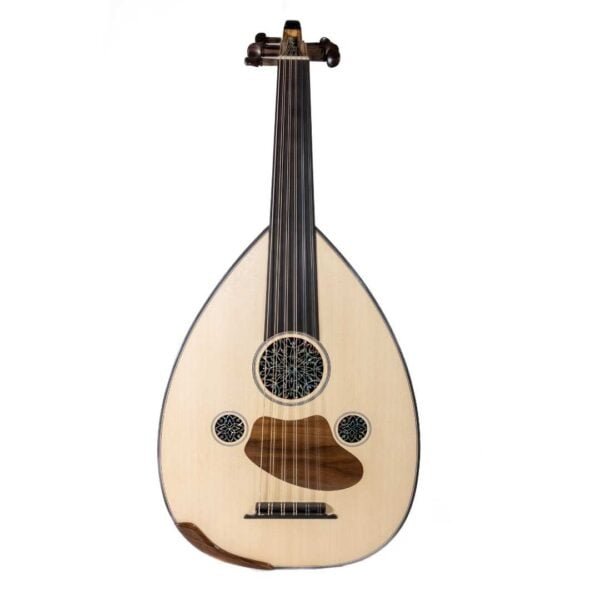
The Ogur Sazi is best suited to intermediate and advanced players already comfortable with fretless instruments or Turkish music. The fretless neck rewards trained ears and precise intonation, so it is not a first instrument; but for a guitarist, saz player, or improviser looking to explore microtonal and modal playing, it is an expressive and rewarding voice. It also appeals to oud and other fretless players moving between traditions.
Care & Maintenance
Store the Ogur Sazi at moderate humidity, away from radiators and direct sun, so the juniper body and spruce top stay stable. Wipe the strings and fingerboard with a soft, dry cloth after each session — a fretless walnut board benefits from being kept clean of string residue. Check the tuning pegs so they turn smoothly and hold, and have the instrument set up by a luthier if the action or intonation shifts over time.

Reviews
There are no reviews yet.