Description
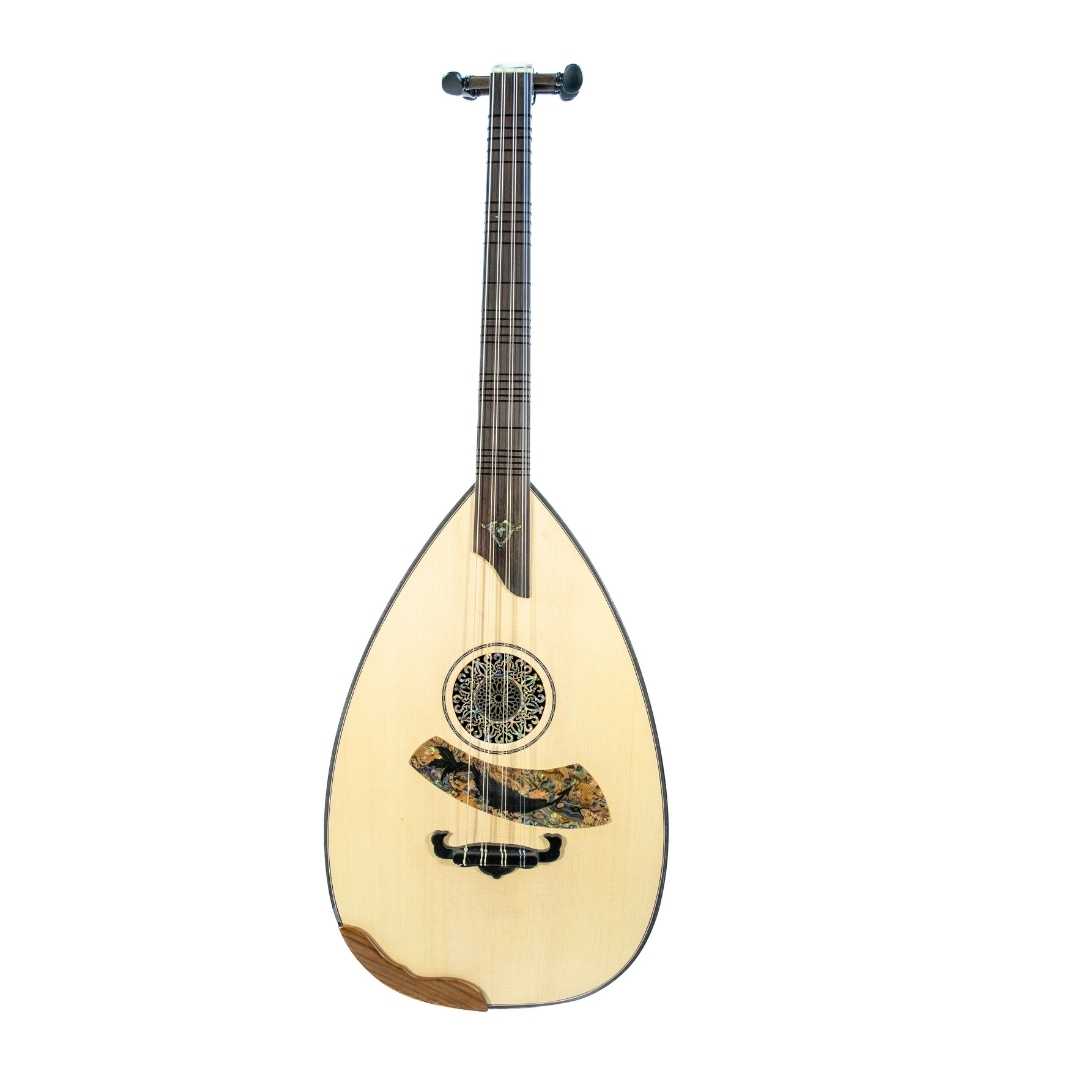
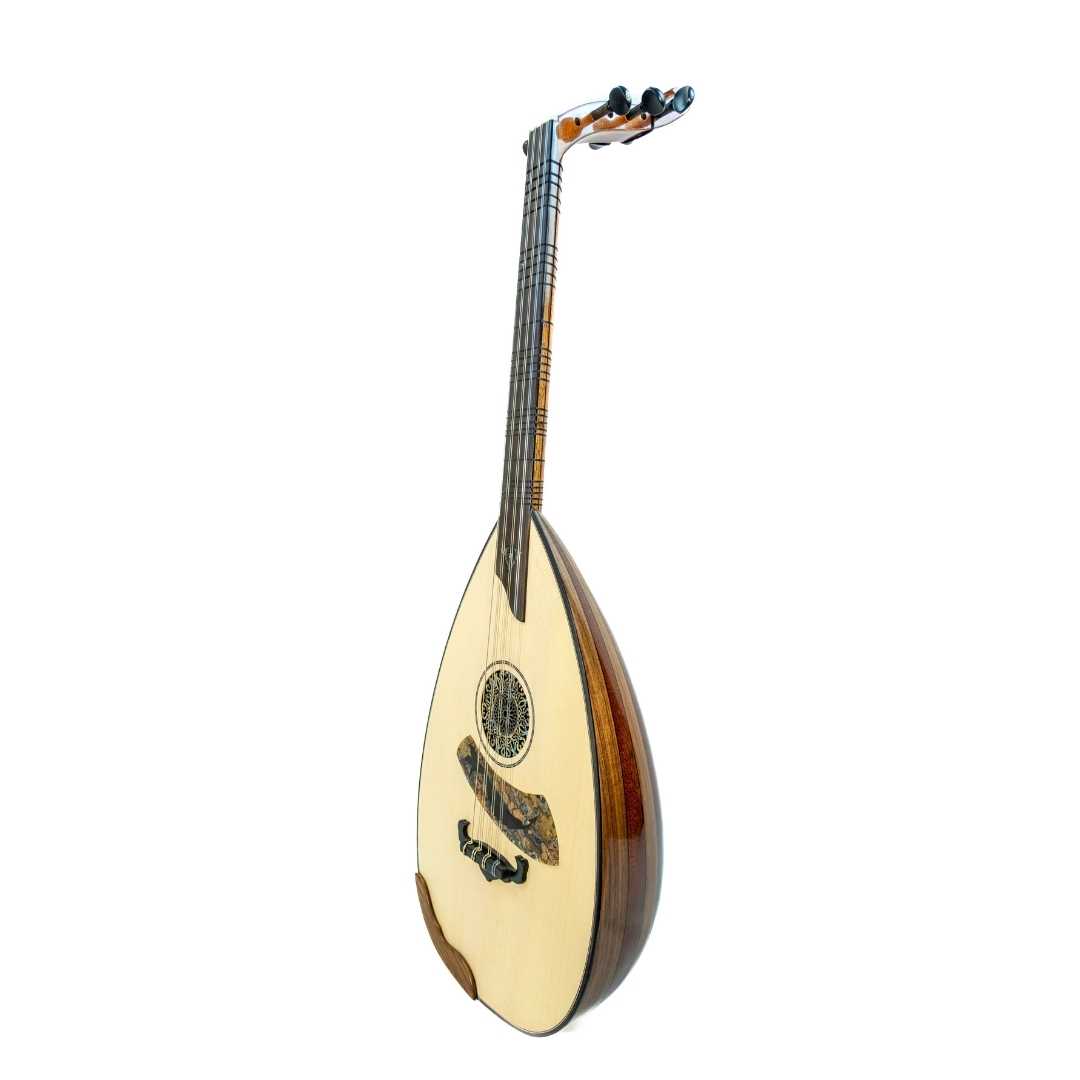
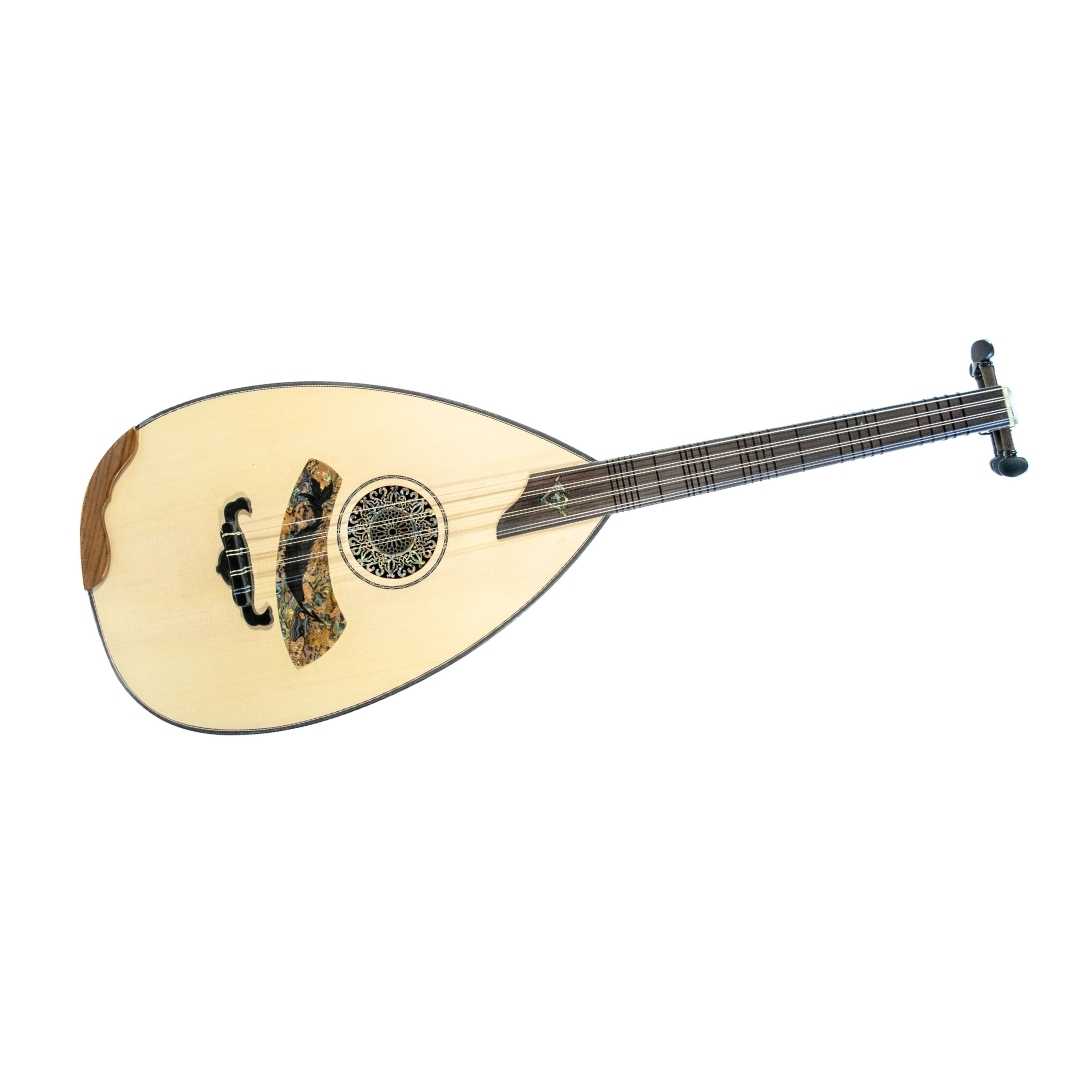
Discover the Professional Turkish Lavta, a handcrafted Ottoman lute that brings together centuries of Istanbul’s musical heritage with the tonal clarity of carefully chosen tonewoods. Designed for players drawn to Turkish classical and folk traditions, this lavta delivers a warm, articulate voice that sits at the crossroads of the oud and the saz — familiar to oud players yet distinct in its brighter, more precise response.
Materials & Body
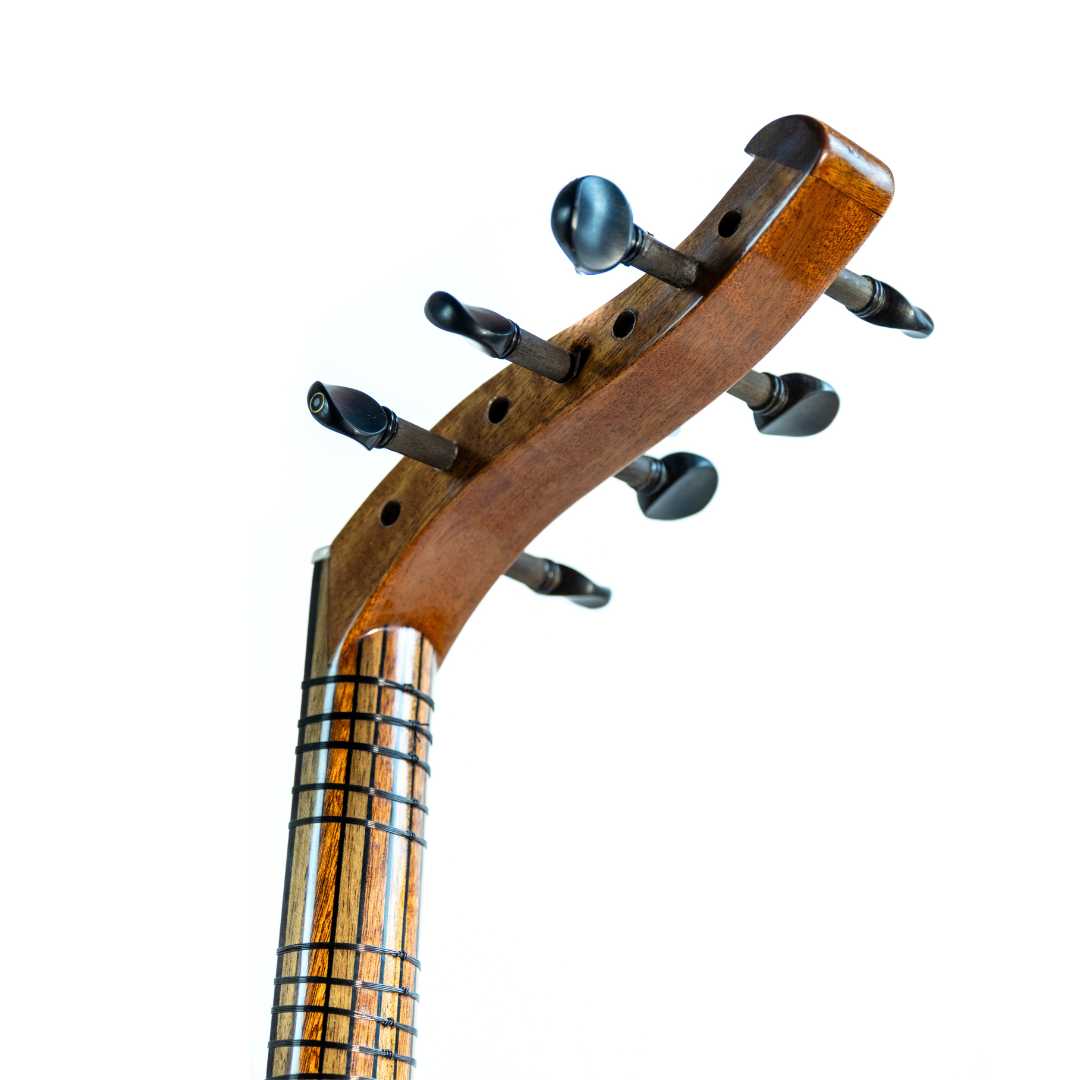
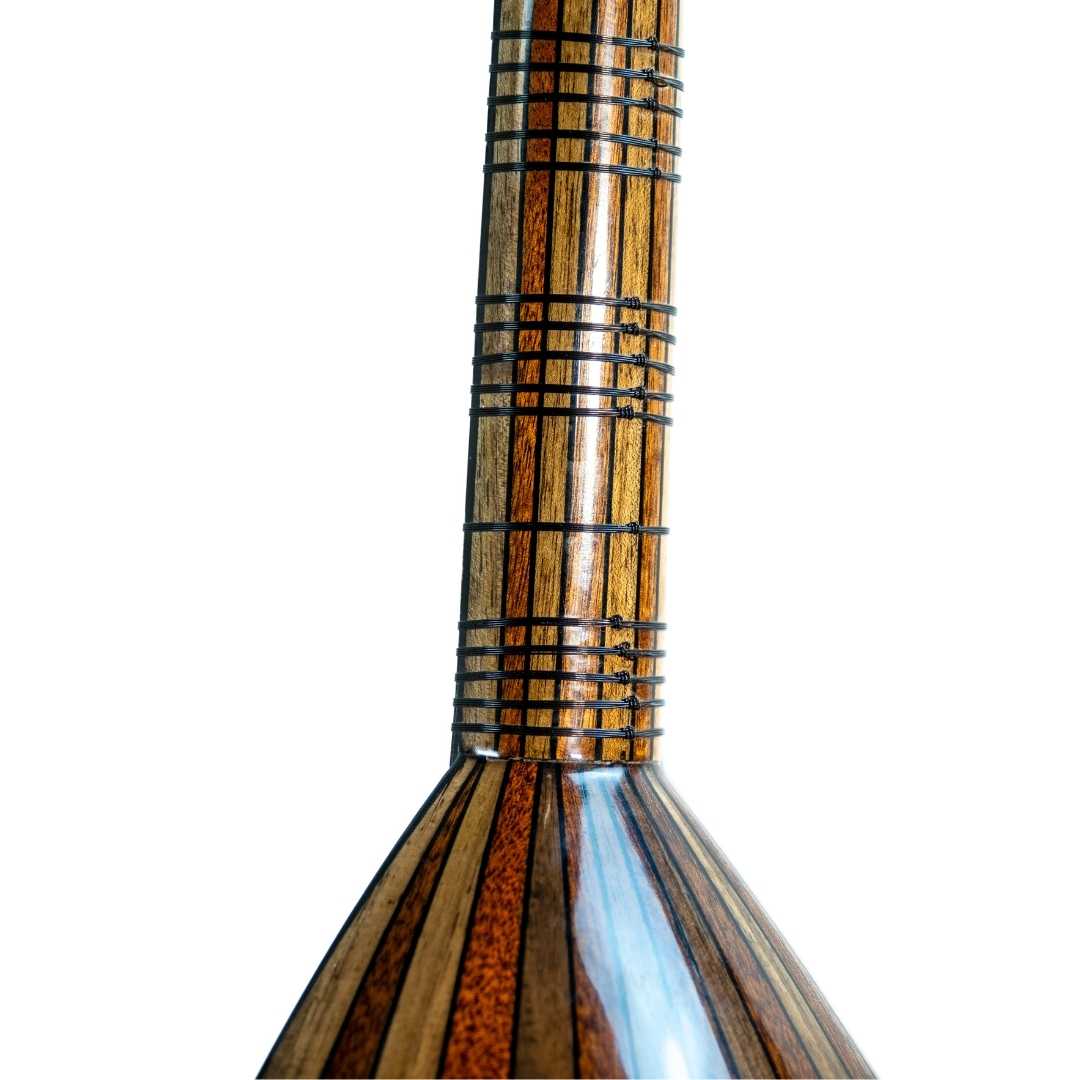
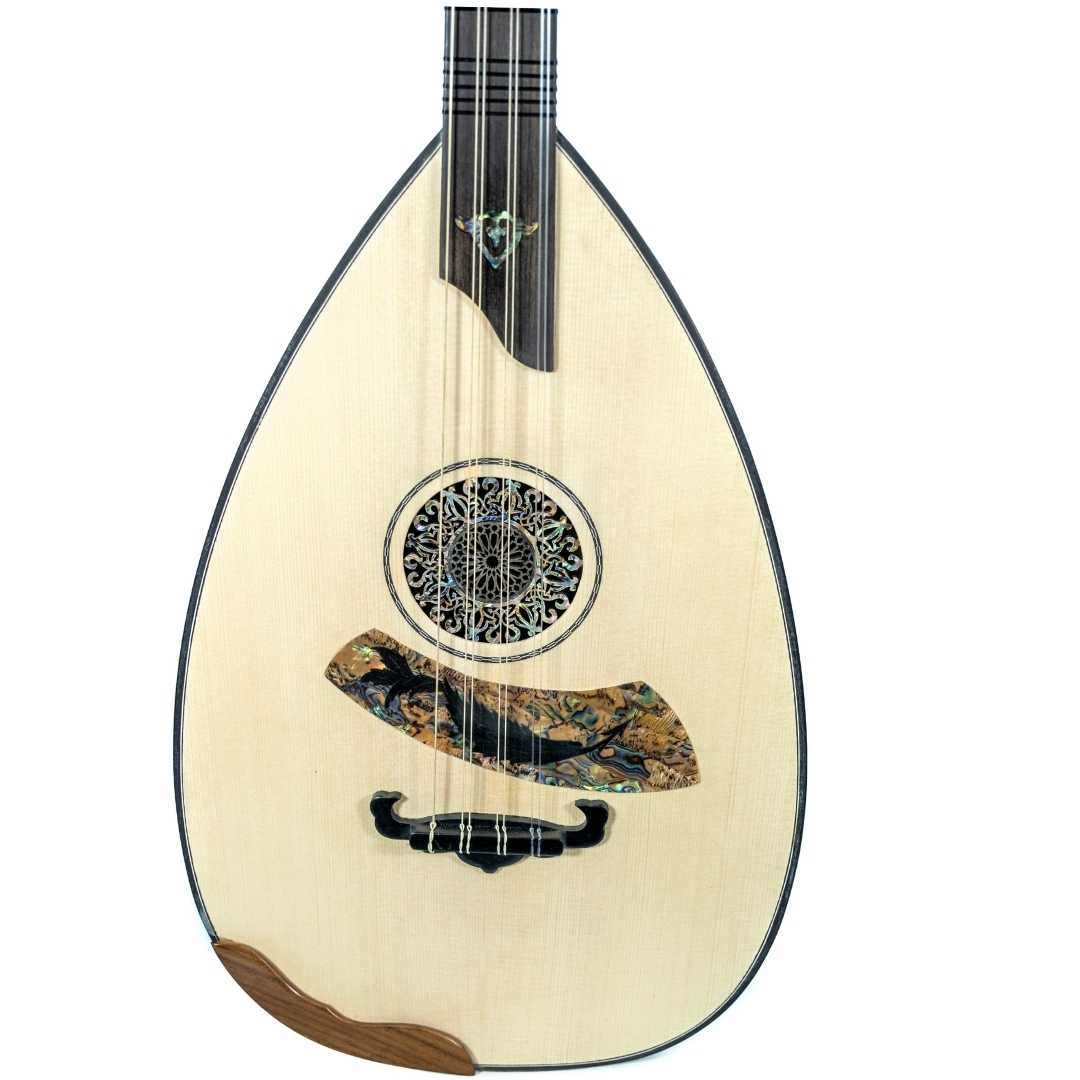
The bowl is built from a combination of walnut and mahogany, two hardwoods chosen for their complementary acoustic and visual qualities. Walnut contributes warmth and density to the lower register, while mahogany brings a balanced midrange and long sustain. The fingerboard and ornamentation carry mother of pearl inlays, a traditional feature of Ottoman lutherie that also marks positions along the neck.
Soundboard & Construction
The top is carved from spruce, a tonewood trusted by generations of European and Anatolian luthiers for its stiffness-to-weight ratio. On a pear-shaped lavta body, spruce translates string energy into a projected, clearly articulated tone that cuts through ensemble textures without losing body. The pairing of a spruce top with a walnut-mahogany bowl gives this instrument a voice bright enough for melodic lead lines yet warm enough for introspective solo work.
Technical Specifications
| Feature | Detail |
|---|---|
| Top | Spruce |
| Body | Walnut and mahogany |
| Inlays | Mother of pearl |
| Bowl length | 44.5 cm |
| Bowl width | 30.5 cm |
| String length (scale) | 68 cm |
| Depth | 15.5 cm |
| Weight | 3.2 kg |
| Shipping dimensions | 100 × 39 × 23 cm |
Who It’s For
The Professional Turkish Lavta is aimed at intermediate and advanced players who want a serious performance instrument at an accessible price point. It suits musicians moving from the oud into the fretted lavta tradition, players exploring Ottoman classical repertoire, and ensemble performers who need an articulate voice that blends with other Turkish plucked strings. Motivated beginners can also start here if they are ready to commit to a quality instrument from day one.
Musical Genres & Traditions
The lavta sits at the heart of Ottoman court music and has a strong presence in Türk Sanat Müziği (Turkish classical art music) as well as folk and fasıl repertoire. Born in the cultural crossroads of Istanbul, it absorbed influences from Persian and Arabic traditions, shaping a voice that is both melodic and percussive. Modern players also bring it into film scores, contemporary world-fusion projects, and makam-based improvisation. Its fretted neck makes it more precise than its fretless cousin the Turkish Oud, while players familiar with the Baglama or Saz will recognise the logic of its left-hand technique.
Care & Maintenance
Store your lavta in its case, away from direct sunlight, radiators, and window drafts. A moderate, stable humidity level between 45–55% protects the spruce top from cracking in dry climates or swelling in humid ones. Loosen the strings slightly if you will not play the instrument for several weeks. Wipe the strings and the fingerboard with a dry cloth after each session to remove skin oils, and inspect the bridge and pegs periodically. For string changes and structural adjustments, consult a luthier familiar with Ottoman lutes.
Explore our complete Turkish Lavta collection for related models and accessories, or read more about Turkish musical traditions to place this instrument in its broader cultural context.
Ships worldwide with a 15-day return guarantee. Each instrument is inspected and carefully prepared at our workshop in Italy before dispatch.