Turkish Baglama and Its Types: The Indispensable Instrument of Folk Music

Turkish Baglama and Its Types: The Indispensable Instrument of Folk Music
Introduction
When we think of Turkish folk music, one of the first instruments that comes to mind is undoubtedly the baglama. With a unique story in every region of Anatolia, this traditional instrument is more than just a tool for music—it is a cultural memory.
In this article, we’ll explore what the baglama is, the different types of baglama, and which types are most suitable for whom. We’ll also offer practical advice for those looking to buy a baglama or start learning how to play.
What Is a Baglama?
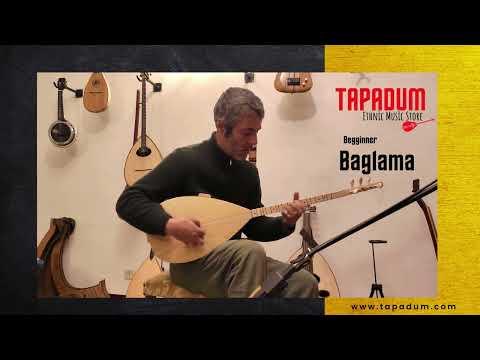
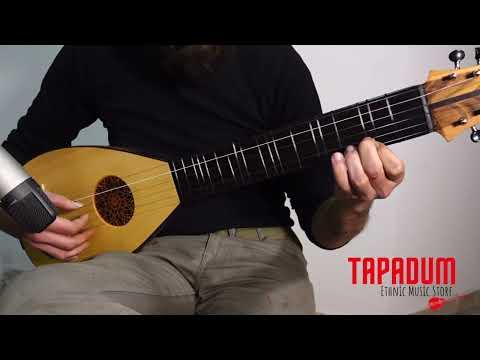
The baglama is a plucked string instrument and the most well-known member of the long-necked tambur family. It is played with a plectrum (tezene) or by fingerpicking. Traditionally handmade from wood, the baglama comes in various sizes, sound colors, and technical specifications.
Typically has 7 strings (in 3 courses: 2-2-3)
Features different tuning systems such as baglama tuning, bozuk tuning, and kara duzen
A favorite companion of Turkish folk poets and musicians
Types of Baglama
1. Long-Neck Baglama
This is the most traditional type of baglama. It offers a wider range of frets and is often preferred by advanced players.
Advantage: Wide tonal range and rich expression
Best for: Advanced players, stage performers, and those who favor classical-style folk songs
2. Short-Neck Baglama (Cogur)
Easier to learn and more compatible with modern music styles. Ideal for beginners.
Advantage: Easy grip and simpler chord transitions
Best for: Beginners and those who want to play chord-based folk songs
The short-neck instrument in the Tapadum collection is built by Cihan Doldur, whose cogur-variant baglamas are voiced for chamber playing and checked for tied-fret positioning and intonation before they ship. If you are starting on one, our step-by-step guide to tuning a short-neck baglama covers the first session.
3. Divan Sazi
With a larger body and longer neck, it offers a powerful sound output. Commonly used in the minstrel (ozan) tradition.
Advantage: Deep resonance and strong projection
Best for: Loud stage performances and traditional-style playing
4. Tambura and Cura
These are smaller-sized members of the baglama family.
Tambura: Medium-sized, often used for solos or accompaniment.
Cura: The smallest baglama type, producing high-pitched sounds.
Note: These types are frequently used in ensembles for rhythm, melody, or ornamentation.
Which Baglama Is Right for You?
Choosing a baglama can be tricky, especially for beginners. Our buyer’s guide to choosing your first baglama works through the same decision in more detail. Here are some quick tips:
For Beginners: The short-neck baglama is the easiest to learn.
For Advanced Players: Long-neck baglama or divan saz offers broader musical possibilities.
For Children or Small Hands: Cura may be the ideal option.
For Traveling Musicians: Tambura offers portability.
What to Look for When Buying a Baglama
Wood Quality: The body is often made from mulberry, mahogany, or chestnut wood.
Craftsmanship: The level of detail in handmade baglamas directly affects sound quality.
Neck Alignment: A properly aligned neck and accurate fret placement are crucial.
Tuning Pegs: Choose between traditional wooden pegs or more practical mechanical ones.
Two more things finish the setup. Strings, a tezene, a gig bag and a stand are covered in our guide to saz and baglama accessories — string sets are matched to neck length, and long-neck and short-neck sets are not interchangeable. And if you plan to play amplified, adding a pickup is its own decision: our guide to electric baglama and saz pickups explains what changes and what does not.
The Cultural Role of the Baglama
The baglama is not just an instrument—it is deeply intertwined with Alevi-Bektashi culture, the folk poet (ozan) tradition, and Anatolian daily life. Folk songs, laments, hymns, and lullabies have all been passed down through the baglama.
Among traditional instruments, it remains one of the most popular because it conveys both emotion and story like no other.
Where to Begin Learning the Baglama
At Tapadum Music, we offer beginner to advanced baglama lessons both in our physical store and online through the Tapadum Academy platform.
With our expert instructors, we’re here to support you on your journey with the baglama.
Online lessons
In-person workshops
Repertoire training with master musicians
Conclusion
The baglama is the cornerstone of Turkish music and a cultural icon. No matter which type you choose, your connection with this instrument will bring you closer to music and the ancient voice of Anatolia.
Starting a new hobby is one of the most natural ways to express yourself. The baglama might just become your most sincere companion on that journey. You can see the current range in our baglama and saz collection.
🎵 Do you think playing the baglama is harder, or is it harder to find the time to learn? Share your thoughts in the comments!