
Description
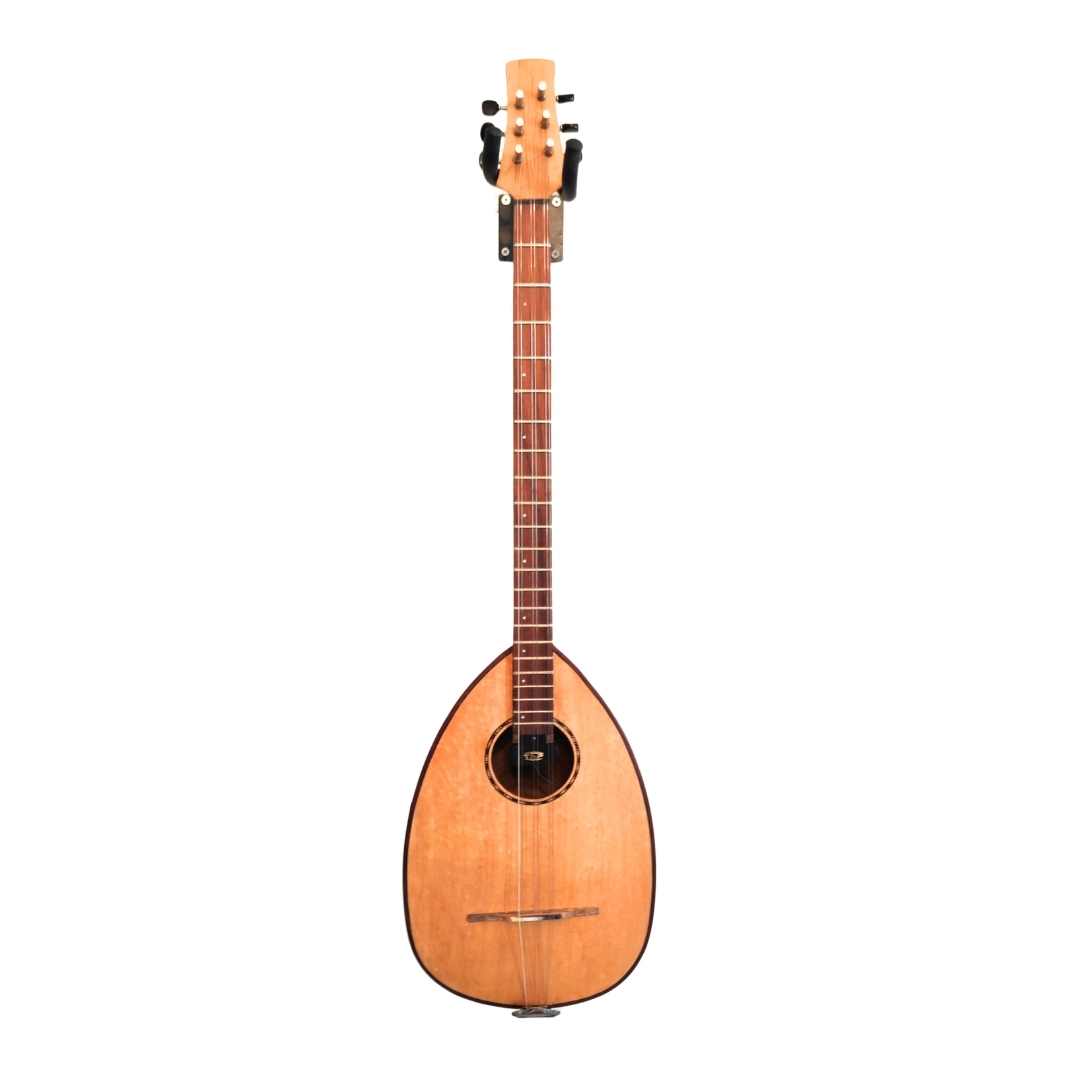
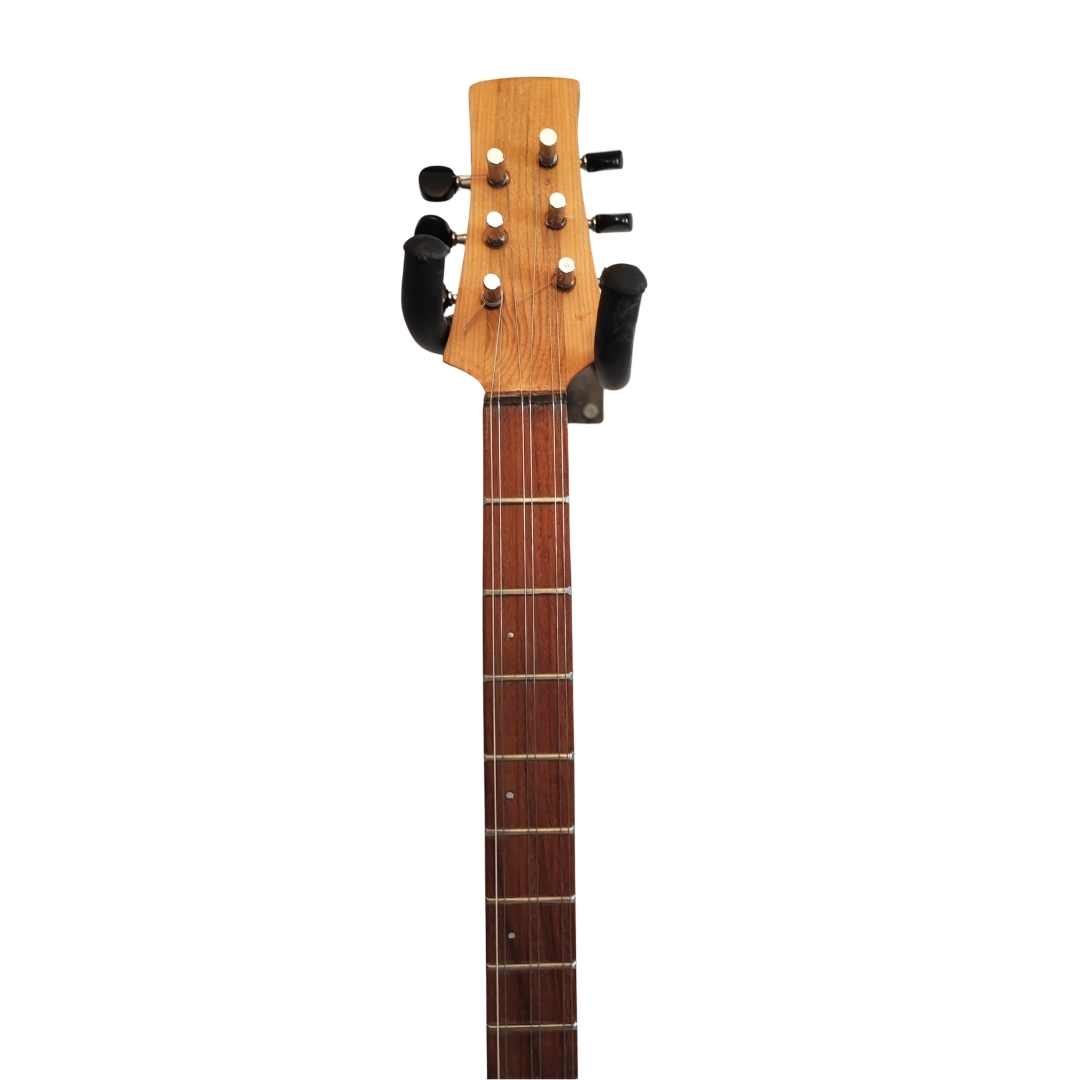
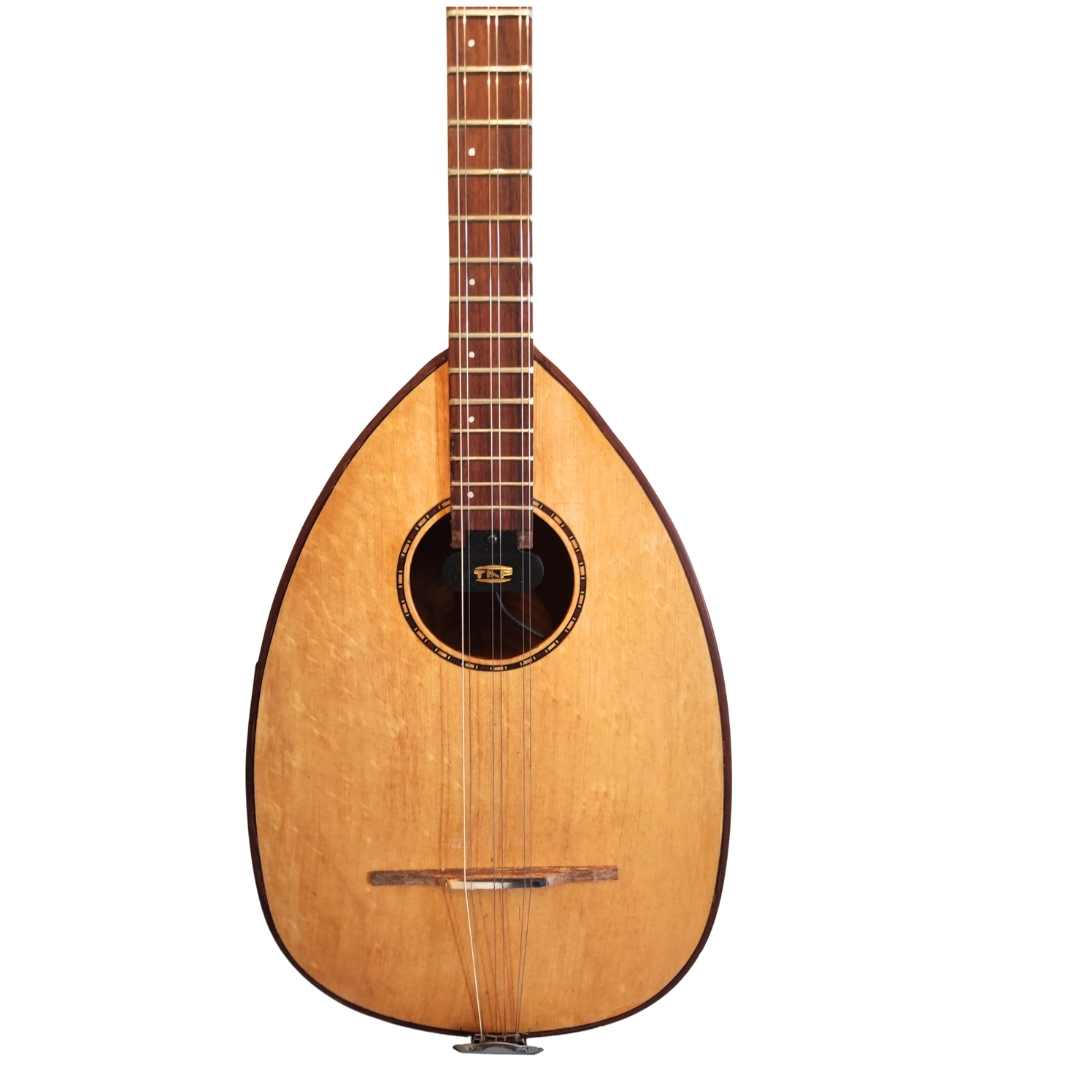
The Macedonian Trichordo Tambura is a traditional Balkan folk string instrument with 6 steel strings arranged in 3 double courses, played extensively in Macedonian and broader Balkan folk repertoire. This 6-string version is built by Macedonian luthiers using ancestral construction techniques and suits performers, collectors, and ethnomusicology students who want an authentic Balkan voice in their setup.
Body and Construction
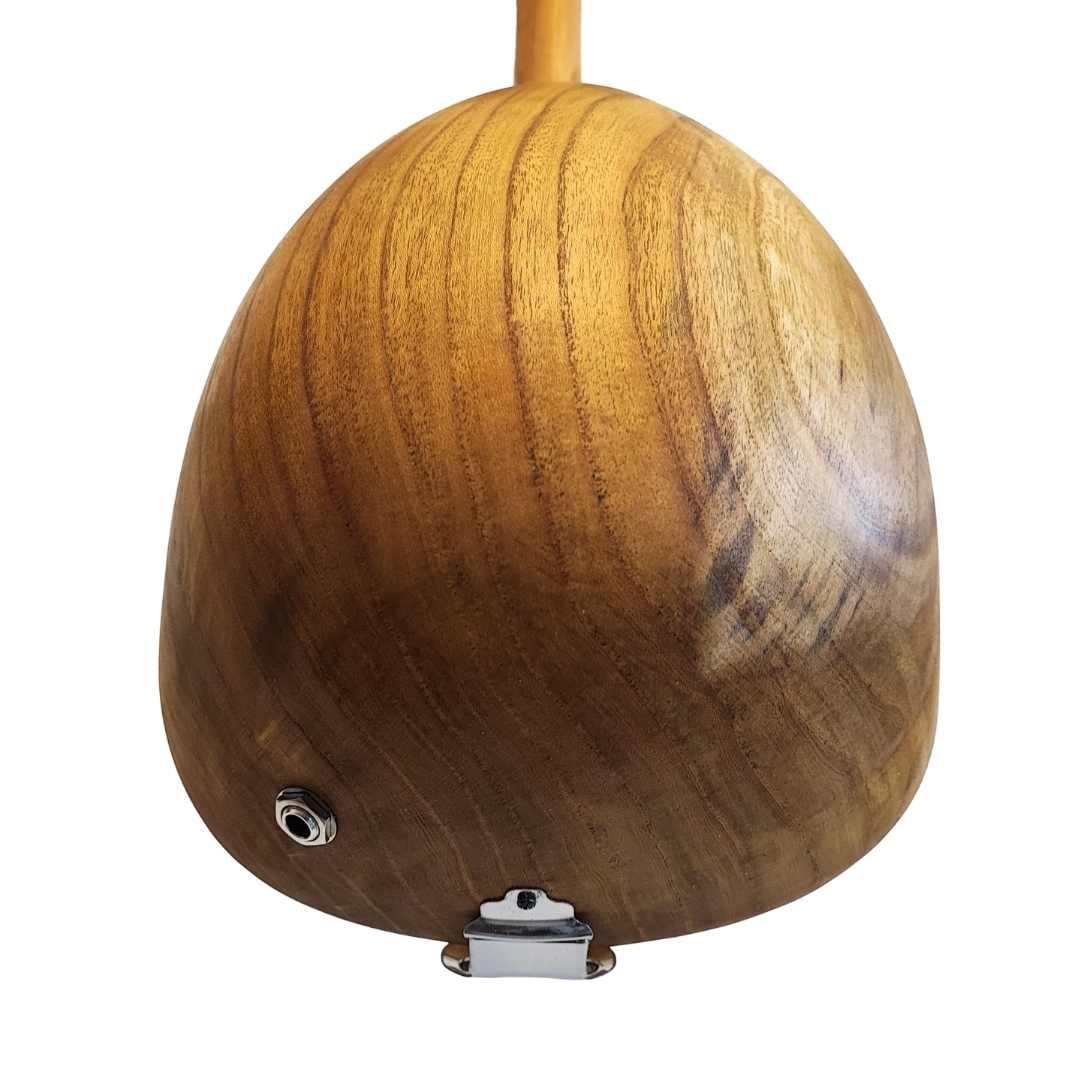
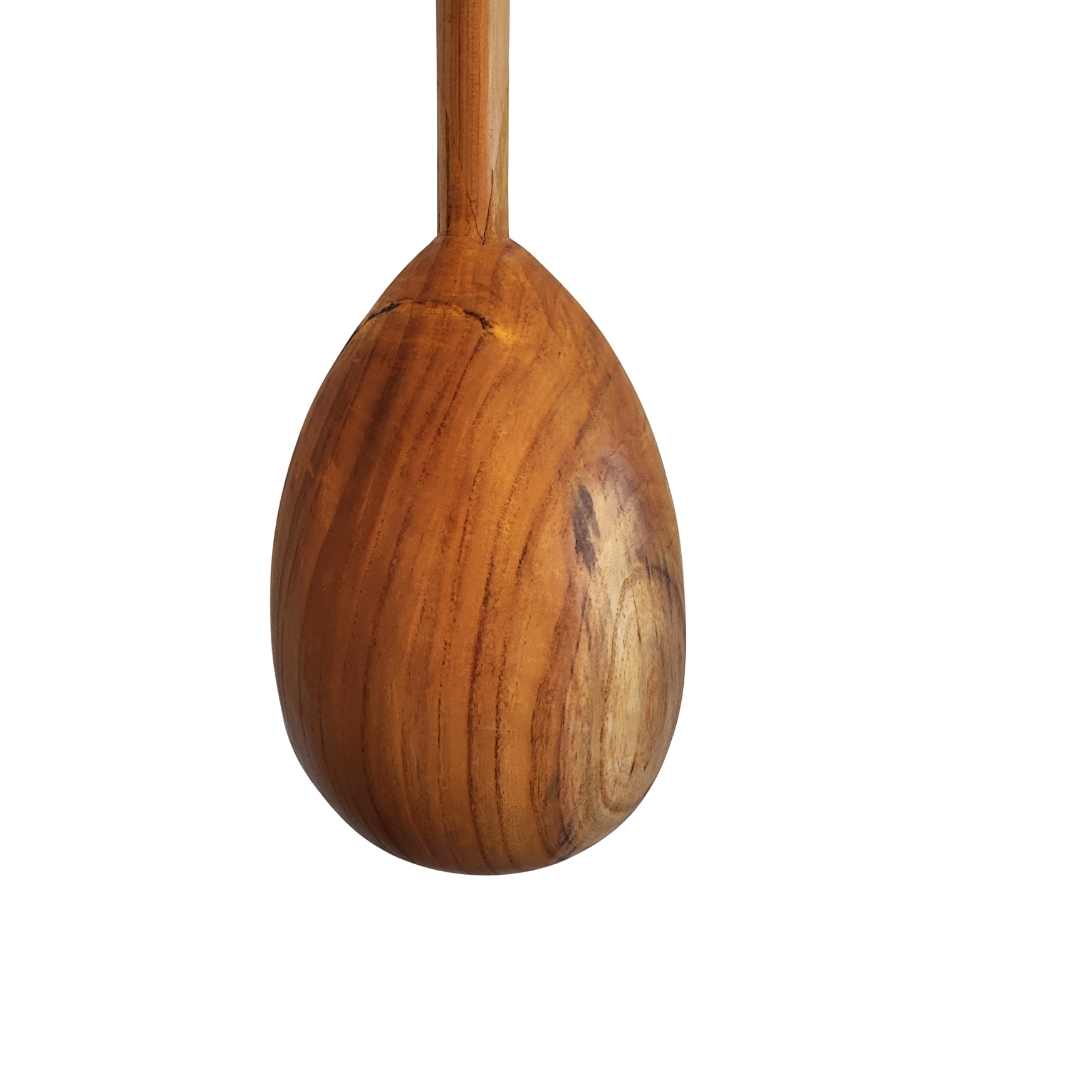
The instrument carries a hand-carved solid wood body, the traditional construction method for Balkan tamburas. Hand-carving — rather than laminated or assembled construction — gives the body an open, resonant character: overtones bloom rather than collapse, and the projection suits both ensemble and solo settings. The body is shaped for lightweight comfort, supporting long playing sessions without shoulder fatigue.
Strings and Trichordo Setup
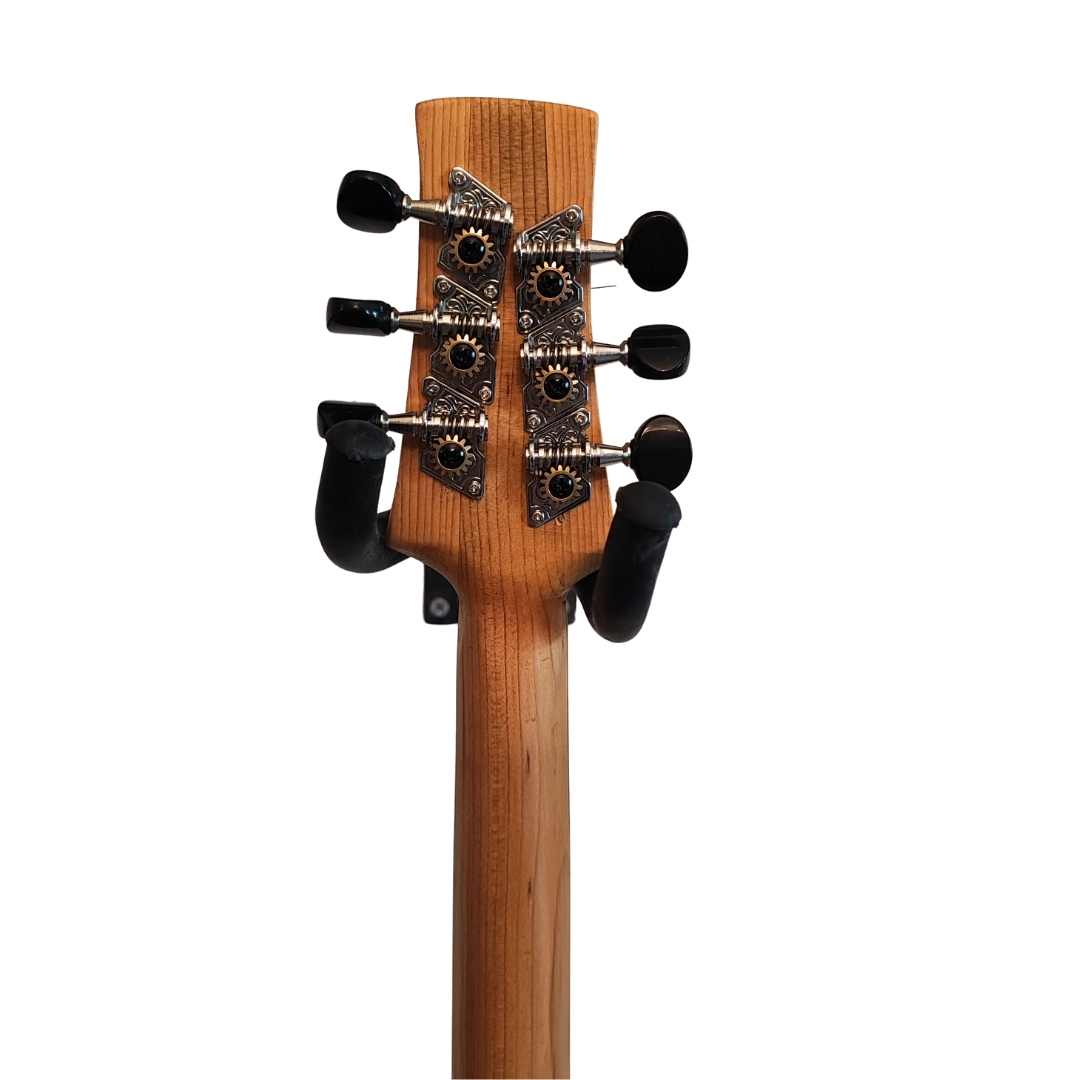
The Trichordo format means 6 steel strings arranged in 3 double courses — three pairs, each pair counted as one course. This is the same string organization used in the Greek tzouras and bouzouki, distinguishing the Trichordo tambura from the more common 4-course Bulgarian variant. The double-course design delivers a brighter, fuller tone than single strings — each plucked note carries the resonance of two strings vibrating together.
Bridge, Fretboard, and Playing Action
A custom bridge and nut are fitted to each instrument, calibrated for optimal string action — low enough for fast passages, high enough to avoid fret buzz on the open strings. The fretboard is polished for smoother left-hand transitions, particularly useful in the rapid ornamentation common to Macedonian folk technique.
Specifications
| Spec | Value |
|---|---|
| Strings | 6 steel (3 double courses, Trichordo) |
| Body | Hand-carved solid wood |
| Bridge | Custom-fitted |
| Nut | Custom-fitted |
| Fretboard | Polished |
| Includes | Soft protective case |
| Shipping weight | 4 kg |
| Shipping dimensions | 100 × 40 × 25 cm |
Who This Tambura Is For
This Trichordo tambura suits performers of Macedonian and Balkan folk music, ethnic music ensemble musicians, and serious collectors of Balkan string instruments. Its 3-course Trichordo setup also attracts players coming from Greek bouzouki and tzouras backgrounds — the string organization translates directly. Beginners can play it, but the long-neck Balkan tambura tradition rewards intermediate finger independence and pick technique developed over time.
Musical Context
The tambura family runs across the Balkan peninsula — Bulgaria, North Macedonia, Serbia, parts of Croatia. The Macedonian Trichordo variant is closely tied to Macedonian folk repertoire, where it provides both melodic lead and rhythmic strumming in vocal-led ensemble settings. It accompanies dance forms such as oro and čoček and supports vocal performance of izvorna song. Beyond traditional folk, the instrument has appeared in contemporary Balkan fusion projects, ethno-jazz, and worldbeat recordings seeking an authentic regional voice.
The wider tambura tradition of Bulgaria and the Balkans is gathered in our Bulgarian Tambura collection. Players exploring related Balkan and Mediterranean string instruments may also find the Greek Bouzouki section relevant — it shares the Trichordo course logic — and our broader String Instruments catalogue covers the full Tapadum range.
Care and Storage
Steel-string carved-body tamburas need stable humidity — 40–60% relative humidity is the comfort zone. Avoid radiator proximity and direct sunlight. Wipe strings with a dry cloth after sessions to extend string life. If storing for weeks, loosen the strings slightly; long-term full tension stresses both the bridge and the carved top. The included soft case protects against dust and minor knocks but is not designed for air travel — for transit, consider an additional hard case.
Worldwide shipping & 15-day return.




Reviews
There are no reviews yet.