
Steel Tongue Drum for Meditation & Stress Relief
What you’ll learn: why the steel tongue drum suits meditation and stress relief, what music research says about calming the nervous system, a simple breath-paced practice to try, and how the tongue drum differs from a handpan for this purpose.
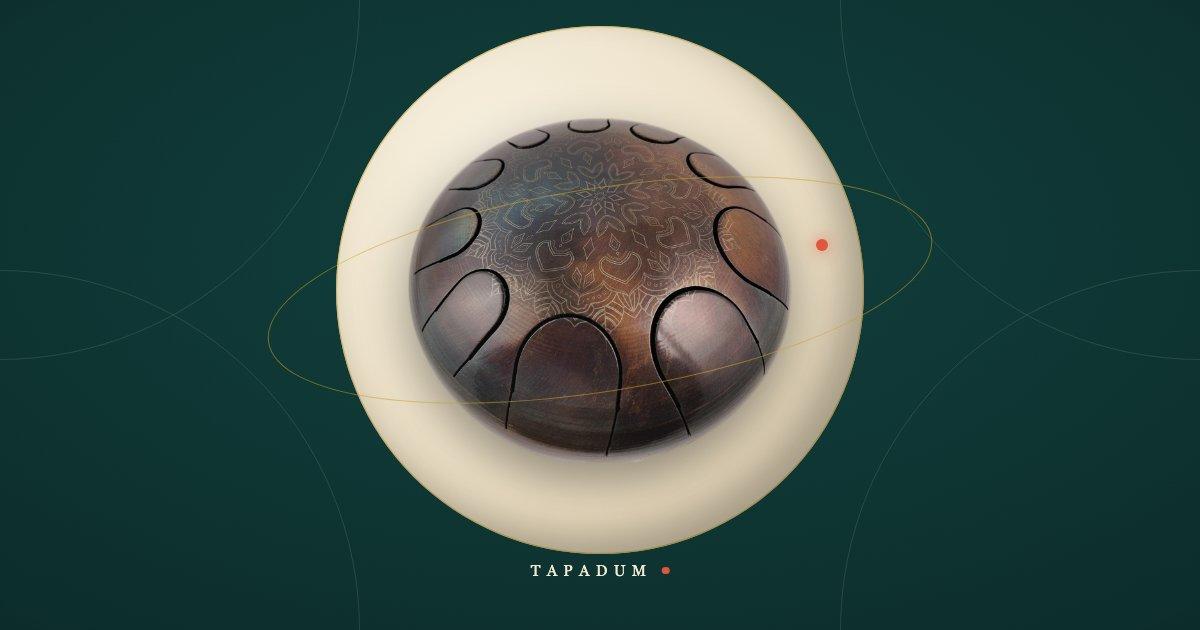
The steel tongue drum is one of the easiest instruments to use for meditation. It is tuned to a single soothing scale, so every note sounds settled, and it needs no technique to begin. You strike a tongue with a mallet or a fingertip, the note rings and slowly fades, and the fading tone gives the mind something calm to follow.
Music research backs the instinct. A 2025 meta-analysis of music therapy for anxiety, pooling 51 studies and 3,276 people, found a significant medium effect on anxiety, strongest for how people said they felt. For a tool this simple, that is a meaningful place to start.
Why the tongue drum works for calm
Most beginner tongue drums are tuned to a gentle minor pentatonic scale, often “D Kurd.” A pentatonic scale has no harsh intervals, so even random playing sounds settled. That removes the pressure to “play well,” which is exactly what meditation asks you to let go of.
The sound itself helps. Each strike produces a clear tone with a long, even decay. Following a tone as it fades is a natural anchor for attention — the same role the breath plays in many meditation practices.
What the research actually says
Music’s calming effect is measurable but nuanced. The 2025 anxiety meta-analysis found a medium benefit overall (Hedges g = 0.357) and a slightly larger one for self-reported anxiety (g = 0.410); effects on physiological markers were smaller. A 2020 review of 104 studies and more than 9,000 people reported small-to-medium effects on physical stress markers and larger effects on psychological measures like anxiety.
The honest reading: music, including simple instruments, most reliably shifts how calm you feel, and active playing keeps you engaged in a way passive listening does not. It is a support for relaxation, not a medical treatment.
See the 2025 music-therapy-for-anxiety meta-analysis. For a broad overview, the US NCCIH summary on music and health is a reliable starting point.
A simple 10-minute tongue drum practice
- Sit comfortably and rest the drum on your lap or a cushion.
- Take three slow breaths before you play a single note.
- Strike one tongue and follow the sound until it fully fades.
- Breathe out, then play the next note — let the pace match your breath, not a rhythm.
- Wander freely across the tongues; there is no wrong sequence in a pentatonic scale.
- Close by sitting for a minute in the silence after the last note.
Slow is the point. A tongue drum played gently, one note per breath, becomes a moving meditation rather than a performance.
Tongue drum vs handpan for meditation
Both are melodic steel drums, and both suit calm playing. The practical difference is the entry point. A steel tongue drum is far more affordable and almost indestructible, which makes it the natural first instrument for meditation. A handpan offers a wider, more expressive voice at a higher price.
If you are weighing the two, our complete handpan guide lays out the trade-offs. For sizes and scales, see the steel tongue drum buyer’s guide, and to build a wider practice, our guide to building a sound bath set.
Browse options in our sound healing instruments collection.
Frequently Asked Questions
Is a steel tongue drum good for meditation?
Yes. It is tuned to a single soothing scale, needs no technique, and produces long, fading tones that give attention a natural anchor — much like the breath. Music research links this kind of calm, active playing to reduced anxiety.
Do I need any musical experience?
None. Beginner tongue drums use a pentatonic scale with no harsh intervals, so any note you strike sounds settled. That makes it hard to play “wrong.”
Which scale is best for relaxation?
Most people start with a minor pentatonic such as D Kurd, the standard on beginner models. Its soft, open intervals suit slow, meditative playing.
Can a tongue drum replace medical treatment for anxiety?
No. Research supports music as a support for relaxation and mood, not as a treatment for any medical condition. Use it alongside, not instead of, professional care.