
The Kabak Kemane: Turkey’s Pumpkin-Bodied Folk Fiddle
What you’ll learn: what a kabak kemane actually is and why its body is a hollowed pumpkin, its Central Asian roots as a relative of the ancient rebab, how it’s played on the knee rather than the shoulder, and how it differs from its better-known bowed cousins.
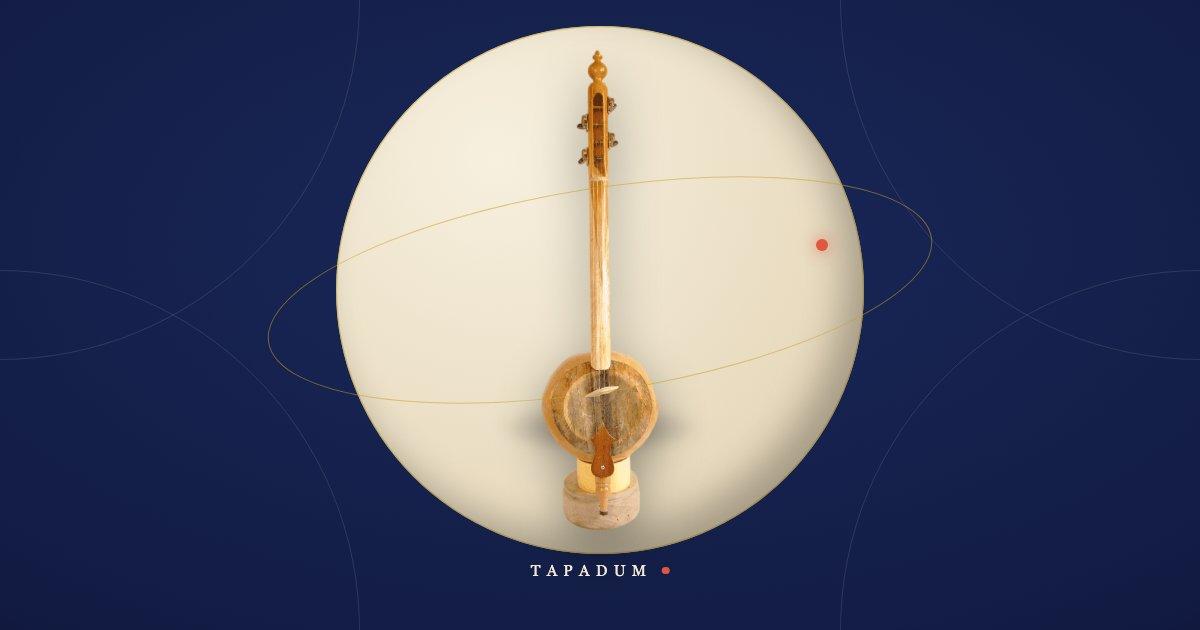
Its name gives it away in one word: kabak means “pumpkin” in Turkish, and the kabak kemane’s resonating body really is a hollowed, dried gourd. Of all the bowed instruments in Turkish folk music, it’s the one whose construction most directly reflects where and how it was made — a rural, materials-at-hand instrument that’s survived largely unchanged for centuries in the Aegean and Western Anatolian countryside.
What Is a Kabak Kemane?
The kabak kemane’s body is built from a dried gourd roughly 30 cm long, its open end covered with a soundboard traditionally made from animal pericardium — a thin membrane that gives the instrument its characteristically raw, resonant voice. A hard wooden neck extends from the gourd, and the instrument typically carries three metal strings tuned to a chromatic scale, letting it move through a fuller range of notes than some of its regional relatives.
Central Asian Roots and the Rebab Family
The kabak kemane traces back to Central Asia and is considered a descendant of the rebab, the ancient bowed lute that spread from there across the Middle East, North Africa, and into parts of Europe, seeding an entire family of bowed folk instruments along the way. In Turkey today it’s most closely associated with the Aegean region of Western Anatolia and with Turkmen communities in the south and west of the country, where it remains a working folk instrument rather than a museum piece — played in rural ensembles alongside the baglama, wind instruments, and hand percussion.
How It’s Played
Unlike shoulder- or chest-held bowed instruments, the kabak kemane is played vertically, resting on the knee, with a horsehair bow held in an overhand grip. That playing position — closer to how a cellist or a kamancheh player holds their instrument than how a violinist does — shapes both the technique and the sound: a raw, grounded tone well suited to solo playing and to rural folk ensembles rather than the more polished projection of a concert-hall instrument.
Kabak Kemane vs. Its Bowed Cousins
Turkish and Persian bowed folk music has several close relatives that are easy to mix up. The Black Sea kemençe is a different, smaller instrument held and bowed against the chest, tuned for the fast dance rhythms of the eastern Black Sea coast. The classical (Istanbul) kemençe belongs to Ottoman art music, held upright on the knee but built and strung differently for a refined, indoor concert voice. The Persian kamancheh shares the vertical, knee-braced playing position with the kabak kemane but comes from an entirely separate classical tradition centered on Iranian dastgah repertoire. The kabak kemane, by contrast, is the folk voice of the family — its pumpkin body and pericardium head built for rural, at-hand craftsmanship rather than a workshop tradition.
Choosing a Kabak Kemane
A traditional kabak kemane typically ships with its own gig bag and a traditional bow (arşe), ready to play out of the case. Because the gourd body and skin membrane are natural materials, condition and craftsmanship vary more than with instruments built from cut, seasoned wood — worth checking carefully, and worth asking about stock, since genuine gourd-bodied instruments are a smaller, more specialized category than mass-produced folk instruments. If you’re coming from the baglama or another fretted folk instrument, expect a real adjustment period: the bowing technique takes longer to feel natural than picking or strumming does.
Frequently Asked Questions
Why is the kabak kemane’s body made from a pumpkin?
“Kabak” literally means pumpkin in Turkish — the instrument’s resonating body is a hollowed, dried gourd, a rural, materials-at-hand construction typical of Anatolian folk instrument-making rather than a workshop tradition using cut and seasoned tonewood.
Is the kabak kemane the same as the Black Sea kemençe?
No. The Black Sea kemençe is a different, smaller instrument played against the chest and tuned for fast dance rhythms of the eastern Black Sea coast. The kabak kemane is played vertically on the knee and belongs to a separate, older folk tradition centered on Western Anatolia and the Aegean.
How is the kabak kemane related to the kamancheh?
They share a playing position — both are held vertically, braced on the knee — and both descend from the same broad Central Asian rebab family. But they come from separate traditions: the kamancheh is built for Persian classical dastgah repertoire, while the kabak kemane is a rural Turkish folk instrument.
What strings does a kabak kemane use?
Traditionally three metal strings, tuned to a chromatic scale — giving the instrument a fuller melodic range than some of its regional folk relatives that use fewer strings or a more limited tuning.
Is the kabak kemane hard to learn?
It takes real time, especially for players coming from fretted or plucked instruments. The bowing technique and the knee-braced playing position both need to become second nature before the instrument’s expressive range opens up.

Tapadum is an ethnic music store based in Italy, specializing in handcrafted instruments from the Middle East, the Mediterranean, and the Balkans. Free EU shipping & 15-day return. Explore our guides to the Black Sea kemençe and the Persian kamancheh for a closer look at its bowed cousins.