
The Oğur Sazı: What It Is and Who It’s For
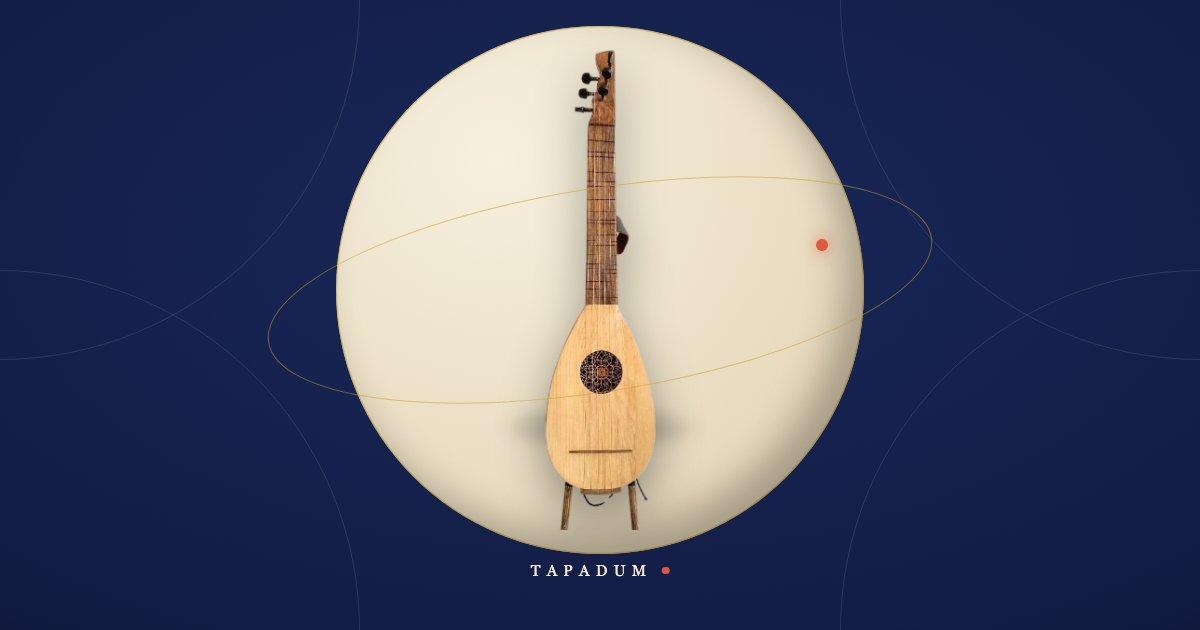
What you’ll learn: what an oğur sazı actually is and why it’s strung more like a guitar than a baglama, who Erkan Oğur is and why the instrument carries his name, how it’s played without a pick, and who it’s for.
Most instruments in the baglama family are defined by what they share: paired string courses, a plectrum-driven strum, a shared tuning logic passed down through generations. The oğur sazı breaks from all three — a modern, single-maker reinvention of the baglama built for a guitarist’s hands rather than a folk strummer’s.
What Is an Oğur Sazı?
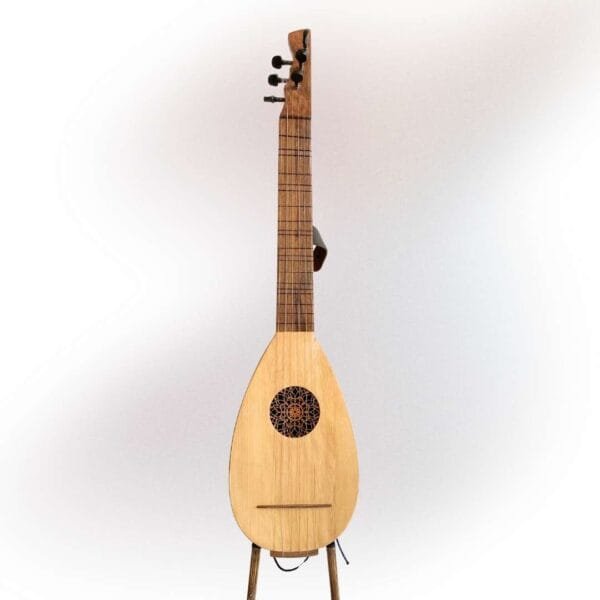
The oğur sazı is a six-stringed member of the baglama family, but its strings run individually, one by one, guitar-style — not in the paired or tripled courses a standard baglama uses. That single detail changes almost everything about how the instrument sounds and plays, opening up a tonal complexity and chord richness closer to a classical or fingerstyle guitar than to a folk saz. Construction favors resonance and projection: a juniper body for warm, rich acoustic tone, a mahogany neck for playing stability, a Turkish walnut fingerboard, and a spruce top for bright, clear projection. The neck is also longer than a standard baglama’s, giving the instrument a deeper voice.
Erkan Oğur: The Musician Behind the Name
The instrument is named for and invented by Erkan Oğur (b. 1954), one of modern Turkish music’s most influential instrumentalists. Oğur is best known internationally for a separate, even more radical invention: the first fretless classical guitar, built in 1976 to bring the pitch-bending, microtonal ornamentation of Turkish melody onto a guitar fingerboard. The oğur sazı applies that same instinct — rethinking a familiar instrument’s physical design to unlock playing techniques the original wasn’t built for — to the baglama itself.
Played Without a Pick: The Arpeggio Technique
Where a standard baglama is driven by a plectrum (mızrap) strum, the oğur sazı is played fingerstyle, without a pick, suited to an arpeggio technique that lets individual strings ring and overlap rather than being struck together as a course. The result is a more fluid, expressive sound — closer to how a classical guitarist voices a chord than to the percussive drive of traditional baglama strumming.
Tuning: Breaking from Tradition
The oğur sazı also uses a non-traditional tuning system Oğur devised himself, a deliberate departure from the fixed tuning logic that governs standard baglama sizes and regional styles. Combined with the individually-placed strings, this gives players room to explore chord voicings and intervals a conventional baglama’s paired courses don’t easily allow — the instrument rewards players actively looking to push past folk convention rather than reproduce it note-for-note.
Oğur Sazı vs. Standard Baglama
A standard baglama’s paired or tripled string courses are built for the driving, percussive strum at the heart of Anatolian folk music — efficient, rhythmic, and rooted in centuries of regional playing tradition. The oğur sazı gives up that rhythmic drive for individual string control, guitar-style chord voicing, and a fingerstyle arpeggio technique. It’s not a replacement for the standard baglama so much as a parallel instrument built for a different musical instinct — one shaped by a single modern musician’s own playing rather than by generations of folk practice. Note also that some catalogs and listings pair the “oğur sazı” name with an unrelated instrument called the kopuz — the two are historically distinct, and worth telling apart before buying.
Who the Oğur Sazı Is For
This instrument suits guitarists curious about Turkish string traditions who want an entry point that plays more like what they already know, baglama players looking to expand into richer chord voicings, and anyone drawn to Erkan Oğur’s own recorded work who wants to explore the instrument he built to make it. If you’re choosing your very first Turkish string instrument, our Choosing Your First Baglama guide is the more traditional starting point — the oğur sazı is where to go once you already know the standard instrument and want to hear what changes.
Frequently Asked Questions
Who invented the oğur sazı?
Erkan Oğur, a Turkish musician best known internationally for building the first fretless classical guitar in 1976. The oğur sazı applies a similar rethinking of physical design to the baglama, carrying his name.
How is the oğur sazı different from a standard baglama?
Its six strings run individually rather than in the paired or tripled courses a standard baglama uses, it’s played fingerstyle without a plectrum using an arpeggio technique, and it uses a non-traditional tuning system Oğur devised himself.
Is the oğur sazı played with a pick?
No — it’s played fingerstyle, without a plectrum, which suits an arpeggio technique that lets individual strings ring and overlap rather than being struck together.
Is the oğur sazı the same as the kopuz?
No, though the name sometimes appears paired with “kopuz” in product listings. They are historically distinct instruments — the kopuz is the ancient ancestor of the baglama family, while the oğur sazı is a modern reinvention created by Erkan Oğur.
Is the oğur sazı a good first Turkish string instrument?
Probably not the very first — it rewards players who already understand baglama or guitar technique and want to explore a less traditional playing style. A standard baglama is the more common starting point.
Tapadum is an ethnic music store based in Italy, specializing in handcrafted instruments from the Middle East, the Mediterranean, and the Balkans. Free EU shipping & 15-day return. Explore the full Baglama-Saz collection.