
Best Oud for Beginners: Which Tapadum Model to Buy First

What you’ll learn: which two Tapadum ouds are actually built for a first-time player (not just labeled “beginner”), why geared pegs and a cedar top matter more than price in your first year, when to skip ahead to a professional instrument instead, and how to keep a new oud alive through its first three months.
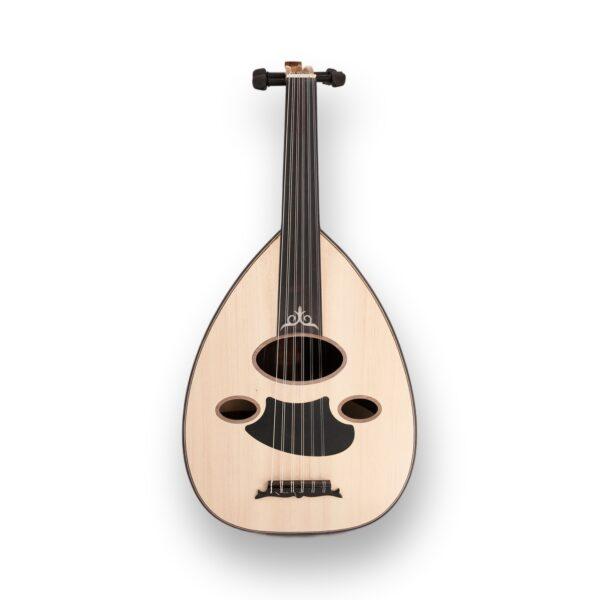
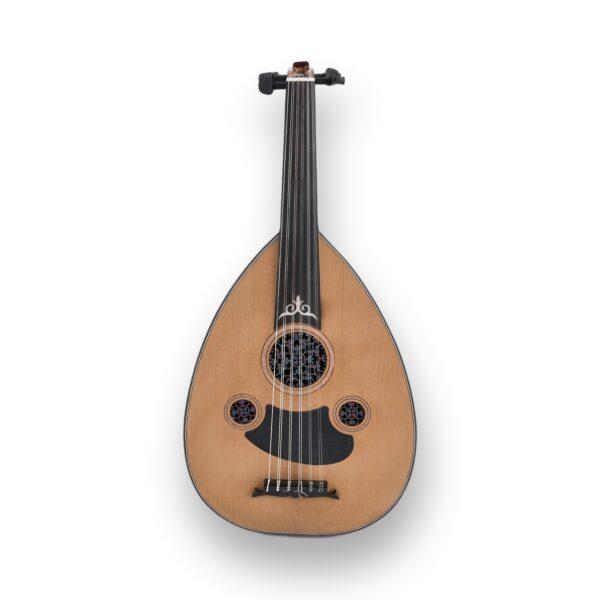
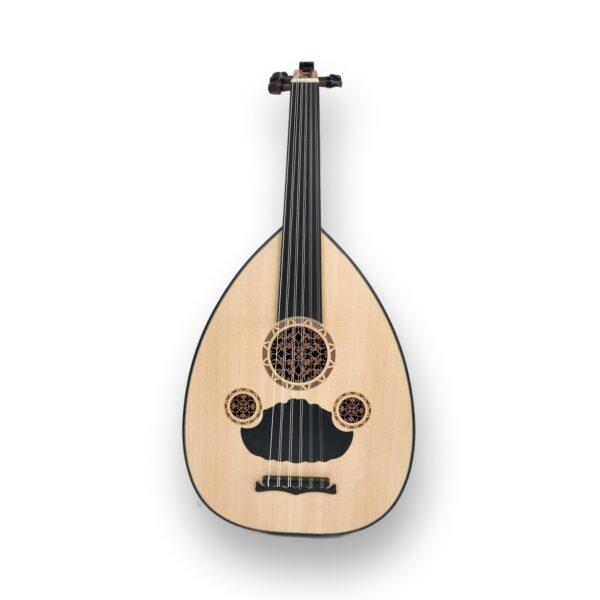
The best oud for a true beginner is one built around forgiving mechanics, not just a lower price tag. At Tapadum, that means the Turkish Oud Smyrna (€549) for Turkish maqam repertoire, or the Arabic Oud Smyrna (€549) for Arabic maqam repertoire. Both come from the same Sultan Collection, both use geared or fixed hardware that holds tuning through a beginner’s first clumsy months, and both cost less than the step-up instruments many new players buy by mistake.
Turkish or Arabic Tradition First?
Before picking a specific instrument, pick a tradition — the two ouds are voiced differently and the repertoire doesn’t overlap cleanly. If you’re drawn to Turkish classical music, fasil ensemble playing, or fast, bright melodic lines, start Turkish. If Egyptian, Syrian, Lebanese, or Iraqi maqam and longer, sustained phrasing pulled you toward the oud in the first place, start Arabic. We cover the full anatomy and tuning differences between the two traditions in our complete oud guide — this article assumes you’ve already leaned one way and want to know exactly which instrument to buy.
Two Real Beginner Ouds, Side by Side
| Turkish Oud Smyrna | Arabic Oud Smyrna | |
|---|---|---|
| Price | €549.16 | €549.11 |
| Soundboard | Solid cedar | Solid spruce |
| Bowl | Mahogany & black staves | Walnut & maple rope pattern |
| Pegs | Geared, wooden-finish | Friction, bent-back pegbox |
| Bridge | Fixed | Fixed |
| Scale length | 58.5 cm | 58.5 cm |
| Strings fitted | Kürschner Classic 109 | Kürschner, Do–Do (C/C) tuning |
Every oud in the Sultan Collection passes individual quality control at our Izmir workshop before it ships from our Brisighella, Italy showroom — the same inspection process we run on our professional master-luthier lines.
What Actually Makes These Beginner-Friendly
In my own workshop evaluations, the detail that separates a genuinely beginner-friendly oud from one that just looks affordable is the peg system. The Turkish Oud Smyrna uses geared pegs, which hold tuning far more reliably than friction pegs — critical when you’re re-tuning by ear every session and don’t yet have the hand strength to seat a friction peg cleanly. The Arabic Oud Smyrna uses a settled fixed bridge instead, which removes one more variable a new player would otherwise have to manage.
Cedar and spruce soundboards also respond faster under a light touch than denser tonewoods, which means a beginner hears the reward of correct technique sooner — that feedback loop matters more for staying motivated than any spec sheet number.
When to Skip the Smyrna Entirely
Not every new player should start on a Smyrna. If you’ve already played fretless string instruments — violin, saz, or classical guitar without frets — and have functioning left-hand intonation, the Professional Turkish Oud by Feramis Aktas (Maple, €979) is the entry point into a master-luthier line, built by a workshop with an unbroken lineage back to master Sinai Ozkan. It costs more, but it’s the instrument you’d otherwise upgrade to within two years anyway.
One instrument we don’t recommend as a true first oud is the Nova Turkish Oud (€628). It’s an excellent second instrument — traditional friction pegs, a spruce top voiced for ensemble clarity — but Tapadum positions it for players “moving beyond their first instrument,” not starting on one. Friction pegs reward a hand that already knows how to seat them.
Your First Three Months
We tell every first-time buyer the same thing: expect the pegs to settle. Wood moves in its first months on an instrument, geared or not, so check tuning before every session rather than assuming last week’s setup held. Wipe the strings and soundboard down after playing, keep the oud away from direct heat and sudden humidity swings, and store it in a padded case between sessions rather than leaving it out on a stand in a dry room. None of this is unique to beginner instruments — it’s the same discipline we expect from every oud that leaves our Izmir workshop.
Frequently Asked Questions
What’s the single best oud for a true beginner?
For Turkish repertoire, the Turkish Oud Smyrna (€549) — its geared pegs hold tuning through a beginner’s first months better than friction pegs. For Arabic repertoire, the Arabic Oud Smyrna (€549) with its forgiving fixed bridge.
Should a beginner choose Turkish or Arabic oud?
Choose based on the repertoire that drew you to the instrument, not the instrument’s difficulty — both traditions are equally learnable. Turkish ouds suit brighter, faster Ottoman classical and fasil playing; Arabic ouds suit deeper, sustained Egyptian, Syrian, and Iraqi maqam phrasing.
Is the Nova Turkish Oud good for a first oud?
It’s built for players moving beyond their first instrument, not for absolute beginners. Its traditional friction pegs reward a hand that already knows how to seat and tune them.
How much should I expect to spend on my first oud?
A genuinely playable beginner oud from Tapadum’s Sultan Collection starts at €549. Budget instruments below that price often use plywood soundboards that can’t hold a stable setup, which frustrates new players far more than a slightly higher price.
Do beginner ouds need different care than professional ones?
No — the same rules apply to every oud we ship: avoid direct heat and humidity swings, wipe the instrument down after playing, and store it in a padded case. Geared-peg ouds need no lubrication; friction-peg ouds benefit from stable humidity to hold their seat.

[…] it: Arabic Oud Smyrna, Cedar Top — €599. Read our guide to choosing your first oud and, once it arrives, how to tune […]