Ars Nova Napoli at Tapadum: Southern Italian Folk from the Streets to the Stage
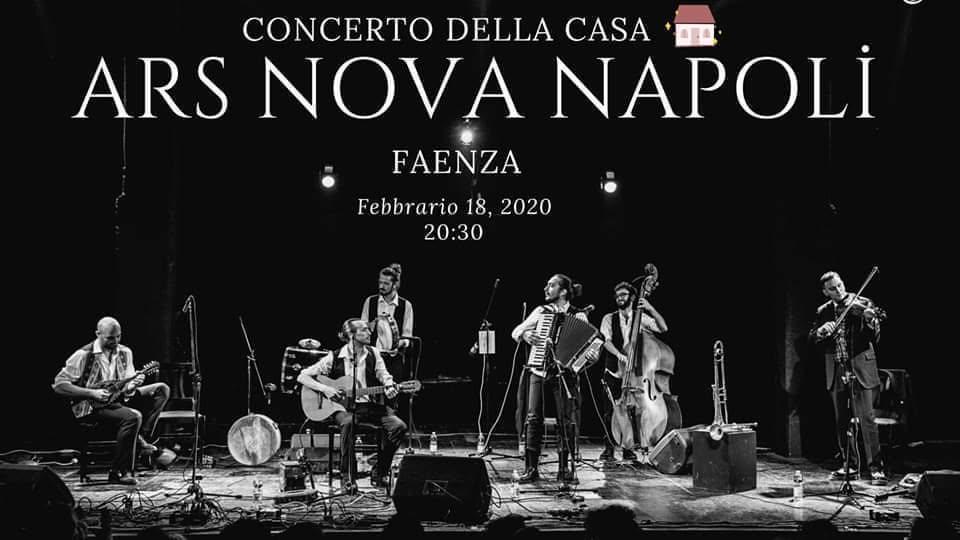
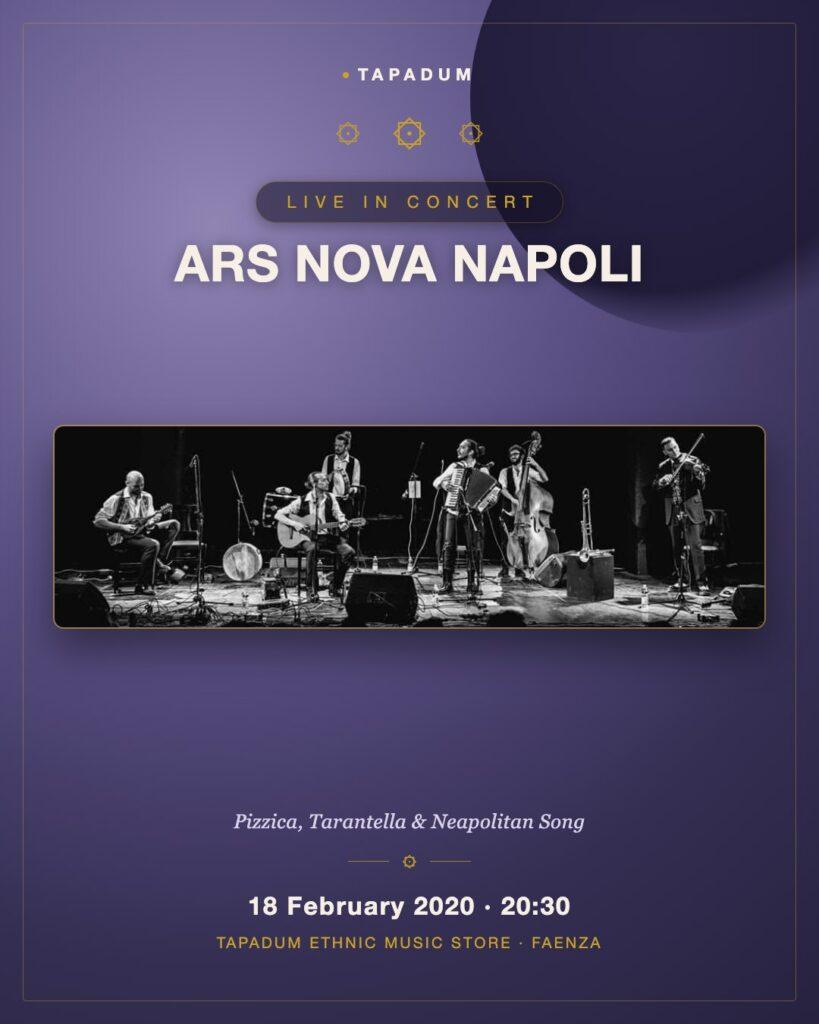
On 18 February 2020, the six-piece Ars Nova Napoli brought Southern Italian folk — pizzica, tarantellas, and Neapolitan song — to Tapadum in Faenza after a decade on the streets and stages of Europe.
Some bands arrive with a biography that takes longer to read than a concert lasts. Ars Nova Napoli is one of them — a six-piece from Naples who have spent over a decade carrying Southern Italian folk music through the streets, squares, festivals, prisons, and theatres of Italy and Europe.
They came to us on February 18. Fourteen people filled the room. One hundred and two more had been thinking about it — the second highest interest figure we had seen since opening night.
Ars Nova Napoli: Who They Are
Formed in the autumn of 2009 in Naples, Ars Nova Napoli began with a love for the popular repertoire of Campania and a commitment to street performance as a legitimate — and necessary — form of cultural sharing. For years, the streets of Naples’ historic centre were their natural stage.
The lineup that evening:
- Marcello Squillante — accordion, voice
- Bruno Belardi — double bass
- Michelangelo Nusco — violin, trumpet, baglamas, voice
- Vincenzo Racioppi — mandolin, charango, voice
- Gianluca Fusco — guitar, organetto, gaita, voice
- Antonino Anastasia — frame percussion
Six musicians, each playing multiple instruments, covering a repertoire that runs from Puglian pizzica to Sicilian serenades, Neapolitan classics to Calabrian tarantellas — and opening outward to connect with Greek rebetiko and Balkan music wherever the threads align.
A Decade on the Road
By the time they came to Tapadum, Ars Nova Napoli had accumulated a performance history that most bands spend a lifetime working toward. They won the Ferrara Buskers Festival twice — once in the accredited category, once as invited artists. They toured France, Spain, Greece, and Switzerland. They played in a Ferrara prison, appeared on Italian national television (RAI 2, La7, SKY Arte), performed at the Naples Theatre Festival, and participated in a performance at the Maschio Angioino alongside an international theatre-dance company tracing the shared cultural roots of Mediterranean peoples.
Their 2016 album Chi Fatica Se More e Famme, recorded in the ancient basilica of San Severo alla Sanità, documented seven years of musical encounters — from the groups that preceded them on Naples’ streets to the music they discovered in the Nebrodi mountains of Sicily. A sonic geography of a cultural tradition they call minore: minor, marginal, and precisely for that reason worth preserving.
See Them in Action
Three recordings that give a sense of what Ars Nova Napoli brings to a room.
The Evening at Tapadum
We asked people to park quietly and approach without noise — our neighbours deserve consideration, and the space is residential. It is a small ask, and people obliged. By 20:30 the room was full and the music had started.
What Ars Nova Napoli does in a small room is different from what they do in a festival square, but the core is the same: direct, physical, rooted music that makes the distance between performer and listener feel unnecessary. The frame percussion drove the tarantellas with the kind of authority that comes from playing them hundreds of times in actual street conditions. The accordion and violin carried the slower, more searching material. The voices — multiple, layered, sometimes in dialect — gave the whole evening a sense of place that is hard to manufacture and impossible to fake.
A Natural Connection
Ars Nova Napoli had crossed paths with rebetiko before — they see the connection between Naples and Greek popular music clearly, two port cultures shaped by migration, poverty, and the particular dignity that comes from making beautiful things in difficult circumstances. When Spanteca’ had played at Tapadum two months earlier, the same thread was present. Hearing Ars Nova Napoli draw it from the Italian side completed something.
Tapadum continues to host concerts from across the Mediterranean and beyond. Explore our handcrafted instrument collection or follow our upcoming events.
Özgür Yalçın is the founder of Tapadum and the founding member of Karagüneş. He has performed ethnic and world music across Europe for over twenty-five years and builds custom instruments from Tapadum’s workshop in Brisighella, Italy.