
Description
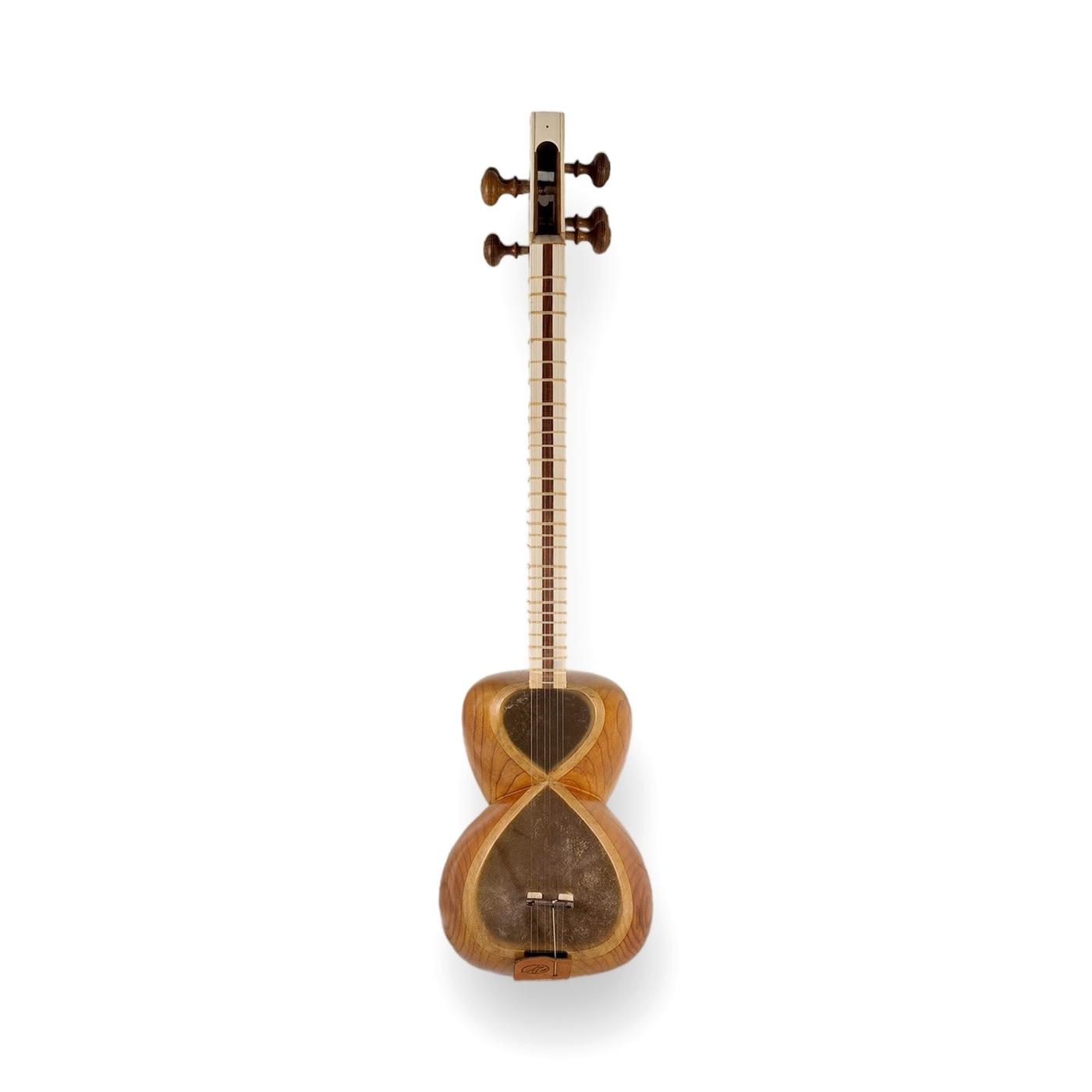
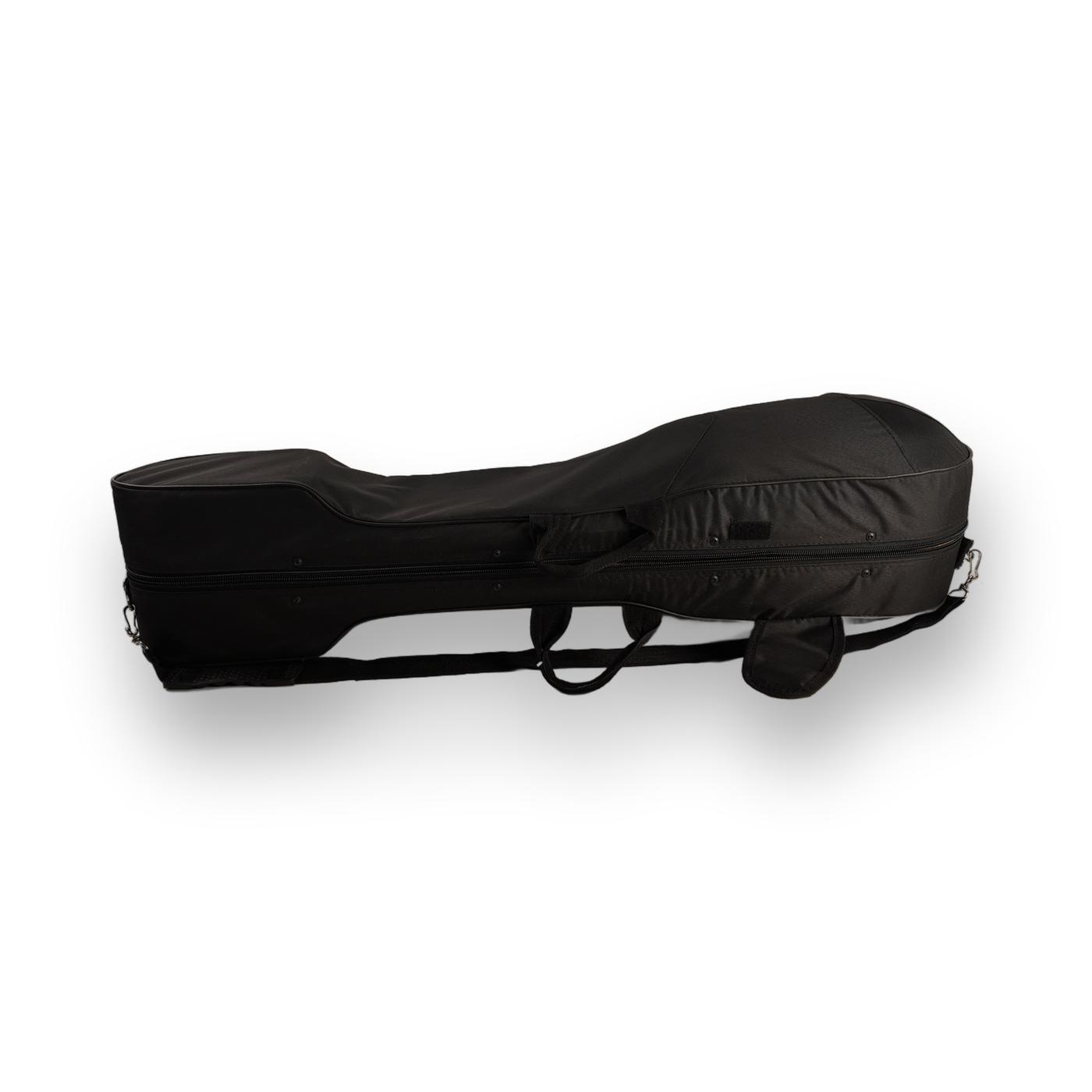
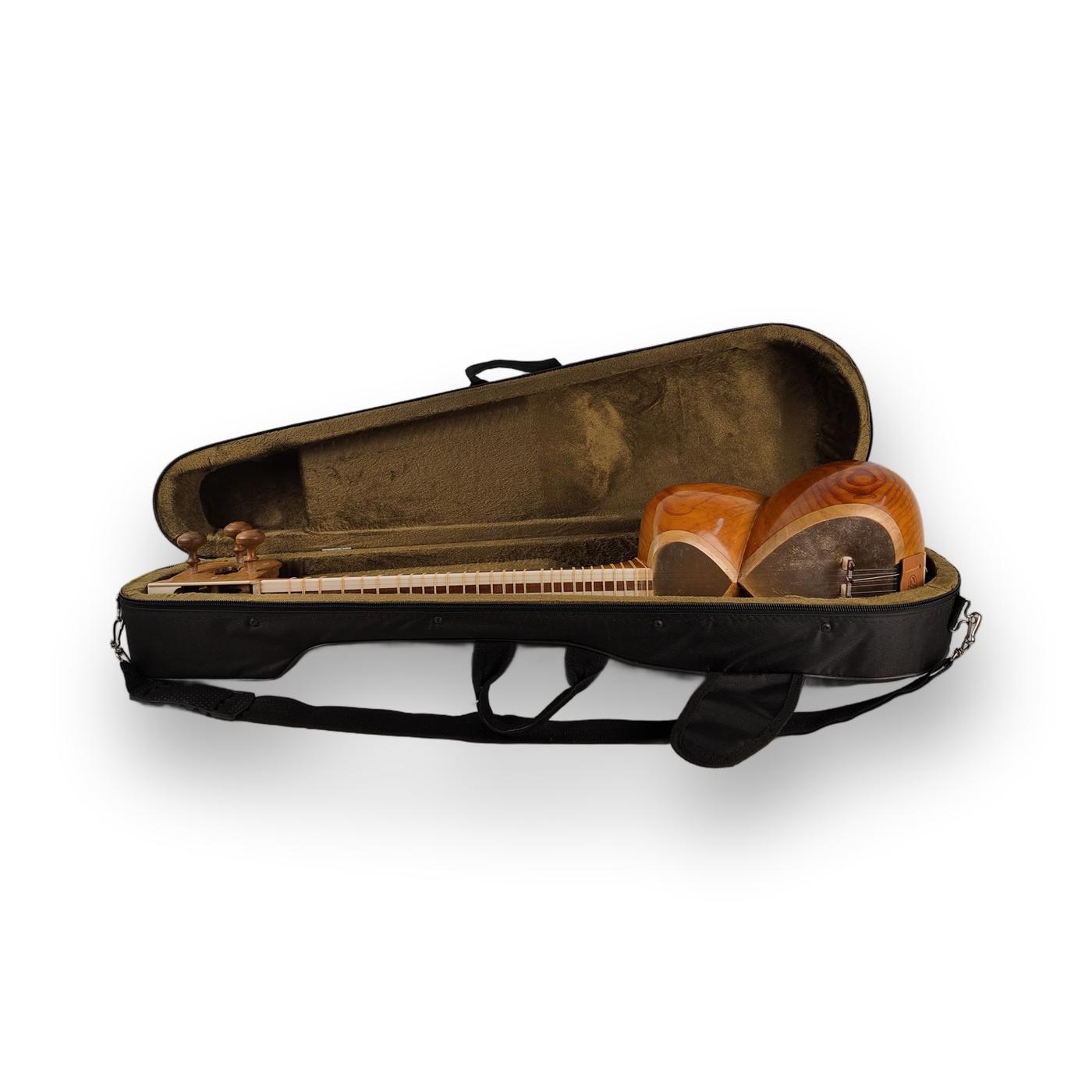
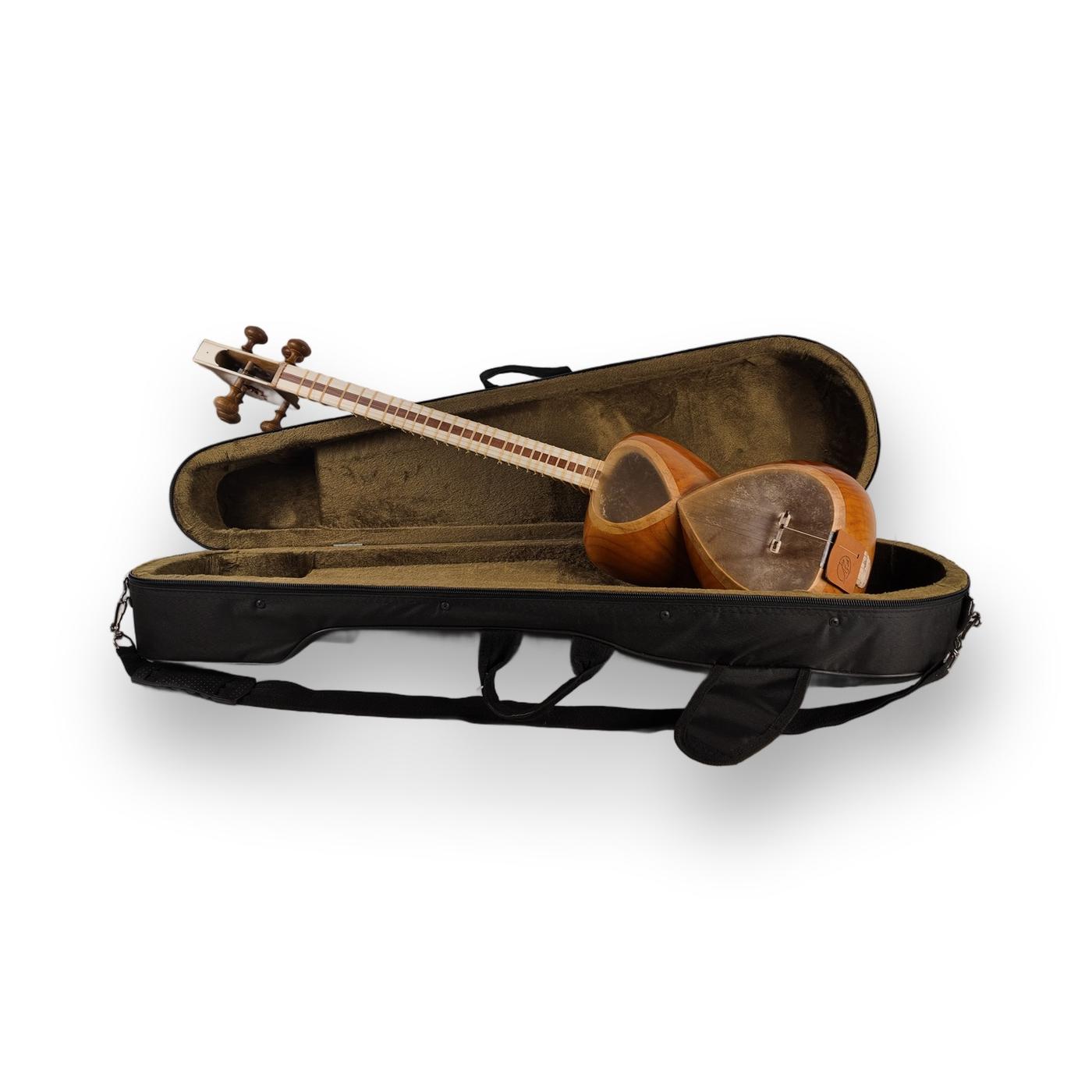
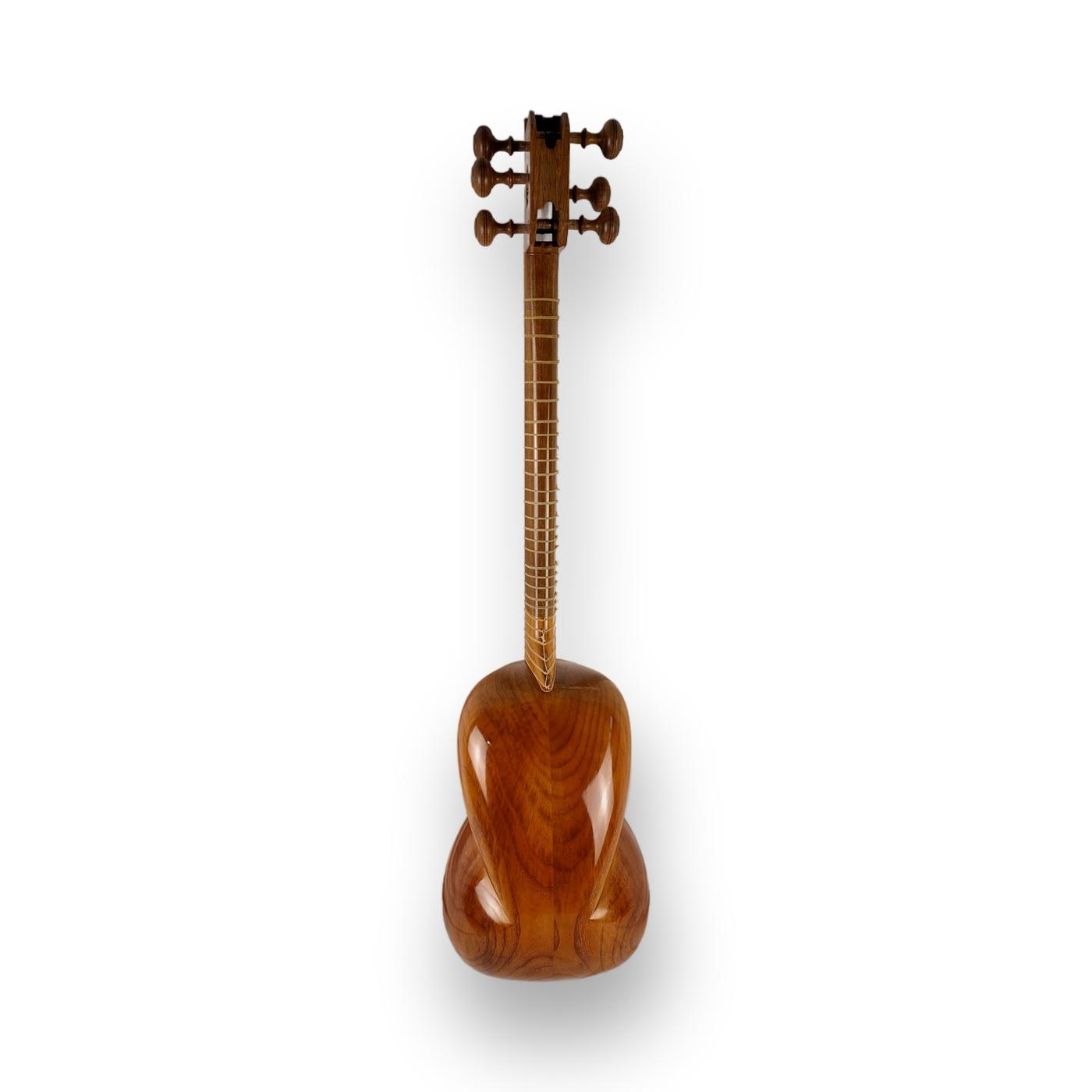
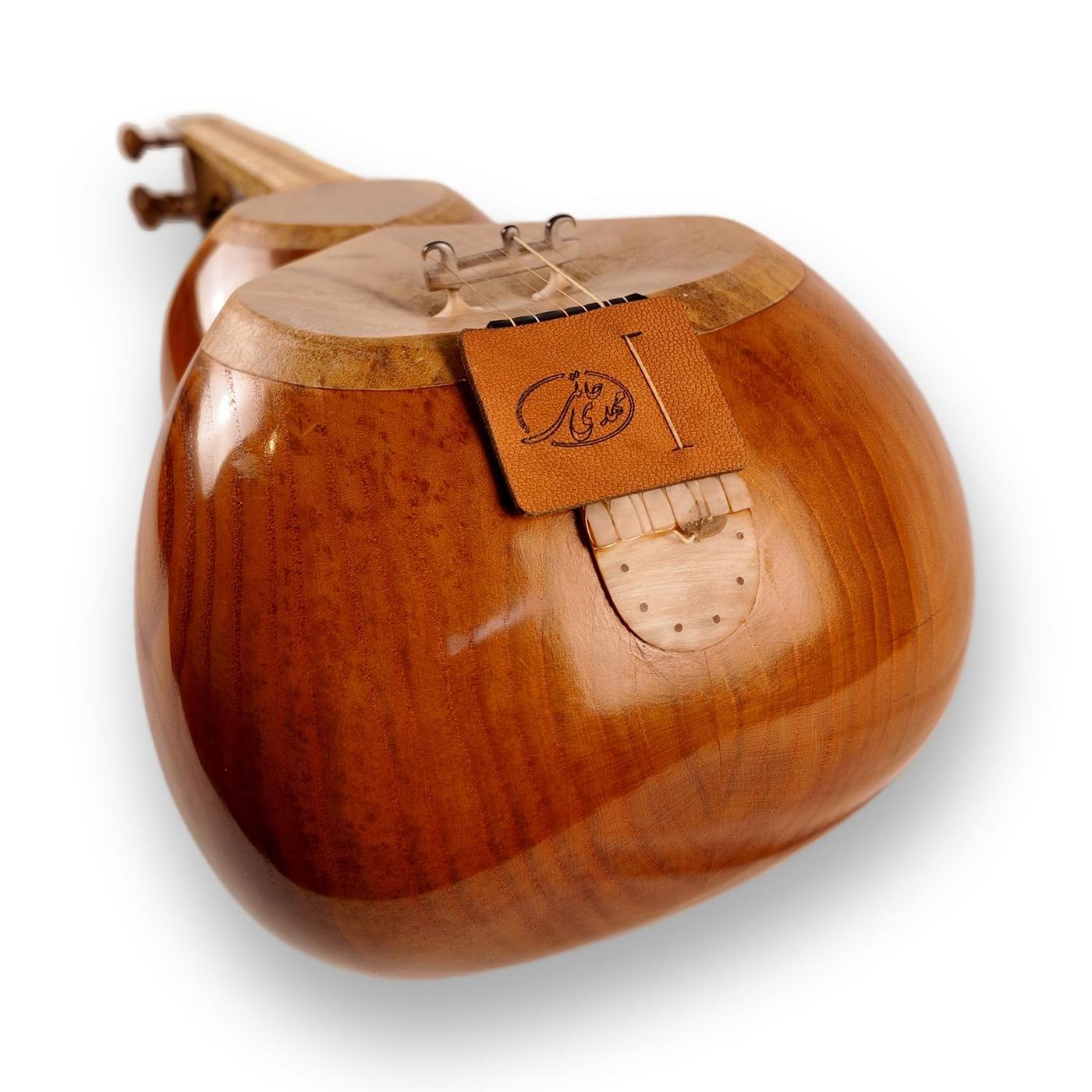
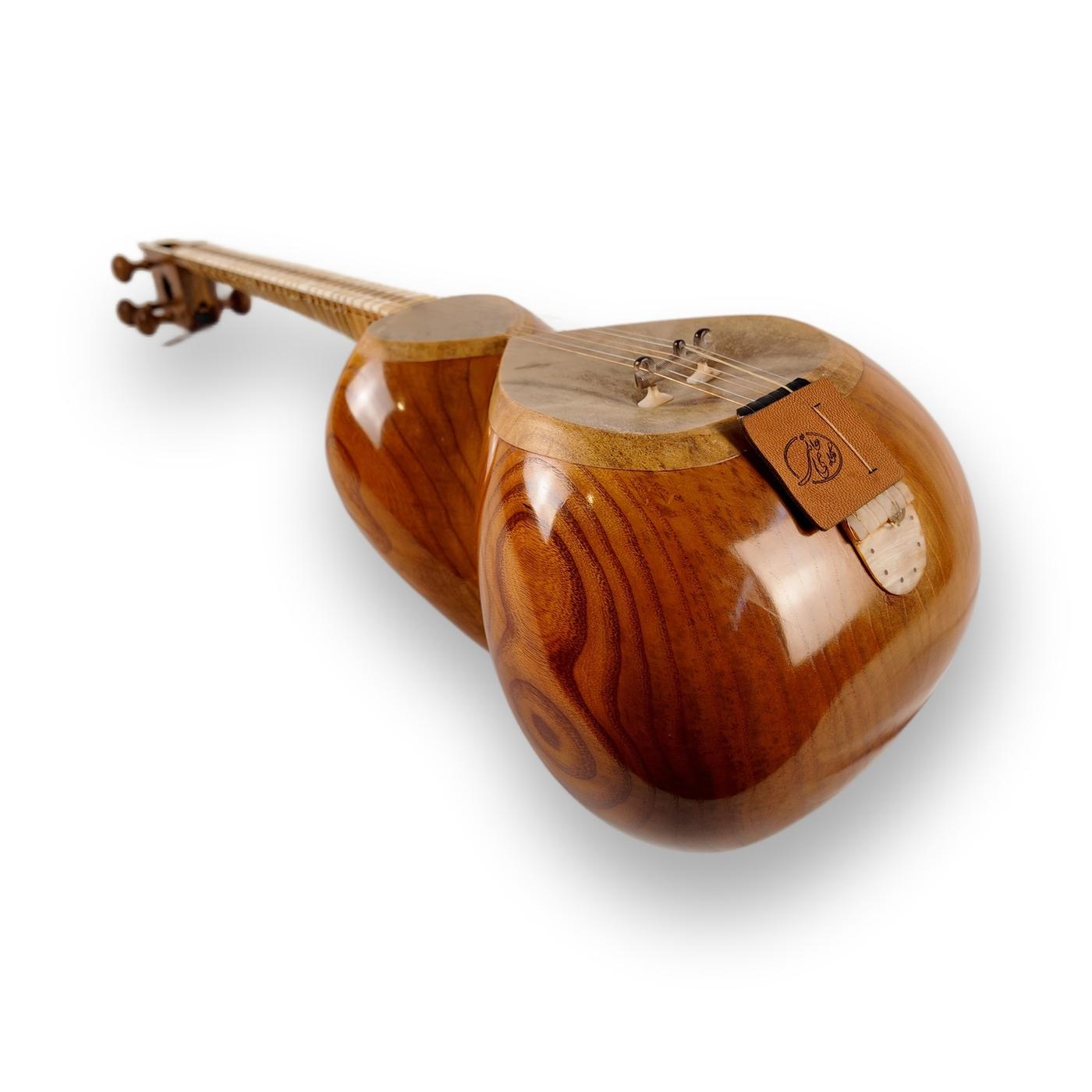
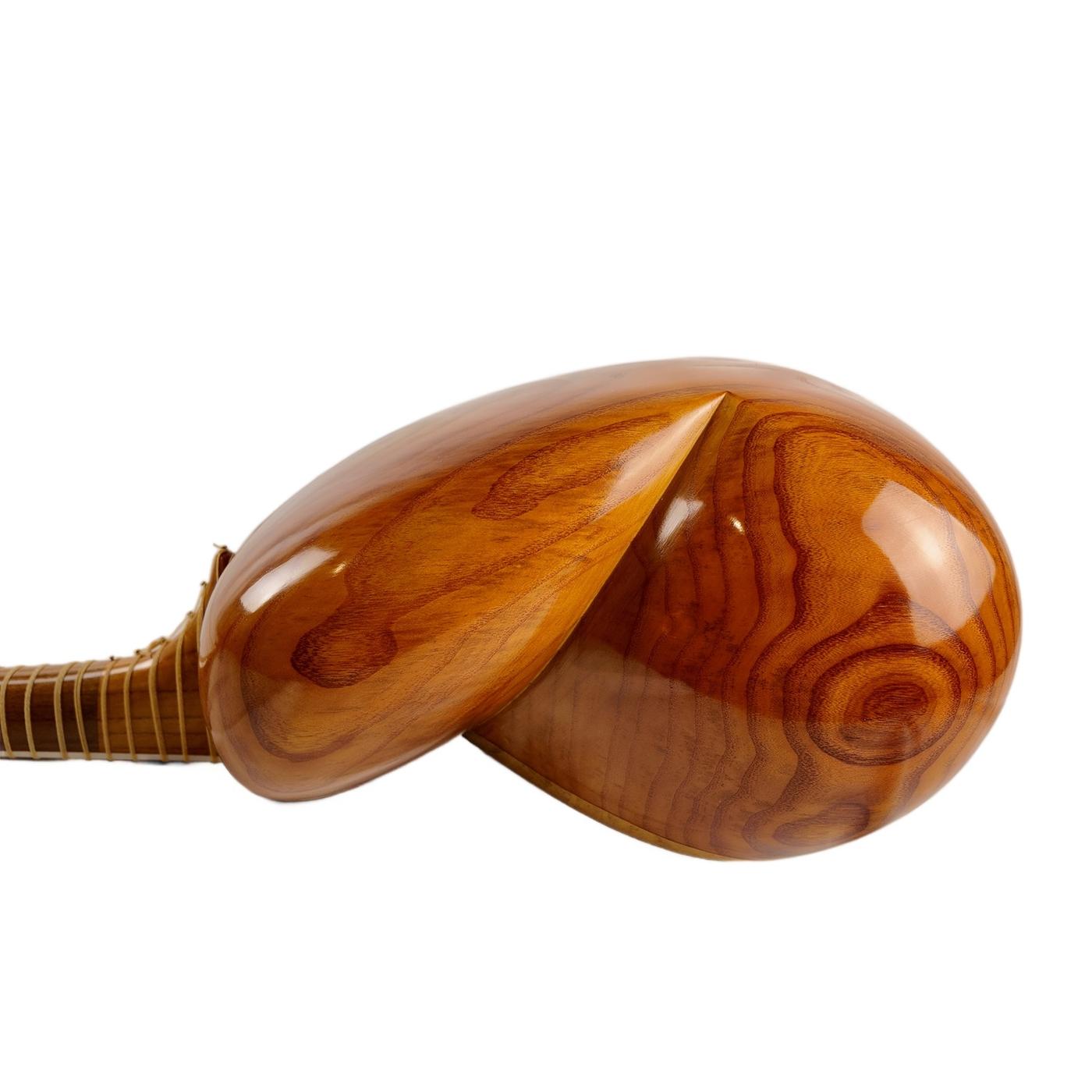
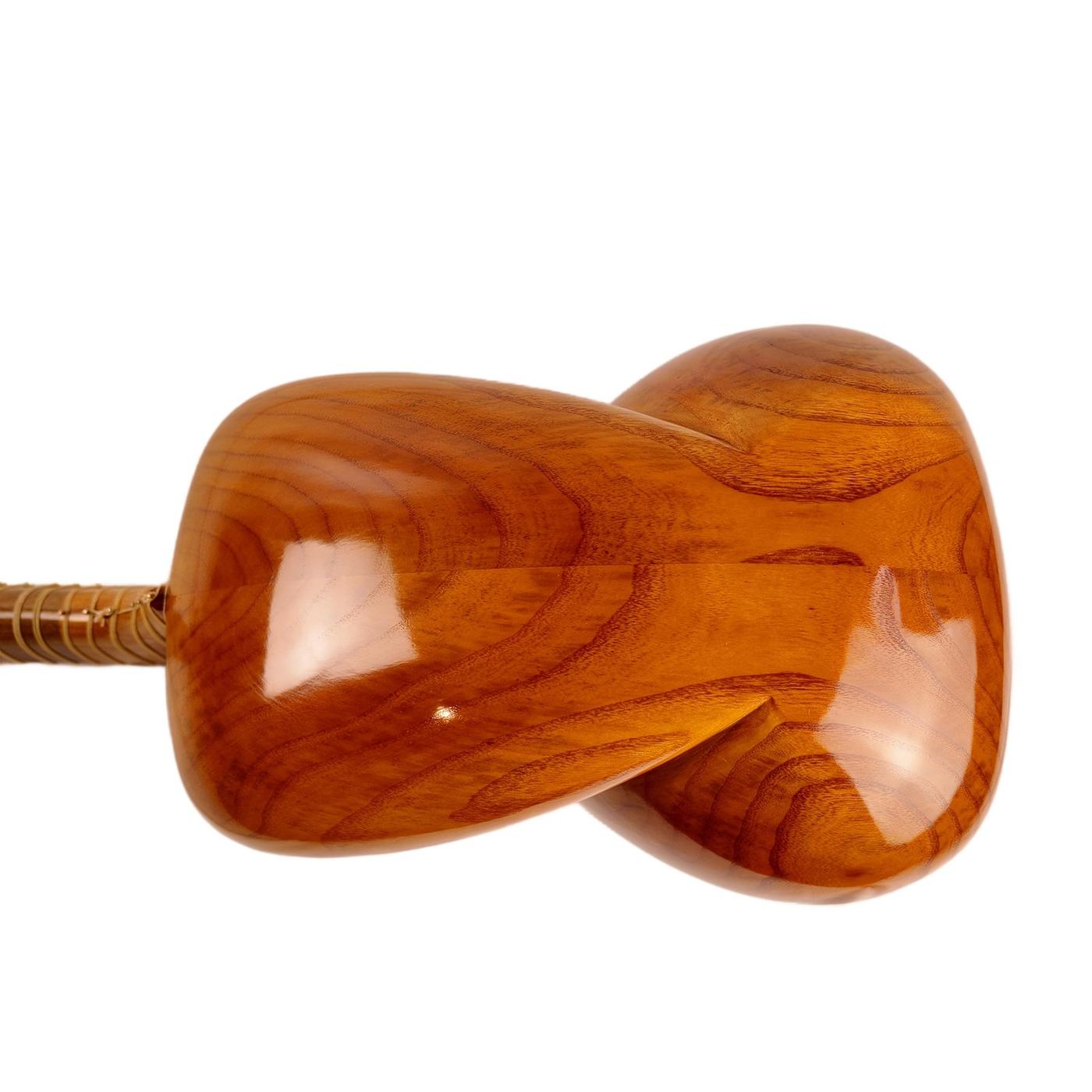
The Persian Tar by Mehdi Hatami is a handcrafted double-bowl lute built for players working through the dastgah repertoire — from solo improvisation to full radif practice. Its solid mulberry body carries two connected bowls in the classic tar shape, joined to a walnut neck with a bone-inlaid fingerboard binding. The instrument ships in a protective hard case with a tar mezrab (plectrum) included, ready to tune and play on arrival.
Mulberry Body and Walnut Neck
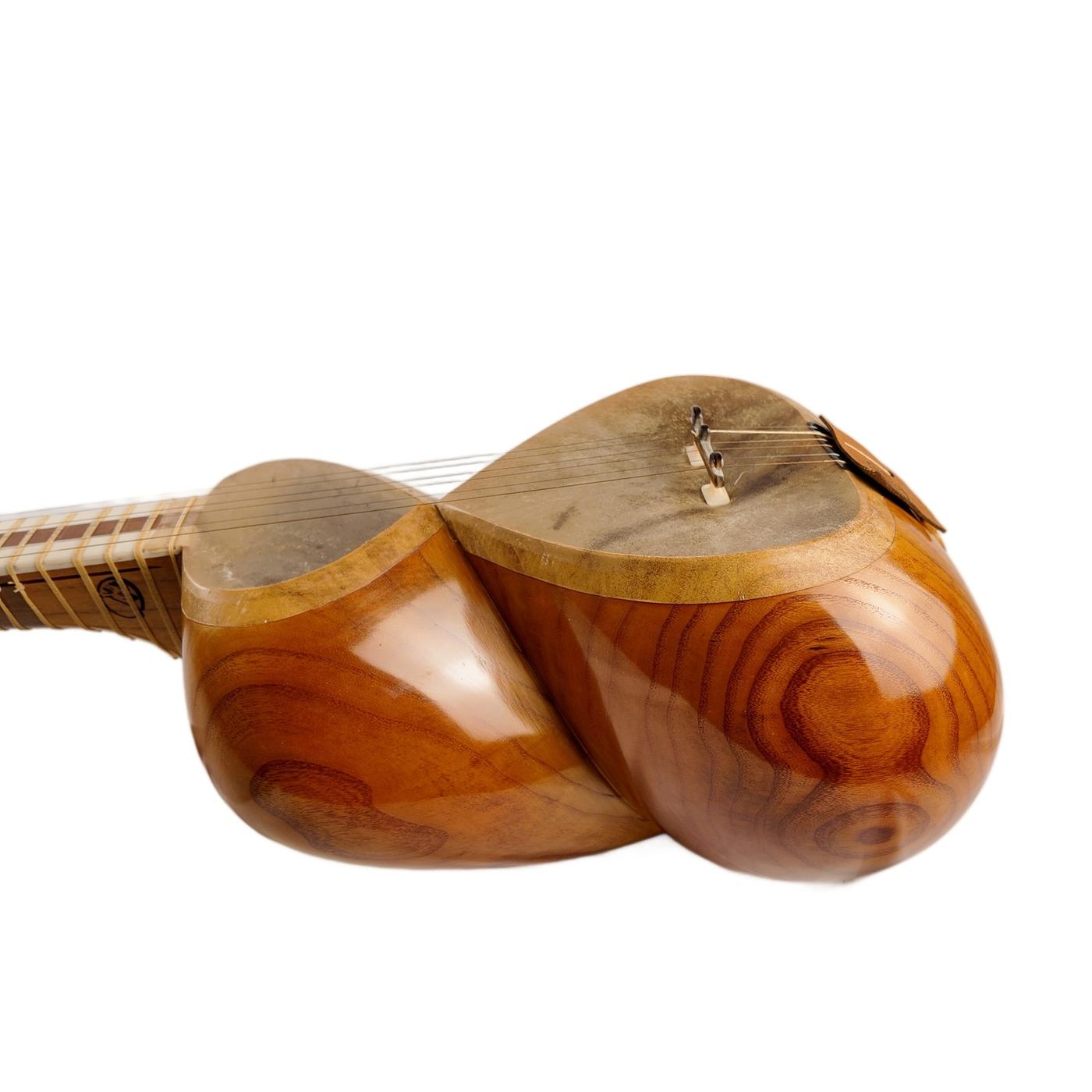
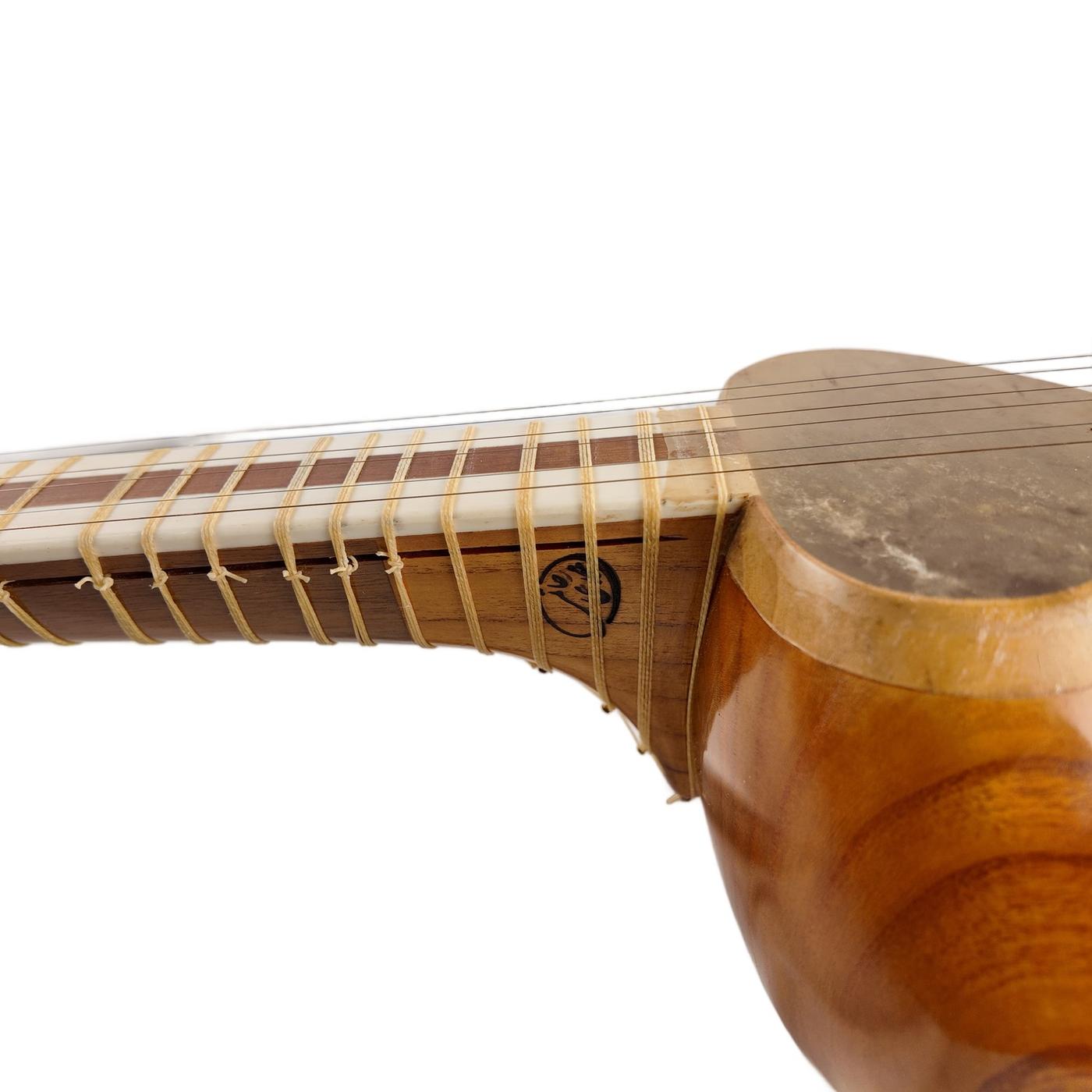
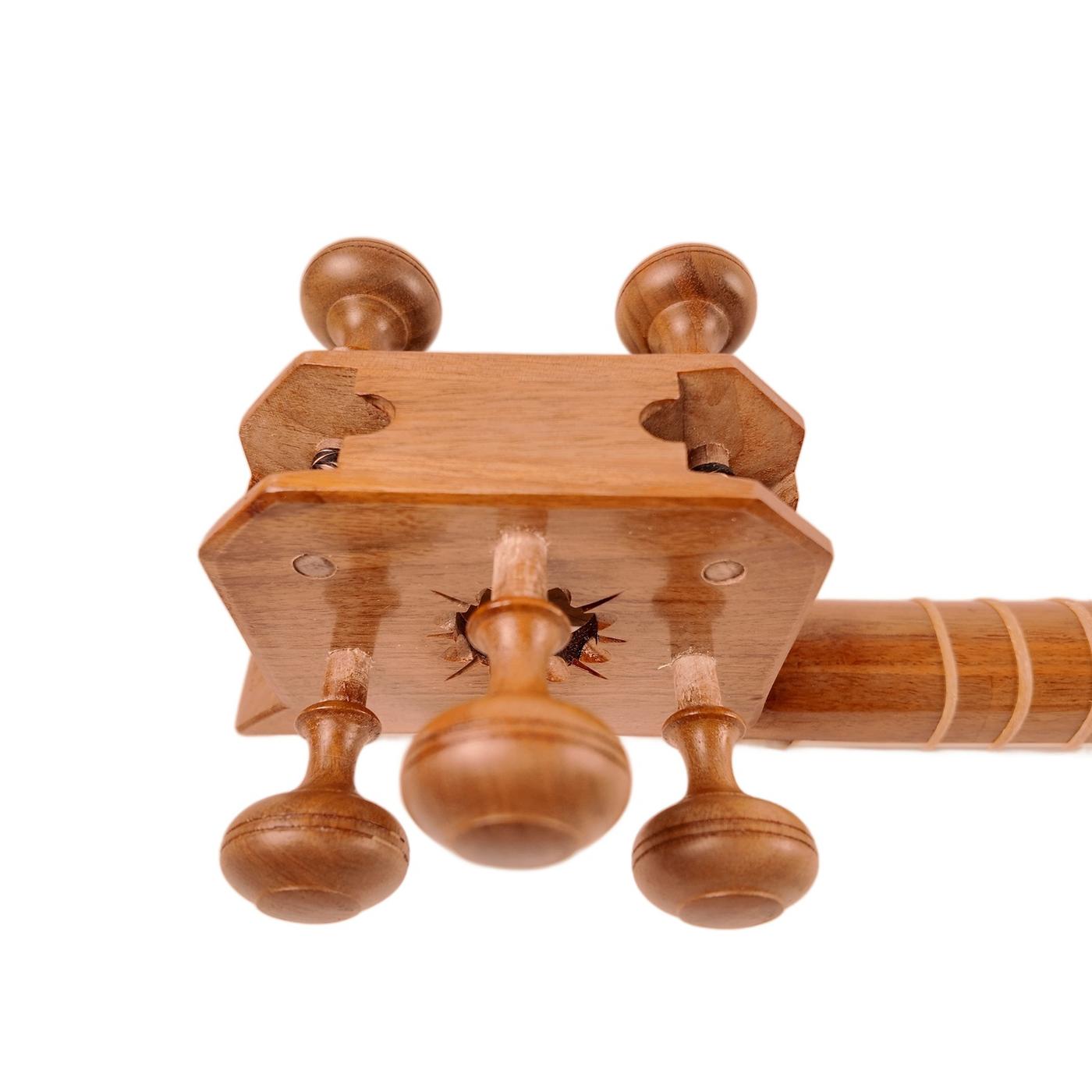
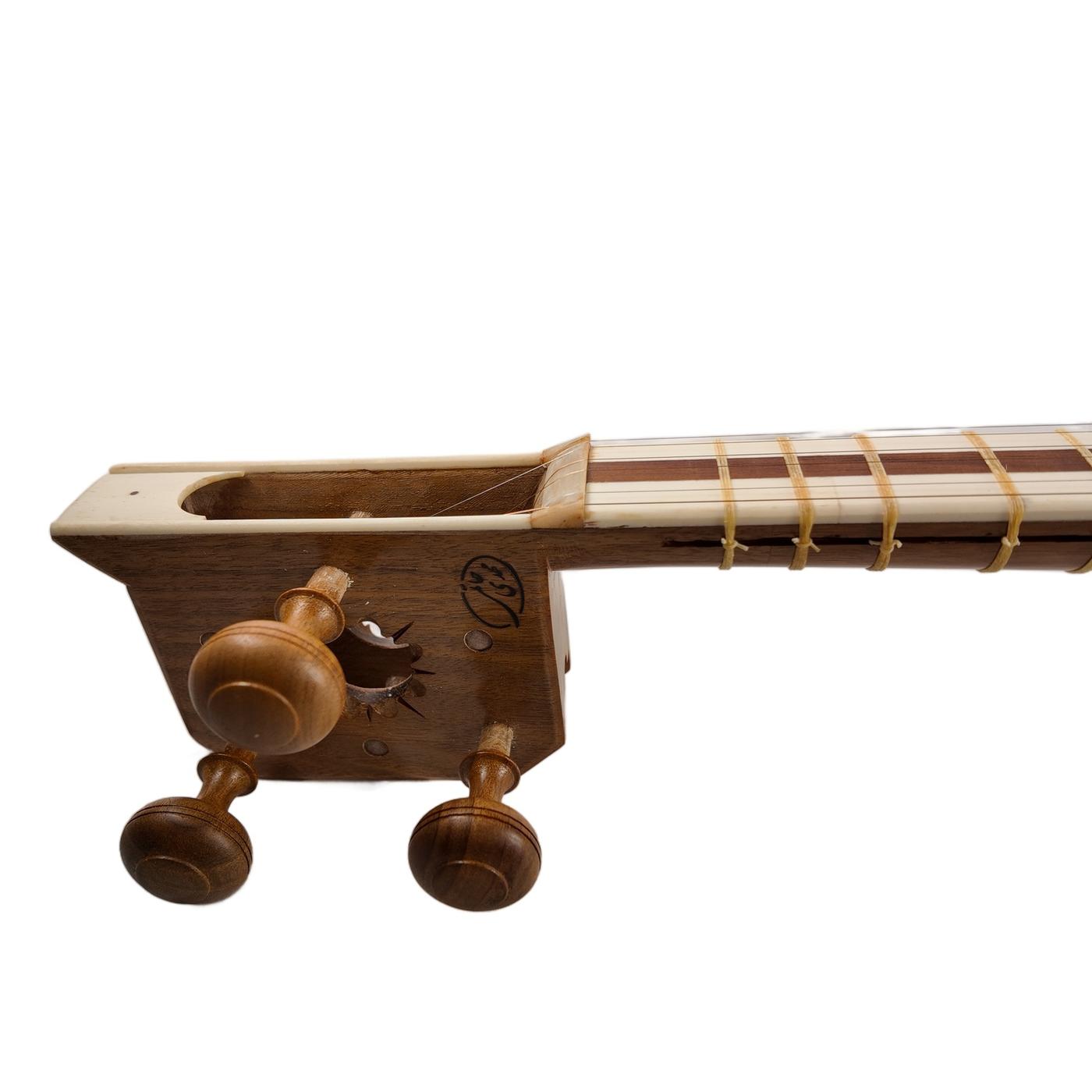
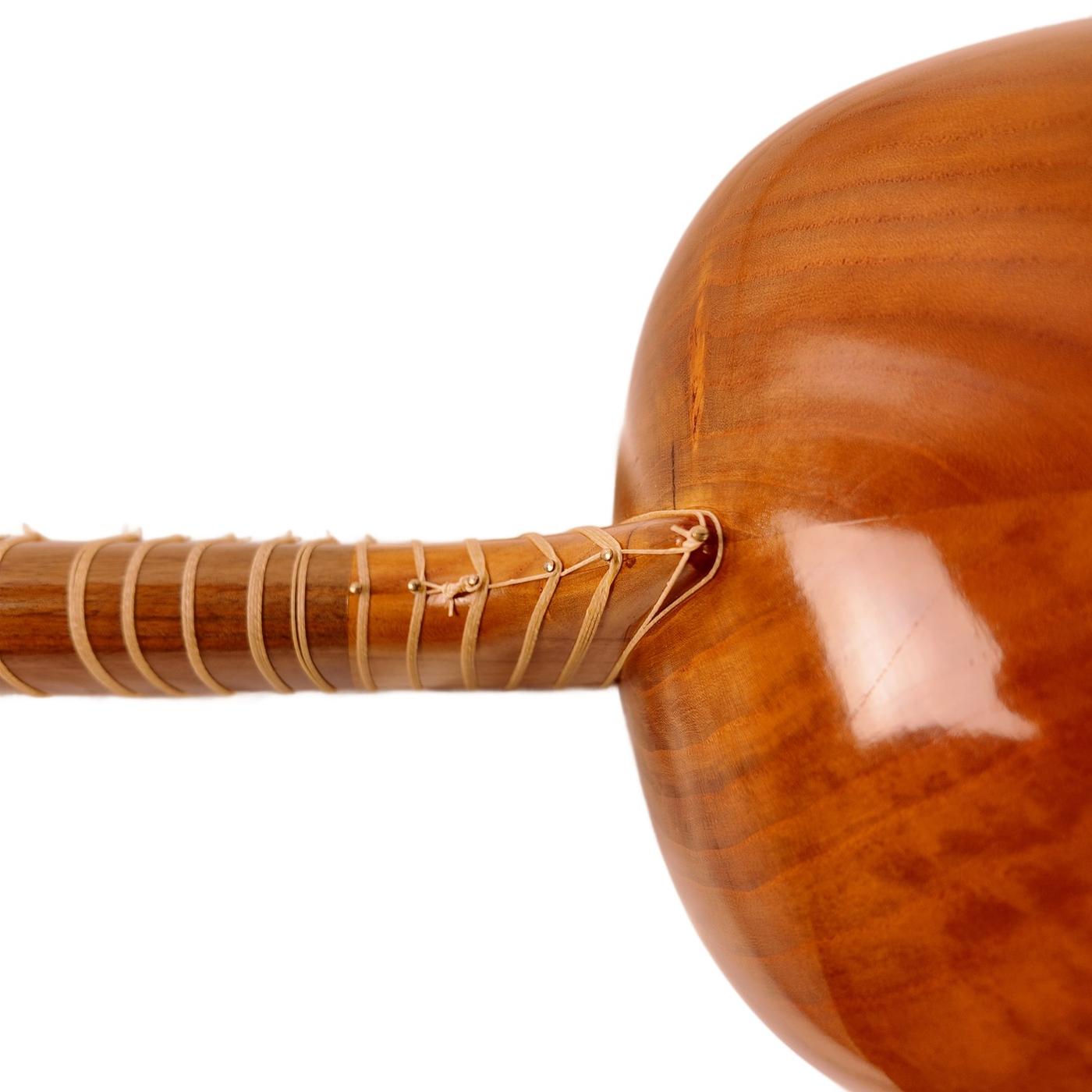
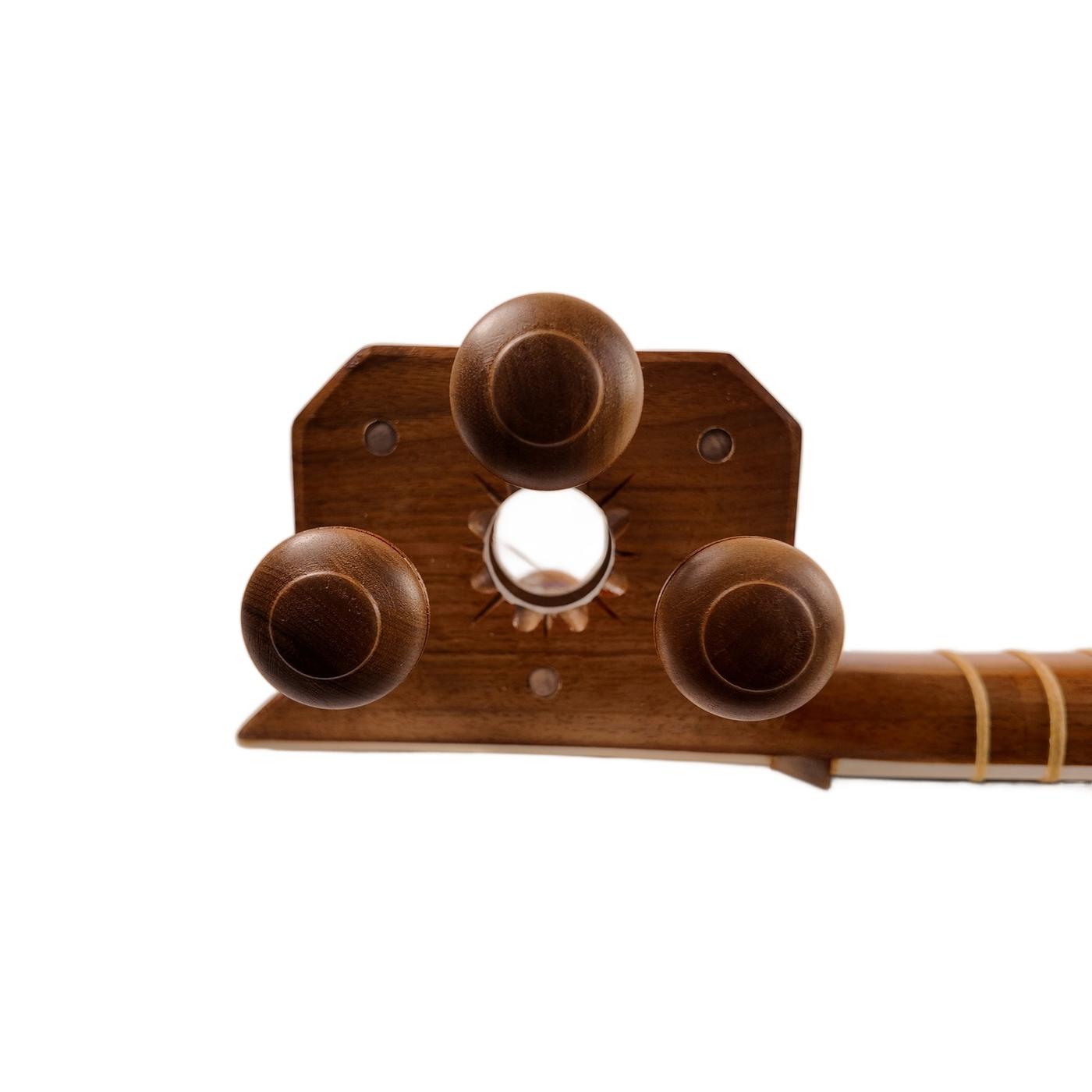
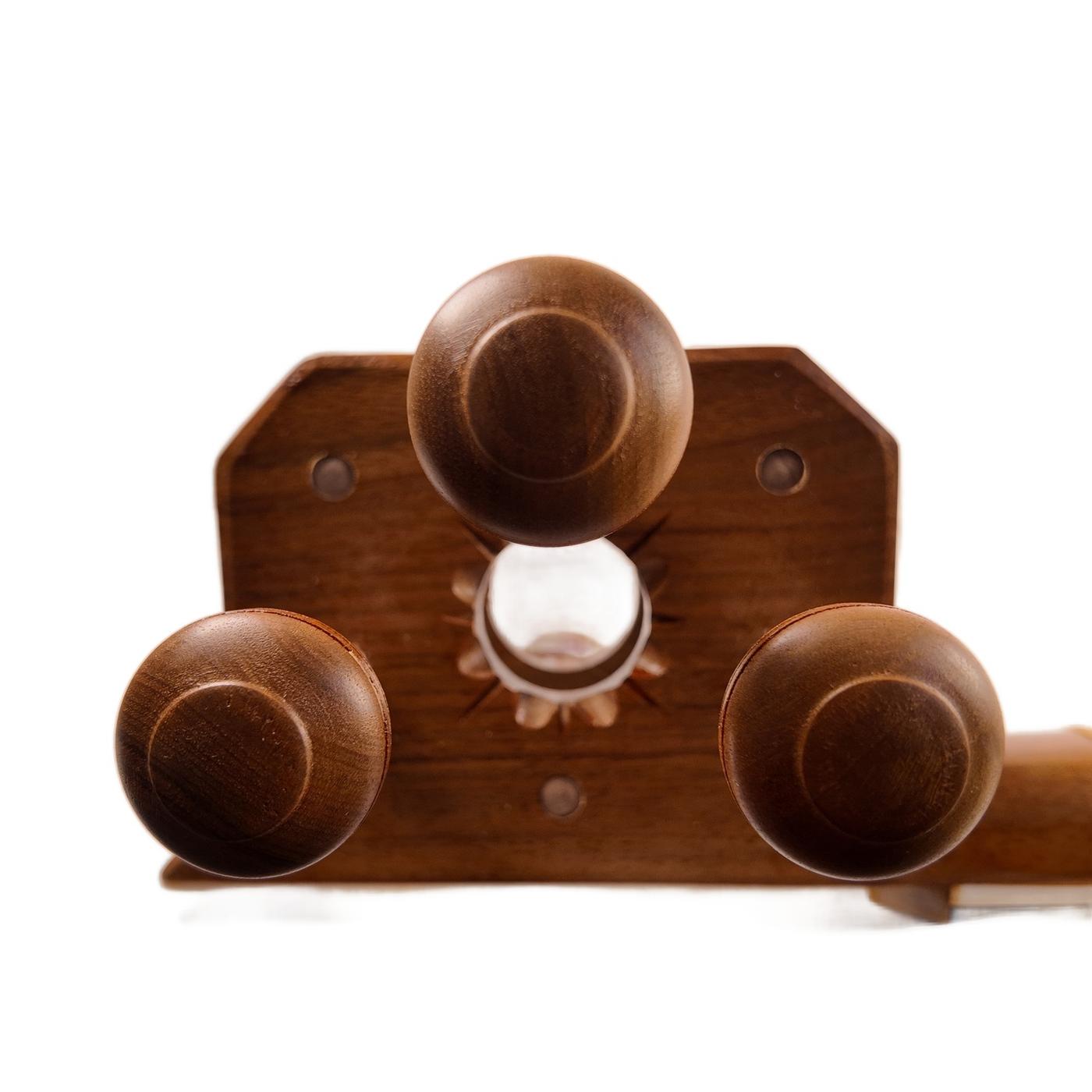
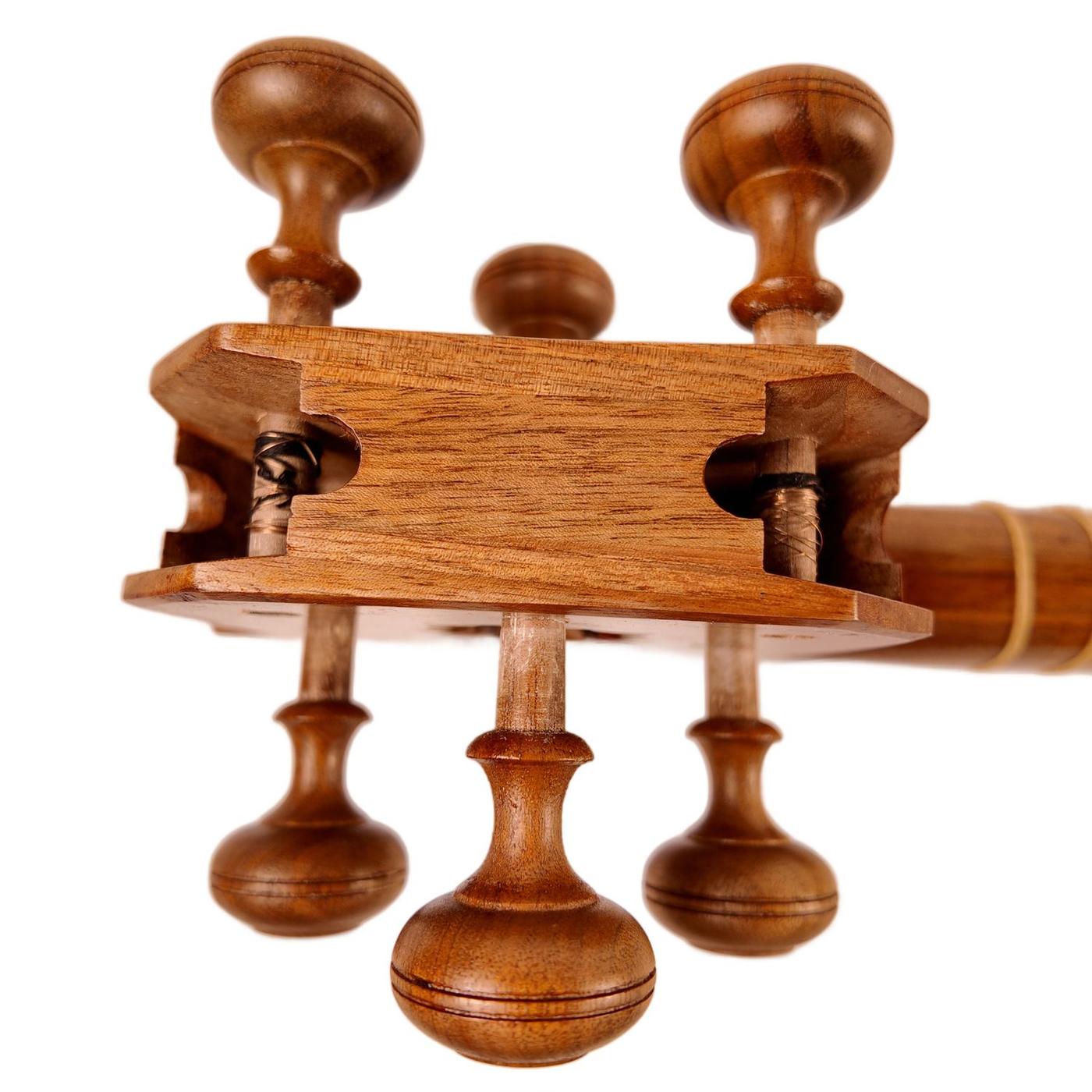
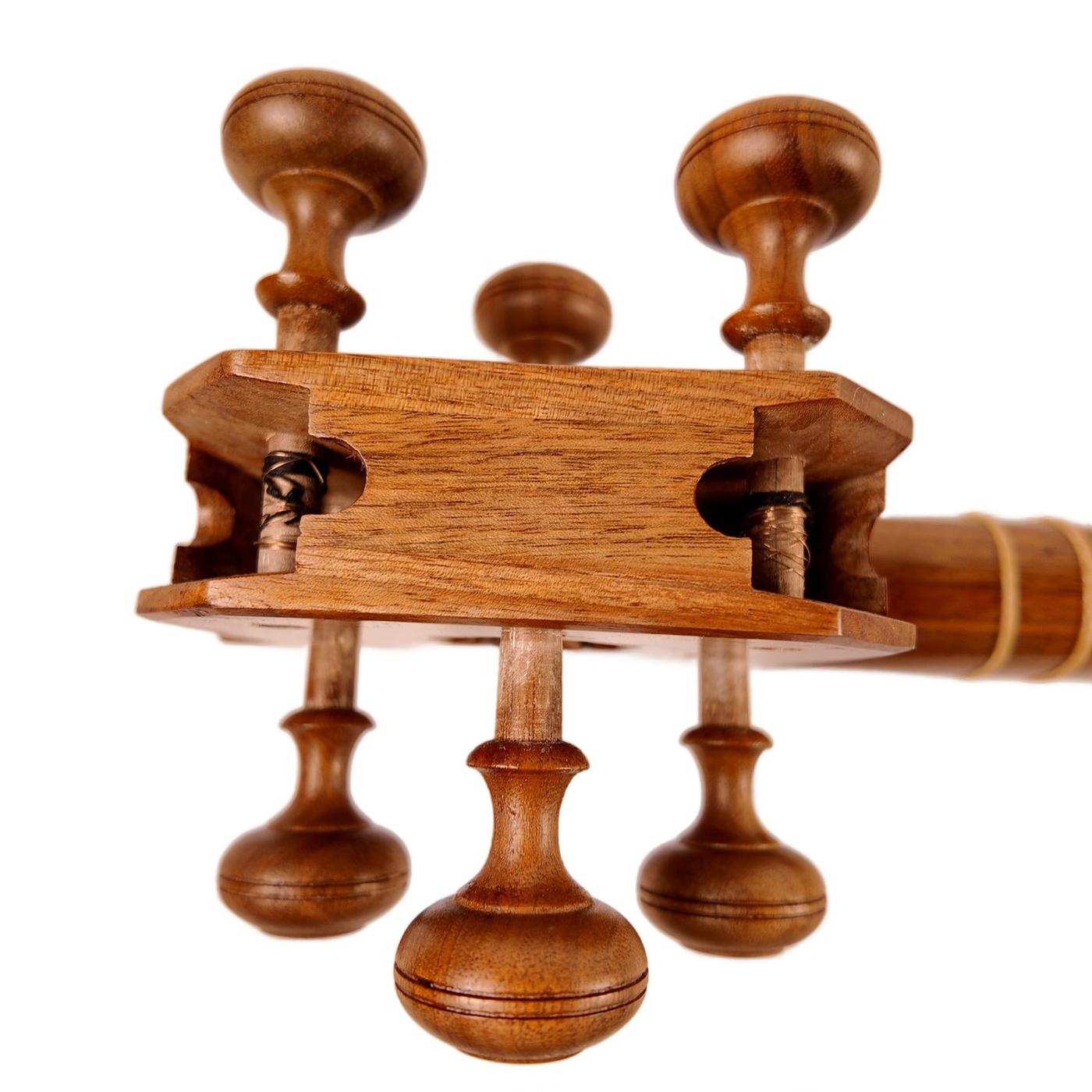
The double-bowl body is carved from seasoned mulberry wood, the tonewood luthiers have used for tar construction for generations. Mulberry’s density gives the tar its warm, resonant sustain, while the honey-amber varnish finish lets the wood’s natural grain show through on both bowls. The neck and tuning pegs are solid walnut, chosen for stability under string tension and a smooth, worn-in feel under the left hand. A bone-inlaid binding runs along the fingerboard edge — a traditional decorative touch that also protects the neck’s playing surface over years of use.
Skin Soundboard, Frets and Strings
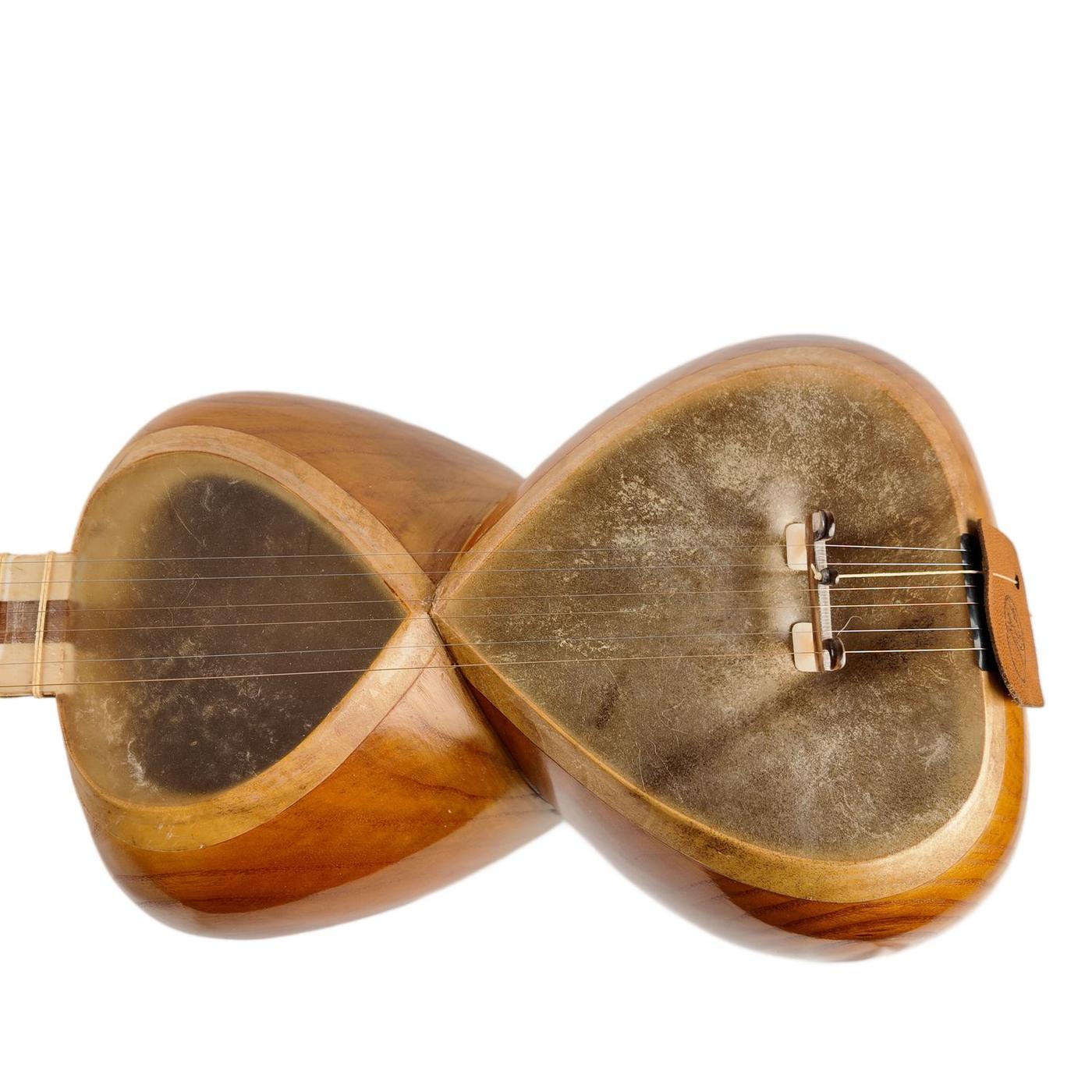
Both bowls are covered with a stretched skin membrane, the soundboard that gives the tar its distinctive bright, percussive attack when struck with the included mezrab. Twenty-five adjustable frets, tied along the neck with cord rather than fixed in place, let players reposition them for the quarter-tone intervals — the koron and sori — that define Persian classical tuning. The traditional wooden tuning pegs hold pitch reliably once seated, and the compact pegbox keeps all six strings within easy reach for retuning between dastgah.
Those six strings are arranged in three courses, so each stroke of the mezrab sounds a pair rather than a single string. That pairing is what carries the tar over an ensemble: the doubled strings thicken the tone, and the skin soundboard adds a percussive edge on the attack that a wooden top does not produce. It also shapes practice — a tar responds audibly to how squarely the mezrab meets the course, which is why teachers use the instrument to build right-hand discipline early.
Handmade by Mehdi Hatami
This instrument is handcrafted by Mehdi Hatami, a Persian tar maker whose instruments circulate through established Iranian retail networks. Each tar carries the maker’s own leather seal, branded into the wood at the bowl’s edge — a mark of individual workshop production rather than factory assembly. For background on the instrument’s history and construction, see the Tar entry on Wikipedia.
Specifications
| Body | Solid seasoned mulberry, double bowl |
| Neck | Solid walnut |
| Fingerboard | Bone-inlaid binding |
| Soundboard | Stretched skin membrane, both bowls |
| Strings | Six, in three courses |
| Frets | Twenty-five, tied and adjustable |
| Tuning pegs | Traditional wooden |
| Finish | Honey-amber varnish |
| Included | Hard case, tar mezrab |
| Maker’s mark | Leather seal branded at the bowl edge |
| SKU | Tar-2 |
Who This Tar Is For
This tar suits intermediate to advancing players who have outgrown a first instrument and want a fully handcrafted tar, as well as teachers and ensemble musicians who need dependable intonation across long rehearsals. The included hard case and mezrab mean it travels safely between lessons, studio sessions, and performances without needing separate accessory purchases.
The Tar in Persian Classical Music
The tar carries the melodic core of Persian classical music — the seven dastgah systems and their gushe — and remains central to Iranian folk and contemporary fusion repertoire alongside the Persian setar and santur. Its double-bowl voice gives soloists the dynamic range to move between delicate avaz accompaniment and the more percussive rhythmic patterns of ensemble playing, making it equally suited to conservatory study and stage performance.
Tar or Setar?
Players choosing between the two Persian long-necked lutes usually decide on voice rather than difficulty. The setar is built with a wooden soundboard and sounds at close range, which suits solo practice and intimate playing; the tar’s skin soundboard and paired strings project further and cut through an ensemble. The rest of the Persian tar collection is worth comparing before deciding.
Care & Maintenance
Store the tar in its hard case away from direct heat and humidity swings — damp air slackens the skin membrane, while very dry air tightens it and can even split it. Wipe the mulberry body with a dry, soft cloth after playing, and check the tied frets periodically — they will need occasional repositioning as your ear and technique develop, which is normal maintenance rather than a defect.
Worldwide shipping & 15-day return.


Reviews
There are no reviews yet.