
The Timeless Charm of the Gittern
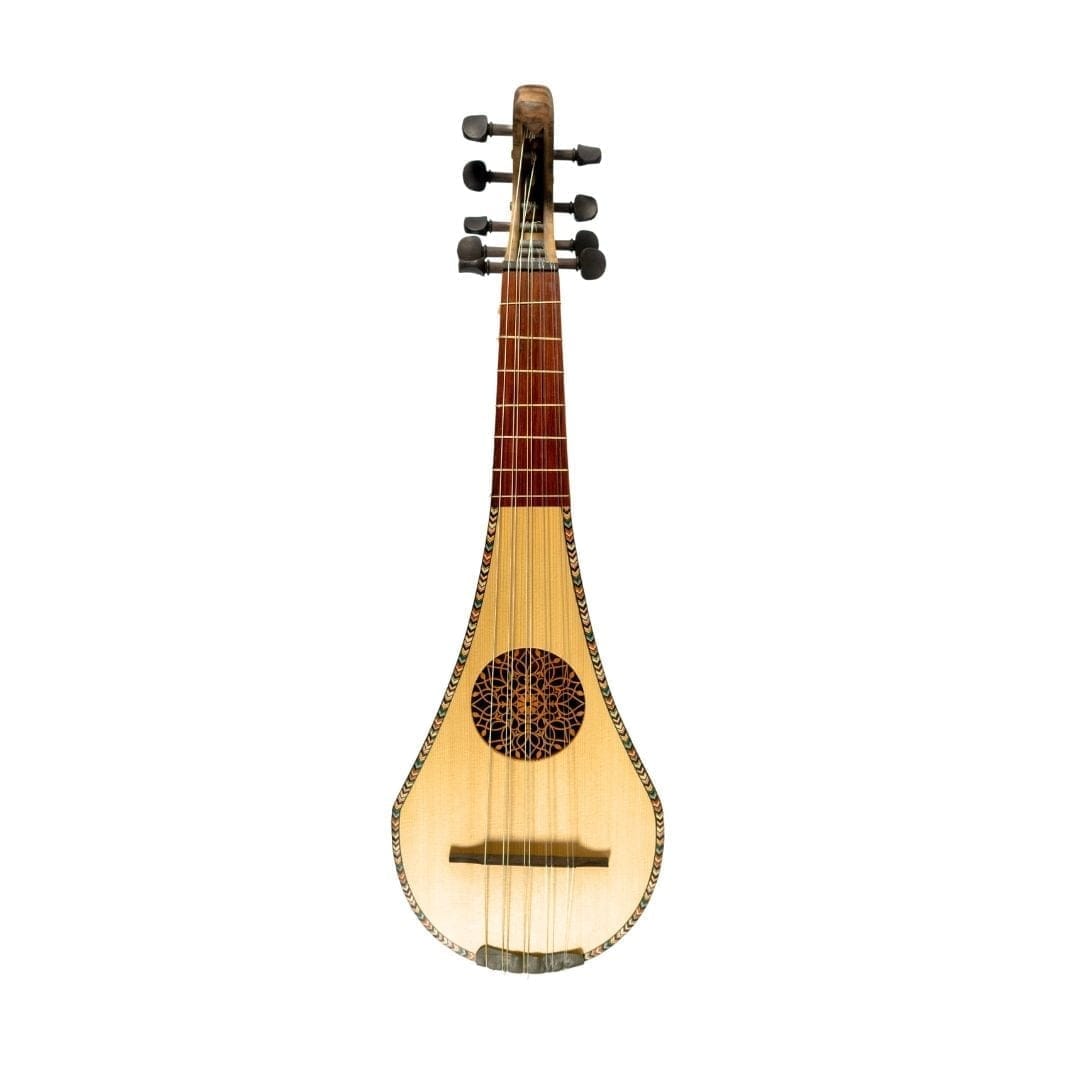
The Timeless Charm of the Gittern: A Musical Treasure at Tapadum Ethnic Music Store
Introduction to the Gittern: A Glimpse into Musical History
The Gittern is more than just an instrument—it’s a living echo of medieval Europe. Long before guitars strummed their way into the spotlight, the Gittern graced royal courts and village festivals with its bright, resonant sound. Today, Tapadum Ethnic Music Store is breathing new life into this forgotten gem, offering a faithful reproduction that captures both its historical accuracy and musical spirit.
Origins and Evolution of the Gittern
Emerging in the 13th century, the Gittern is considered one of the earliest ancestors of the modern guitar. Early versions were carved from a single block of wood, often featuring a rounded back and ornate carvings. Over centuries, its design evolved, influencing instruments like the mandolin and the citole. The wider story of how plucked lutes travelled into Europe is told in our article on Ziryab and the birth of the lute; for the eastern branch of the same family tree, see the kopuz. Each iteration added layers to its tone and versatility, making the Gittern a symbol of early European craftsmanship.
The Role of the Gittern in Medieval and Renaissance Music
During the Middle Ages and Renaissance, the Gittern played a vital role in courtly and folk music. It was the go-to companion for troubadours, providing accompaniment for poetic storytelling, dance tunes, and sacred songs. Its gentle yet lively tone blended beautifully with flutes, fiddles, and voices, creating a soundscape that defined an era.
Anatomy of the Gittern: Understanding Its Craftsmanship
Structure, Shape, and Materials Used
A true Gittern is a masterpiece of woodcraft. Traditionally, it’s carved from a single piece of maple or cherry wood, with a hollow body and rounded back. The neck and pegbox flow seamlessly into the body, and gut strings (now often nylon) are stretched across a small, ornate bridge. The gittern we stock follows the same logic with its own timbers: a hand-carved elm body, a spruce soundboard and an afromosia fretboard.
How the Gittern Differs from the Lute and Mandolin
While often compared to the lute or mandolin, the Gittern has its own unique charm. Unlike the deep bowl of a lute such as the Turkish lavta, or the mandolin’s crisp twang, the Gittern offers a warm, singing tone with subtle overtones. Its smaller size and simpler construction make it lighter and more intimate—ideal for solo performances or early ensemble pieces.
The Distinctive Sound of the Gittern
The Gittern’s tone is bright yet mellow, producing a shimmering resonance that’s both medieval and timeless. Whether plucked or strummed, it delivers a clarity that invites deep emotional connection—something the hand-carved instrument in our collection captures with real clarity.
Rediscovering the Gittern: Tapadum’s Commitment to Authentic Instruments
Tapadum’s Ethnic Instrument Collection
Tapadum Ethnic Music Store stands as a bridge between ancient music traditions and modern artistry. Their curated collection spans four traditions—Anatolian, Persian, Greek-Mediterranean and Balkan: ouds, lavtas, qanuns, Persian tars and setars, santurs and sazes—alongside a small European early-music branch, where the Gittern sits next to the Renaissance lute. (You will not find sitars or lyres here; those belong to traditions we do not stock.) Each piece is selected for its authenticity, craftsmanship, and sound quality. You can browse the whole string instrument collection to see where the Gittern sits among them.
Crafting the Gittern with Traditional Techniques
We should be precise here: we do not build gitterns ourselves. Our workshop in Izmir builds and finishes instruments in the Anatolian traditions we know well — ouds, lavtas, sazes. The gittern is different: it is hand-carved by a maker working in the European early-music tradition, and our part is selection and checking, not construction. What we can vouch for is that the instrument is tested before it is listed, the way everything in our collection is.
Playing the Gittern: Techniques and Musical Styles
Tuning and Playing Basics
The Gittern is typically tuned in intervals similar to early guitars, allowing easy adaptation for lute or mandolin players. Beginners can start by learning simple chord progressions or fingerpicking melodies. Its ergonomic design makes it comfortable for both right- and left-handed players.
Famous Compositions and Modern Adaptations
While many medieval compositions were written for the Gittern, modern musicians have embraced it too. Artists exploring early music or folk revival genres often incorporate it into their soundscapes, blending the past with the present in a seamless musical dialogue.
Why Musicians Love the Gittern Today
Its Unique Sound and Versatility
Musicians are drawn to the Gittern for its ability to produce a distinctively organic sound. It’s perfect for historical reenactments, early music performances, and even experimental projects that explore fusion genres.
Perfect for Early Music Enthusiasts and Collectors
For collectors and historians, owning a Gittern is like holding a piece of living history — much like the Caglama, another rare handcrafted instrument kept alive by a handful of makers. Each instrument tells a story of cultural evolution and artistic passion.
The Gittern at Tapadum: One Instrument, Fully Specified
What We Actually Stock
One gittern — not a range. The Medieval Gittern is a single hand-carved instrument: elm body, spruce soundboard, afromosia fretboard, 45 cm string length, 67 cm overall, 22 × 12 cm body, 2.5 kg, €949. It takes four to six gut strings, or modern lute (oud) strings if you prefer a brighter, more stable set.
There is no beginner tier and no professional tier, because there is one instrument. We also do not take custom gittern orders — the gittern is not one of the instruments our own workshops build, so there are no bespoke wood, finish or tuning setups for it here. If you need a specific size, stringing or a period-accurate commission, an early-music luthier who specialises in medieval instruments is the right address. We do build to order — Tapadum Customs takes commissions — but only within the instrument families our workshops actually make; the gittern is not one of them.
Supporting Local Artisans and Global Music Culture
Buying here supports the makers we work with directly — named luthiers whose instruments we carry rather than anonymous factory output. That is the part of “supporting craftsmanship” we can actually stand behind.
Maintenance Tips for Your Gittern
Proper Storage and Cleaning
Keep your Gittern in a dry, temperature-stable environment. Wipe it gently with a microfiber cloth after each use to remove dust and oils.
String Care and Replacement
Change strings periodically to maintain tonal clarity. Tapadum’s experts recommend using soft-tension nylon strings for longevity and authentic tone reproduction.
FAQs About the Gittern
1. What is a Gittern used for?
The Gittern is used for performing early medieval and Renaissance music, as well as in modern folk and historical re-creations.
2. Is the Gittern difficult to learn?
Not at all! With its simple design and comfortable size, beginners can easily pick up basic melodies and chords.
3. What materials are used in the gittern you sell?
A hand-carved elm body, a spruce soundboard and an afromosia fretboard. Historical gitterns were often maple or cherry — makers vary, and ours is elm.
4. Can I order a custom Gittern?
Not a gittern, no. We stock one ready-made instrument and do not take bespoke gittern commissions — it falls outside what our workshops build. For a period-accurate gittern, approach an early-music luthier directly. For the instruments we do make, Tapadum Customs accepts commissions.
5. How do I care for my Gittern?
Keep it clean, avoid moisture, and replace strings regularly — the storage and string-care notes above cover the essentials.
6. Where can I buy an authentic Gittern?
You can see the instrument, its specifications and current price on the Medieval Gittern product page.
Conclusion: Reviving the Soul of Medieval Music at Tapadum
The Gittern stands as a beautiful testament to centuries of musical evolution. Through Tapadum Ethnic Music Store, this medieval masterpiece finds its place once again in modern music culture. Whether you’re a performer, collector, or enthusiast, a Gittern from Tapadum connects you directly to the rhythms of history—crafted with love, authenticity, and passion.