
Discover the Classical Kemence
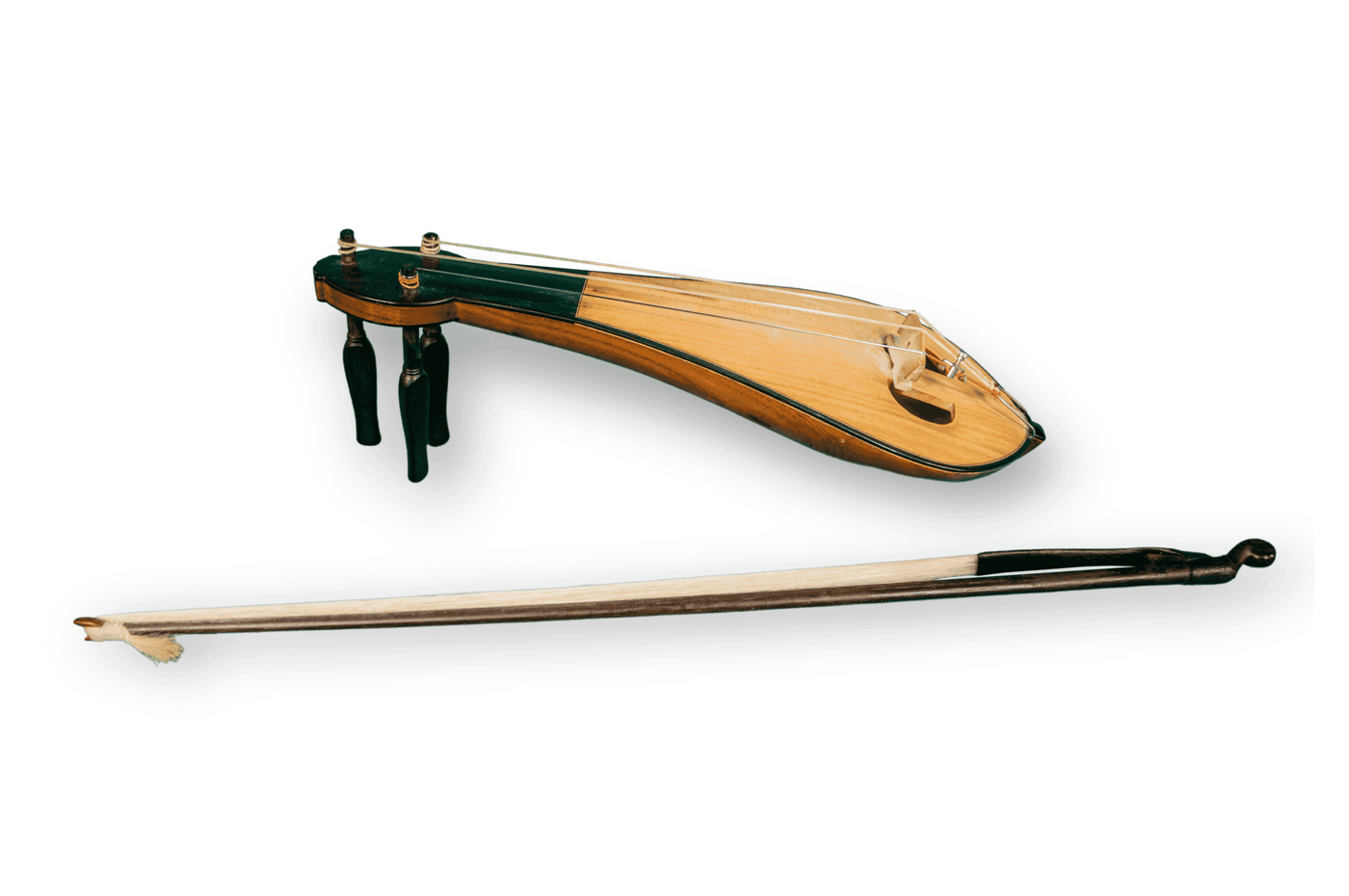
What you’ll learn: what a classical kemence actually is (and how it differs from the Black Sea folk kemence), how it’s built and strung, the distinctive nail-touch technique that sets it apart from Western bowed instruments, and where things stand with our own collection.
The classical kemence — also called armudî kemençe, “pear-shaped kemence” — is a small, three-stringed bowed instrument descended from the medieval Byzantine lyre, and it has been the principal bowed instrument of Ottoman classical music since the mid-19th century. It’s a different instrument from the better-known Black Sea kemence (Karadeniz kemençesi), a folk fiddle from a different tradition entirely — the shared name is a common source of confusion.
This guide covers what actually separates the two instruments, how the classical kemence is built and played, and an honest note on availability: our Classical Kemence by master luthier Necati Gürbüz is currently out of stock.
Classical Kemence vs Black Sea Kemence: Not the Same Instrument
Both carry the name “kemence,” and that’s roughly where the similarity ends. The classical kemence is pear-shaped, three-stringed, played resting against the collarbone or shoulder with the pegbox pointing up, and belongs to Ottoman classical music — the fasıl ensemble tradition of Istanbul. The Black Sea kemence is a separate folk fiddle from the Karadeniz region of Turkey, typically played resting upright on the knee, central to horon dance music — we cover it in full in our Black Sea Kemence guide. If you’re shopping by sound rather than name, decide which regional tradition you’re actually after before you search.
What Is the Classical Kemence?
The classical kemence has three gut strings — traditionally tuned yegâh, rast, and neva — with the lowest string often silver-wound. Some modern players use synthetic or steel violin strings instead of gut for stability. Its voice sits closer to a violin than most people expect on first hearing, but with a richer, more nasal, earthier edge that comes directly from its construction and technique.
Construction: A Single Block of Wood
The body, neck, and pegbox are carved from a single block of wood — traditionally mulberry, though juniper and plum are also used — with a separate, thin spruce soundboard glued on top. Two D-shaped soundholes sit near the top of the body, rounded sides facing outward. The fingerboard and pegs are typically ebony. This single-block construction is part of why the instrument is sometimes described as an “integral lute” — body and neck aren’t separate glued pieces the way a violin’s are.
Playing Technique: Touched, Not Pressed
This is the detail that surprises new listeners most: classical kemence strings aren’t pressed down onto the fingerboard the way a violin’s are. They’re touched from the side with the fingernails, a technique shared with folk fiddles from Southeastern Europe across to the Indian sarangi. The instrument is always played “braccio” — held upright with the tuning head uppermost, resting against the collarbone or shoulder rather than under the chin.
Here’s the sound and technique in practice:
Craftsmanship: Necati Gürbüz
Our classical kemence collection was built by Necati Gürbüz, a master luthier with decades of experience crafting traditional Turkish instruments. His kemences pair the traditional mulberry body and spruce soundboard with meticulous attention to the ebony fingerboard and pegs, aiming for the tonal balance that makes nail-touch technique respond cleanly across all three strings.
Where Things Stand: Availability
We’re being direct about this: our Classical Kemence by Necati Gürbüz is currently out of stock. If the Black Sea folk tradition is closer to what you’re after, our in-stock Professional Black Sea Kemence is available now — a genuinely different instrument, not a substitute, but worth knowing about if you’re exploring Turkish bowed instruments more broadly and don’t want to wait.
Frequently Asked Questions
Is the classical kemence the same as the Black Sea kemence?
No. They share a name but are different instruments from different traditions — the classical kemence is a three-stringed, pear-shaped instrument central to Ottoman classical music, while the Black Sea kemence is a folk fiddle from the Karadeniz region, central to horon dance music.
How many strings does a classical kemence have?
Traditionally three gut strings, tuned yegâh, rast, and neva, with the lowest often silver-wound. Some modern instruments use four strings or synthetic/steel strings instead of gut.
Why don’t kemence players press the strings down like a violinist?
The classical kemence technique touches the strings from the side with the fingernails rather than pressing them onto the fingerboard — a technique it shares with folk fiddles found from Southeastern Europe to the Indian sarangi, and part of what gives it its distinctive tone.
What wood is a classical kemence made from?
The body, neck, and pegbox are carved from a single block of wood, traditionally mulberry (juniper and plum are also used), with a separate thin spruce soundboard. The fingerboard and pegs are typically ebony.
Is the classical kemence available to buy right now?
Our Classical Kemence by Necati Gürbüz is currently out of stock. Our Black Sea kemence, a related but distinct folk instrument, is in stock if you want to explore Turkish bowed instruments in the meantime.