ITFRESENDE Track order Free shipping in Europe
— Sub-category

Handpan

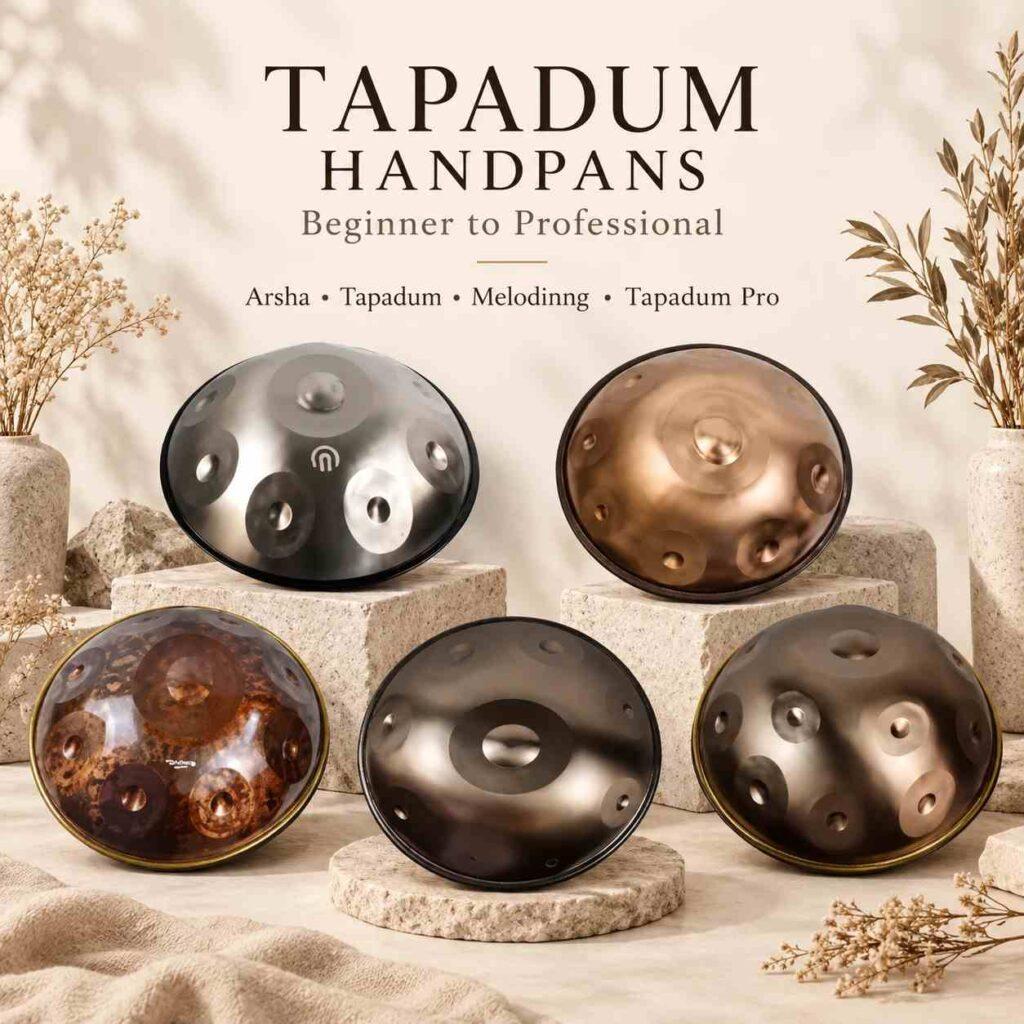
The handpan — also called the hand pan, UFO drum, or hand-played steel sound sculpture — is a melodic percussion instrument played with the hands rather than mallets, built around a central low note surrounded by tuned concave fields. Tapadum’s handpan collection brings together the maker lines our workshop curates (Arsha, Harmony, Melodinng) and our own Tapadum instruments, including the signature Tapadum Pro series — spanning entry-level through professional craftsmanship, across the two most expressive handpan scales in our tradition: D Kurd and Hicaz.

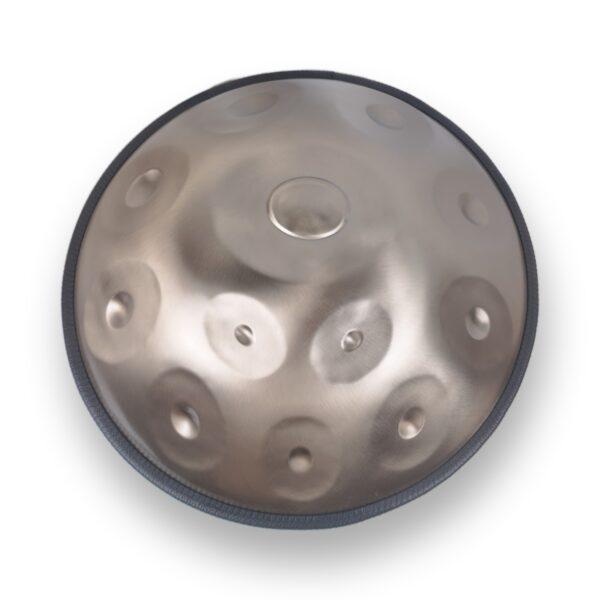
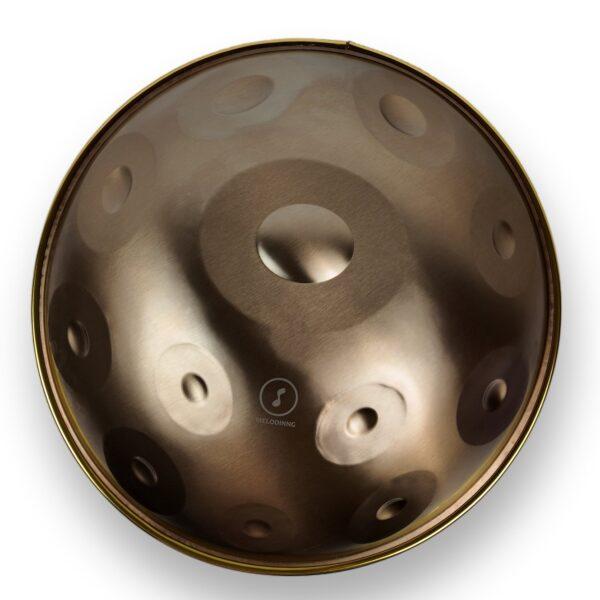
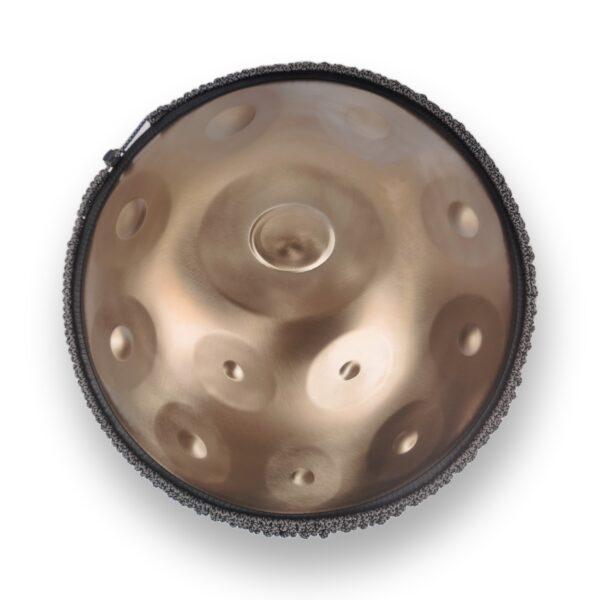
Handpans are shaped from tuned steel — or, in premium builds, titanium — into two domed shells joined at the rim. The top shell holds the playing surface: a central doum note surrounded by 8 to 12 concave tone fields, each hand-hammered and tuned to a specific scale degree with its fundamental, octave, and compound fifth overtones. The bottom shell carries the gu port that releases bass and shapes the instrument’s deep resonance. Played with fingers and the heels of the palms, the handpan produces a sustained, layered voice — equal parts melodic instrument and meditative resonator.

Two scales anchor our collection. D Kurd (D minor with a natural seventh) is the most widely played handpan scale — meditative, contemplative, and forgiving for new players, with a Phrygian-leaning sound used widely in sound healing, yoga, and ambient composition. Hicaz introduces the augmented second interval between the second and third notes — the signature sound of Turkish, Arabic, and Persian classical music. A Hicaz handpan feels more expressive and dramatic, capable of moving from oriental modal melody to deep ceremonial atmosphere. Both scales work for sound therapy, mindfulness practice, busking, and stage performance.

At our İzmir, Turkey workshop, our percussion specialist Gurkan Ozkan curates each handpan that enters our collection. Arsha is our entry-level series — offered in stainless steel, titanium, or nitrided black, all 9-note D Kurd, at an accessible price for beginners and students. Tapadum 9-note D Kurd is our own entry model at a similar price — a straightforward first instrument for daily practice. Harmony sits in the mid-range with a 9-note D Kurd voice. Melodinng is our premium line — a 15-note D Kurd voice or a 9-note Hicaz voice, with refined sustain and fuller harmonic depth, ready for studio and stage. Tapadum Pro is our signature workshop line — 9-, 12- and 15-note D Kurd voices or 9- and 12-note Hicaz voices, each individually tuned and tested, our answer for both the meditative and the Eastern modal sound. Hard case included.

Not sure which handpan is right for you? Our guide to choosing your first handpan walks through scale, note count, steel type, and what to spend, and our handpan vs. tongue drum comparison helps if you are still deciding between the two.

Beyond these maker lines, the handpan sits within our wider Sound Healing Instruments collection alongside tongue drums, frame drums, koshi chimes, and tuning forks for meditation, therapy, and yoga practice. Watch our handpan demonstrations in action:

▶ Watch the Handpan playlist on YouTube

Every Tapadum handpan is sound-tested at our Brisighella, Italy showroom before shipping. Soft and hard case options are available for safe transport. Worldwide shipping & 15-day return. Reach out — our percussion team will help you choose between the meditative breath of D Kurd and the expressive Eastern voice of Hicaz.

Frequently Asked Questions

What's the difference between a handpan and a hang?
They're related but not interchangeable. The Hang® is a specific instrument developed by PANArt in Switzerland in 2000, and the name is a registered trademark — PANArt stopped producing Hangs in 2013 and the term refers only to their original instruments. "Handpan" is the generic category name that emerged for the family of similar steel sound sculptures built by makers worldwide afterwards. Every Hang is a handpan, but not every handpan is a Hang. When you see "handpan" today — including Arsha, Harmony, Melodinng, and Tapadum Pro — you're looking at independently designed and crafted instruments inspired by the original concept.
D Kurd or Hicaz — which scale should I choose?
D Kurd is the most common and forgiving handpan scale — D minor with a natural seventh, Phrygian-leaning, meditative and contemplative. It works for sound healing, yoga, ambient practice, and gentle melodic playing. Beginners almost always start here. Hicaz introduces the augmented second interval — the signature sound of Turkish, Arabic, and Persian classical music. It's more expressive and dramatic, capable of bridging oriental modal melody and ceremonial atmosphere. If you want a meditative, easy-to-explore sound, choose D Kurd; if you want Eastern modal voice and richer harmonic palette, choose Hicaz. In our collection, Hicaz comes in Tapadum Pro (9 and 12 notes) and Melodinng (9 notes).
How many notes does a handpan have?
Standard handpans have 8 or 9 notes — a central low note (doum) plus 7 or 8 surrounding tone fields tuned to the scale. The 9-note layout is the most common today and what you'll find on Arsha, Harmony, and the 9-note Tapadum and Melodinng models. Premium handpans can carry 10, 12, or more notes, expanding the playable range without losing tonal balance. Tapadum Pro offers both 9-note and 12-note versions of the Hicaz scale, with the 12-note giving extra octave reach for soloists and advanced players. More notes mean more harmonic possibility, but also a more complex instrument that demands a steadier hand and finer tuning maintenance.
What should I look for when choosing a handpan?
Four factors carry most weight in our experience. First, the metal and finish — handpans come in several types: stainless steel (bright, corrosion-resistant, left bare), nitrided steel (a hardened matte or gloss black finish), and titanium (light, durable, with distinctive colour), while some entry models use coated steel that benefits from light oiling to prevent rust. Each choice shifts tone, look, and upkeep. Second, tuning accuracy — each note should be tuned with its fundamental, octave, and compound fifth all in correct ratio; a poorly tuned handpan will sound dissonant even to untrained ears. Third, scale selection — D Kurd for meditative practice, Hicaz for Eastern modal music, with other scales (kurd, akebono, integral) available from specialized makers. Fourth, workshop craftsmanship — wall thickness consistency, hand-hammering uniformity, rim finishing, and individual sound testing before the instrument leaves the workshop. Tapadum hand-tests every handpan at our Brisighella showroom.
How do I care for and tune a handpan?
Handpans require basic but consistent care. Wipe the playing surface with a soft, lint-free cloth after each session to remove finger oils. Every 20 days, apply a thin layer of baby oil or pure coconut oil with a clean cloth to protect the steel from oxidation. Store the instrument in a dedicated soft bag or hard case, away from temperature extremes and humidity. Never strike the handpan with mallets, drumsticks, or hard objects — use only fingers and the heels of the palms. Tuning drift is normal over time; most handpans benefit from professional re-tuning every 1-2 years depending on use, which we can arrange through our workshop network.
How much does a handpan cost?
At Tapadum, handpans start around €399 for the entry-level 9-note D Kurd Arsha and go up to about €1,499 for premium and larger-note models — an accessible range for handcrafted, individually tuned instruments. Prices vary with steel type, note count, and craftsmanship; see current prices in the handpan collection above.
Where can I buy a handpan, and do you ship worldwide?
You can buy directly from Tapadum. Every handpan is curated and sound-tested at our Brisighella, Italy showroom before it ships, with worldwide shipping and a 15-day return. Browse the collection above, or reach out and our percussion team will help you choose the right scale and model.
Which handpan is best for a beginner?
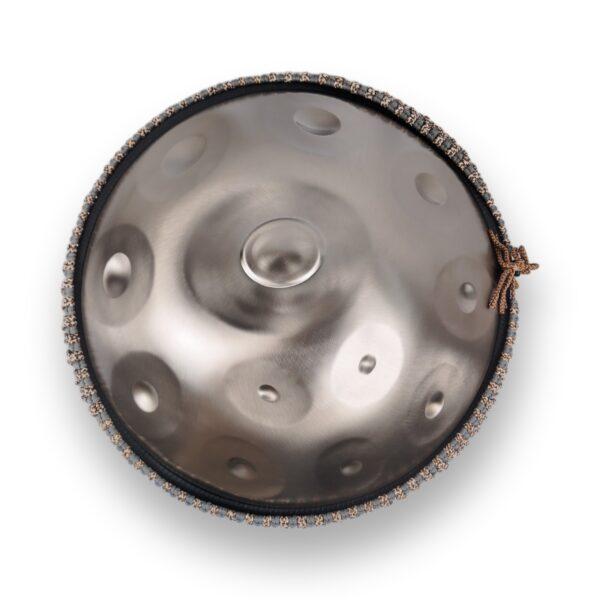
Most beginners start with a 9-note D Kurd handpan — the most forgiving and meditative scale. Our entry-level Arsha is built for exactly this — 9-note D Kurd in your choice of stainless steel, titanium, or nitrided black, at an accessible price. If you are drawn to the Eastern modal sound of Turkish, Arabic, and Persian music, choose a Hicaz Tapadum Pro instead.
Handpan