Sound Healing Instruments
Sound healing instruments are tuned acoustic tools chosen for sustained, resonant tones — the kind of sound used in meditation, sound baths, yoga, and therapeutic practice, where a clear and steady note matters more than speed or volume. Tapadum’s sound healing instruments collection brings together steel tongue drums, handpans, and clay udu drums, each selected for clear pitch, stable tuning, and a tone that holds in a quiet room.
Choosing a Sound Healing Instrument — and What They Cost
The three core families answer different needs and sit at different price points:
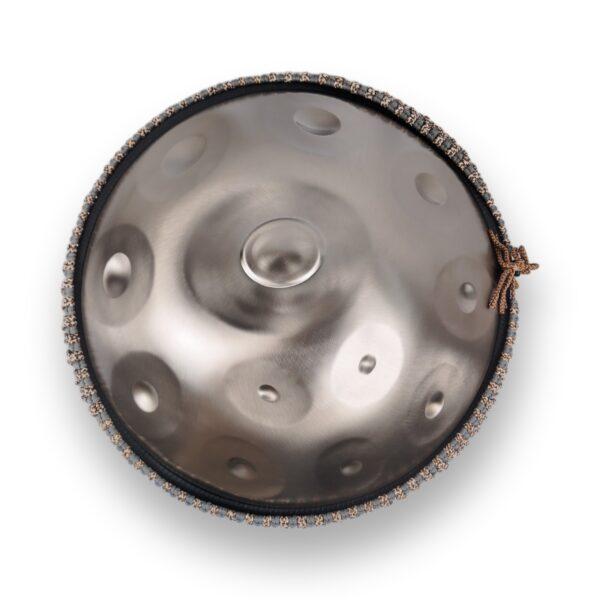
- Steel tongue drum (from €140) — the easiest starting point. Each drum is tuned to a single scale (our range is in D Kurd, the gentle minor scale at the heart of the handpan world), so every note sounds in tune with no technique required. Eight-note models are €140 and ten-note models €150, in a wide choice of engraved and coloured finishes.
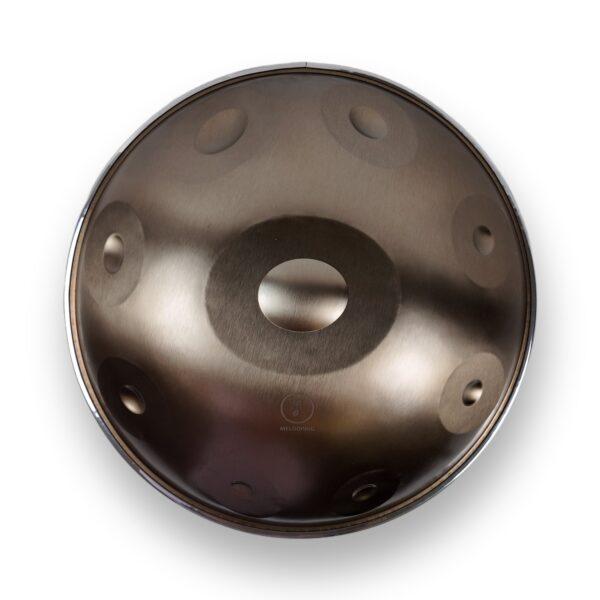
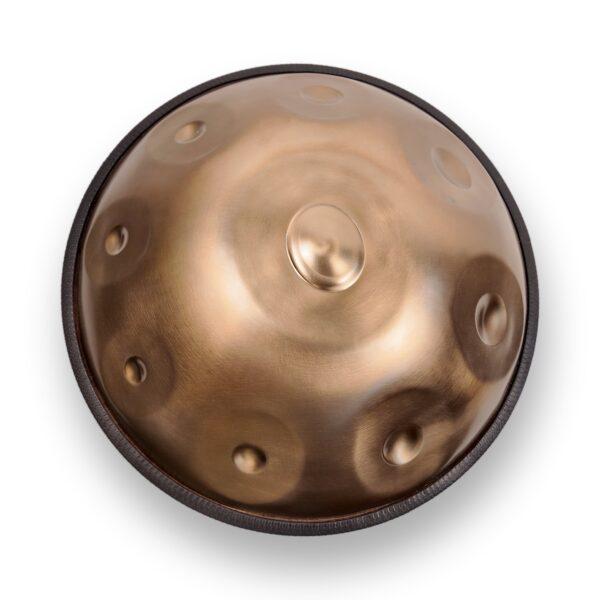
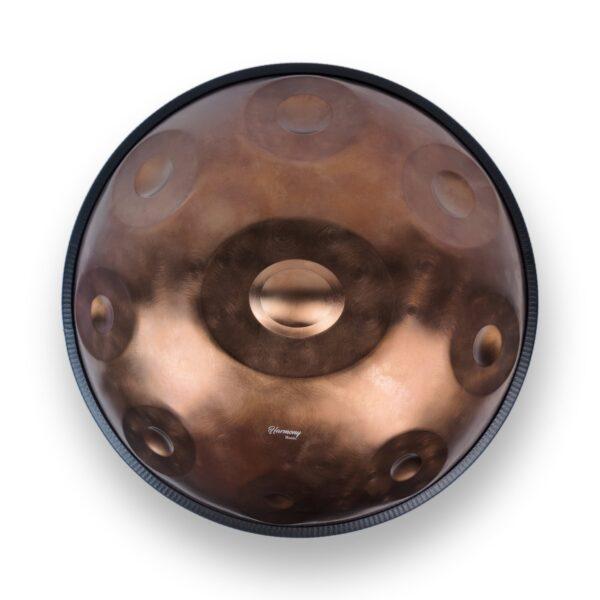
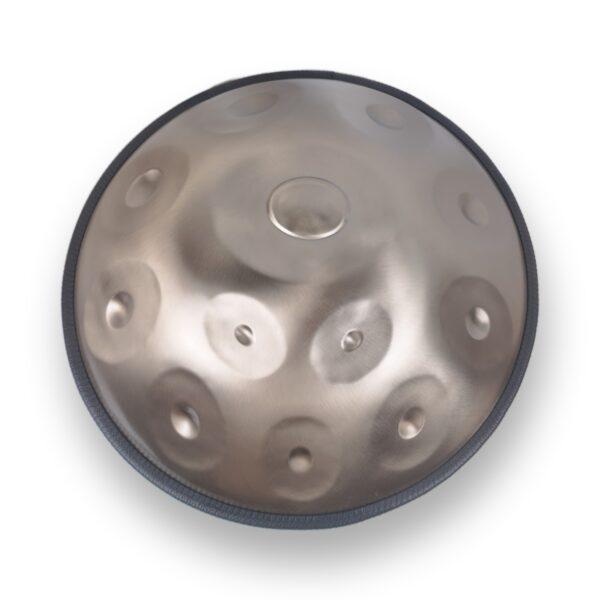
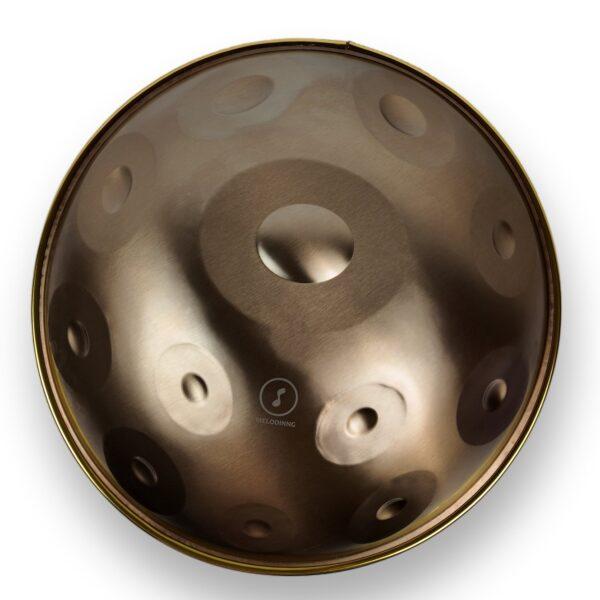
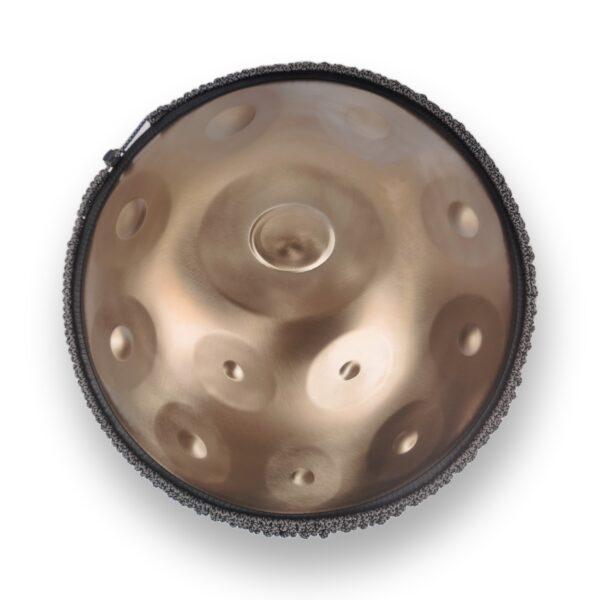
- Handpan (from €399) — a hand-shaped steel sound-sculpture with concave tone fields tuned around a central note. More expressive and more expensive than a tongue drum, it rewards practice; our range runs from the Tapadum 9-note D Kurd at €399 through the nitrided, titanium, and stainless Arsha finishes.
- Clay udu drum (from €160) — a fired-clay vessel drum with a deep, breath-like bass, played by tapping the body and the side hole; a rhythmic, grounding voice rather than a melodic one.
If you are buying a first instrument for meditation or sound baths, a steel tongue drum is the most forgiving choice; if you want a melodic, evolving voice and are ready to practise, a handpan is the natural step up.
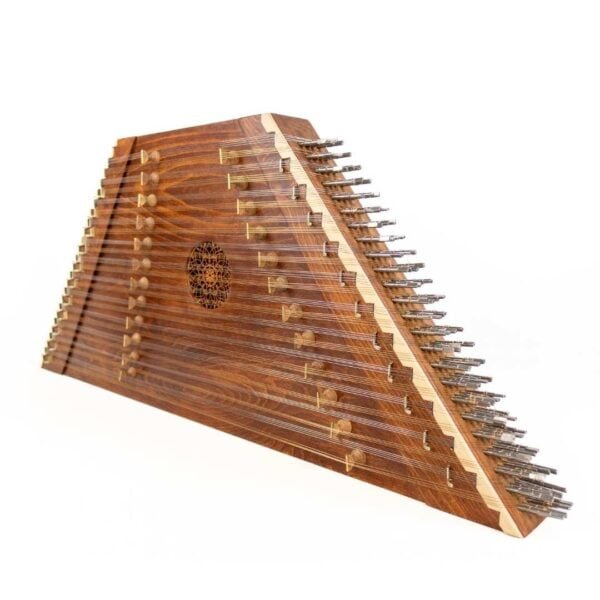
These instruments are built from materials chosen for how they resonate: tempered steel for long, ringing sustain, and fired clay for warm low tones. Many players pair them with a santur or other resonant instruments for a fuller palette. The collection continues to grow — singing bowls, bells and metal resonators, gongs, and tuning forks and frequency tools are being added over time, extending the range across struck, bowed, and sustained sound.
Sound healing instruments suit sound therapists, yoga and meditation teachers, musicians, and anyone who wants a well-made resonant instrument to play at home. Every instrument is tuned, checked, and inspected at our Brisighella, Italy showroom before dispatch. Worldwide shipping & 15-day return. Browse the full range below, compare tunings and sizes, and reach out if you’d like help choosing.
Frequently Asked Questions
What are sound healing instruments?
Which sound healing instrument is best for beginners?
What is the difference between 432 Hz and 440 Hz tuning?
What should I look for when choosing a sound healing instrument?
How do I care for a sound healing instrument?
How much does a sound healing instrument cost?
Where can I buy authentic sound healing instruments?