
The Music of the Mevlevi Sema: The Ney, the Kudum and the Sound of Seb-i Arus
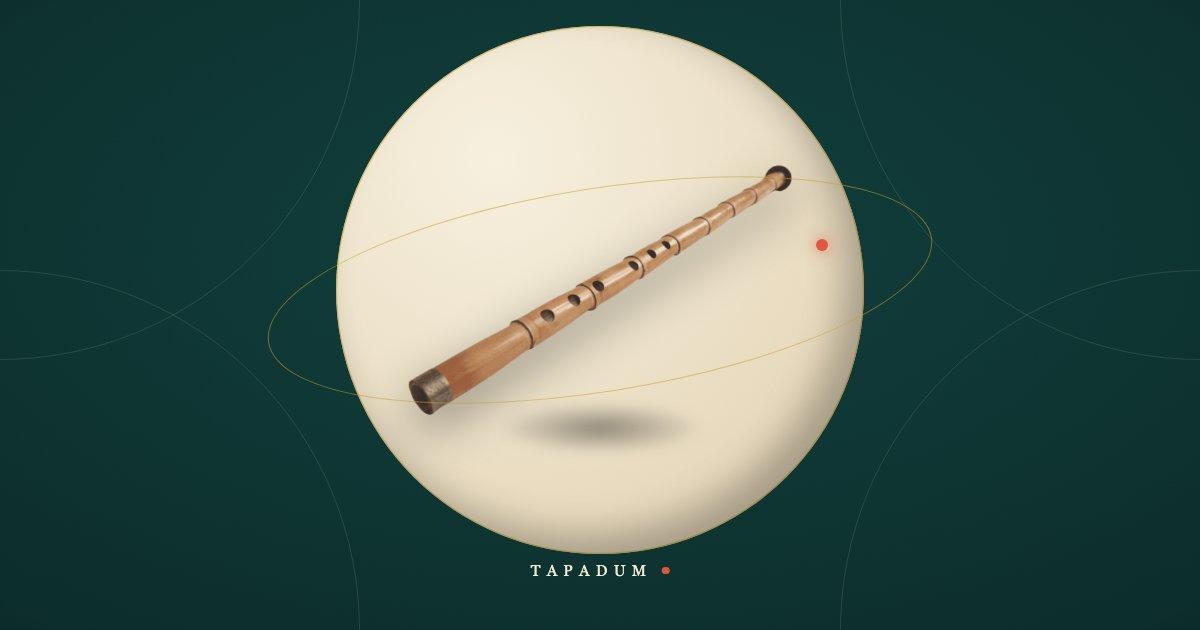
In brief: Mevlevi music is the ayin, a long composed suite that accompanies the sema, the ceremony of the whirling dervishes. The ney carries the melody and the solo improvisations, while the kudum, a pair of small kettledrums, leads the ensemble and marks every change of section. The music moves through a fixed order: a hymn of praise, a slow processional, four sections called selams, and a closing prelude and prayer. Each December, Seb-i Arus brings this music to Konya.
Mevlevi music is the sacred repertoire of the Mevlevi order, the Sufi tradition that grew around the poet Mevlana Jalaluddin Rumi in Konya. Its central form is the ayin: a large composition for voices and instruments that accompanies the sema, the turning ceremony many people know as the whirling dervish ceremony. The word sema itself means “listening”. That is the best way into this music. Before it is a spectacle to watch, it is something to hear.
The ensemble that performs it is called the mutrib. Two instruments define its sound. The ney, the end-blown reed flute, carries the melody and plays the free, unmeasured improvisations called taksim. The kudum, a pair of small kettledrums played with sticks, leads the ensemble and marks the rhythm. Around them sit singers and, depending on the ensemble, bowed and plucked strings and small percussion.
This guide explains how a Mevlevi ceremony is built, what each instrument does, which rhythms carry the four sections, and what to listen for if you attend Seb-i Arus in Konya or hear a recording at home. It is written for ney players and buyers, for listeners of Sufi music, and for travellers heading to Konya in December.
What Is Mevlevi Music?
The Mevlevi order was formed after Rumi’s death on 17 December 1273, by his followers under the leadership of his son, Sultan Veled. Over the following centuries its lodges, the mevlevihane, developed a musical ritual of great formal ambition. In the scholarship of Turkish religious music, the Mevlevi ayin is described as the largest form of that repertoire, apart from single works such as the mevlid (Bayrakci, Eskisehir Osmangazi University Faculty of Theology Journal, 2015).
Mevlevi lodges were also schools. Music, poetry and ethics were taught there, and they are regarded in Turkish music history as the first conservatories outside the Ottoman palace. Many composers of Ottoman classical music were Mevlevis, and they wrote both sacred ayins and secular works. The names most often cited include Itri, Ali Nutki Dede, Sultan Selim III, Ismail Dede Efendi, Zekai Dede and Neyzen Salih Dede. Dede Efendi alone composed seven ayins.
In 2008 UNESCO inscribed the Mevlevi Sema Ceremony on its Representative List of the Intangible Cultural Heritage of Humanity. It had first been proclaimed a Masterpiece in 2005 (UNESCO Intangible Cultural Heritage). UNESCO describes the core musicians of the ceremony as a singer, a ney player, a kettledrummer and a cymbal player.
The Order of a Mevlevi Ceremony, Step by Step
A Mevlevi ceremony follows a fixed order. The composer writes the four selams and the instrumental pieces; the frame around them stays the same from one ayin to the next. The sequence below follows the Turkish scholarly literature on the form (Bayrakci 2015, citing Tanrikorur).
| Section | What you hear | What happens in the hall |
|---|---|---|
| Naat-i Serif | A solo hymn in praise of the Prophet. The text is by Rumi and the melody by Itri, in makam Rast. | The dervishes sit in their places. |
| Kudum strokes and ney taksim | The kudum sounds, then the ney plays an unmeasured improvisation. | The hall waits in stillness. |
| Pesrev | An instrumental prelude in the makam of that evening’s ayin. | The Sultan Veled Walk (Devr-i Veledi): three slow circuits of the hall, with greetings at the sheikh’s place. |
| The four selams | The ayin proper: sung sections, each with its own rhythmic cycle. | The sema, the turning, in four parts. |
| Son pesrev and son yuruk semai | Two short closing instrumental pieces. | The turning ends. |
| Final taksim, Quran, prayer | A last improvisation, a recitation from the Quran, then the closing prayers (gulbank). | The ceremony closes with prayer. |
Mevlevi commentary gives each moment a meaning. When the pesrev begins, the seated dervishes strike the floor with their hands and rise. The tradition reads this as a resurrection, with the sound of the ney standing for the trumpet of the angel Israfil. The three circuits of the Sultan Veled Walk are linked to three degrees of certainty in Sufi thought: knowing by learning, knowing by seeing, and knowing by becoming one with the truth.
The Four Selams and Their Rhythms
The heart of the ayin is its four selams. Each one is set in a different usul, the rhythmic cycle of Ottoman music. (For how usul works in general, see our guide to rhythmic patterns in Middle Eastern music.) The change of usul is how the dervishes know that one selam has ended and the next has begun. They recognise the new rhythm even when they do not know which ayin is being performed.
- First selam: usually in Devr-i Revan, a cycle of 14 beats, sometimes in the 8-beat Duyek. The tradition reads it as the servant recognising the greatness of God.
- Second selam: in Agir Evfer, a slow cycle of 9 beats. It expresses awe before divine power.
- Third selam: the longest and most elaborate section. It usually opens in Devr-i Kebir and moves through changes of makam and usul. An instrumental passage in Aksak Semai then leads into a faster Yuruk Semai. Here awe is said to turn into love, which is why the rhythms quicken.
- Fourth selam: again in Agir Evfer. The dervishes now turn in place along the edge of the hall and the sheikh turns before his post. It stands for steady, settled devotion.
After the fourth selam come the son pesrev and the son yuruk semai, usually in Duyek. These pieces are short and are commonly played twice. (Rhythm details: Bayrakci 2015, citing Cevikoglu 2008.)
The makam of the evening: Each ayin is composed in a makam, the melodic mode of Ottoman music, and is usually known by it. The pesrev that accompanies the Sultan Veled Walk is played in the makam of that ayin, and the third selam travels through other makams before the music returns. Our article on the concept of makam in Ottoman music explains how these modes are built.
The Mutrib: Instruments of the Mevlevi Ensemble
In Ottoman classical music there is no conductor. In the Mevlevi ceremony the leader is the kudumzenbasi, the lead kudum player. His strokes set the start, the tempo, the changes and the end of each piece. For that reason the kudum is often called the most important instrument of the ayin. Leadership of the melody belongs to the neyzenbasi, the lead ney player.
| Instrument | Family | Role in the ceremony |
|---|---|---|
| Ney | End-blown reed flute | Leading melodic voice; solo taksim before the pesrev and at the close |
| Kudum | Pair of small kettledrums, played with sticks | Leads the ensemble; marks tempo, entries and section changes |
| Halile | Small cymbals | Rhythmic accent alongside the kudum |
| Bendir and daire | Frame drums | Supporting rhythm in many ensembles |
| Rebab, later classical kemence | Bowed strings | Sustained melodic line; the rebab has largely given way to the classical kemence |
| Tanbur, kanun, ud | Plucked strings | Doubling and ornamenting the melody |
The ensemble has changed over time. The rebab was once widely used in religious music, and the classical kemence has largely taken its place. For the bass register, Turkish religious music has used the ud and, in modern ensembles, even the cello. The kanun, ud and tanbur also appear in performances of the ayin. If you are curious about those instruments, see our guides to choosing a qanun and to the oud.
Frame drums appear across many Sufi traditions. The large Persian daf belongs to other orders and regions more than to the Mevlevi hall. Our guide to the daf traces that separate history.
Why the Ney Leads the Mevlevi Sound
The ney was played long before Rumi. But he made it the symbol of his order. His Masnavi opens with the reed flute lamenting its separation from the reed bed, an image of the soul longing to return to its origin. We have written about that poem, and about the ney in Ottoman music therapy, in The Healing Effects of the Turkish Ney. Mevlevi writers tell that Rumi’s own funeral procession in Konya was accompanied by neys, kudums and rebabs.
In the ceremony, the ney has two voices. In the composed sections it plays the melody with the singers and strings. In the taksim it is alone, and the neyzen improvises inside the makam without a fixed pulse. That unmeasured solo is the moment many listeners remember most. It opens the ceremony, it hands the hall to the pesrev, and it returns at the end.
From our side, a practical note. The Turkish ney is made in several standard tunings, from the short Bolahenk to the long Mansur. If the Mevlevi repertoire is what draws you to the instrument, our guide to choosing your first ney explains the tunings one by one. The comparison ney vs kaval vs mey shows how the ney differs from the other Anatolian winds.
We should also be clear about what we do not carry. We do not sell a kudum at the moment. The neys in our Turkish ney collection are the part of the Mevlevi ensemble we can offer.
From Lodge to Stage: How the Sema Survived
For centuries the sema was performed inside the lodges. Training was long. UNESCO notes that dervishes traditionally went through 1,001 days of secluded training in ethics, prayer, religious music, poetry and the turn itself. In 1925 all Mevlevi lodges in Turkey were closed under the secularisation policies of the new republic.
The music survived through musicians, and the ceremony returned as public performance in the 1950s. Restrictions eased further in the 1990s (UNESCO). Today the sema is performed in Konya and in many other cities around the world.
UNESCO also names a risk: many ceremonies are now staged for tourists, shortened and simplified for commercial needs. For a listener, that is a reason to seek out full performances and serious recordings. A complete ayin, with its naat, pesrev and four selams, is a very different experience from a short “whirling show”.
Seb-i Arus: The Mevlevi Ceremony in Konya Each December
Seb-i Arus means “wedding night”. Mevlevis do not mourn the anniversary of Rumi’s death; they mark it as the night of his union with the Beloved. The main commemorations take place each December in Konya, where Rumi’s tomb stands in the Mevlana Museum.
In 2025 the programme ran for eleven days from 7 December at the Mevlana Culture Center, organised by the Turkish Ministry of Culture and Tourism (Anadolu Agency, December 2025). The 2026 commemorations mark the 753rd anniversary and follow the same calendar, ending on the night of 17 December. Programmes and ticketing are announced by the ministry each year, so check the official schedule before you travel.
If you attend, a few things will help you listen:
- The opening: the naat is a single voice, unaccompanied, in makam Rast. Then listen for the first kudum strokes and the ney’s taksim.
- The walk: during the pesrev the dervishes circle the hall three times, slowly. The music is instrumental and measured.
- The changes: each new selam begins with a new usul. Listen to the kudum; the pattern changes before anything else does.
- The third selam: it is the longest section and the place where the tempo lifts.
- The ending: after the last selam the music becomes short and brisk, and the ney returns alone before the prayers.
The sema is an act of worship. Watching it quietly, without calling it a dance or a performance, is the respectful way to be in the hall.
How to Listen to Mevlevi Music at Home
A complete ayin recording lasts much longer than a typical track. Give it the same attention you would give a symphony. Start with the naat and the first ney taksim, and follow the order in the table above. Try to hear where each selam begins by following the kudum rather than the voices. Once you have heard two different ayins in full, the fixed frame and the changing makam become easy to hear.
If you play an instrument, work with the makam Rast first. It is the mode of the naat that opens every ceremony. A drone or a reference scale helps you hear its intervals, which fall between the notes of the Western keyboard.
Frequently Asked Questions
What instruments are used in the Mevlevi sema ceremony?
The core is the ney (reed flute), the kudum (small kettledrums), the halile (small cymbals) and singers. UNESCO names a singer, a ney player, a kettledrummer and a cymbal player as the ceremony’s musicians. Many ensembles also include the bendir, the classical kemence (which largely replaced the older rebab), the tanbur, the kanun and the ud.
What is a Mevlevi ayin?
An ayin is the composed music of the Mevlevi ceremony. It has four sung sections called selams, each in its own rhythmic cycle, framed by a hymn of praise (the naat), instrumental preludes, ney improvisations and closing prayers. It is regarded as the largest form in Turkish religious music apart from single works such as the mevlid.
Why is the ney so important in Mevlevi music?
Rumi’s Masnavi opens with the reed flute’s lament for its lost reed bed, an image of the soul’s longing for its origin. That poem made the ney the symbol of the order. In the ceremony the ney plays the melody and the solo improvisations (taksim) that open and close the sema.
When is Seb-i Arus?
Seb-i Arus marks the anniversary of Rumi’s death on 17 December 1273. The commemorations are held in Konya each December. In 2025 they ran for eleven days from 7 December; the 2026 programme marks the 753rd anniversary and ends on the night of 17 December. Check the ministry’s official schedule for dates and tickets.
Does Tapadum sell a kudum?
Not at the moment. We carry Turkish neys in the standard tunings, from Bolahenk to Mansur. If you are drawn to the Mevlevi repertoire, our first-ney buyer’s guide explains how the tunings differ and which one suits a beginner.
The neys we carry


Hear the mode of the naat: Tapadum Tuner includes a Rast preset in its scale player, plus a chromatic tuner, free in your browser with no app to install.