
Choosing an Oud Plectrum (Risha): Material, Shape & Feel
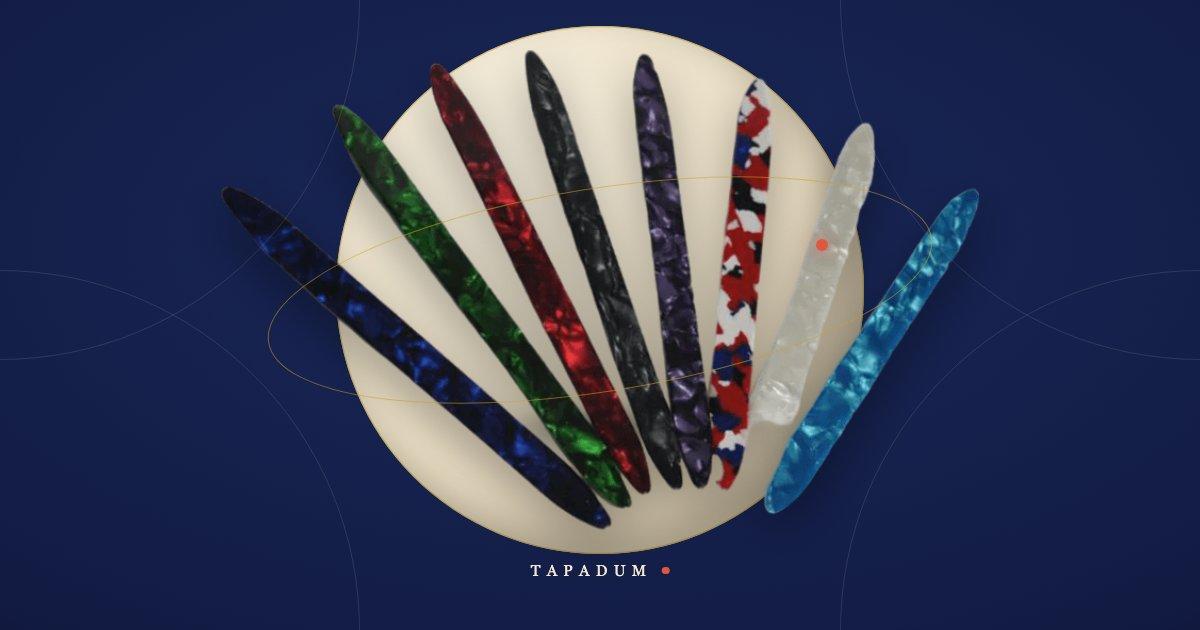
What you’ll learn: what a risha actually is and where the name comes from, why material and thickness change your tone as much as the oud itself, the real difference between a flexible pick suited to Turkish ornamentation and a stiffer one suited to Egyptian volume, and how to pick between our own risha packs and combo sets.
Spend enough on a beautiful oud and it’s easy to forget the small piece of plastic, horn, or feather that actually touches the strings. The risha — the oud’s plectrum — shapes tone, volume, and articulation as much as the body and head do. A great oud played with the wrong risha sounds thin or brittle; a modest oud played with the right one can sing. This guide covers what a risha is made of, how shape and thickness change feel, and how to choose one for your playing style.
What Is a Risha?
Risha is Arabic for “feather” — the name traces back to the tradition of plucking the oud with an eagle’s quill, a technique historians connect to the 9th-century Baghdad court musician Ziryab. Turkish players call the same tool mızrap. Whatever the name, it is a small, tapered plectrum held between thumb and index finger, its narrow tip resting just past the fingertips to strike the string.
Materials: Feather, Horn & Plastic
Eagle feather is largely unavailable today, so modern risha are made from a small handful of materials, each with its own feel:
- Plastic — the modern standard. Consistent thickness, affordable, and available in a range of flexibilities. Our own risha are professional-grade plastic, and it’s what most working players use day to day.
- Horn — traditionally cattle horn, softened by soaking in oil before use. Warmer and less brittle-sounding than plastic, favored by some professional players who prepare their own picks.
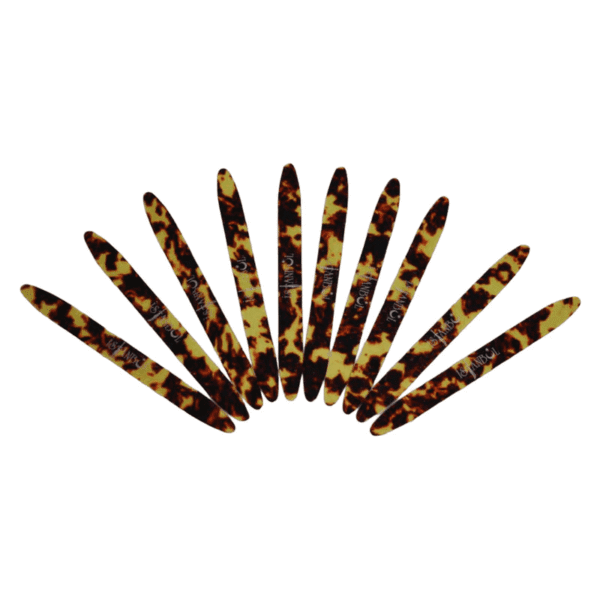
- Tortoiseshell — historically prized for its snap and warmth, now rare and largely replaced by synthetic alternatives for both cost and conservation reasons.
For nearly all players — beginner through professional — a good plastic risha is the practical choice, and it’s what serious players keep a stock of, since they wear at the tip and occasionally snap.
Shape, Size & Thickness
A standard risha runs roughly 11–13 cm long and about 6 mm wide, tapered to a rounded point. Thickness is where the real variation — and the real decision — sits: professional risha typically run 0.6–0.8 mm, with our own sets at 0.71 mm.
Thinner, more flexible picks flex against the string on contact, which is what makes a fluid tremolo possible — the fast back-and-forth stroke that carries a sustained note. Stiffer, thicker picks resist that flex, trading some of that fluidity for a firmer, louder attack. Neither is “correct” — it comes down to repertoire and personal habit, and many players own more than one thickness for different pieces.
Turkish Ornamentation vs Egyptian Volume
The clearest way to understand risha feel is through the two playing traditions it serves. The Ottoman/Turkish school favors ornamentation — delicate glissandos, ghost notes, and a light vibrato worked in with the fretting hand — and a flexible risha makes that fluid tremolo easier to control at low volume. The Egyptian/Arabic approach leans on firm, decisive plectrum strokes that drive the strings harder for volume and projection, which suits a stiffer pick that won’t flex away under force.
If you play mostly solo, ornamented taqsim in a Turkish style, start softer and more flexible. If you’re playing in a takht ensemble or want maximum volume and cut-through, a firmer risha will serve you better.
How to Hold a Risha
Hold the risha between the pad of your thumb and the side of your index finger, with only the narrow tip protruding a few millimeters past your fingers — enough to strike the string cleanly without the plastic itself buzzing against it. Too much tip exposed makes the stroke feel loose and hard to control; too little and you lose power. Most players find their own comfortable length within a few sessions of adjusting the grip.
Choosing a Risha for Your Oud and Budget
| Option | What’s included | Best for |
|---|---|---|
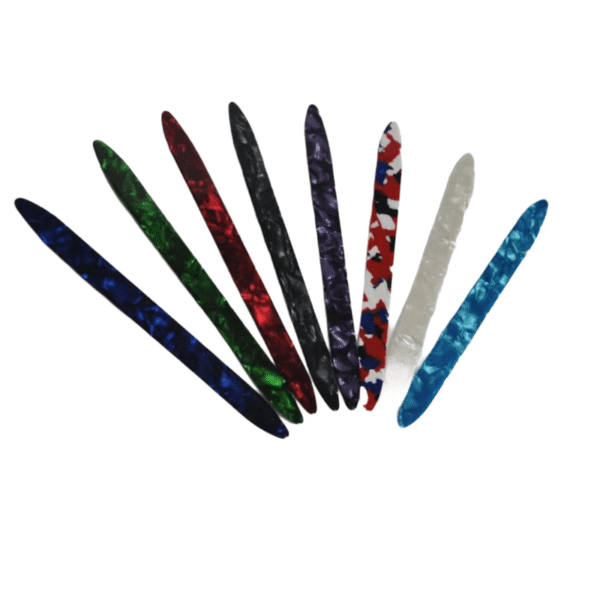
| 16-Pack Professional Risha | 16 plastic picks | Trying a few before settling on a favorite; keeping spares |
| 20-Pack Professional Risha (0.71 mm) | 20 plastic picks, single consistent thickness | Players who’ve settled on a thickness and want a steady supply |
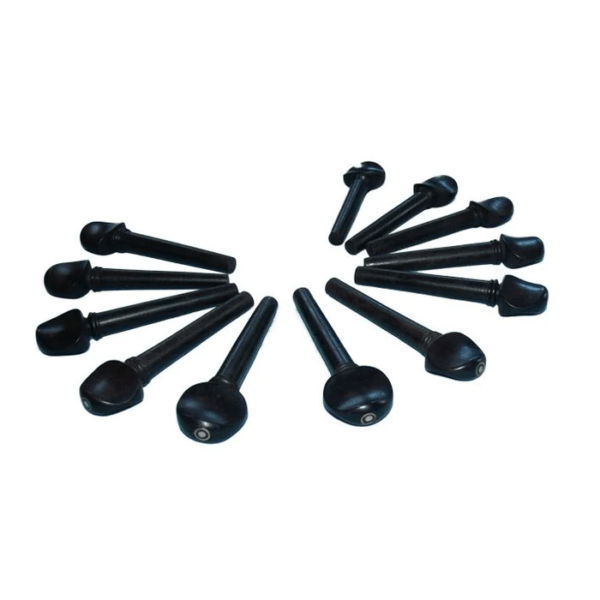
| Oud Care Set: 12 Ebony Pegs + 8 Risha + String Set | Pegs, picks, and a full string set together | Setting up a first oud, or a full maintenance restock at once |
All are compatible with Turkish, Arabic, and electric oud — the plectrum itself doesn’t change by oud type, only your technique does. If you’re still choosing strings to go with your picks, our Oud Strings Guide covers gauge and material in the same practical detail.
Care & Replacement
A risha wears at the striking edge with use and will occasionally chip or snap — plastic more than horn, but neither is indestructible. Rotate between two or three so no single pick wears unevenly, and retire one as soon as you feel or hear a change in attack; a worn edge changes your tone before you consciously notice why. Keep a spare in your case at all times — a lost or snapped risha mid-session is one of the most common small frustrations for oud players on the road.
Frequently Asked Questions
What is a risha made of?
Modern risha are almost always plastic. Historically they were made from eagle feather, and some players today still use horn or, rarely, tortoiseshell — each softer and warmer-sounding than plastic, but harder to source and prepare.
What thickness of risha should I start with?
Around 0.7 mm is a reliable middle ground. Go thinner if you want a more flexible tremolo for Turkish-style ornamentation; go thicker if you want a firmer, louder attack for ensemble playing.
Is there a difference between a Turkish mızrap and an Arabic risha?
They’re the same object with different names — “mızrap” in Turkish, “risha” in Arabic. The playing styles associated with each tradition do favor different thicknesses, but the plectrum itself isn’t built differently for one oud type versus another.
How long does a risha last?
It depends on how often you play and how firmly you strike, but the striking edge visibly wears or chips over weeks to months of regular practice. Most players keep several in rotation rather than waiting for one to fail completely.
Can I use a guitar pick on an oud instead?
Not well. A guitar pick is shaped and weighted for a flat-top instrument and a different string tension; it won’t give you the controlled flex a risha’s shape and thickness are built for, and most players find the tone and feel noticeably worse.
Tapadum is an ethnic music store based in Italy, specializing in handcrafted instruments from the Middle East, the Mediterranean, and the Balkans. Free EU shipping & 15-day return. Explore the full oud accessories collection.