Persian Instruments
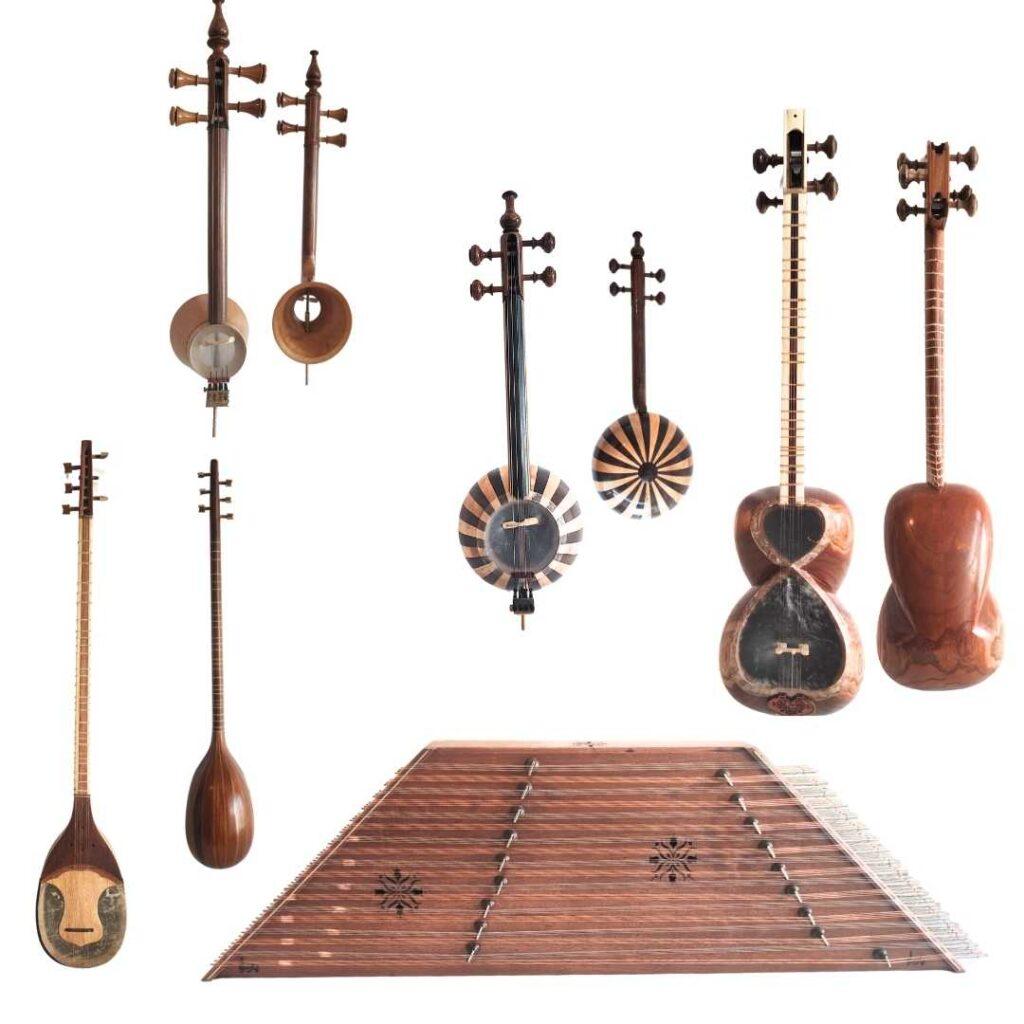
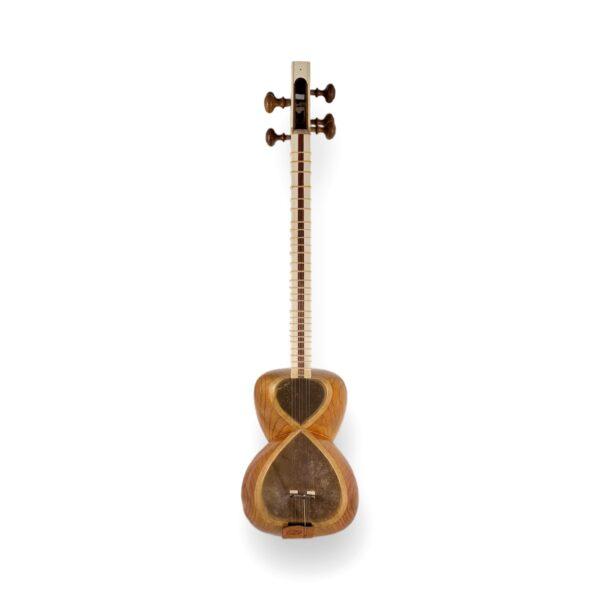
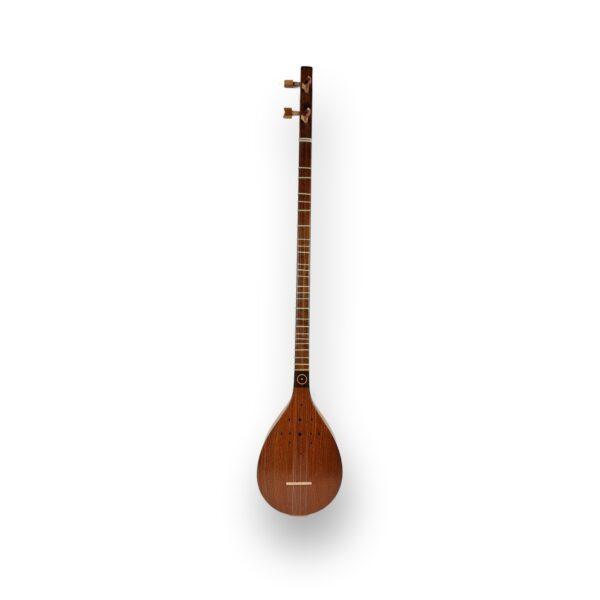
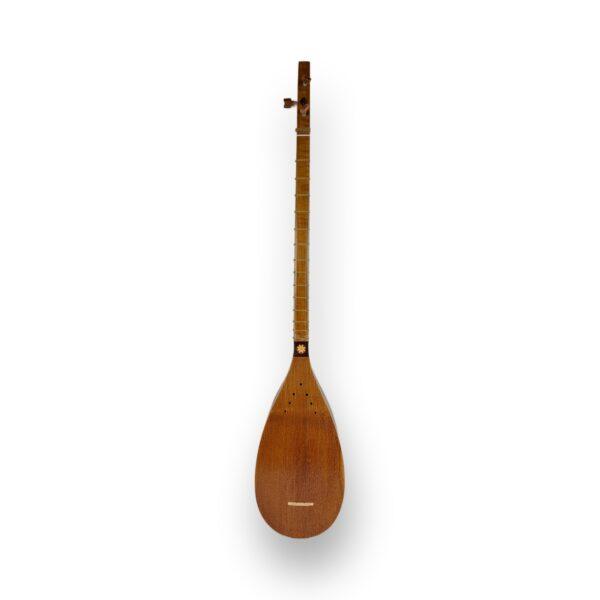
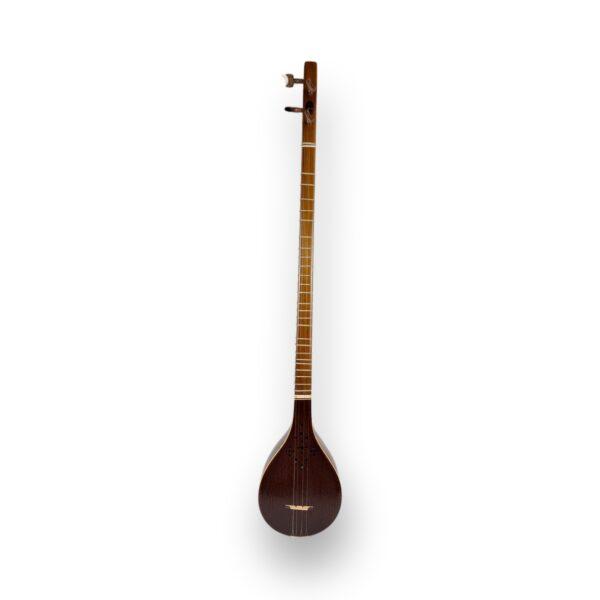
Persian instruments form one of the richest and most varied families in world music — string, percussion, bowed and wind voices that together carry the sound of Iran. The tradition is anchored by the double-bowl Tar, the intimate Setar, the shimmering Santur, and the singing Kamancheh, all rooted in the dastgah modal system that defines Iranian classical music across solo improvisation, ensemble radif performance, and contemporary fusion.
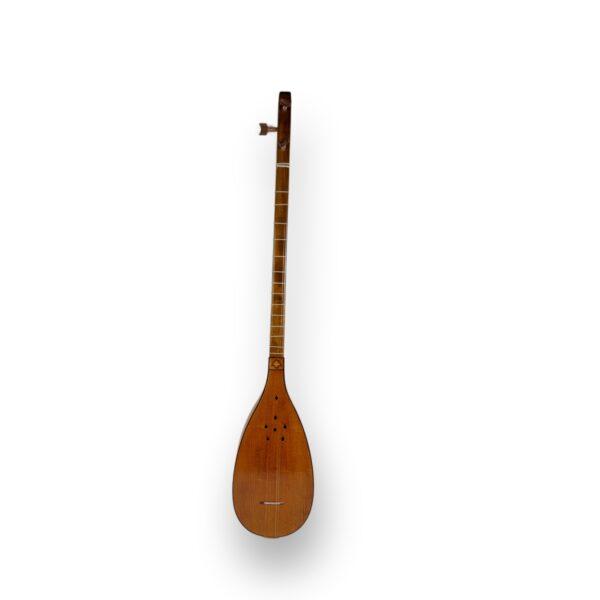
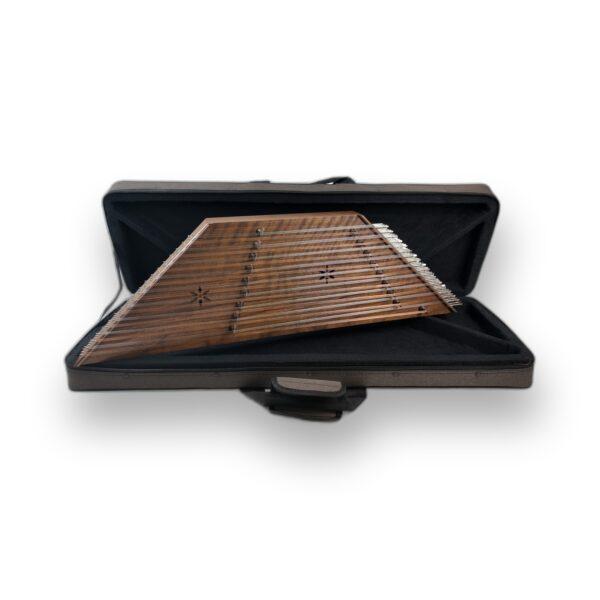
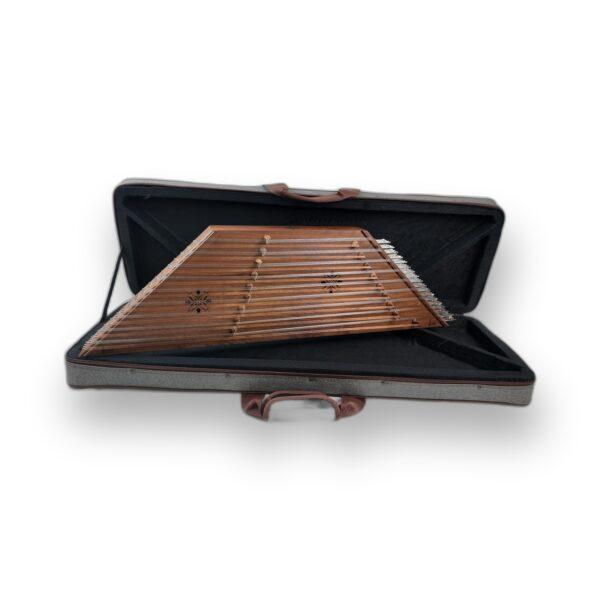
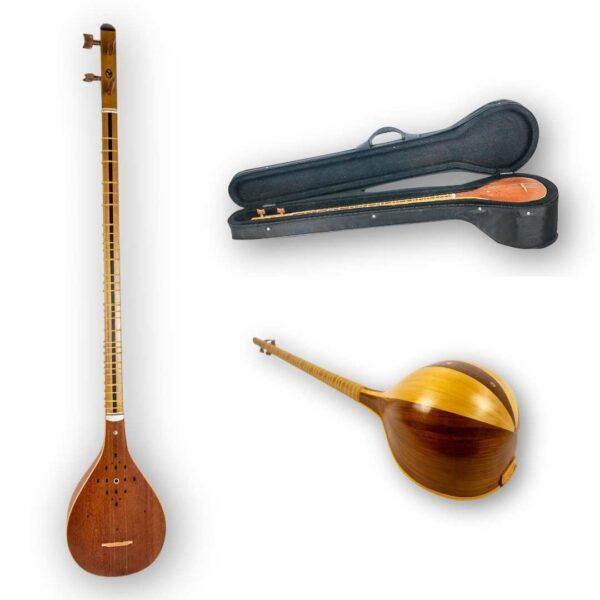
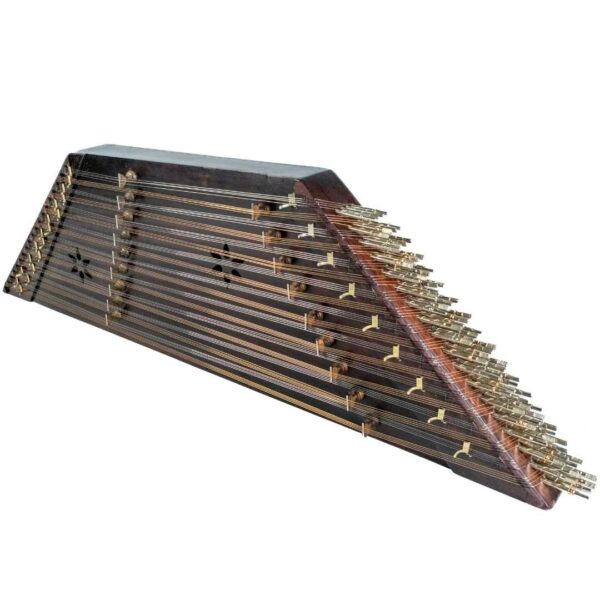
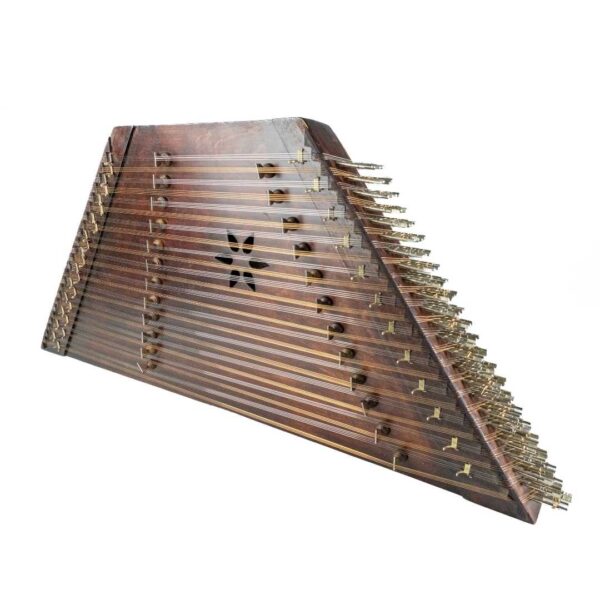
The plucked-lute family runs deep: alongside the Tar and Setar sit the lighter Shourangiz — an agile modern alternative to the tar — the long-necked Tamboor, and the Dotar. These are traditionally carved from aged mulberry with walnut necks and adjustable gut frets, and the Tar’s soundbox is voiced with a stretched lambskin membrane. The Santur, a hammered dulcimer struck with light mezrab mallets, is built over rows of seasoned walnut bridges for its bright, cascading tone.
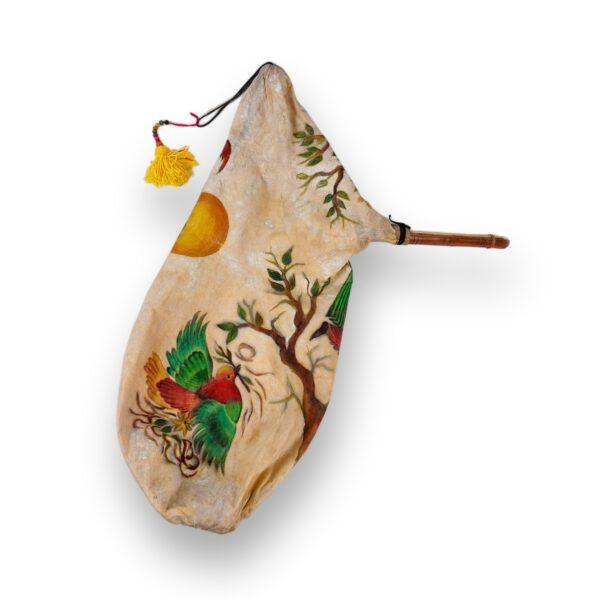
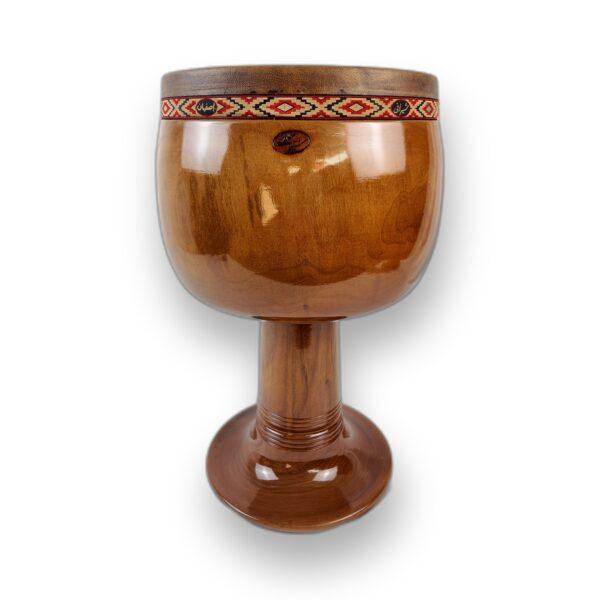
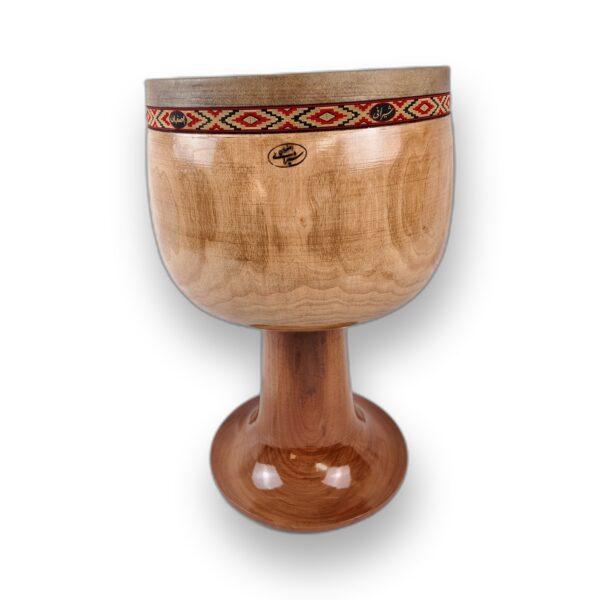
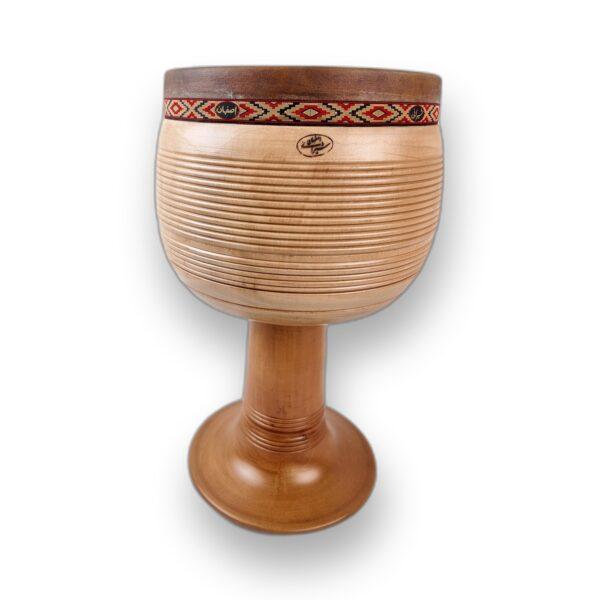
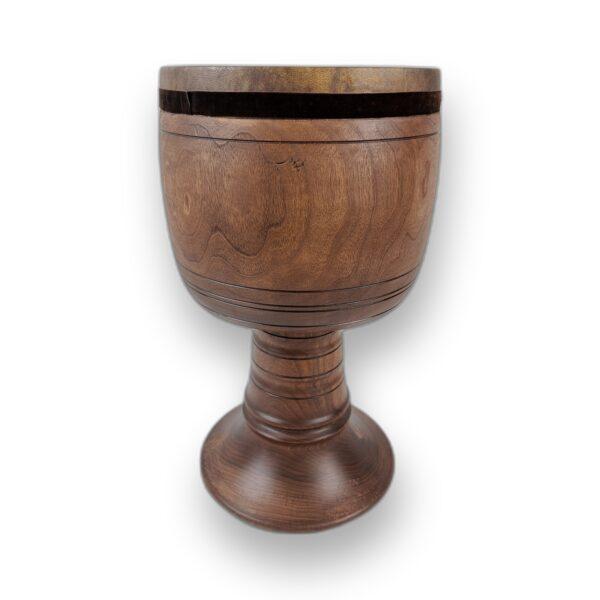
Persian bowed music speaks through the Kamancheh and its regional cousin the Gheychak, both played upright on a spike for a vocal, weeping timbre. The percussion family adds rhythmic drive — the goblet-shaped Tombak (zarb), the Daf and Dayereh frame drums — while the breathy Ney and double-pipe Dozaleh carry the Persian wind voice. Across all of them lives the core repertoire: the seven dastgah systems and their gushe, performed as avaz accompaniment and taqsim-style improvisation, suited to beginners, advancing students, and stage performers alike.
At Tapadum, our Persian collection is curated from established master luthiers working in the Tehran and wider Iranian tradition. Our Persian Tar instruments come from makers such as Amin Golestani and Mehdi Hatami; the Setar family from Darvish and Hamid; and the Kamancheh from specialist Hesam Hatami Sefaareshi. The wider repertoire was shaped by masters such as Hossein Alizadeh, whose influence still guides today’s players.
From the marquee Tar, Santur and Kamancheh through to the Shourangiz, Tamboor, Dotar, Gheychak, Tombak, Daf, Dayereh, Ney and Dozaleh, our Persian range is continually restocked and expanding through the season. Each instrument is individually quality-controlled before it leaves our Brisighella, Italy showroom. Worldwide shipping & 15-day return.
Frequently Asked Questions
How much do Persian instruments cost?
Which Persian instrument is best for a beginner?
What are the main families of Persian instruments?
Where can I buy an authentic Persian instrument?
What are Persian instruments made of?