Handpan
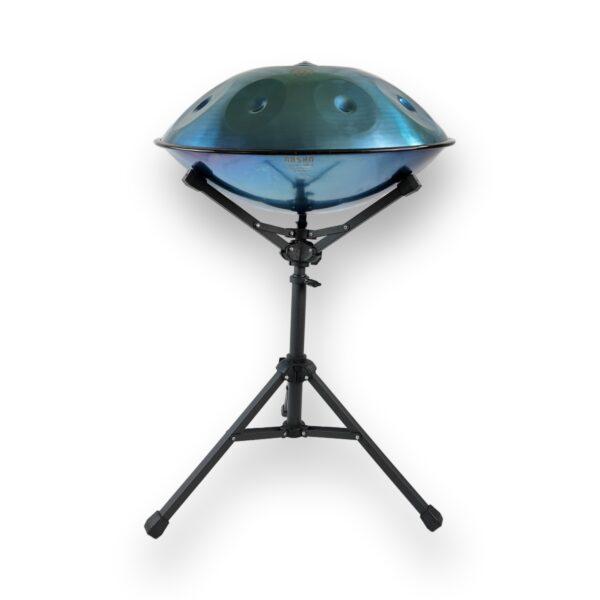
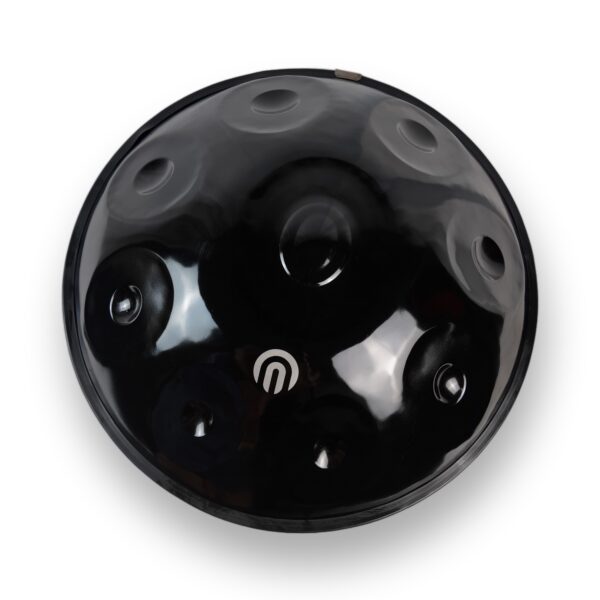
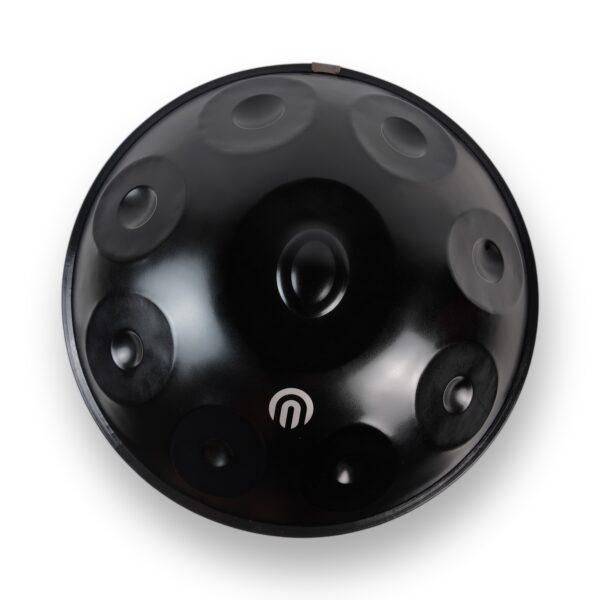
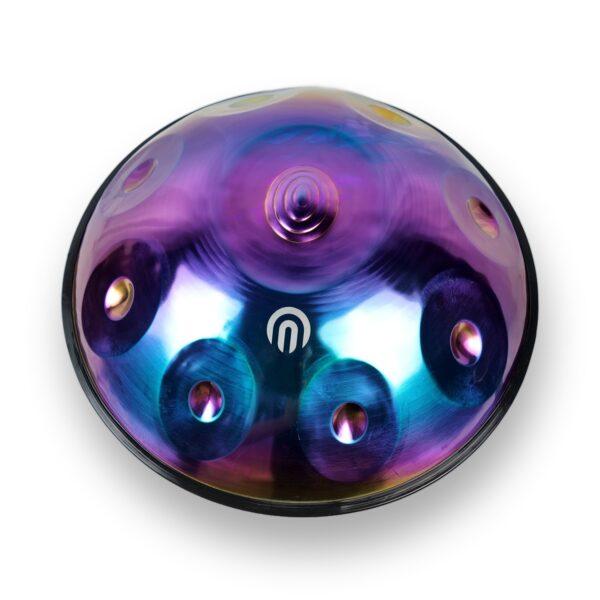
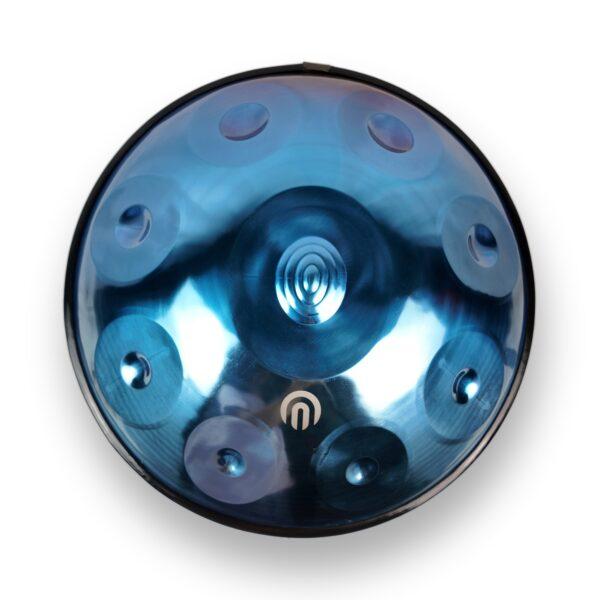
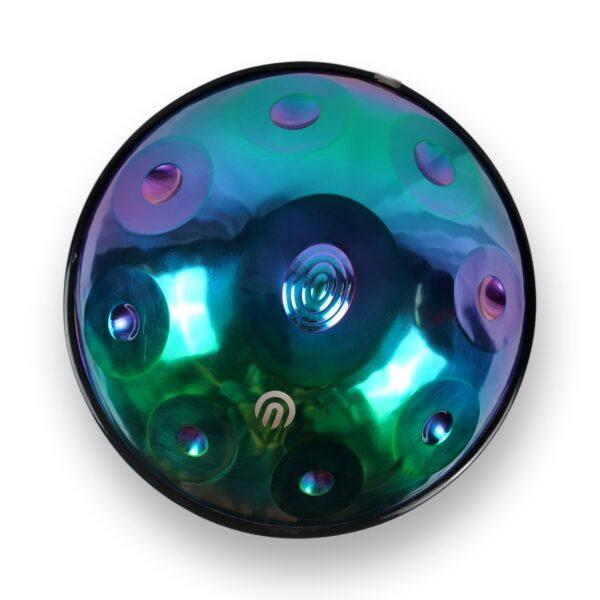
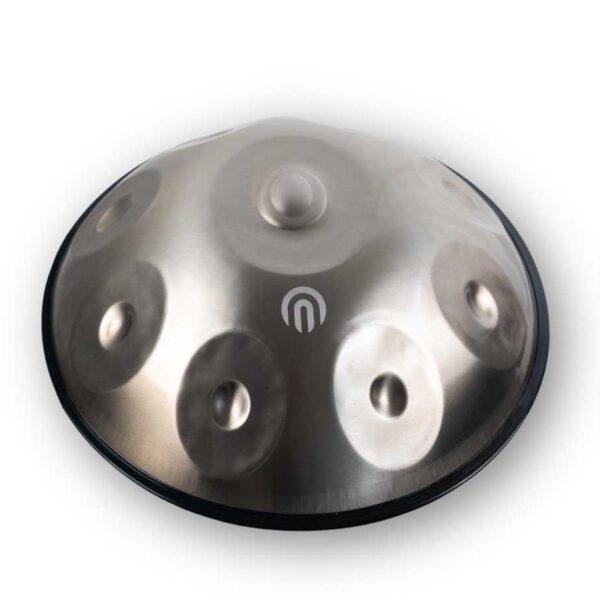
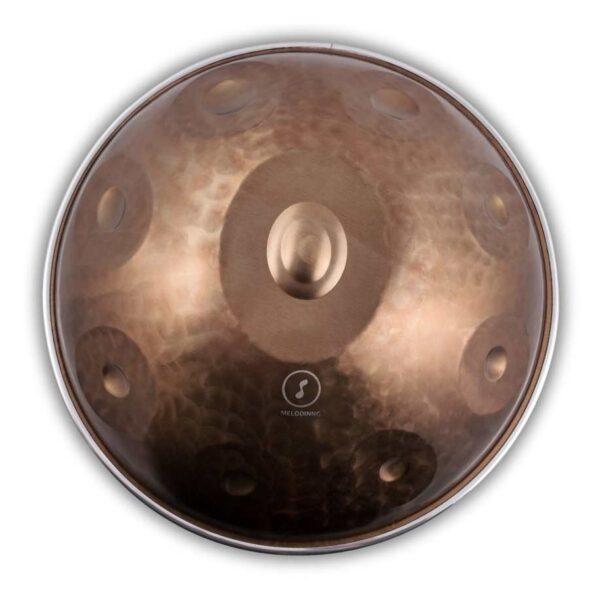
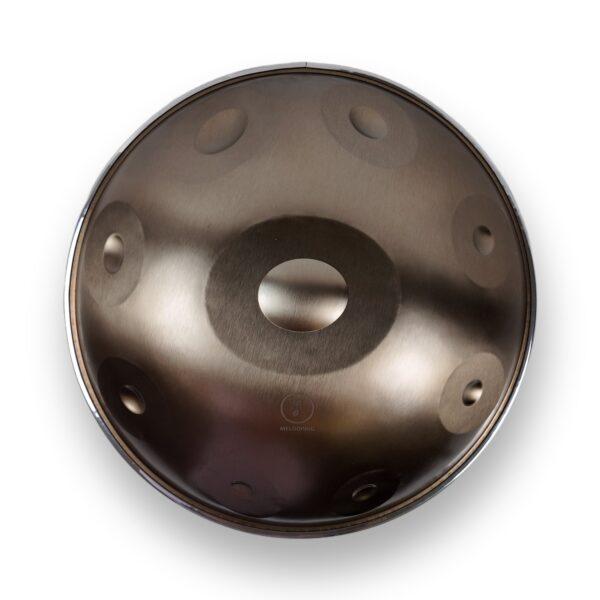
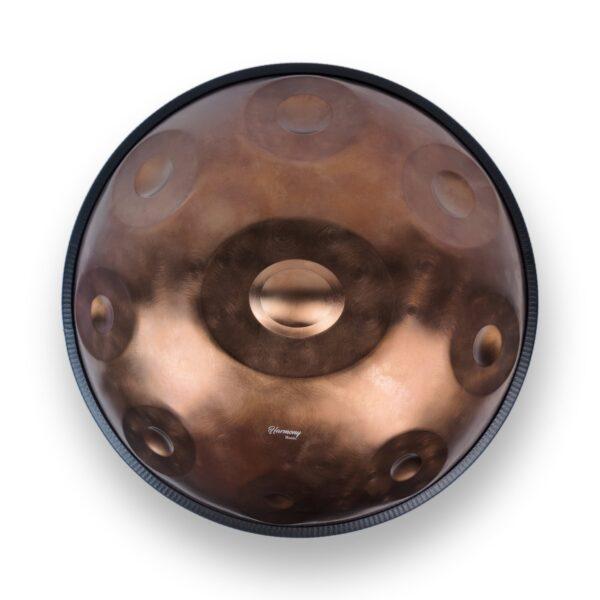
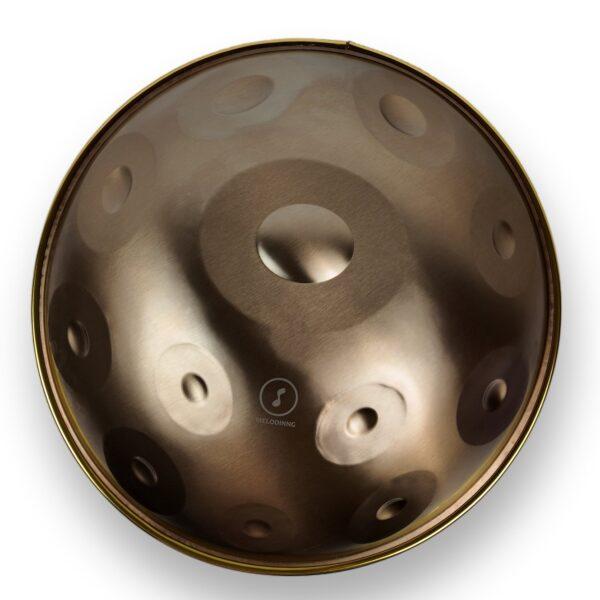
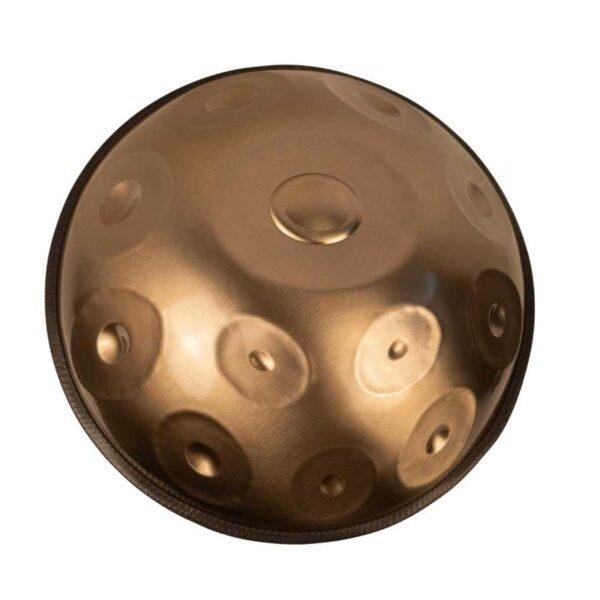
The handpan — also called the hand pan, UFO drum, or hand-played steel sound sculpture — is a melodic percussion instrument played with the hands rather than mallets, built around a central low note surrounded by tuned concave fields. Tapadum’s handpan collection brings together four maker lines our workshop curates — Arsha, Voice Sky, Melodinng, and our signature Tapadum Pro — spanning entry-level through professional craftsmanship, across the two most expressive handpan scales in our tradition: D Kurd and Hicaz.
Handpans are built from nitrided stainless steel shaped into two domed shells joined at the rim. The top shell holds the playing surface: a central doum note surrounded by 8 to 12 concave tone fields, each hand-hammered and tuned to a specific scale degree with its fundamental, octave, and compound fifth overtones. The bottom shell carries the gu port that releases bass and shapes the instrument’s deep resonance. Played with fingers and the heels of the palms, the handpan produces a sustained, layered voice — equal parts melodic instrument and meditative resonator.
Two scales anchor our collection. D Kurd (D minor with a natural seventh) is the most widely played handpan scale — meditative, contemplative, and forgiving for new players, with a Phrygian-leaning sound used widely in sound healing, yoga, and ambient composition. Hicaz introduces the augmented second interval between the second and third notes — the signature sound of Turkish, Arabic, and Persian classical music. A Hicaz handpan feels more expressive and dramatic, capable of moving from oriental modal melody to deep ceremonial atmosphere. Both scales work for sound therapy, mindfulness practice, busking, and stage performance.
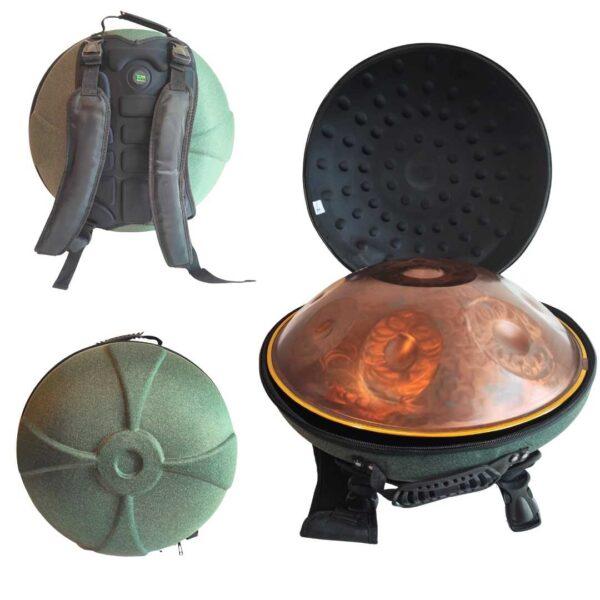
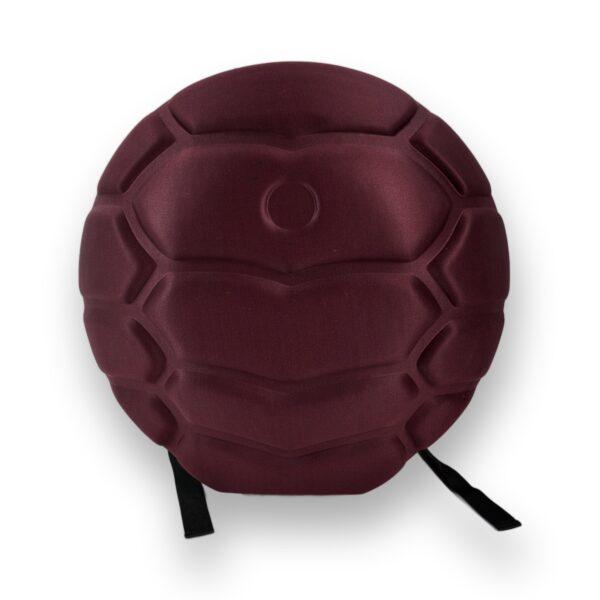
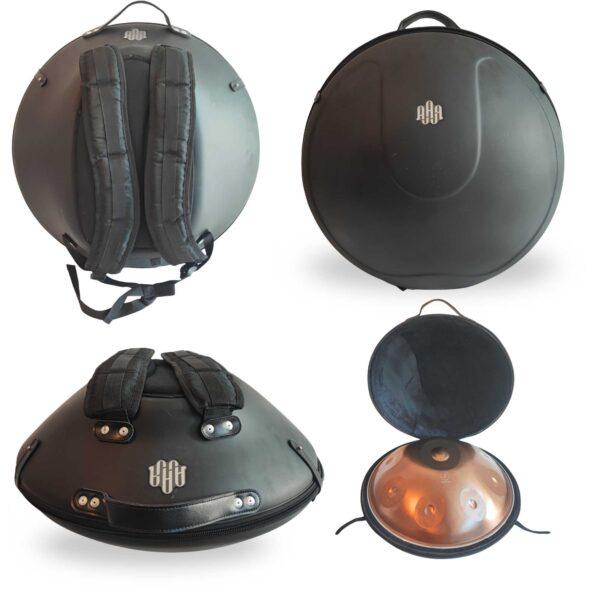
At our İzmir, Turkey workshop, our percussion specialist Gurkan Ozkan curates each handpan that enters our collection. Arsha is our entry-level series — stainless steel, 9-note D Kurd, accessible price for beginners and students. Voice Sky sits in the mid-range — warm, balanced 9-note D Kurd tone for daily practice and intimate performance. Melodinng is our premium 9-note D Kurd line — refined sustain, fuller harmonic depth, ready for studio and stage. Tapadum Pro is our signature workshop line — a 9-note D Kurd voice or a 12-note Hicaz voice, individually tuned and tested, our answer for both the meditative and the Eastern modal sound. Hard case included.
Beyond the four maker lines, the handpan sits within our wider Sound Healing Instruments collection alongside tongue drums, frame drums, koshi chimes, and tuning forks for meditation, therapy, and yoga practice. Watch our handpan demonstrations in action:
Every Tapadum handpan is sound-tested at our Brisighella, Italy showroom before shipping. Soft and hard case options are available for safe transport. Worldwide shipping & 15-day return. Reach out — our percussion team will help you choose between the meditative breath of D Kurd and the expressive Eastern voice of Hicaz.
Frequently Asked Questions
What's the difference between a handpan and a hang?
D Kurd or Hicaz — which scale should I choose?
How many notes does a handpan have?
What should I look for when choosing a handpan?
How do I care for and tune a handpan?
-
−28%Add to cart

-
−8%Add to cart
-
SaleSelect options This product has multiple variants. The options may be chosen on the product page
-
−12%Add to cart
-
−38%Add to cart
-
−28%Add to cart
-
−27%Add to cart
-
−27%Add to cart
-
−29%Add to cart
-
−25%Add to cart
-
−21%Add to cart
-
−21%Add to cart
-
−22%Add to cart
-
−32%Add to cart
-
−27%Add to cart
-
−32%Add to cart