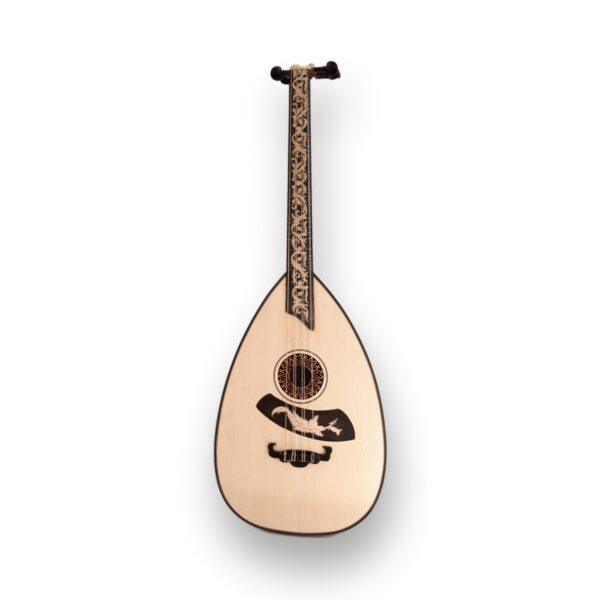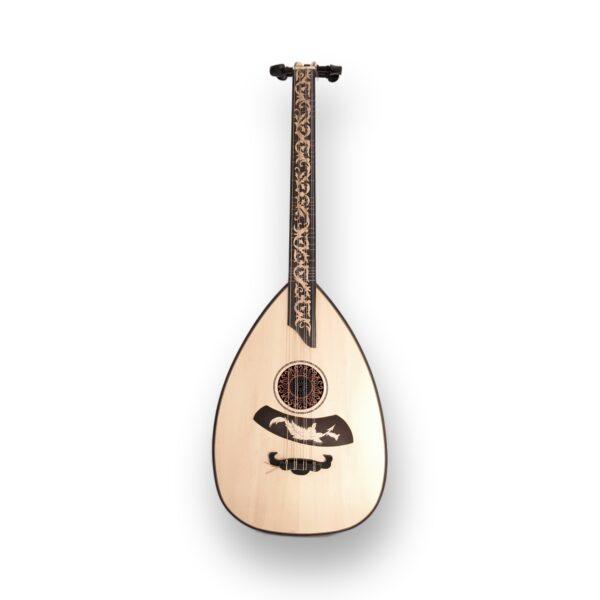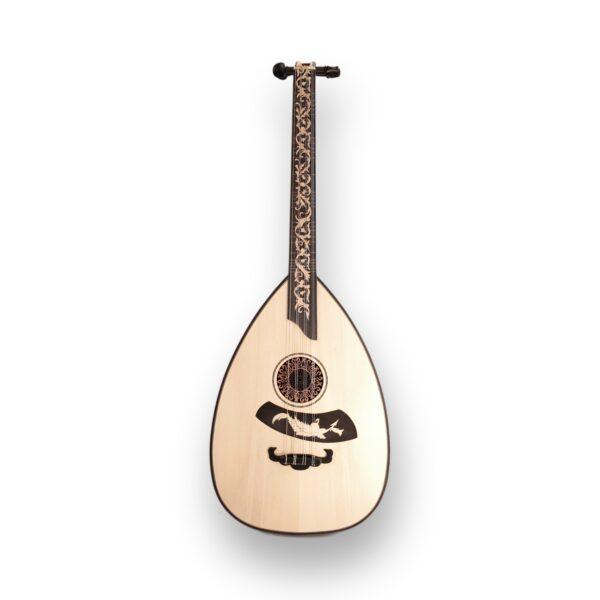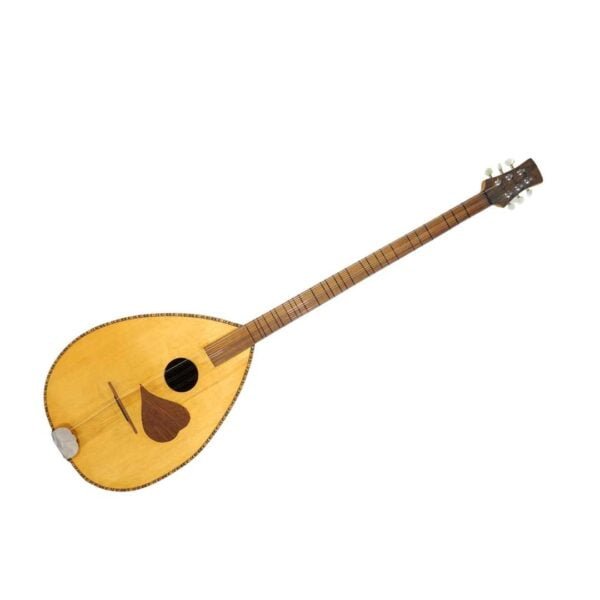
String Instruments
Tapadum’s String Instruments collection spans the Anatolian, Persian, Arabic, Greek and Balkan traditions, with a small European early-music branch — every instrument hand-built by master luthiers we curate or finished in our own Izmir workshop. The lineup grows from oud cluster heritage (with Feramis Aktas and Yildirim Palabiyik at the center) outward to lavtas, qanuns, Persian tars and setars, santurs, and contemporary hybrid builds.
Family architecture:
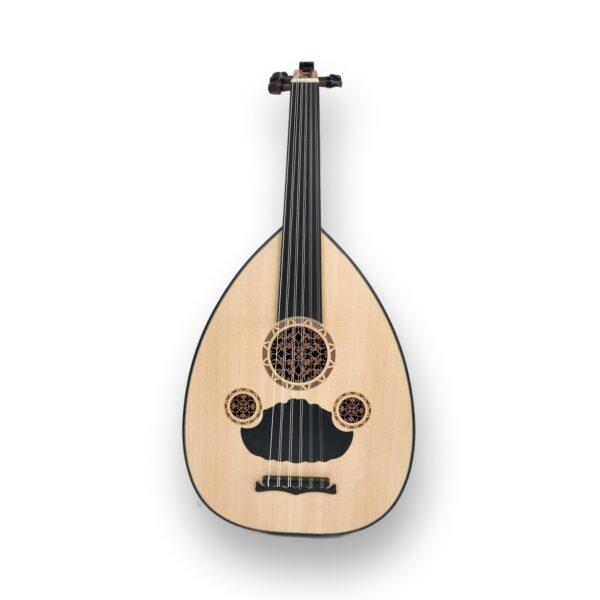
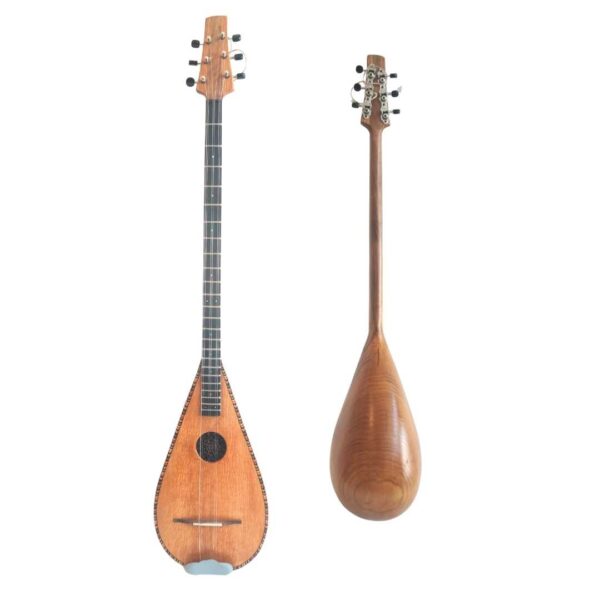
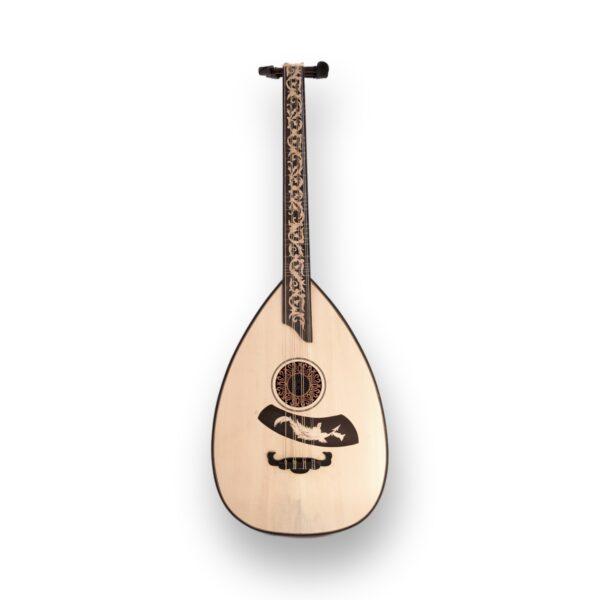
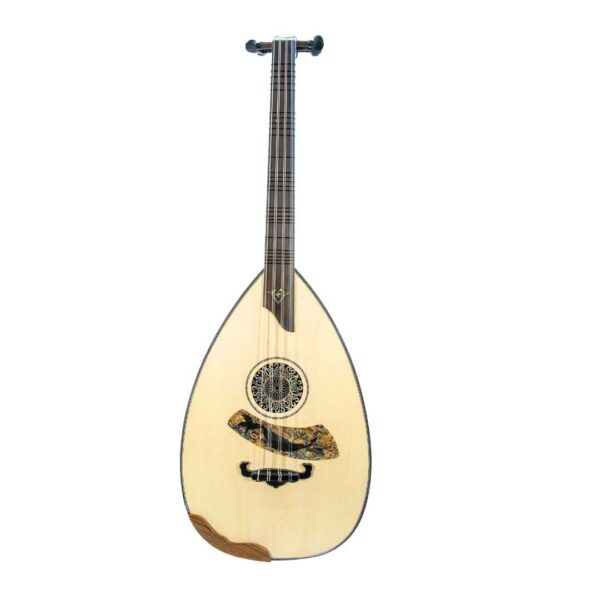
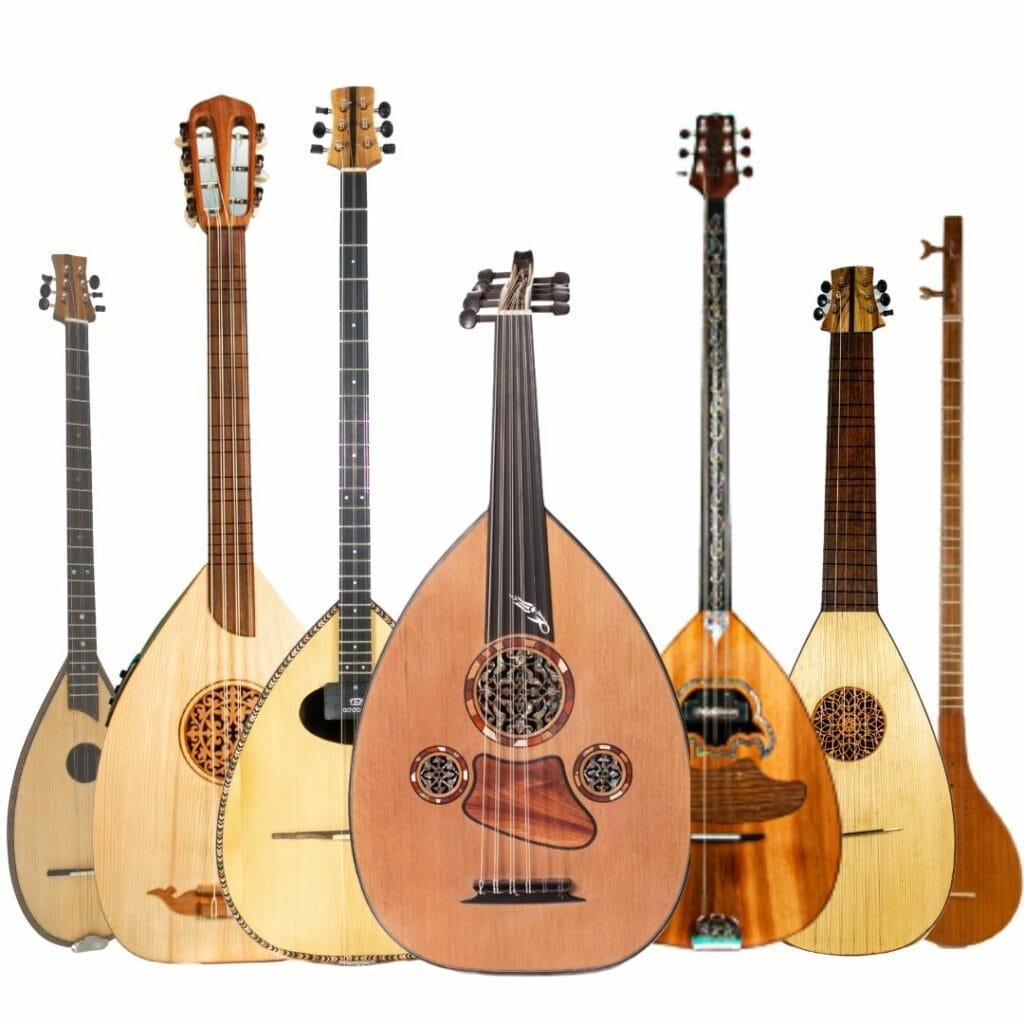
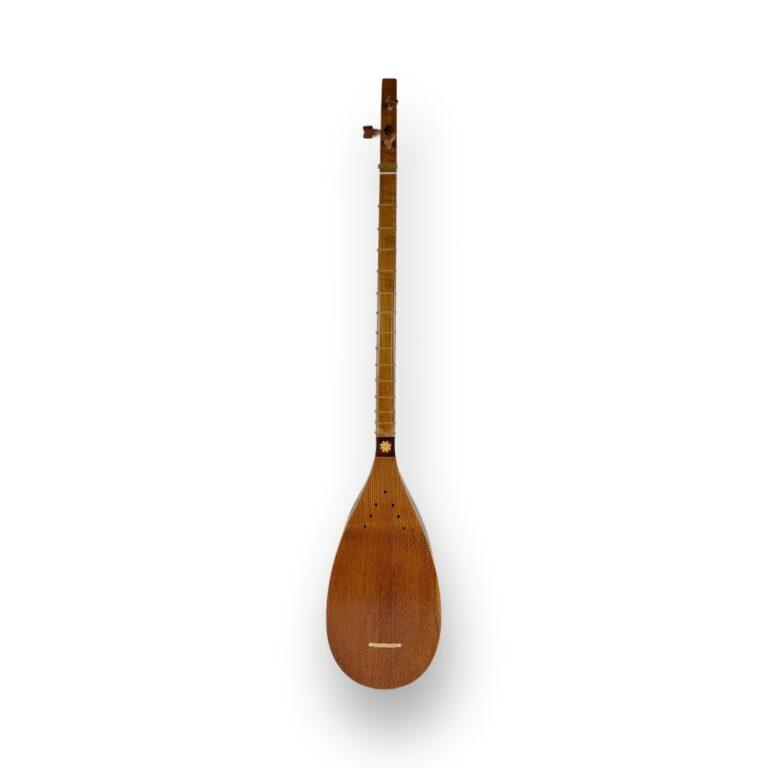
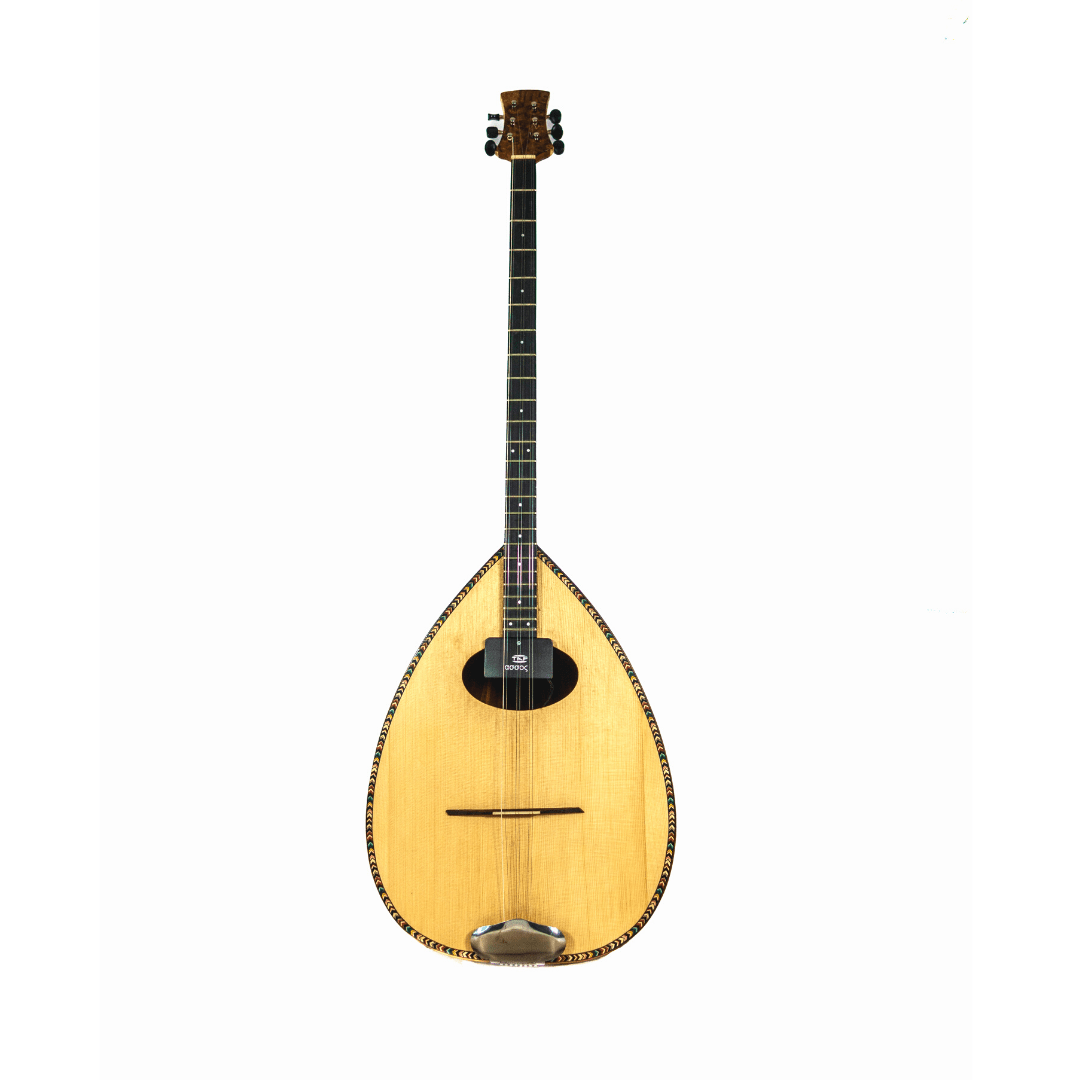
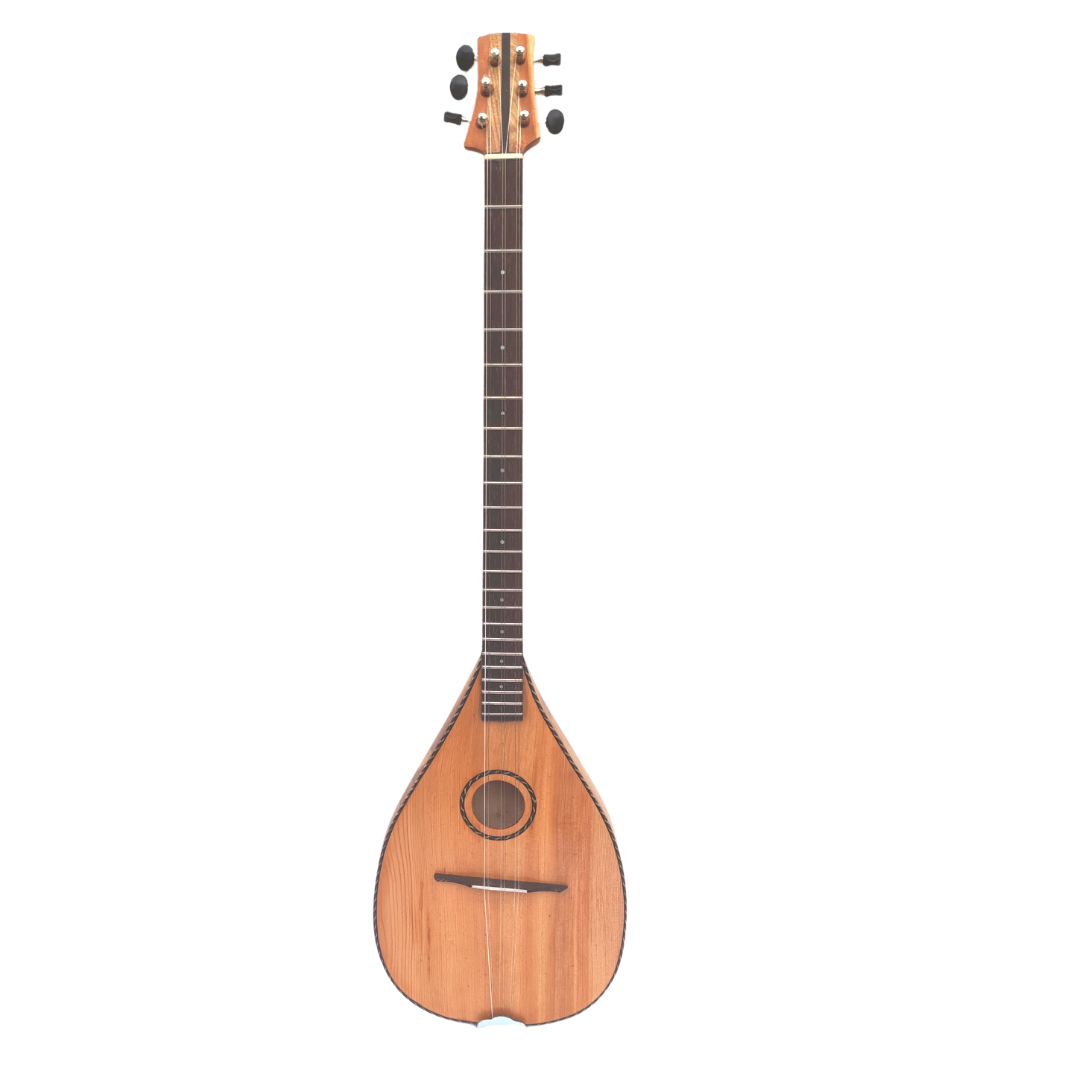
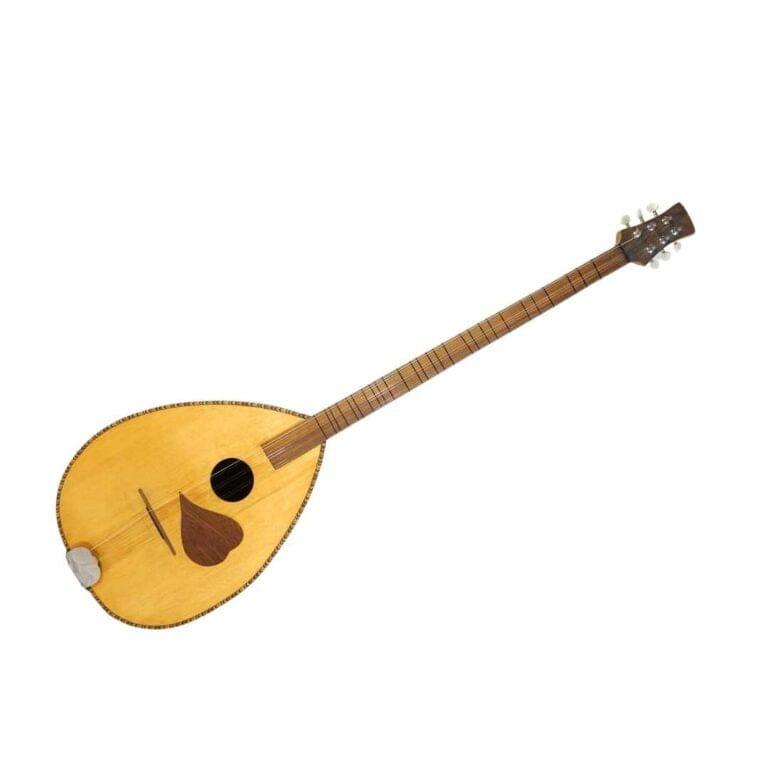
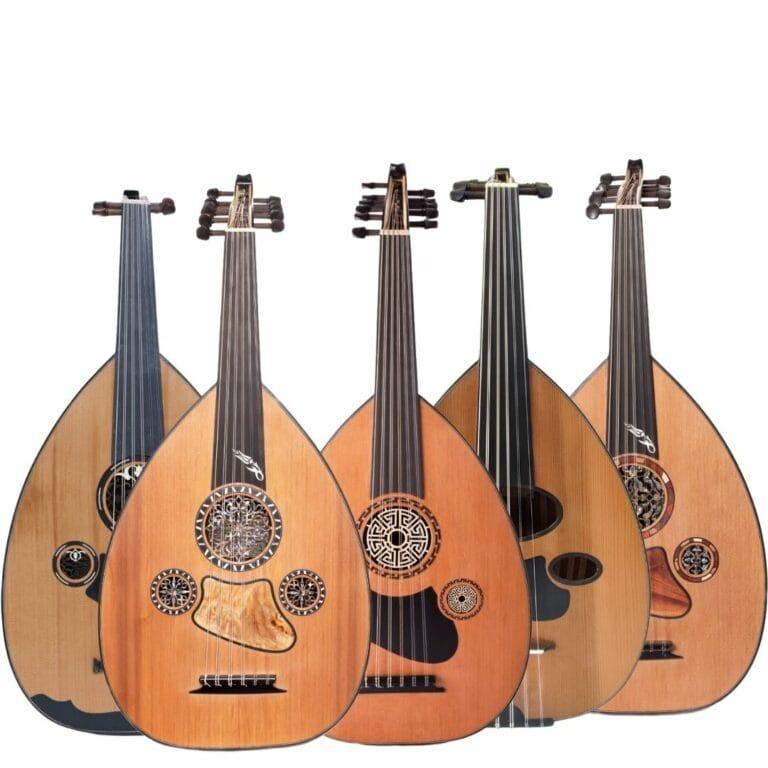
- Plectrum-played lutes — oud (Arabic 5-6 course / Turkish 5-6 course), saz and baglama, lavta, bouzouki, Bulgarian tambura, buzuq. The oud is fretless, which opens the microtonal intervals of the maqam; saz, baglama, lavta, bouzouki, tambura and buzuq are fretted. Mustafa Gezerdag builds both ouds and lavtas; Ahmet Topan focuses on ouds; Sertan Sarioglu builds lavtas in the Ottoman classical tradition.
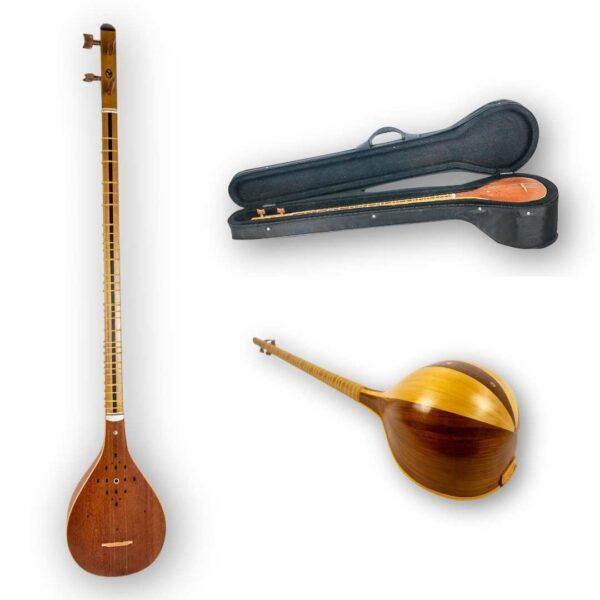
- Persian lutes with tied frets — setar, tar, tanboor. Their gut frets are tied around the neck and can be moved, so the player sets the microtonal intervals of the dastgah by ear. The Persian roster is anchored by Amin Golestani and Mehdi Hatami, with a smaller circle of Tehran luthiers we partner with for specific builds.
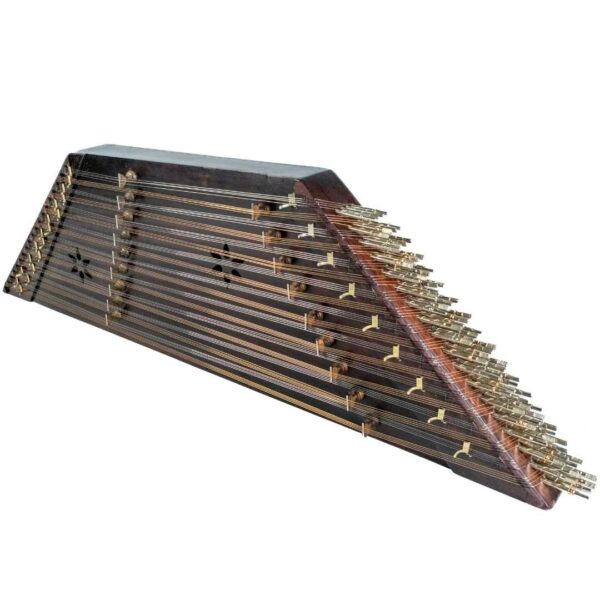
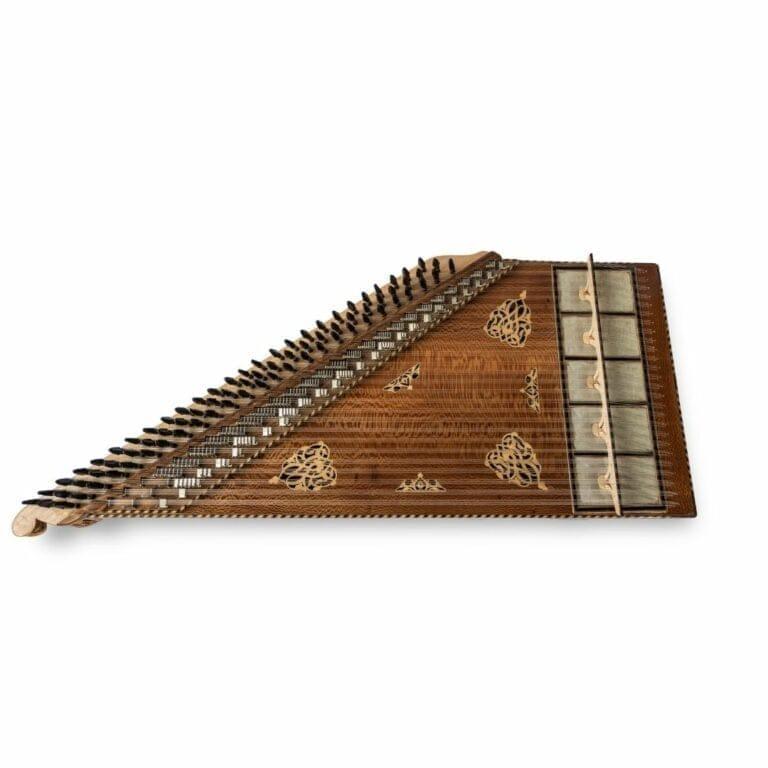
- Zithers — the santur is a trapezoid hammered dulcimer struck with two light mallets (mezrab); the qanun is a plucked zither, played with a pick on each index finger, with small levers (mandals) in place of frets for microtonal pitch changes. Necati Gurbuz builds qanuns alongside ouds and classical kemence, and the qanun now in the collection is by Ozgur Gurbuz; Persian santurs come from established Tehran workshops.
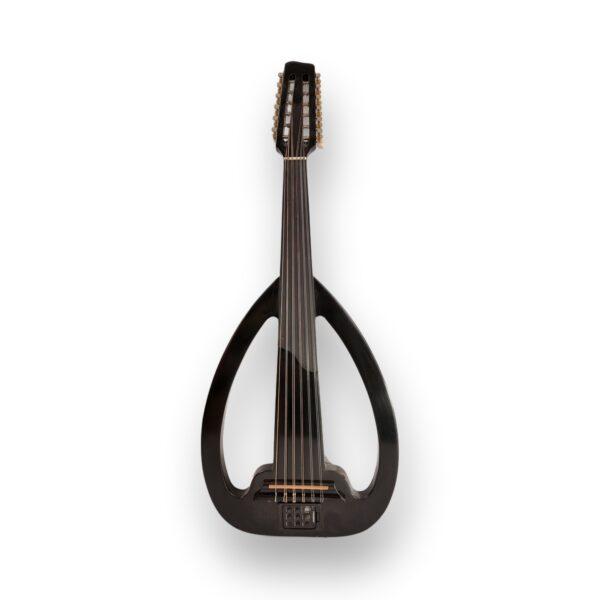
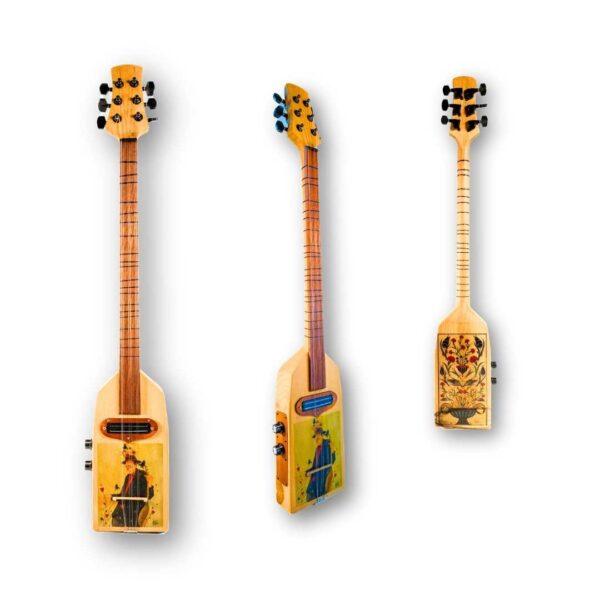
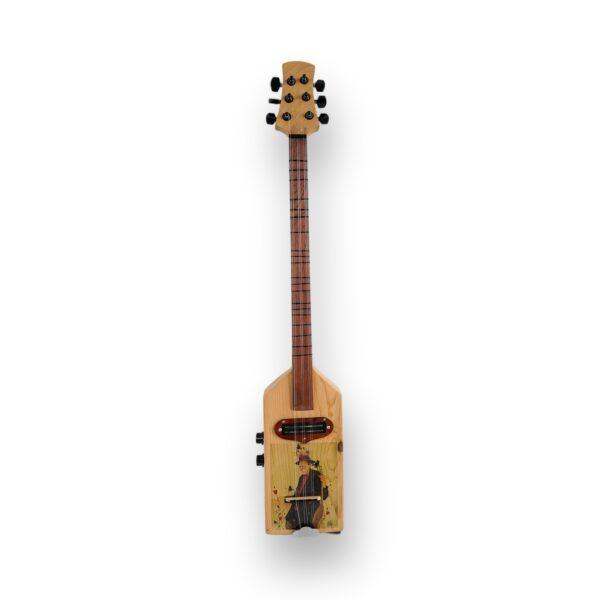
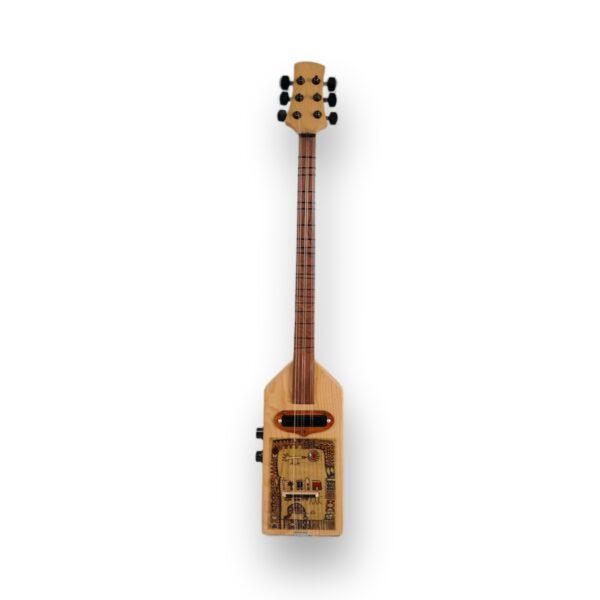
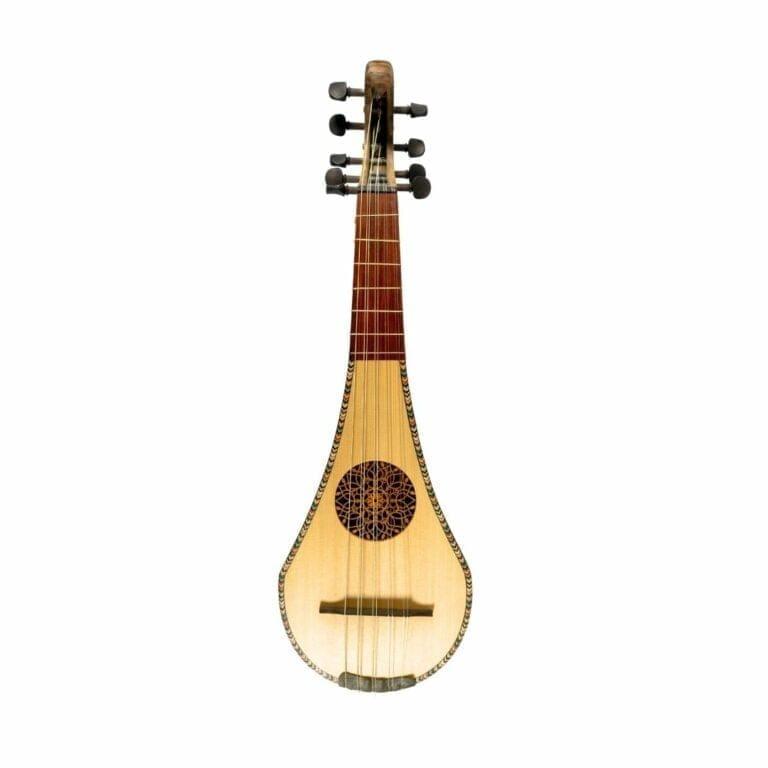
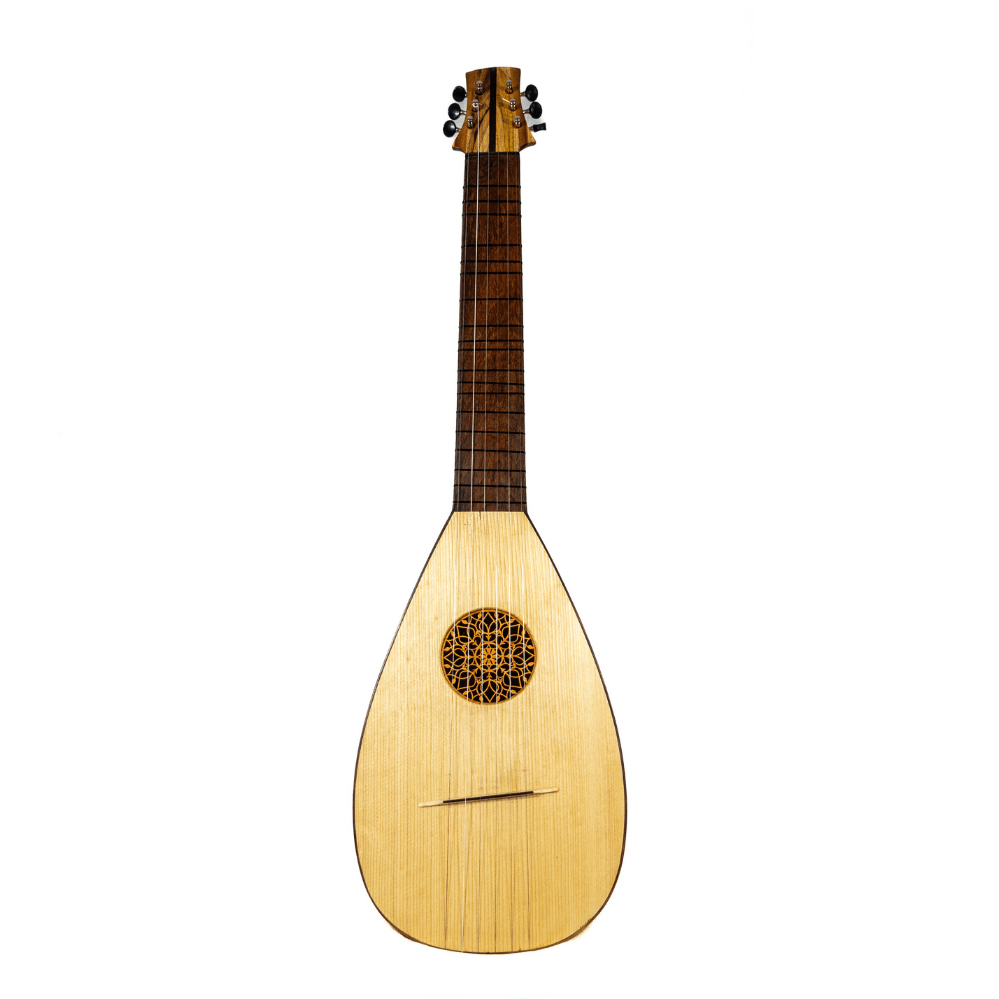
- Hybrid and contemporary — cumbus (a fretless banjo-oud, developed by Zeynel Abidin Cumbus in 1930), Ogur sazi (Erkan Ogur design), caglama (electric baglama hybrid), fretless guitars, and the electric oud range for amplified stage work. The European early-music branch runs alongside it: Renaissance lute and gittern.
Each instrument follows centuries of regional tuning, fretting, and resonance conventions — our curation respects these distinctions rather than blending them.
Where to start
Five branches carry most of the catalogue, and each one answers a different question. The oud collection is the largest branch, split between Turkish ouds (brighter, shorter scale) and Arabic ouds (deeper bowl, fuller bass), both from €549 up to €1,199 for professional concert instruments. Signature lines sit inside it — Feramis Aktas and Yildirim Palabiyik each have their own collection.
For Persian repertoire, the setar is the usual entry point — small, quiet, played with the nail of the index finger over tied gut frets. The santur covers the hammered-dulcimer side, from 9-bridge models to 12-bridge concert builds with sharping levers (€549 to €1,980). On the Anatolian side, saz and baglama start at €399, and the Ottoman lavta — fretted, plectrum-played, closer to the oud in voice — runs from €599.
At Tapadum’s Izmir workshop, we hand-finish in-house builds and test every instrument we curate under both warm and cool studio conditions before listing — string tension, fret intonation (where applicable), and tonal balance calibrated. Worldwide shipping & 15-day return.
Frequently Asked Questions
Which traditions do these string instruments come from?
I'm new to ethnic string instruments — should I start with a Turkish oud or a Persian setar?
What's the difference between fretted and fretless instruments in this category?
What separates a high-end handmade instrument from a mass-produced one?
- Material selection — choosing the right wood species for each component (resonant tonewood for the soundboard, dense hardwood for the fingerboard, well-seasoned timber for the body), often sourced from specific regions for traditional characteristics.
- Aging and drying — properly cured wood (typically several years of slow drying) is dimensionally stable and tonally responsive; rushed kiln drying or unseasoned timber produces instruments that warp, crack, or lose tone within months.
- Construction time — every joint, every glue cure, every finishing pass needs its own waiting period; a luthier spending weeks on a single oud or setar produces a fundamentally different instrument than a factory line turning out hundreds per day.
- Component-level attention — body resonance chamber, soundboard top, fingerboard, frets, pegs, bridges, and nut slots are each tuned by hand, not template-cut.


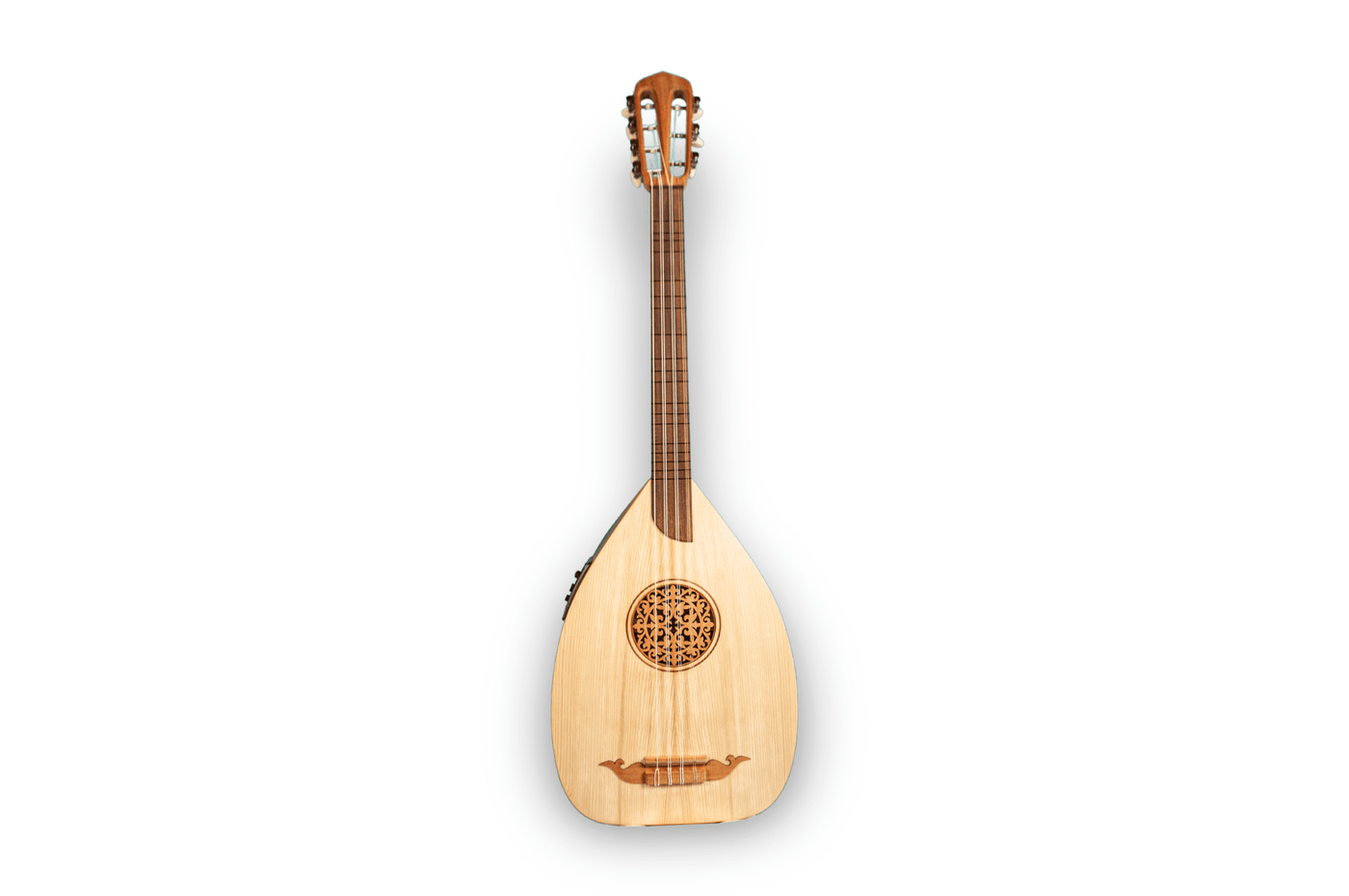
Turkish Lavta – Electro Acoustic
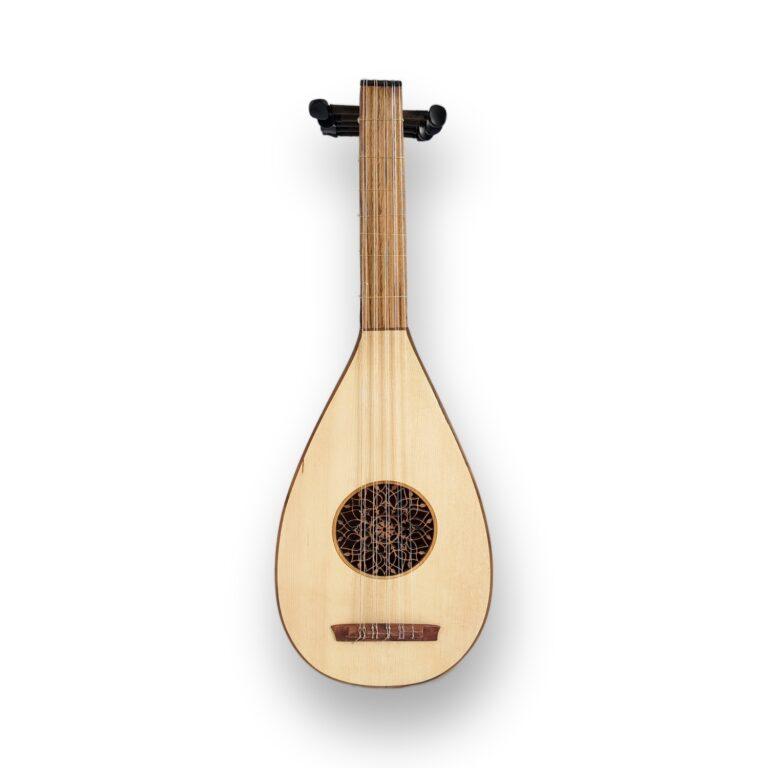
Handcrafted electro-acoustic Turkish lavta with walnut body, East Black Sea Spruce soundboard, mahogany neck, and built-in Fishman Piezo pickup. Built by Tapadu…
Original price was: €939,00.€897,16Current price is: €897,16. Open piece →